3 Essential Ways to Prevent Developer Burnout Without Sacrificing Productivity
Are you exhausted after a long coding session with no end in sight? Preventing developer burnout and maintaining productivity is crucial in the fast-paced tech world.
As a life coach, I’ve helped many professionals navigate these challenges. I understand the struggle to balance productivity and well-being, especially when it comes to work-life balance in tech.
In this article, you’ll learn how to prevent developer burnout without sacrificing productivity. We’ll cover setting clear work boundaries, using the Pomodoro Technique for time management, and practicing self-care strategies in tech. These burnout prevention techniques will help you maintain motivation in software development.
Let’s dive in and explore sustainable coding practices to avoid developer fatigue.

The Struggle with Developer Burnout
Burnout is a widespread issue among developers. Many suffer from overwhelming stress and exhaustion due to long hours and high demands, making it crucial to prevent developer burnout and maintain productivity.
This can severely impact productivity and overall performance, affecting developer mental health and work-life balance in tech.
In my experience, developers often find their creativity and motivation dwindling when burnout sets in. You might notice mistakes creeping into your code or a lack of enthusiasm for new projects, highlighting the need for sustainable coding practices.
Several clients report struggling to keep up with constant deadlines and never-ending tasks. This is a common and painful problem, emphasizing the importance of time management for developers.
Work-life balance becomes a distant dream, making stress management for software engineers crucial.
Without intervention, burnout can lead to serious health issues and reduced job satisfaction. Let’s address this together and explore burnout prevention techniques to maintain motivation in software development.

Effective Strategies to Prevent Developer Burnout While Boosting Productivity
Overcoming burnout requires a few key steps. Here are the main areas to focus on to prevent developer burnout and boost productivity in the tech industry.
- Set clear work boundaries and stick to them: Define specific work hours and create a distraction-free environment to maintain work-life balance in tech.
- Use the Pomodoro Technique for focused work: Work in intervals with short breaks to maintain energy and concentration, a crucial productivity tip for programmers.
- Practice regular self-care and stress management: Incorporate breaks, physical activity, and healthy habits into your routine to support developer mental health and avoid developer fatigue.
Let’s dive into these sustainable coding practices!
1: Set clear work boundaries and stick to them
Setting clear work boundaries is essential for maintaining productivity and preventing developer burnout.
Actionable Steps:
- Define your work hours. Choose a specific start and end time for your workday to maintain work-life balance in tech.
- Create a distraction-free workspace. Use Do Not Disturb mode on your phone and computer to enhance productivity for programmers.
- Communicate your boundaries. Let your team know your availability and use auto-replies outside of work hours as part of stress management for software engineers.
Explanation:
These steps help you maintain a work-life balance and prevent developer burnout. By setting and communicating clear boundaries, you can focus better during work hours and enjoy personal time without interruptions, avoiding developer fatigue.
According to LinkedIn, setting boundaries is crucial for productivity and peace of mind.
The benefits of setting clear work boundaries include:
- Improved focus and productivity during work hours
- Reduced stress and anxiety, contributing to better developer mental health
- Better work-life balance, essential for sustainable coding practices
Next, let’s explore how using the Pomodoro Technique can boost your focus and productivity.
2: Use the Pomodoro Technique for focused work
Using the Pomodoro Technique can significantly boost your focus and productivity, helping prevent developer burnout and maintain a healthy work-life balance in tech.
Actionable Steps:
- Set a timer for 25 minutes. Work on a single task without interruptions until the timer rings, a key time management strategy for developers.
- Take a 5-minute break. Step away from your workspace to rest and recharge before the next session, incorporating self-care strategies in tech.
- Repeat the cycle. After four Pomodoros, take a longer break of 15-30 minutes to avoid burnout and practice sustainable coding practices.
Explanation:
These steps help break down work into manageable chunks, maintaining your energy and concentration, which is crucial for preventing developer burnout and productivity.
By using the Pomodoro Technique, you can stay focused and make steady progress without feeling overwhelmed, an essential productivity tip for programmers.
According to Syracuse University, this method helps sustain energy and attention throughout the workday, supporting developer mental health.
Next, let’s explore the importance of regular self-care and stress management for software engineers in preventing burnout.

3: Practice regular self-care and stress management
Regular self-care and stress management are crucial for preventing developer burnout and maintaining productivity in software development.
Actionable Steps:
- Schedule regular breaks and downtime. Take short breaks throughout the day and plan time off to recharge, improving work-life balance in tech.
- Incorporate physical activity. Engage in regular exercise, such as walking or yoga, to relieve stress and support developer mental health.
- Develop healthy habits. Practice mindfulness or meditation to manage stress, and ensure you get enough sleep, essential for sustainable coding practices.
Explanation:
These steps help you maintain mental and physical well-being, which is essential for sustained productivity. Incorporating breaks, physical activity, and healthy habits can significantly reduce stress and prevent burnout for software engineers.
According to Serena Archetti, taking breaks is essential for recovering from burnout and gaining a fresh perspective.
Effective stress management techniques for developers include:
- Deep breathing exercises
- Progressive muscle relaxation
- Journaling or expressive writing
By following these self-care practices, you’ll be better equipped to handle the demands of your work and prevent developer burnout, maintaining productivity in the long run.

Boost Your Productivity with Alleo
We’ve explored the challenges of preventing developer burnout while staying productive. Did you know you can work directly with Alleo to make this journey easier and faster for maintaining work-life balance in tech?
Setting up an account with Alleo is simple. Create a personalized plan and start working with Alleo’s AI coach to prevent developer burnout and boost productivity.
The coach will help you set work hours, manage Pomodoro intervals, and schedule self-care breaks—essential productivity tips for programmers. Alleo sends reminders and tracks your progress to support sustainable coding practices.
It keeps you accountable via text and push notifications, aiding in stress management for software engineers.
Ready to get started for free? Sign up for Alleo’s 14-day trial and boost your productivity today while avoiding developer fatigue!
Step 1: Log In or Create Your Account
To start your journey with Alleo’s AI coach, simply log in to your account or create a new one if you haven’t already, and you’ll be on your way to boosting productivity while preventing burnout.

Step 2: Choose “Building better habits and routines”
Click on “Building better habits and routines” to address your burnout concerns and improve productivity. This goal aligns with the article’s strategies, helping you establish work boundaries, implement the Pomodoro Technique, and prioritize self-care practices for a healthier work-life balance.

Step 3: Select “Career” as Your Focus Area
Choose “Career” as your focus area to address developer burnout and boost productivity. By selecting this life area, Alleo’s AI coach will provide tailored strategies to help you set work boundaries, implement the Pomodoro Technique, and practice self-care specifically within your professional context.

Step 4: Starting a coaching session
Begin your journey with Alleo by scheduling an initial intake session, where you’ll work with your AI coach to create a personalized plan that incorporates boundary-setting, Pomodoro intervals, and self-care practices tailored to your needs.

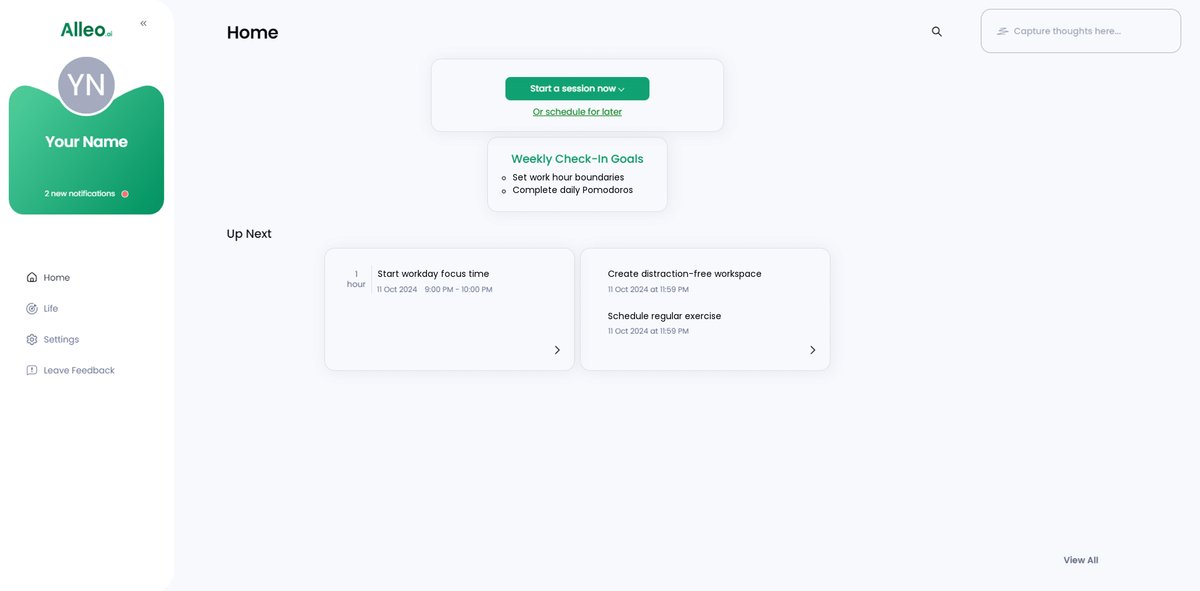
Step 5: Viewing and managing goals after the session
After your coaching session, open the Alleo app and check your home page to see the goals you discussed, allowing you to easily track and manage your progress towards preventing burnout and boosting productivity.
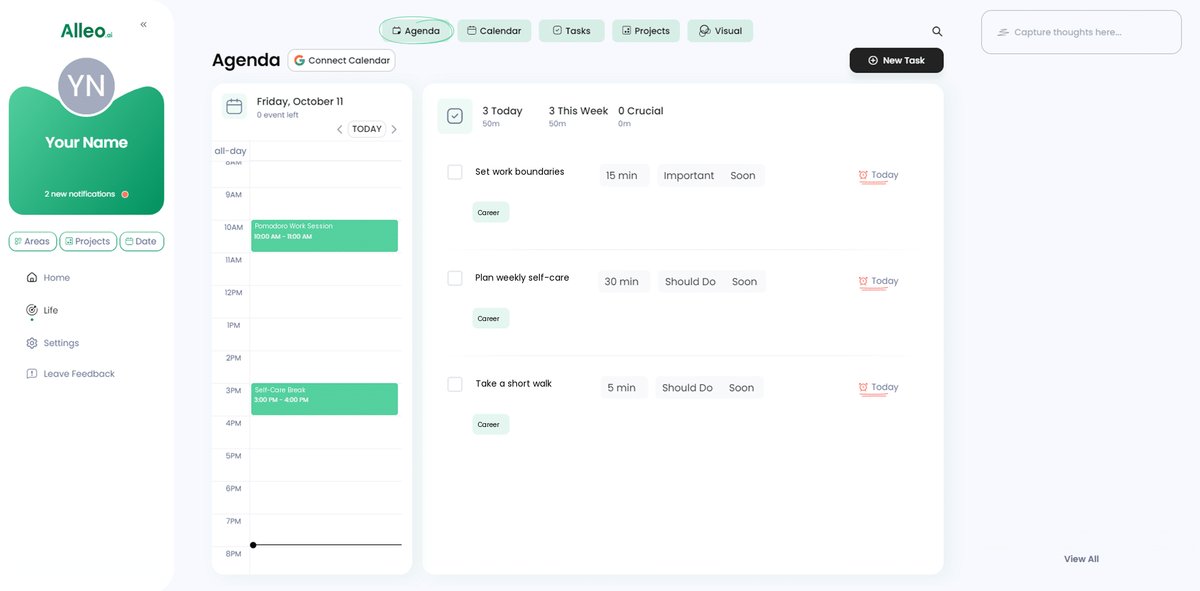
Step 6: Adding events to your calendar or app
Use the AI coach’s calendar and task features to schedule your work hours, Pomodoro sessions, and self-care breaks, allowing you to easily track your progress in preventing burnout and boosting productivity.
Taking Control of Your Productivity and Well-Being
It’s time to take the next step. You’ve learned how to set boundaries, use the Pomodoro Technique, and practice self-care to prevent developer burnout and boost productivity.
I understand the challenges you face. Balancing productivity without burning out is tough for software engineers, but it’s possible with the right stress management techniques.
Remember, small changes can make a big difference in developer mental health. Start with one strategy to avoid developer fatigue and build from there, focusing on sustainable coding practices.
Alleo is here to support you in maintaining work-life balance in tech. Try it out for free and see the impact on your productivity and well-being as a developer.
Don’t wait. Sign up for Alleo’s 14-day trial and start your journey to a healthier work-life balance today, implementing time management for developers and self-care strategies in tech.