3 Proven Strategies for Managers: Balance Preparation and Crisis Response
Crisis Management for Event Planners
What if, just as your major event kicks off, an unforeseen crisis strikes? How do you implement effective event crisis management strategies?
As a life coach, I’ve guided many event planners through similar challenges, focusing on crisis management techniques and leadership during emergencies. I understand the stress and potential fallout from not being adequately prepared or responsive.
In this article, you’ll discover strategies to balance meticulous preparation with real-time response. We’ll cover comprehensive crisis management plans, regular training for proactive planning for managers, and flexible emergency response protocols.
Let’s dive into these event crisis management strategies.

The Struggle to Balance Preparation and Real-Time Response
Balancing meticulous preparation with the need for a quick, real-time response is a constant challenge for event planners implementing event crisis management strategies. Many clients initially struggle with this balance, often leading to stressful situations and potential fallout.
Communication breakdowns, resource shortages, and decision-making under pressure are common issues during crises. These problems can derail even the most carefully planned events, highlighting the importance of proactive planning for managers.
In my experience, people often find themselves overwhelmed and unsure of their next steps when faced with emergency response protocols. The stress from these situations can be immense, affecting both the event and personal well-being.
So, how do you navigate this tricky balance in event crisis management strategies?
It’s all about having a strong foundation in risk assessment strategies and being adaptable with crisis management techniques.
Steps to Balance Preparation and Real-Time Response
Overcoming this challenge requires a few key steps in event crisis management strategies. Here are the main areas to focus on to make progress.
- Develop a comprehensive crisis management plan: Create detailed emergency response protocols and communication strategies for effective leadership during emergencies.
- Conduct regular training and crisis simulations: Schedule workshops and full-scale exercises to enhance team coordination in crises and decision-making under pressure.
- Establish a flexible Emergency Operations Center: Set up a dedicated space with real-time monitoring systems for proactive planning for managers and efficient resource allocation in emergencies.
Let’s dive into these event crisis management strategies!
1: Develop a comprehensive crisis management plan
Creating a comprehensive event crisis management strategy is crucial for navigating unexpected challenges effectively.
Actionable Steps:
- Conduct a thorough risk assessment: Identify potential threats and vulnerabilities specific to your events. Prioritize risks based on their likelihood and impact using risk assessment strategies.
- Create detailed response protocols: Develop specific action plans for different types of crises. Include clear roles and responsibilities for team coordination in crises.
- Establish a communication plan: Designate a crisis communication team. Develop templates for quick communication during disasters with stakeholders.
Explanation:
These steps are vital to ensure you are prepared for any crisis. Conducting a thorough risk assessment helps you understand potential issues and prioritize them as part of proactive planning for managers.
Detailed emergency response protocols provide a clear action plan, which reduces confusion during a crisis. Establishing a communication plan ensures that all stakeholders are informed promptly, supporting decision-making under pressure.
According to FEMA, a well-structured plan engages the whole community, making roles and responsibilities clear.
Key elements of a comprehensive event crisis management plan:
- Clear chain of command for leadership during emergencies
- Resource allocation strategies in emergencies
- Regular plan review and updates of crisis management techniques
Taking these steps will build a solid foundation for effective event crisis management strategies and recovery and post-crisis management.

2: Conduct regular training and crisis simulations
Regular training and crisis simulations are crucial to ensure your team is prepared for any unexpected challenges that might arise during an event. These event crisis management strategies help build a resilient team.
Actionable Steps:
- Schedule regular crisis management workshops: Engage experts to provide hands-on training. Ensure all team members are familiar with emergency response protocols and crisis management techniques.
- Facilitate full-scale simulation exercises: Simulate different crisis scenarios to practice response. Involve all stakeholders to ensure comprehensive preparedness and improve team coordination in crises.
- Implement continuous learning and improvement: Conduct debrief sessions after simulations to discuss lessons learned. Update crisis management plans based on feedback and new insights, focusing on proactive planning for managers.
Explanation:
These steps matter because they ensure everyone knows their role during a crisis. Regular workshops and simulation exercises help identify gaps in your plan and improve leadership during emergencies.
According to Corewell Health Business Assurance, maintaining operational balance through planning, preparedness, and continuous learning is essential for effective crisis management.
Benefits of regular crisis simulations:
- Improved team confidence
- Identification of process weaknesses
- Enhanced decision-making skills under pressure
By implementing these event crisis management strategies, you’ll build a responsive and resilient team ready to tackle any crisis that comes your way, from risk assessment strategies to recovery and post-crisis management.
3: Establish a flexible Emergency Operations Center
Establishing a flexible Emergency Operations Center (EOC) is essential for effective event crisis management strategies, ensuring efficient management and control during unexpected events.
Actionable Steps:
- Set up a dedicated EOC space: Equip the EOC with necessary technology and communication tools for crisis management techniques. Ensure it is accessible and functional at all times.
- Develop a flexible staffing plan: Train a core team to operate the EOC during crises, focusing on leadership during emergencies. Create a rotational schedule to ensure 24/7 readiness.
- Integrate real-time monitoring systems: Utilize technology to monitor ongoing events and potential crises. Establish protocols for rapid information dissemination and decision-making under pressure.
Explanation:
These steps matter because a well-equipped EOC ensures smooth operations during crises. Real-time monitoring helps in quick decision-making, which is crucial for effective event crisis management strategies.
According to Walmart’s disaster preparedness report, having a dedicated EOC enhances coordination and response efforts, ensuring a swift recovery.
Essential features of an effective EOC for proactive planning for managers:
- Redundant power and communication systems
- Collaborative workspace design for team coordination in crises
- Integrated data visualization tools for risk assessment strategies
By implementing these practices, you’ll create a resilient and responsive EOC ready to tackle any crisis that comes your way, improving your overall event crisis management strategies.

Partner with Alleo for Stress-Free Event Crisis Management
We’ve explored the challenges of balancing preparation with real-time response during crises. But did you know you can work directly with Alleo to make this journey easier and faster for implementing effective event crisis management strategies?
Alleo helps set up and maintain your comprehensive crisis management plan, incorporating proven crisis management techniques. It schedules and tracks regular training and simulation exercises, enhancing leadership during emergencies.
Alleo also organizes and monitors the Emergency Operations Center activities, ensuring seamless operations and supporting proactive planning for managers.
Setting up an account with Alleo is simple. Create a personalized plan tailored to your specific needs, including emergency response protocols and risk assessment strategies.
Alleo’s coach follows up on your progress, handles changes, and keeps you accountable via text and push notifications, improving team coordination in crises and decision-making under pressure.
Ready to get started for free? Let me show you how to enhance your event crisis management strategies!
Step 1: Log In or Create Your Alleo Account
To start managing your event crises with confidence, log in to your existing Alleo account or create a new one in just a few clicks.

Step 2: Choose “Building better habits and routines”
Select “Building better habits and routines” to develop a structured approach to crisis management, helping you establish consistent practices for preparation and response that will become second nature during high-stress situations.

Step 3: Select “Career” as Your Focus Area
Choose “Career” as your focus area to tackle event planning challenges head-on, allowing Alleo to provide tailored strategies for crisis management and professional growth in the event industry.

Step 4: Starting a coaching session
Begin your journey with Alleo by scheduling an initial intake session, where you’ll work with a coach to create a personalized crisis management plan tailored to your event planning needs.

Step 5: Viewing and Managing Goals After the Session
After your coaching session, check the Alleo app’s home page to view and manage the goals you discussed, ensuring you stay on track with your event crisis management plans.
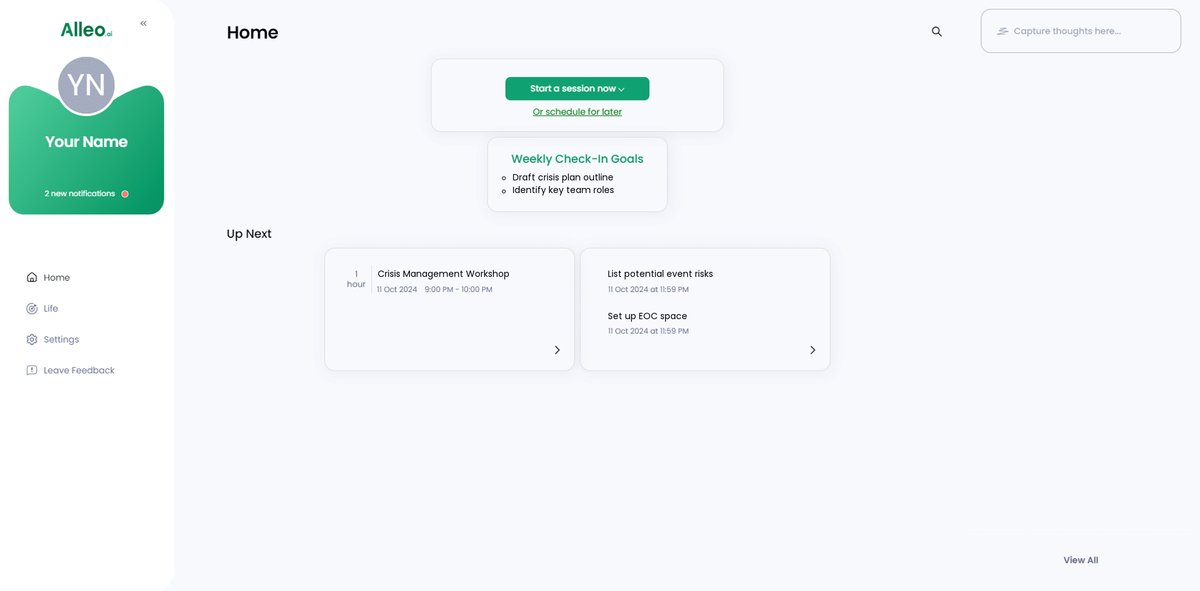
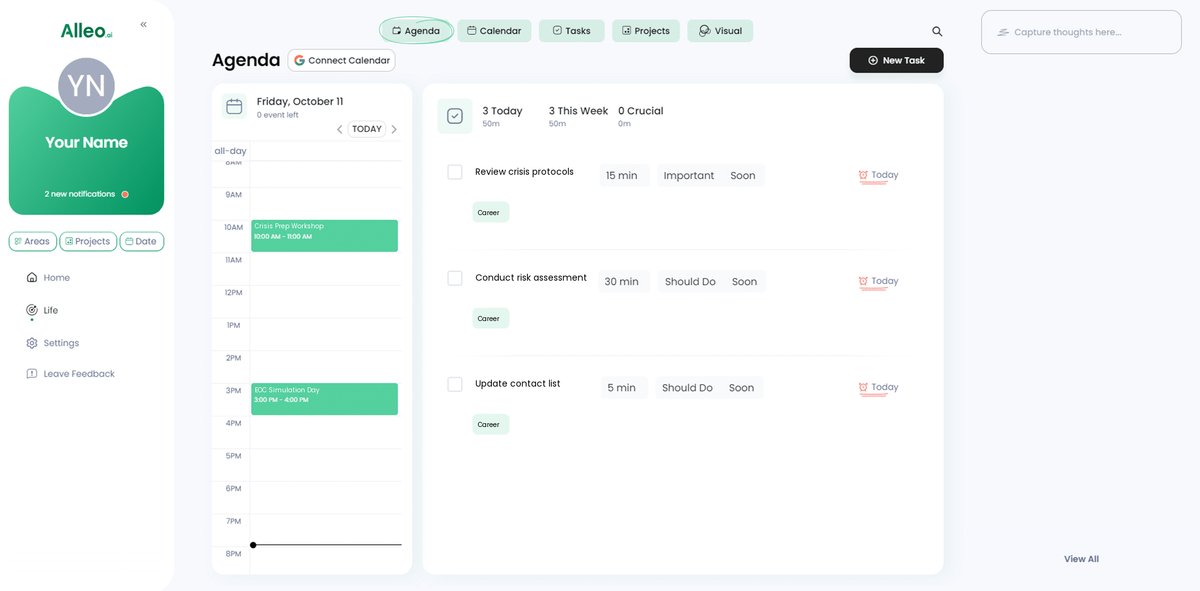
Step 6: Adding events to your calendar or app
Use the app’s calendar feature to schedule your crisis management training sessions and simulations, allowing you to easily track your progress in implementing your comprehensive plan and staying prepared for potential event disruptions.
Wrap-Up: Navigating Crisis with Confidence
Balancing preparation with real-time response is tough, but it’s possible in event crisis management strategies.
With a solid crisis management plan, you can stay ahead of any surprises and implement effective crisis management techniques.
Regular training and simulations prepare your team for anything, enhancing leadership during emergencies.
A flexible Emergency Operations Center keeps everything under control, supporting proactive planning for managers.
Remember, you’re not alone in this journey of mastering emergency response protocols.
With Alleo, managing crises becomes simpler and less stressful, aiding in risk assessment strategies.
You’ll have everything you need to handle any situation, improving team coordination in crises.
Why not give Alleo a try for enhanced decision-making under pressure?
Empower yourself with the right tools for effective communication during disasters.
Get started today and experience stress-free event planning with improved resource allocation in emergencies.