4 Essential Strategies for Healthcare Workers to Manage Emotional Triggers at Work
Have you ever felt a sudden wave of panic during a long shift, leaving you overwhelmed and unsure how to continue? This is a common experience when managing emotional triggers in healthcare.
As a life coach, I’ve helped many healthcare professionals navigate these turbulent emotional waters. I understand the challenges of emotional regulation in healthcare and the importance of stress management for medical professionals in a high-stakes environment.
In this article, you’ll discover practical strategies to identify and manage your emotions, practice deep breathing for mindfulness, maintain a mood journal, and establish a self-care routine. These coping mechanisms for nurses and self-care techniques for doctors are essential for burnout prevention in healthcare.
Let’s dive into these workplace wellness strategies for hospital staff and resilience training for healthcare professionals.
Understanding the Emotional Challenges
Navigating the emotional landscape of healthcare is no easy task. Many healthcare professionals face intense emotional reactions daily, which can lead to physiological responses like shame, panic, or anger. Managing emotional triggers in healthcare is crucial for maintaining a balanced work environment.
For example, several clients report feeling overwhelmed during high-pressure situations, impacting their ability to make sound decisions. This highlights the importance of emotional regulation in healthcare settings.
These emotional triggers don’t just affect your work; they permeate your entire well-being. When emotions run high, your decision-making abilities suffer, leading to potential errors and decreased performance. Stress management for medical professionals becomes essential in such scenarios.
It’s a painful cycle that many struggle to break, emphasizing the need for effective coping mechanisms for nurses and other healthcare workers.
In my experience, people often find these emotional triggers erode their sense of control. The constant stress can leave you feeling exhausted, both mentally and physically. This underscores the importance of self-care techniques for doctors and all healthcare professionals.
This is why it’s essential to address these triggers head-on, incorporating mindfulness practices for healthcare workers into daily routines.
Understanding the problem is the first step toward managing it. Let’s explore actionable strategies to help you regain control and improve your emotional resilience, focusing on workplace wellness for hospital staff and burnout prevention in healthcare.

Key Steps to Manage Emotional Triggers at Work
Managing emotional triggers in healthcare requires a few key steps. Here are the main areas to focus on to make progress in emotional regulation in healthcare:
- Identify and name your emotions in the moment: Recognize and label your emotions as they arise to gain clarity, a crucial aspect of emotional intelligence in medical settings.
- Practice deep breathing techniques regularly: Use scheduled and emergency breathing exercises to stay calm, an essential stress management technique for medical professionals.
- Keep a mood journal to track triggers: Log your emotional experiences daily to identify patterns, aiding in burnout prevention in healthcare.
- Establish a self-care routine for stress relief: Incorporate physical, mental, and emotional self-care techniques for doctors and other healthcare workers into your routine, promoting workplace wellness for hospital staff.
Let’s dive into these strategies for managing emotional triggers in healthcare!
1: Identify and name your emotions in the moment
Recognizing and naming your emotions as they arise is crucial for managing emotional triggers in healthcare settings.
Actionable Steps:
- Reflect daily: Spend 5 minutes at the end of each shift reflecting on your emotional responses. Use prompts like “What emotions did I feel today?” and “What triggered these emotions?” This practice aids in emotional regulation in healthcare.
- Label emotions: Practice labeling emotions as you feel them, using specific terms like “anxious,” “frustrated,” or “overwhelmed.” This helps in gaining clarity and is a key coping mechanism for nurses and doctors.
- Pause and Name: Implement the “Pause and Name” technique during stressful moments to gain immediate clarity and control over your emotions, an essential skill for managing emotional triggers in healthcare.
Explanation:
These steps matter because they help you become more aware of your emotional state, allowing you to manage emotional triggers effectively in medical settings.
According to Ridgeview Hospital, identifying emotional triggers involves self-reflection and observation, which are essential for emotional regulation and stress management for medical professionals.
Understanding your emotions can lead to better decision-making and improved well-being, contributing to burnout prevention in healthcare.
Benefits of emotional awareness:
- Enhanced self-understanding
- Improved emotional regulation
- Better interpersonal relationships, including when dealing with difficult patients
Taking these steps will set a solid foundation for managing emotional triggers in healthcare, paving the way for more advanced techniques in emotional resilience and workplace wellness for hospital staff.
2: Practice deep breathing techniques regularly
Regular deep breathing can help you manage emotional triggers in healthcare and maintain calm in intense situations.
Actionable Steps:
- Schedule breathing breaks: Set reminders to take 5-minute deep breathing breaks every 2-3 hours during your shift. Practice techniques like box breathing or diaphragmatic breathing as part of stress management for medical professionals.
- Use emergency techniques: Learn quick, calming breathing exercises for sudden emotional triggers. Keep a list handy for immediate reference, enhancing your emotional regulation in healthcare settings.
- Combine with routine: Integrate deep breathing into daily activities like walking or patient care. Take deep breaths before entering a room or starting a new task, incorporating mindfulness practices for healthcare workers.
Explanation:
These steps matter because they help you stay grounded and manage stress effectively. According to Healthline, deep breathing can reduce anxiety and improve emotional control, which is crucial for managing emotional triggers in healthcare.
Consistent practice will help you remain composed, enhancing your overall well-being and performance as a healthcare professional.
Taking these steps will help you manage emotional triggers better, paving the way for more advanced techniques in emotional resilience and burnout prevention in healthcare.
3: Keep a mood journal to track triggers
Keeping a mood journal helps you track and understand emotional triggers effectively, especially when managing emotional triggers in healthcare settings.
Actionable Steps:
- Log daily moods: Dedicate 10 minutes each day to write down your emotional experiences and potential triggers. Use a structured format to note the time, situation, emotion, and trigger. This practice is crucial for emotional regulation in healthcare.
- Review weekly entries: Reflect on your mood journal entries weekly to identify patterns and recurring triggers. Adjust your strategies based on your findings, which can aid in stress management for medical professionals.
- Analyze specific triggers: Study particular triggers to understand their origins and impacts. Develop personalized coping mechanisms for nurses and self-care techniques for doctors to address the most challenging triggers.
Key elements to include in your mood journal for managing emotional triggers in healthcare:
- Emotional state
- Triggering events or situations
- Physical sensations
- Coping strategies used
Explanation:
These steps matter because they provide a systematic way to monitor and manage your emotional triggers. According to Ridgeview Hospital, identifying emotional triggers involves self-reflection and observation, crucial for emotional regulation and burnout prevention in healthcare.
Regular journaling can help you gain deeper insights into your emotional responses, enabling better coping strategies and enhancing emotional intelligence in medical settings.
Tracking your moods will help you understand your emotional patterns, paving the way for effective emotional management and workplace wellness for hospital staff.
4: Establish a self-care routine for stress relief
Creating a self-care routine is vital for managing emotional triggers in healthcare settings and promoting effective stress management for medical professionals.
Actionable Steps:
- Incorporate daily physical activity: Engage in exercises like yoga, walking, or gym workouts for at least 30 minutes, 3-4 times a week, as part of your coping mechanisms for nurses and self-care techniques for doctors.
- Schedule mental and emotional self-care: Dedicate time for activities you enjoy, such as reading, hobbies, or spending time with loved ones. Schedule regular “me-time” to recharge and decompress, enhancing emotional regulation in healthcare.
- Seek professional support: Join support groups or seek counseling services to discuss and manage stress. Attend workshops on stress management and emotional resilience training for healthcare professionals.
Explanation:
These steps matter because they help maintain balance and prevent burnout in healthcare. Engaging in physical and mental self-care activities reduces stress and enhances overall well-being, supporting workplace wellness for hospital staff.
According to Purdue Global, stress management is crucial for healthcare workers, especially post-pandemic. Regular self-care practices improve emotional resilience and work performance, aiding in managing emotional triggers in healthcare.
Quick self-care practices for busy days:
- 5-minute mindfulness meditation for healthcare workers
- Short stretching session
- Gratitude journaling
Establishing a consistent self-care routine will help you manage stress effectively, setting the stage for long-term emotional well-being and improving emotional intelligence in medical settings.

Partner with Alleo for Emotional Resilience
We’ve explored managing emotional triggers in healthcare and steps to achieve it. But did you know you can work directly with Alleo to make this journey of emotional regulation in healthcare easier and faster?
Alleo provides affordable, tailored coaching support for stress management for medical professionals. Our AI coach offers full sessions like any human coach and a free 14-day trial, requiring no credit card, to help with burnout prevention in healthcare.
Here’s how to start developing coping mechanisms for nurses and self-care techniques for doctors:
- Set up an account
- Create a personalized plan for managing emotional triggers in healthcare
- Work with Alleo’s coach to overcome your challenges and improve emotional intelligence in medical settings
The coach will follow up on your progress in workplace wellness for hospital staff, handle changes, and keep you accountable via text and push notifications, supporting your journey in dealing with difficult patients.
Ready to get started for free with mindfulness practices for healthcare workers?
Let me show you how to begin your resilience training for healthcare professionals!
Step 1: Logging in or Creating an Account
To begin your journey towards emotional resilience in healthcare, Log in to your account or create a new one to access Alleo’s AI coach and start your personalized emotional management plan.

Step 2: Choose “Improving overall well-being and life satisfaction”
Select “Improving overall well-being and life satisfaction” as your goal to address the emotional challenges discussed in the article, helping you develop resilience and manage stress in your healthcare career.

Step 3: Select “Personal” as Your Focus Area
Choose the “Personal” life area to address emotional triggers and build resilience in your healthcare career. This focus allows you to develop self-awareness, stress management techniques, and coping strategies that will positively impact both your professional performance and overall well-being.

Step 4: Starting a Coaching Session
Begin your journey with Alleo by scheduling an intake session, where you’ll discuss your emotional triggers and work with the AI coach to create a personalized plan for managing stress and building resilience in your healthcare role.

Step 5: Viewing and managing goals after the session
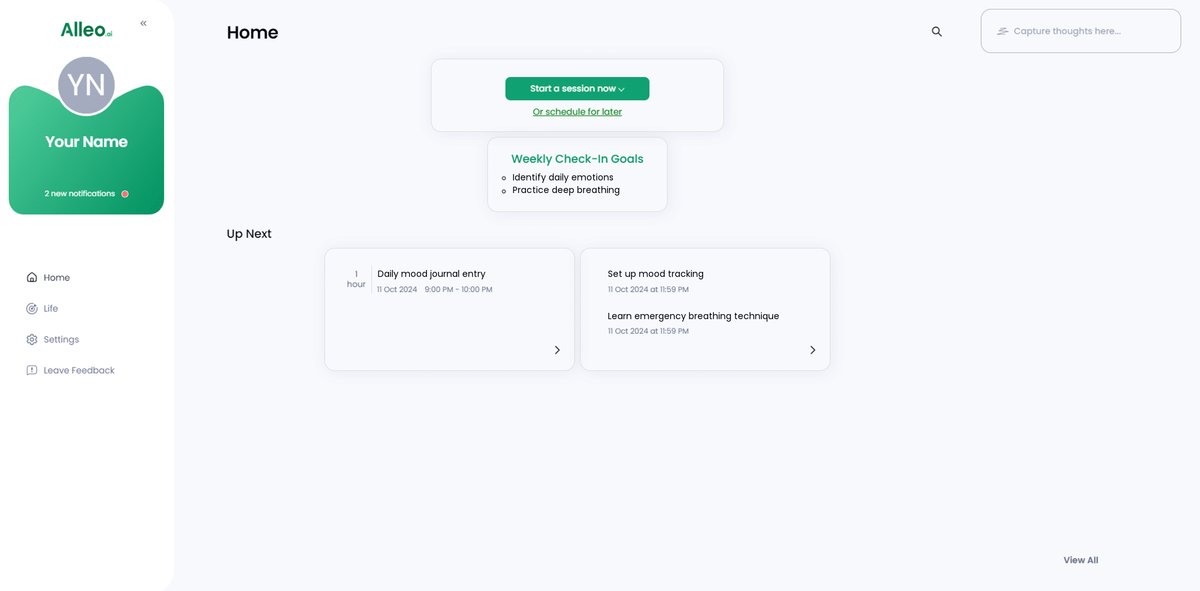
After your coaching session, check the app’s home page to review and manage the goals you discussed, helping you stay on track with your emotional resilience journey.
Step 6: Adding events to your calendar or app
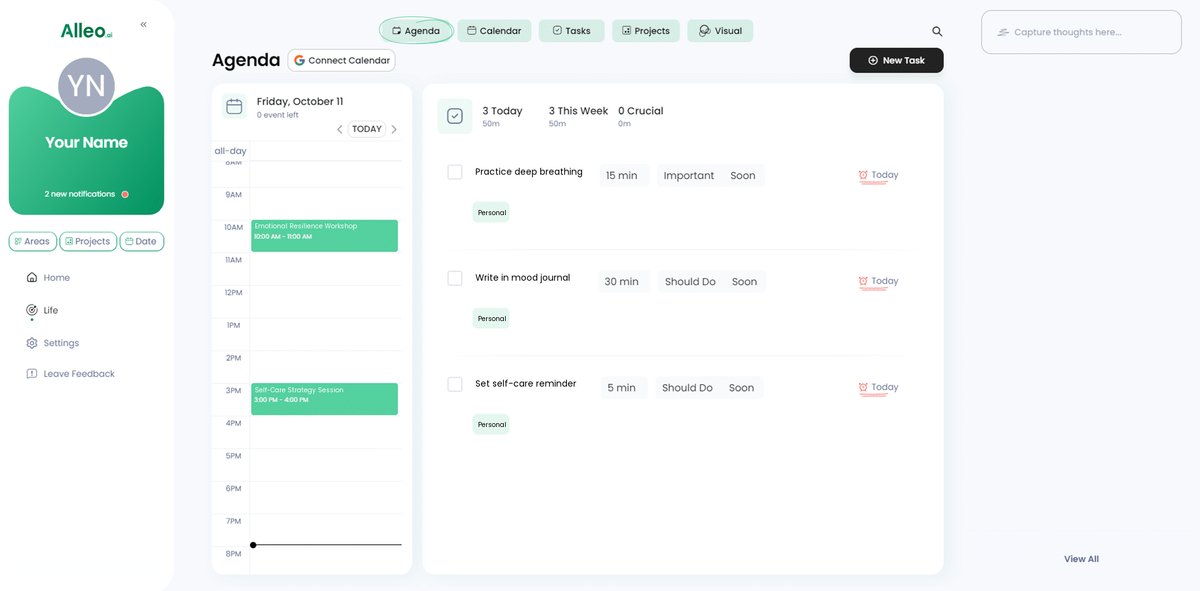
Use the calendar and task features in the Alleo app to schedule and track your progress on managing emotional triggers, such as setting reminders for deep breathing exercises or logging your mood journal entries.
Embrace Emotional Resilience with Confidence
Navigating the emotional landscape of healthcare is challenging, but you’re not alone in managing emotional triggers in healthcare.
By identifying and naming your emotions, practicing deep breathing, maintaining a mood journal, and establishing self-care techniques for doctors, you can regain control and improve emotional regulation in healthcare.
Remember, small, consistent actions lead to significant improvements in stress management for medical professionals.
I’ve seen many healthcare professionals transform their emotional resilience using these coping mechanisms for nurses.
You can too, by developing emotional intelligence in medical settings.
Consider partnering with Alleo for personalized coaching support in burnout prevention in healthcare.
Our AI coach is here to help you navigate your emotional challenges and enhance workplace wellness for hospital staff.
Ready to take the first step in dealing with difficult patients?
Try Alleo for free and start your journey toward emotional resilience and mindfulness practices for healthcare workers today.