4 Essential Tips for New Parents: Improve Your Baby’s Nap Schedule and Routine
Are you struggling to improve your baby’s nap schedule and get your little one to nap for longer periods?
As a life coach, I’ve helped many new parents navigate the challenges of establishing consistent nap routines and overcoming baby sleep challenges. I understand the frustration of short naps disrupting your day and affecting your baby’s mood.
In this article, you’ll learn specific strategies to improve your baby’s nap schedule, including:
- Setting wake windows for newborn sleep schedules
- Creating a pre-nap routine and establishing bedtime habits
- Optimizing the sleep environment and creating a sleep-friendly environment
Let’s dive into these daytime napping tips for infants.

Understanding the Challenges of Establishing a Nap Schedule
Many new parents struggle to improve baby nap schedules and establish a consistent eat-play-sleep routine for their baby. It’s common to feel frustrated when your baby naps for shorter periods than expected, such as 30 minutes instead of 2 hours.
This inconsistency can disrupt your entire day and impact your infant nap time routine.
Short naps often lead to a cranky baby, affecting their mood and development. Additionally, irregular naps can throw off feeding times and evening routines, making it difficult to establish bedtime habits.
I’ve seen several clients initially overwhelmed by these disruptions when trying to create a newborn sleep schedule.
An inconsistent nap schedule can impact your well-being too. It’s challenging to plan your day or get any rest when your baby’s nap times are unpredictable, which is why recognizing sleep cues for babies is crucial.
This lack of routine can cause significant stress and exhaustion for parents, highlighting the importance of overcoming baby sleep challenges and working towards a consistent nap schedule.
Effective Strategies to Improve Baby’s Nap Schedule
Overcoming this challenge to improve your baby’s nap schedule requires a few key steps. Here are the main areas to focus on to make progress with your infant’s sleep schedule:
- Establish Consistent Wake Windows for Naps: Monitor and adjust your baby’s awake times to find the optimal window, a crucial aspect of baby sleep training.
- Create a Soothing Pre-Nap Routine: Develop calming activities to signal naptime, like reading or gentle rocking, establishing bedtime habits that work for daytime napping.
- Optimize Sleep Environment for Longer Naps: Ensure a dark, quiet space with comfortable bedding and appropriate room temperature, creating a sleep-friendly environment for your infant.
- Gradually Extend Nap Duration with Settling: Use gentle settling techniques to encourage longer naps, helping overcome baby sleep challenges.
Let’s dive in to these strategies for improving your baby’s nap schedule!
1: Establish consistent wake windows for naps
Establishing consistent wake windows for naps is crucial for creating a reliable nap routine and can significantly improve your baby’s nap schedule.
Actionable Steps:
- Track and record wake windows: Use a journal or app to monitor your baby’s awake times to identify patterns and establish a newborn sleep schedule.
- Adjust wake windows gradually: If your baby is consistently napping for shorter periods, try extending their wake time by 10-15 minutes to find the optimal window for infant nap time routine.
- Consistency is key: Stick to the identified wake windows daily to help your baby’s internal clock adjust and overcome baby sleep challenges.
Explanation: Keeping consistent wake windows helps regulate your baby’s internal clock and improves nap durations as part of effective baby sleep training.
By tracking and adjusting these windows, you can find the optimal times for naps. According to Huckleberry Care, this method can significantly enhance sleep quality for babies and is crucial in establishing bedtime habits.
Key benefits of consistent wake windows include:
- Improved sleep quality
- More predictable nap schedule
- Reduced fussiness during awake times
Consistent wake windows set a solid foundation for other nap schedule improvements and provide consistent nap schedule benefits.
2: Create a soothing pre-nap routine
Creating a soothing pre-nap routine is essential for signaling to your baby that it’s time to rest and can significantly improve your baby nap schedule.
Actionable Steps:
- Establish a pre-nap ritual: Include calming activities like reading a book, singing a lullaby, or gentle rocking before each nap as part of your infant nap time routine.
- Use consistent sleep cues: Dim the lights, play white noise, and ensure the room is at a comfortable temperature to signal that it’s time to sleep, creating a sleep-friendly environment for your baby.
- Limit stimulation: Reduce activities that might excite your baby, such as screen time or active play, at least 30 minutes before nap time to help with baby sleep training.
Explanation: Creating a soothing pre-nap routine helps your baby transition from playtime to sleep time more smoothly. Calming activities and consistent sleep cues for babies signal that it’s time to rest, making it easier for your baby to settle down and improve their nap schedule.
According to Raising Children Network, these steps can significantly improve your baby’s sleep quality and duration.
By establishing these bedtime habits, you’ll create a more predictable and peaceful nap time for your baby, overcoming common baby sleep challenges.
3: Optimize sleep environment for longer naps
Creating an optimal sleep environment is crucial for helping your baby nap longer and more peacefully, which can significantly improve your baby nap schedule.
Actionable Steps:
- Create a dark and quiet space: Use blackout curtains and a white noise machine to make the room conducive to sleep, supporting your infant nap time routine.
- Ensure comfortable bedding and clothing: Choose appropriate sleepwear and bedding for the room temperature to keep your baby comfortable, an essential aspect of baby sleep training.
- Follow safe sleep practices: Use a firm mattress and keep the crib free of soft toys and loose blankets to ensure a safe sleep environment, crucial for a newborn sleep schedule.
Elements of an ideal sleep environment:
- Comfortable temperature (68-72°F)
- Low light or darkness
- Minimal noise disruptions
Explanation: Optimizing the sleep environment can significantly improve your baby’s nap duration and quality, helping to establish bedtime habits.
A dark, quiet room helps minimize distractions, while comfortable bedding ensures they stay at a suitable temperature. This approach is key to creating a sleep-friendly environment for your baby.
According to the Raising Children Network, following these steps can lead to better sleep habits for your baby, which is essential for improving your baby nap schedule.
With an optimized sleep environment, your baby is more likely to enjoy longer, more restful naps, overcoming common baby sleep challenges.

4: Gradually extend nap duration with settling
Gradually extending nap duration with settling helps your baby achieve longer, more restful naps and can significantly improve your baby’s nap schedule.
Actionable Steps:
- Practice gentle settling techniques: When your baby wakes early, try patting or shushing to encourage them to fall back asleep, which is crucial for baby sleep training.
- Increase nap duration slowly: If your baby wakes after 30 minutes, extend the nap by 5-10 minutes each day until the desired length is reached, helping to establish a consistent nap schedule.
- Use the “crib hour” method: Keep your baby in the crib for a full hour, even if they wake up early, to help them learn to settle back to sleep and improve their infant nap time routine.
Explanation: Gradually extending nap duration is crucial for better sleep habits and can help overcome baby sleep challenges. These steps help your baby adjust to longer naps, improving overall rest and contributing to a newborn sleep schedule.
According to the Raising Children Network, gentle settling techniques can significantly enhance nap quality and help in establishing bedtime habits.
Signs your baby is ready for longer naps:
- Consistently waking after short naps
- Increased fussiness between naps
- Difficulty staying awake until bedtime
Consistency is key to helping your baby adapt to longer nap durations and improve their nap schedule.
Partner with Alleo to Improve Your Baby’s Nap Routine
We’ve explored the challenges of establishing a consistent nap schedule and how to address them. Did you know Alleo can make this journey to improve your baby’s nap schedule easier?
With Alleo, you can set up an account and create a personalized plan for baby sleep training. You’ll receive AI coaching tailored to your baby’s needs, helping you establish an effective infant nap time routine.
The coach will help you track progress, make adjustments to your newborn sleep schedule, and stay consistent with establishing bedtime habits.
Daily reminders and tips keep you on track with recognizing sleep cues for babies and creating a sleep-friendly environment. Alleo ensures you’re accountable with text and push notifications, supporting you in overcoming baby sleep challenges.
Ready to get started for free and experience the benefits of a consistent nap schedule? Let me show you how!
Step 1: Log in or Create Your Account
To start improving your baby’s nap routine with AI coaching, log in to your existing Alleo account or create a new one in just a few clicks.

Step 2: Choose “Building better habits and routines”
Select “Building better habits and routines” as your goal to focus on establishing consistent nap schedules and pre-nap routines, which are crucial for improving your baby’s sleep quality and duration.

Step 3: Select “Personal” as Your Focus Area
Choose “Personal” as your focus area in Alleo to access specialized guidance on improving your baby’s nap routine, helping you establish consistent sleep patterns and reduce parental stress.

Step 4: Starting a Coaching Session
Begin your journey with Alleo by initiating an intake session, where you’ll discuss your baby’s current nap routine and set up a personalized plan to improve sleep habits moving forward.

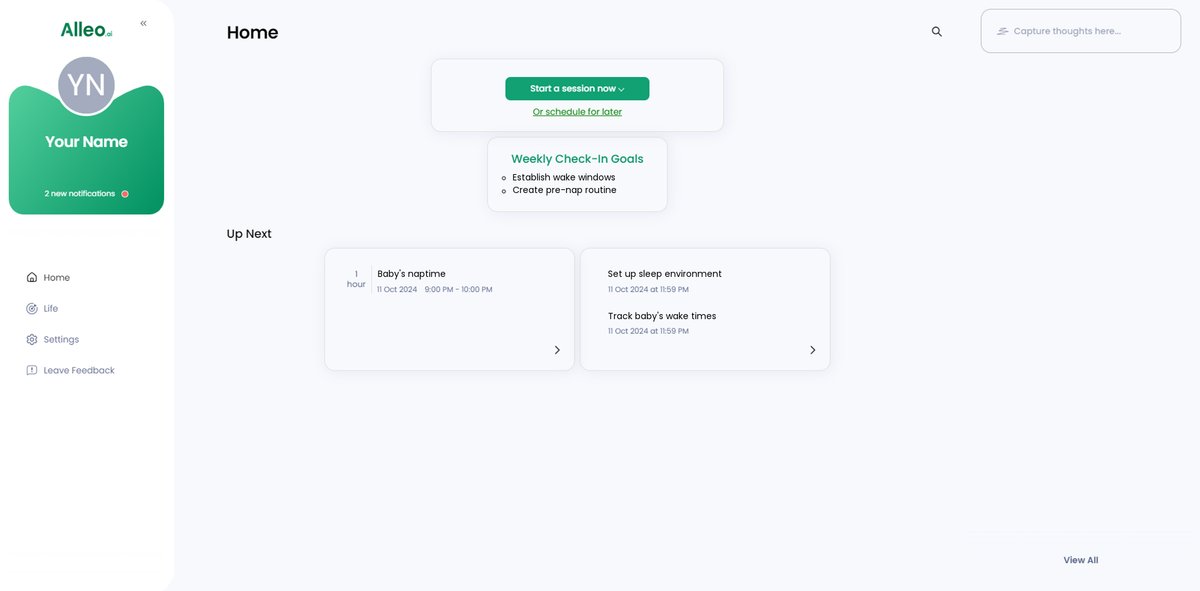
Step 5: Viewing and managing goals after the session
After your coaching session, check the Alleo app’s home page to view and manage the nap routine goals you discussed, allowing you to easily track your progress in improving your baby’s sleep schedule.
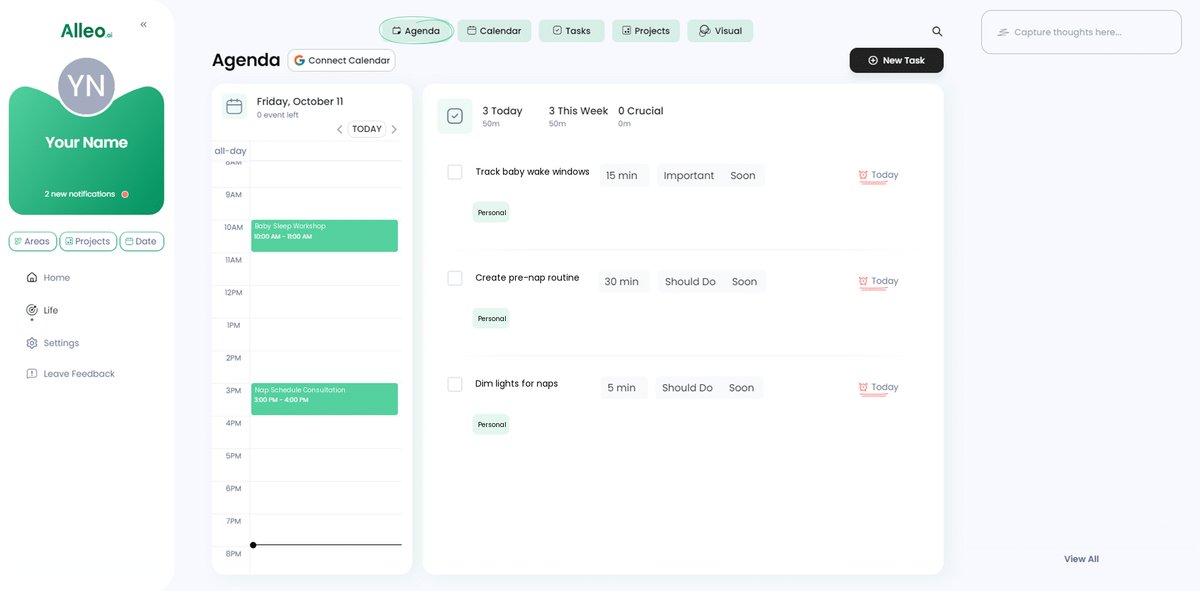
Step 6: Adding events to your calendar or app
Use the Alleo app’s calendar feature to schedule and track your baby’s nap times, pre-nap routines, and wake windows, helping you monitor your progress in establishing a consistent nap schedule and allowing you to easily adjust your approach as needed.
Bringing It All Together for Better Naps
You’ve learned actionable steps to improve your baby’s nap schedule. From setting wake windows to creating a soothing pre-nap routine, these strategies aim to enhance your infant’s nap time routine and overall sleep training.
Remember, consistency is key when establishing bedtime habits. Small changes can lead to big improvements in your newborn’s sleep schedule.
As a life coach, I’ve seen these methods work wonders for overcoming baby sleep challenges. You can do this and create a consistent nap schedule for your little one.
To make the process easier, consider using Alleo. It offers AI coaching and personalized plans to help you stay on track with your baby’s daytime napping and sleep cues.
Try Alleo for free today and start seeing positive changes in your baby’s nap routine. You’ve got this, and soon you’ll be reaping the benefits of a consistent nap schedule!