5 Essential Strategies for Virtual Leaders to Manage Power Dynamics in Remote Teams
Are you struggling to manage remote team power dynamics and ego-driven decision-making in your virtual team?
As a life coach, I’ve helped many professionals navigate these challenges in remote team management. In my experience, addressing power imbalances is crucial for effective problem-solving and virtual leadership skills.
In this article, you’ll discover five proven strategies to manage power dynamics in remote teams. We’ll cover clear digital communication strategies, inclusive decision-making, accountability systems, cross-cultural awareness, and regular check-ins for remote employee engagement.
Let’s dive into managing remote team power dynamics.

Understanding the Impact of Power Dynamics in Remote Teams
Managing remote team power dynamics can significantly hinder collaboration and problem-solving in virtual environments. Many clients initially struggle with the subtle ways these dynamics manifest in distributed workforce leadership.
For example, dominant voices often overshadow quieter team members in online team collaboration, leading to frustration and disengagement.
Remote workers face unique challenges in virtual settings. Without face-to-face interactions, non-verbal cues are lost, making it harder to gauge team sentiment and implement effective digital communication strategies.
This can exacerbate misunderstandings and reinforce power imbalances in remote work.
In my experience, addressing these issues is crucial for remote team management. When left unchecked, power imbalances can erode trust and stifle innovation.
The key is to implement strategies that foster inclusivity and equitable participation, focusing on virtual team building and remote employee engagement.
By focusing on clear communication and inclusive practices, you can create a more balanced and effective team dynamic, enhancing your virtual leadership skills and remote conflict resolution abilities.

Roadmap to Managing Power Dynamics in Remote Teams
Overcoming this challenge in managing remote team power dynamics requires a few key steps. Here are the main areas to focus on to make progress in remote team management:
- Establish clear virtual communication guidelines: Develop a comprehensive digital communication strategy and use collaborative tools for online team collaboration.
- Implement inclusive decision-making processes: Encourage diverse perspectives and conduct regular surveys to address power dynamics in remote work.
- Create accountability systems with mutual input: Set clear, measurable goals and implement peer review processes to enhance distributed workforce leadership.
- Foster cross-cultural awareness through training: Organize cultural awareness sessions and provide continuous learning resources to improve virtual leadership skills.
- Schedule regular one-on-one check-ins with team: Establish a consistent schedule and use structured agendas to boost remote employee engagement.
Let’s dive into these strategies for managing remote team power dynamics!
1: Establish clear virtual communication guidelines
Clear communication is the backbone of any successful virtual team and essential for managing remote team power dynamics.
Actionable Steps:
- Develop and distribute a comprehensive communication policy. Make sure all team members know the preferred digital communication strategies, such as Slack and Zoom, and understand response time expectations for effective remote team management.
- Conduct a virtual communication workshop. Focus on effective virtual meeting etiquette, active listening, and encourage team members to share their communication preferences, enhancing virtual leadership skills.
- Utilize collaborative project management tools. Implement tools like Trello or Asana to track progress and maintain transparency, promoting online team collaboration.
Explanation:
Establishing clear virtual communication guidelines ensures that everyone is on the same page, reducing misunderstandings and fostering a collaborative environment in remote work.
According to a study on virtual communication, strong leadership skills are essential for effective team collaboration.
By setting these guidelines, you create a structured framework that supports your team’s goals and enhances productivity in a distributed workforce.
Key benefits of clear communication guidelines:
- Reduces misunderstandings and conflicts, aiding in remote conflict resolution
- Increases team efficiency and productivity
- Fosters a sense of unity and collaboration, crucial for virtual team building
Effective communication is crucial to managing power dynamics in remote teams, as it helps everyone feel heard and valued, promoting remote employee engagement.
2: Implement inclusive decision-making processes
Inclusive decision-making processes are essential to ensure every team member’s voice is heard when managing remote team power dynamics.
Actionable Steps:
- Encourage diverse perspectives in decision-making. Rotate leadership roles and use brainstorming sessions to gather input from all team members, fostering virtual team building.
- Conduct regular team surveys. Gather feedback on decision-making processes and identify areas for improvement using anonymous surveys to ensure honest responses, enhancing remote employee engagement.
- Establish a decision-making framework. Create a structured process that includes input from all stakeholders and clearly document decisions, improving distributed workforce leadership.
Explanation:
Inclusive decision-making fosters a sense of ownership and equity among team members, enhancing online team collaboration and addressing power dynamics in remote work.
According to Michael Watkins, balancing efficiency with respect for different cultural approaches is crucial for effective remote team management.
By implementing these steps, you create a culture where diverse perspectives are valued, leading to more innovative solutions and a cohesive team dynamic, which is essential for managing remote team power dynamics.
Ready to dive into the next strategy?
Let’s explore creating accountability systems with mutual input to further enhance virtual leadership skills.

3: Create accountability systems with mutual input
Creating accountability systems with mutual input is essential for managing remote team power dynamics and maintaining a balanced and productive virtual team.
Actionable Steps:
- Set clear, measurable goals for each team member. Use SMART criteria to define goals that are Specific, Measurable, Achievable, Relevant, and Time-bound, enhancing remote employee engagement.
- Implement peer review processes. Encourage team members to provide feedback on each other’s work using structured feedback forms, fostering online team collaboration.
- Hold regular team accountability meetings. Review progress towards goals, celebrate achievements, and address areas for improvement, which is crucial for distributed workforce leadership.
Explanation:
Establishing accountability systems with mutual input helps ensure that all team members are aligned with the team’s objectives. This approach fosters a sense of responsibility and ownership among team members, addressing power dynamics in remote work.
According to a study on building high-performing teams, structured accountability processes are crucial for long-term success. By incorporating these steps, you enhance transparency and trust within your virtual team, improving remote team management.
These systems will empower your team to work collaboratively towards shared goals, supporting virtual team building and effective digital communication strategies.
4: Foster cross-cultural awareness through training
Fostering cross-cultural awareness is crucial for creating an inclusive and collaborative remote team environment, especially when managing remote team power dynamics.
Actionable Steps:
- Organize cultural awareness training sessions. Focus on understanding different cultural norms and communication styles through role-playing exercises, enhancing virtual leadership skills.
- Encourage team members to share their cultural backgrounds. Create opportunities for presentations about their cultures during team meetings and celebrate cultural diversity with virtual team building activities.
- Provide resources for continuous learning. Offer access to online courses and webinars on cross-cultural communication and digital communication strategies, and share relevant articles and books.
Explanation:
These steps are vital for promoting mutual respect and understanding within your team. Cultural awareness training helps team members appreciate diverse perspectives, enhancing collaboration and innovation in remote team management.
According to Michael Watkins, leaders must balance directness and indirectness based on their team’s cultural composition. By implementing these strategies, you foster a more cohesive and productive team dynamic, addressing power dynamics in remote work.
Benefits of cross-cultural awareness:
- Enhanced team communication and online team collaboration
- Reduced misunderstandings and conflicts, improving remote conflict resolution
- Increased innovation through diverse perspectives in distributed workforce leadership
Implementing cultural awareness can transform your virtual team environment and improve remote employee engagement.

5: Schedule regular one-on-one check-ins with team
Regular one-on-one check-ins are vital for managing remote team power dynamics and addressing individual concerns in virtual teams.
Actionable Steps:
- Establish a consistent schedule for one-on-one meetings. Ensure each team member has dedicated time with you to discuss their progress and concerns, fostering remote employee engagement.
- Use a structured agenda for check-ins. Include topics like goal progress, challenges faced, and any support needed. Allow time for open-ended questions and personal development discussions to enhance virtual leadership skills.
- Follow up on action items. Document key takeaways and action items from each meeting. Ensure follow-up on any commitments made during the check-in to strengthen online team collaboration.
Explanation:
Scheduling regular one-on-one check-ins helps maintain open communication channels and provides personalized support. This approach fosters a sense of accountability and trust within the distributed workforce, addressing power dynamics in remote work.
According to a study on building high-performing teams, structured check-ins are essential for long-term success. By incorporating these steps, you create a supportive environment that encourages continuous improvement and collaboration in remote team management.
Key elements of effective one-on-one check-ins:
- Active listening and empathy
- Goal-setting and progress review
- Addressing concerns and providing support through digital communication strategies
Regular check-ins will help your team stay aligned and motivated, ensuring everyone’s voice is heard and valued, which is crucial for managing remote team power dynamics effectively.

Partner with Alleo on Your Virtual Leadership Journey
We’ve explored the challenges of managing remote team power dynamics and how solving them can benefit your team. Did you know you can work directly with Alleo to make this journey easier and faster for enhancing your virtual leadership skills?
Creating an account with Alleo is simple. Start by signing up and creating a personalized plan tailored to your remote team management needs.
Alleo’s AI coach will guide you through setting clear digital communication strategies, inclusive decision-making, and more to improve online team collaboration.
Alleo will follow up on your progress in managing remote team power dynamics, handle changes, and keep you accountable via text and push notifications, supporting your distributed workforce leadership.
Ready to get started for free and enhance your remote employee engagement? Let me show you how!
Step 1: Log In or Create Your Account
Log in to your existing Alleo account or create a new one to start your journey towards better managing power dynamics in your remote team.

Step 2: Choose Your Focus Area
Select “Setting and achieving personal or professional goals” to address power dynamics in your remote team. This focus area will help you develop clear objectives and strategies to foster inclusive leadership and effective collaboration, directly tackling the challenges discussed in the article.

Step 3: Select “Career” as Your Focus Area
Choose “Career” as your focus area to address power dynamics in your virtual team, aligning with the strategies discussed for effective remote leadership and collaboration.

Step 4: Starting a coaching session
Begin your AI coaching journey with an intake session to set up your personalized plan for managing power dynamics in your virtual team, aligning with the strategies discussed in the article.

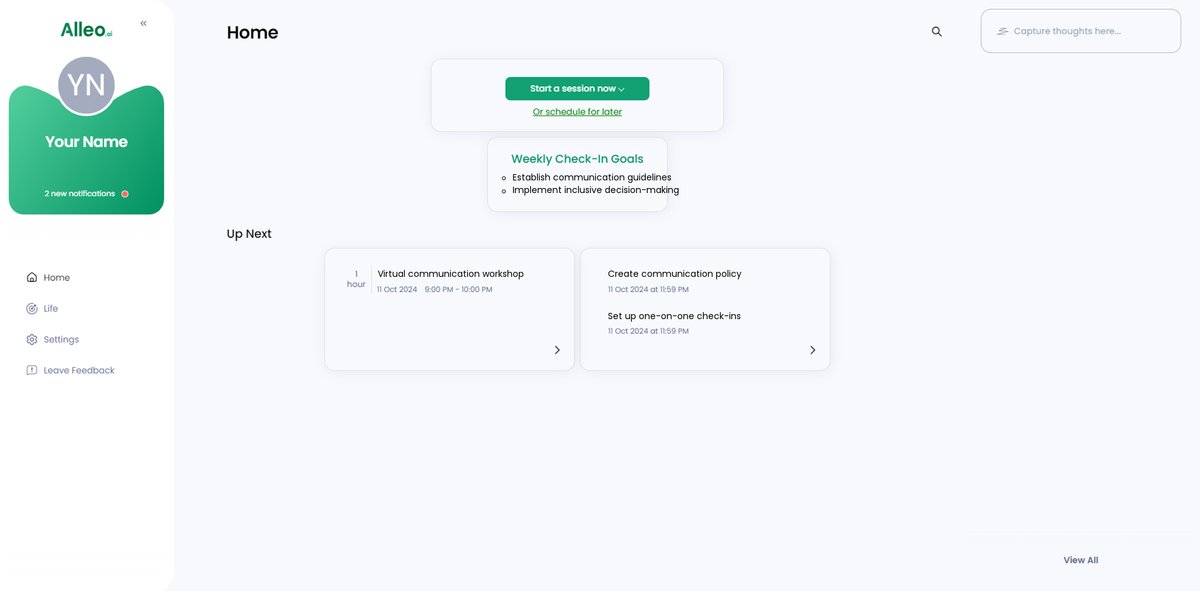
Step 5: Viewing and managing goals after the session
After your coaching session, check the Alleo app’s home page to review and manage the goals you discussed, ensuring you stay on track with your plan to improve virtual team dynamics and leadership skills.
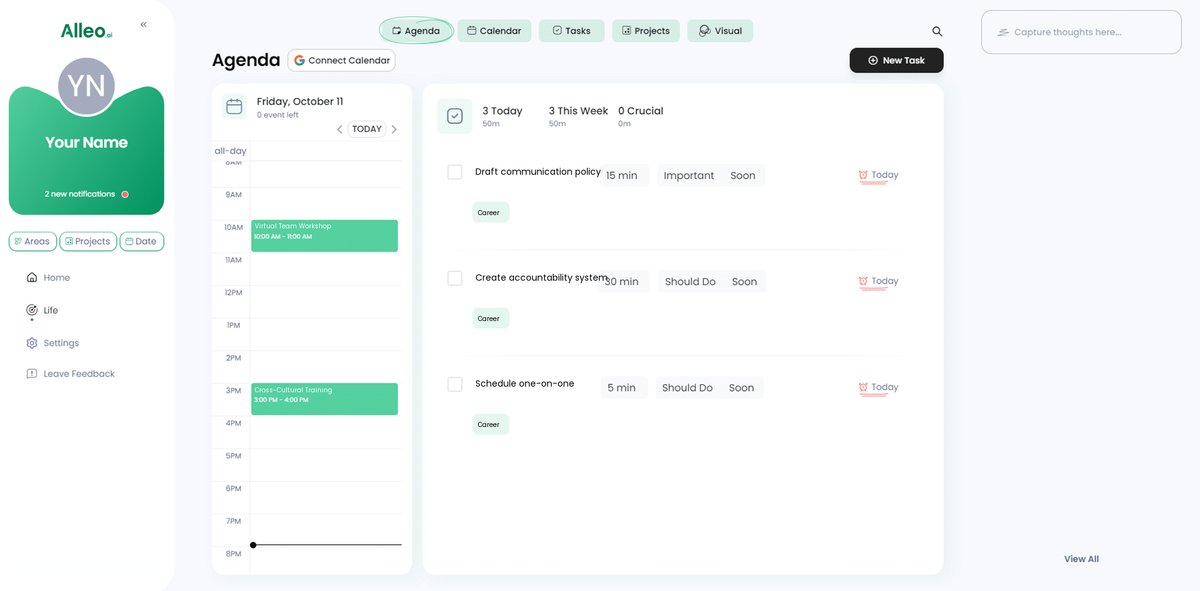
Step 6: Adding events to your calendar or app
Use Alleo’s calendar and task features to schedule and track your progress on implementing strategies for managing power dynamics in your remote team, ensuring you stay accountable to your goals.
Bringing It All Together: Empowering Your Virtual Team
By implementing these strategies, you can transform power dynamics in your remote team and enhance your virtual leadership skills.
Empower your team with clear digital communication strategies, inclusive decision-making, and accountability systems for effective remote team management.
Foster cross-cultural awareness and schedule regular one-on-one check-ins to build trust, improving remote employee engagement.
I know firsthand how challenging managing remote team power dynamics can be, but you have the tools to make a difference in your distributed workforce leadership.
Remember, you don’t have to do it alone. Alleo can support you with personalized plans and AI-driven guidance for online team collaboration and remote conflict resolution.
Sign up for Alleo today and take the first step toward a more inclusive and effective virtual team, enhancing your digital authority and influence.
You’ve got this!