5 Essential Ways Managers Can Evaluate Strategic Alternatives for Product Lines
Are you struggling with evaluating product line strategies for your business?
As a life coach, I’ve helped many professionals navigate these challenges in strategic decision-making for product lines. I often encounter executives who face difficulties in making strategic decisions about their product portfolio.
In this article, you’ll discover structured strategies for evaluating product line strategies like SWOT analysis, BCG Matrix, and financial metrics. These product portfolio analysis techniques will help you make data-driven decisions for your product lines.
Let’s dive in to explore these tools for product lifecycle management strategies and competitive advantage assessment.

The Complexity of Strategic Decision-Making
Strategic decision-making is tough. Many corporate executives find it challenging to evaluate multiple strategic alternatives when evaluating product line strategies.
This can lead to analysis paralysis.
Executives often struggle to identify viable options for introducing new products, modifying existing ones, or eliminating underperforming lines. Poor strategic decision-making for product lines can significantly harm business performance.
Imagine the stress of making a wrong move and seeing profits decline.
In my experience, several clients report difficulty balancing short-term gains with long-term goals when conducting product portfolio analysis. They feel overwhelmed by the multitude of data and options.
This complexity requires a systematic, data-driven approach to navigate effectively, including market segmentation and product strategy techniques.
You must tackle this head-on.

A Strategic Roadmap for Evaluating Product Line Alternatives
Overcoming this challenge requires a few key steps. Here are the main areas to focus on when evaluating product line strategies to make progress.
- Conduct SWOT Analysis for Each Product Line: Identify strengths, weaknesses, opportunities, and threats for effective product line evaluation.
- Use BCG Matrix to Assess Portfolio Performance: Classify and strategize based on market share and growth, enhancing your product portfolio analysis techniques.
- Evaluate Market Trends and Customer Feedback: Gather insights to inform strategic decision-making for product lines and improve market segmentation and product strategy.
- Analyze Financial Metrics like ROI and Cash Flow: Assess financial implications of each alternative, utilizing key financial metrics for evaluating product performance.
- Apply GE Matrix for Strategic Decision-Making: Evaluate competitive strength and market attractiveness to gain a competitive advantage assessment for product lines.
Let’s dive in to these product lifecycle management strategies!
1: Conduct SWOT analysis for each product line
Conducting a SWOT analysis for each product line is crucial for evaluating product line strategies, identifying internal strengths and weaknesses, and external opportunities and threats.
Actionable Steps:
- Organize team workshops: Gather cross-functional teams to brainstorm and document internal strengths and weaknesses for strategic decision-making for product lines.
- Leverage customer feedback: Use surveys and focus groups to gather insights on external opportunities and threats, aiding in market segmentation and product strategy.
- Analyze competitive landscape: Conduct market research to understand potential threats and opportunities in the industry, supporting competitive advantage assessment for product lines.
Explanation: These steps matter because they provide a comprehensive view of your product line’s position in the market. This analysis helps in making informed strategic decisions for evaluating product line strategies.
According to Pepperdine Graziadio Business School, integrating SWOT analysis with additional strategic tools offers a more holistic perspective for product portfolio analysis techniques.
Key benefits of a thorough SWOT analysis for product line evaluation include:
- Improved decision-making for product lifecycle management strategies
- Better resource allocation based on financial metrics for evaluating product performance
- Enhanced competitive positioning through customer demand forecasting for product lines
By following these steps, you will be better equipped to make strategic decisions that align with your company’s goals, market conditions, and support innovation and product line expansion while conducting risk assessment in product line strategy.

2: Use BCG Matrix to assess portfolio performance
Using the BCG Matrix helps you evaluate your product portfolio’s performance based on market share and growth rate, which is crucial for evaluating product line strategies.
Actionable Steps:
- Classify products: Gather data on market share and growth rates. Categorize products into Stars, Cash Cows, Question Marks, or Dogs, supporting strategic decision-making for product lines.
- Develop strategies: Based on classifications, decide to invest in Stars, maintain Cash Cows, and evaluate the future of Question Marks and Dogs, enhancing your product portfolio analysis techniques.
Explanation: These steps provide a clear framework for resource allocation. By categorizing products, you can make informed decisions to optimize your portfolio and improve product lifecycle management strategies.
This method aligns with the BCG Matrix approach, which is crucial for maximizing growth and profitability in your product line strategy.
Effective use of the BCG Matrix streamlines decision-making, ensuring that your resources are directed toward the most promising opportunities when evaluating product line strategies.

3: Evaluate market trends and customer feedback
Evaluating market trends and customer feedback is vital for making informed strategic decisions when evaluating product line strategies.
Actionable Steps:
- Conduct customer surveys: Use online surveys and focus groups to gather direct customer insights for product portfolio analysis. Analyze this feedback for trends and patterns in market segmentation and product strategy.
- Monitor industry trends: Subscribe to industry reports and use market analysis tools for evaluating product line strategies. Participate in industry conferences to stay updated on competitor actions and assess competitive advantage for product lines.
Explanation: These steps help you understand your market position and customer needs. By staying informed, you can make strategic decisions for product lines that align with current trends and support product lifecycle management strategies.
According to Coursera, feedback and market analysis are essential for effective product marketing strategies and evaluating product line performance.
Key sources for gathering market insights and conducting SWOT analysis for product line evaluation:
- Social media listening tools for customer demand forecasting
- Industry publications and reports on innovation and product line expansion
- Customer support interactions for risk assessment in product line strategy
Connecting with your customers and industry trends gives you a competitive edge in strategic decision-making for product lines.

4: Analyze financial metrics like ROI and cash flow
Analyzing financial metrics like ROI and cash flow is essential for evaluating product line strategies and making informed strategic decisions about product lines.
Actionable Steps:
- Calculate ROI for each product line: Review historical financial performance and forecast future returns. Use financial software to automate ROI calculations as part of your product portfolio analysis techniques.
- Conduct cash flow analysis: Analyze the cash flow implications of each strategic alternative. Prioritize options that show positive cash flow impacts, which is crucial for product lifecycle management strategies.
- Review financial projections: Develop detailed financial projections to assess the long-term viability of each strategic option. Use these projections to guide decision-making and evaluate product line strategies.
Explanation: These steps matter because they enable you to make data-driven decisions that align with your financial goals and market conditions when evaluating product line strategies.
According to LinkedIn Pulse, understanding the financial impact of each alternative is crucial for sustainable growth.
By prioritizing options with strong financial metrics, you can enhance profitability and ensure long-term success in your product line strategy.
By focusing on these financial metrics for evaluating product performance, you will better understand which strategic alternatives are most viable and profitable for your product lines.

5: Apply GE Matrix for strategic decision-making
Applying the GE Matrix is crucial for evaluating product line strategies and making informed strategic decisions by assessing competitive strength and market attractiveness.
Actionable Steps:
- Assess competitive strength: Use quantitative and qualitative data to evaluate each product line’s competitive strength. This includes market position, brand strength, and operational capabilities, which are key aspects of competitive advantage assessment for product lines.
- Evaluate market attractiveness: Analyze industry growth potential and market size. Consider factors like market trends, demand forecast, and regulatory environment, which are essential for market segmentation and product strategy.
- Develop strategic plans: Based on the GE Matrix zones, create action plans for Invest/Grow, Selectivity/Earnings, and Harvest/Divest. Allocate resources accordingly, incorporating product lifecycle management strategies.
Explanation: These steps ensure a comprehensive evaluation of your product line strategies, aligning strategic actions with market conditions and competitive strengths.
According to the Cascade Strategy Blog, the GE Matrix helps businesses prioritize investments and divestments, enhancing overall portfolio performance.
Benefits of using the GE Matrix:
- Balanced portfolio management
- Optimized resource allocation
- Improved strategic focus
Incorporating the GE Matrix into your strategic planning will help you make data-driven decisions, optimizing resource allocation and maximizing growth potential for your product lines.
Partner with Alleo for Strategic Excellence
We’ve explored the challenges of evaluating product line strategies for your business. But did you know you can work directly with Alleo to make this journey of strategic decision-making for product lines easier and faster?
With Alleo, setting up an account is simple. Create a personalized plan tailored to your strategic needs, including product portfolio analysis techniques and market segmentation and product strategy.
Alleo’s AI coach will guide you through every step of evaluating product line strategies, providing actionable insights and continuous support for your product lifecycle management strategies.
You’ll receive text and push notifications to keep you accountable. Alleo’s tools help streamline strategic workshops and feedback sessions, aiding in competitive advantage assessment for product lines.
Ready to get started for free? Let me show you how to begin evaluating product line strategies with Alleo!
Step 1: Log In or Create Your Account
To start evaluating your product line strategies with our AI coach, log in to your account or create a new one for personalized guidance through the strategic decision-making process.

Step 2: Choose Your Strategic Focus
Select the strategic area you want to improve, such as evaluating product lines or making data-driven decisions, to align your goals with the challenges discussed in the article and start your journey towards strategic excellence.
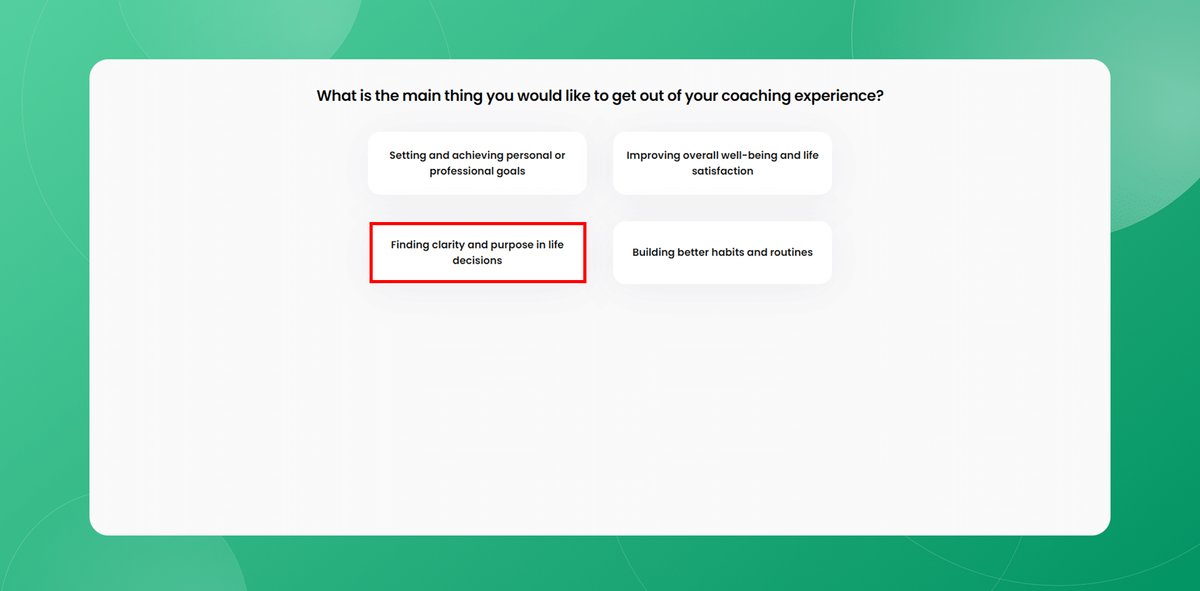
Step 3: Select “Career” as Your Focus Area
Choose “Career” as your primary focus area in the AI coach to align with your product line strategy goals. This selection will tailor the coach’s guidance to help you navigate complex business decisions, improve strategic thinking, and enhance your professional growth in evaluating product alternatives.

Step 4: Starting a Coaching Session
Begin your strategic journey with Alleo by scheduling an intake session to create a personalized plan for evaluating your product line alternatives.

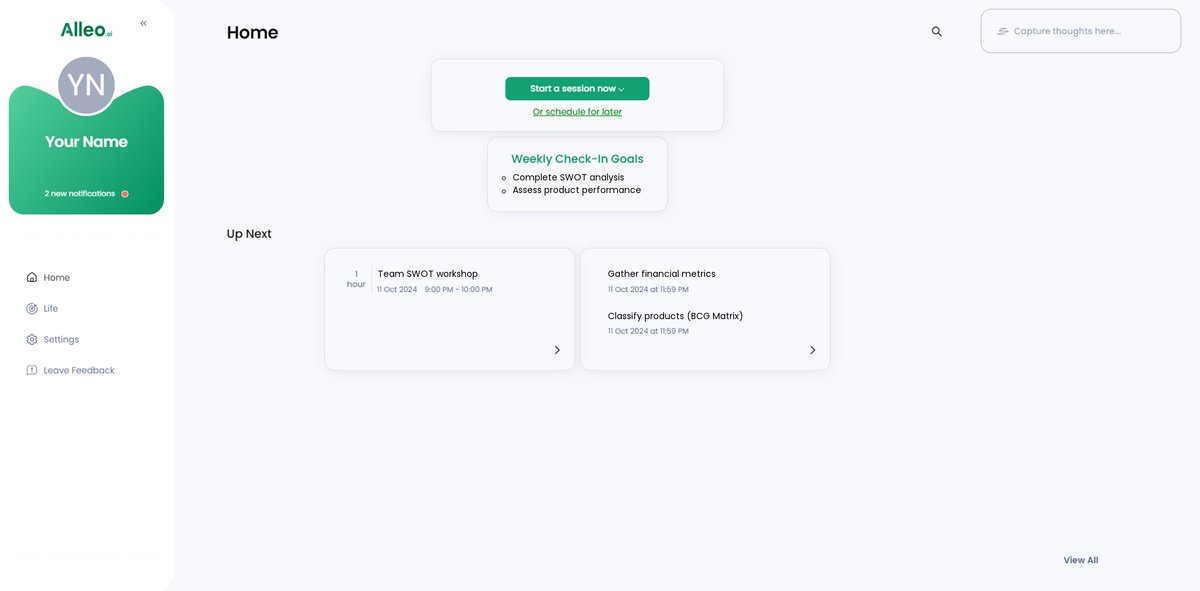
Step 5: Viewing and Managing Goals After the Session
After your strategic planning session, check the app’s home page to review and manage the product line goals you discussed with the AI coach, ensuring you stay on track with your data-driven decision-making process.
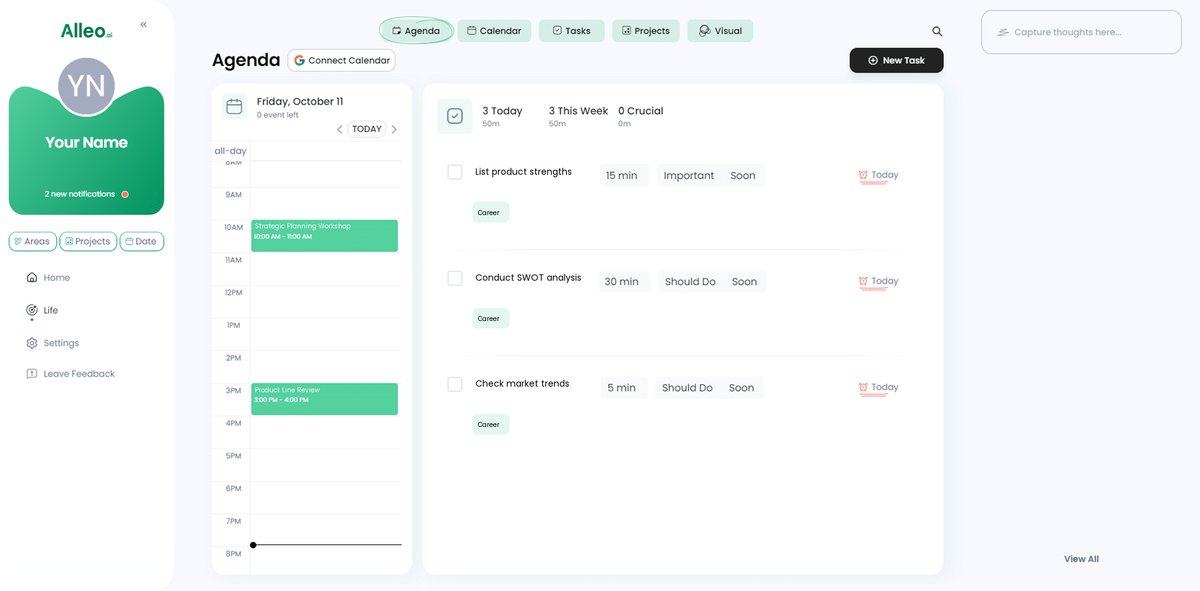
Step 6: Adding events to your calendar or app
Use Alleo’s calendar and task features to track your progress in evaluating strategic alternatives, ensuring you stay on schedule with your SWOT analyses, BCG Matrix assessments, and financial metric evaluations.
Wrapping Up Your Strategic Journey
You’re now equipped with powerful tools for evaluating product line strategies. This journey isn’t easy, but it’s worth it for effective strategic decision-making for product lines.
Remember, strategic decision-making is challenging but not impossible. By using SWOT analysis for product line evaluation, the BCG Matrix, market trends, financial metrics for evaluating product performance, and the GE Matrix, you can make informed choices in product portfolio analysis.
These methods ensure you stay ahead in competitive advantage assessment for product lines.
Take action today. Your business deserves the best product lifecycle management strategies.
Don’t forget, Alleo is here to help. Try it for free and streamline your product line strategy evaluation process.
Achieve strategic excellence in evaluating product line strategies. Your success starts now.