5 Essential Ways to Balance Self-Growth with Trauma Validation for Young Adults
Have you ever felt overwhelmed by the need to grow while being held back by past traumas? Balancing growth and trauma healing can be a challenging journey for many.
As a life coach, I’ve guided many individuals through this delicate balance. In my practice, I frequently see young adults struggle with acknowledging their progress while validating their past experiences. Personal development strategies and trauma-informed self-care are essential for young adult mental health.
In this article, you’ll discover actionable strategies to navigate this internal conflict. You’ll learn about self-compassion techniques, goal setting with trauma awareness, and seeking therapeutic support. These approaches can help in healing from past experiences and building resilience in young adults.
Let’s dive into mindfulness for trauma survivors and emotional regulation skills that can aid in balancing growth and trauma healing.

Understanding the Internal Conflict
Balancing growth and trauma healing can feel like a relentless tug-of-war. Many clients initially struggle with this, leading to self-doubt and anxiety in their personal development strategies.
This internal conflict often arises in situations like career progression or forming new relationships. You might find yourself questioning your progress or feeling guilty about moving forward, which is common in young adult mental health journeys.
These moments can be incredibly painful. The fear of not honoring your past can hold you back from achieving your goals, making trauma-informed self-care essential for healing from past experiences.
In my experience, this struggle can hinder your overall well-being. It’s crucial to address this conflict head-on, incorporating mindfulness for trauma survivors and emotional regulation skills in your approach to balancing growth and trauma healing.

A Roadmap to Balancing Self-Growth with Trauma Validation
Overcoming this challenge requires a few key actions. Here are the main areas to focus on to make progress in balancing growth and trauma healing:
- Practice self-compassion daily: Start each day with positive affirmations and self-compassion techniques for trauma-informed self-care.
- Validate trauma while acknowledging progress: Use journaling and a “Progress and Healing” chart to track personal development strategies.
- Set small, achievable growth goals: Identify specific, measurable, achievable, realistic, and time-bound goals, focusing on goal-setting with trauma awareness.
- Seek support from a trauma-informed therapist: Find and regularly meet with a specialized therapist to explore therapy options for trauma and growth.
- Use mindfulness to observe thoughts without judgment: Practice daily mindfulness for trauma survivors and breathing exercises to develop emotional regulation skills.
Let’s dive in to these strategies for balancing growth and trauma healing in young adult mental health!
1: Practice self-compassion daily
Practicing self-compassion is crucial for balancing growth and trauma healing in young adults.
Actionable Steps:
- Start each day with a positive affirmation. For example, say, “I am worthy of love and respect.” This is a key self-compassion technique.
- Engage in a trauma-informed self-care activity that brings you joy, like taking a walk or reading. Schedule this weekly.
- Reflect on your strengths and accomplishments each evening. Write down one thing you did well today, fostering personal development strategies.
Explanation:
These steps are vital because they help build self-worth and resilience, essential for managing past traumas and balancing growth and trauma healing.
According to Therapy Now, self-compassion can significantly improve emotional well-being and is crucial for young adult mental health.
Incorporating these practices into your daily routine can create a foundation for healing from past experiences and personal growth.
Key benefits of self-compassion include:
- Reduced anxiety and stress
- Improved emotional regulation skills
- Enhanced overall well-being and resilience in young adults
Taking these steps can pave the way for a balanced approach to personal growth and trauma healing, incorporating mindfulness for trauma survivors.

2: Validate trauma while acknowledging progress
Acknowledging your trauma while recognizing your personal growth is essential for balancing growth and trauma healing.
Actionable Steps:
- Journal daily: Write about past experiences and reflect on your progress for 10 minutes each day, focusing on personal development strategies.
- Create a “Progress and Healing” chart: List achievements and moments of growth alongside past traumas. Update it monthly to visualize your journey in trauma-informed self-care.
Explanation:
These steps matter because they help you honor your past and see your growth. Journaling and charting provide clarity and perspective, enhancing emotional regulation skills and building resilience in young adults.
According to People Bloom Counseling, acknowledging past experiences is crucial in the healing process. These practices can help you achieve a balanced approach to growth and trauma healing, incorporating mindfulness for trauma survivors.
These methods give you a concrete way to track your journey in balancing growth and trauma healing.
3: Set small, achievable growth goals
Setting small, achievable growth goals is essential for balancing growth and trauma healing while making consistent progress.
Actionable Steps:
- Identify one specific goal: Choose a goal that is both meaningful and realistic, such as reading one self-help book on trauma-informed self-care per month.
- Break it down into smaller tasks: Divide your goal into manageable steps, like reading one chapter on personal development strategies per week.
- Track your progress: Use a planner or digital tool to monitor your progress in building resilience in young adults. Review and adjust your goals weekly.
Explanation:
These steps matter because they make your growth journey more manageable and less overwhelming when healing from past experiences. Breaking down goals and tracking progress help maintain motivation and clarity in young adult mental health.
According to People Bloom Counseling, acknowledging and validating progress is crucial in the healing process. By setting small, achievable goals, you can create a balanced approach to growth and trauma validation, incorporating self-compassion techniques.
Effective goal-setting strategies for balancing growth and trauma healing include:
- Using the SMART criteria (Specific, Measurable, Achievable, Relevant, Time-bound)
- Regularly reviewing and adjusting goals with trauma awareness
- Celebrating small victories along the way, focusing on emotional regulation skills
These methods can help you stay focused and maintain momentum in your personal growth journey while exploring therapy options for trauma and growth.

4: Seek support from trauma-informed therapist
Connecting with a trauma-informed therapist is vital for balancing growth and trauma healing in young adults. This approach supports personal development strategies while validating past experiences.
Actionable Steps:
- Research therapists in your area: Look for professionals who specialize in trauma and offer trauma-informed self-care. Check online directories or ask for recommendations.
- Schedule an introductory session: Book a consultation to discuss your needs, including goal-setting with trauma awareness, and see if the therapist is a good fit.
- Commit to regular sessions: Aim for bi-weekly or monthly appointments to maintain consistent support and develop emotional regulation skills.
Explanation:
These steps matter because they ensure you receive expert guidance tailored to your needs. Regular therapy helps you process past traumas and develop coping strategies, contributing to building resilience in young adults.
According to People Bloom Counseling, therapy can significantly aid in managing trauma and fostering personal growth. Engaging with a trauma-informed therapist is a crucial component of your healing journey, offering mindfulness for trauma survivors and self-compassion techniques.
This approach provides a foundation for continuous support and growth, balancing growth and trauma healing effectively.

5: Use mindfulness to observe thoughts without judgment
Using mindfulness to observe thoughts without judgment is essential for balancing growth and trauma healing, especially in young adult mental health.
Actionable Steps:
- Practice daily mindfulness meditation: Set aside 10-15 minutes each day to focus on your breath and observe your thoughts without attachment, a key trauma-informed self-care technique.
- Incorporate mindful breathing exercises: Use deep breathing techniques throughout the day, especially during stressful moments, to stay grounded and present, enhancing emotional regulation skills.
Explanation:
These steps matter because they help you manage stress and maintain emotional balance. Mindfulness practices enhance self-awareness and reduce anxiety, supporting personal development strategies for trauma survivors.
According to Therapy Now, mindfulness can significantly improve emotional well-being. Incorporating these practices into your routine can support a balanced approach to healing from past experiences and personal growth.
Benefits of regular mindfulness practice:
- Reduced stress and anxiety
- Improved emotional regulation
- Enhanced self-awareness and clarity
Integrating mindfulness into your daily life fosters resilience and emotional stability, crucial for balancing growth and trauma healing in young adults.

Partner with Alleo on Your Healing Journey
We’ve explored balancing growth and trauma healing, including personal development strategies and trauma-informed self-care. But did you know you can work with Alleo to make this process easier and faster for young adult mental health?
With Alleo, setting up an account is simple. Start by creating a personalized plan tailored to your unique needs, focusing on healing from past experiences and self-compassion techniques.
Alleo’s AI coach provides affordable, tailored coaching support, including full coaching sessions just like a human coach. You’ll receive guidance on setting achievable goals and practicing mindfulness for trauma survivors.
The coach will follow up on your progress, handle changes, and keep you accountable with text and push notifications, supporting your goal-setting with trauma awareness and emotional regulation skills.
Ready to get started for free and begin building resilience in young adults? Let me show you how!
Step 1: Log In or Create Your Account
To begin your healing journey with Alleo’s AI coach, log in to your existing account or create a new one in just a few clicks, setting the foundation for personalized support in balancing self-growth and trauma validation.

Step 2: Choose “Improving overall well-being and life satisfaction”
Select “Improving overall well-being and life satisfaction” as your goal to address the balance between self-growth and trauma validation, aligning with the strategies discussed in the article for a more fulfilling life journey.

Step 3: Select “Personal” as Your Focus Area
Choose “Personal” as your focus area to address self-growth and trauma validation, aligning with the strategies discussed in the article for improving emotional well-being and fostering resilience.

Step 4: Starting a coaching session
Begin your journey with Alleo by scheduling an intake session, where you’ll discuss your goals related to balancing self-growth and trauma validation, allowing the AI coach to create a personalized plan tailored to your unique needs.

Step 5: Viewing and managing goals after the session
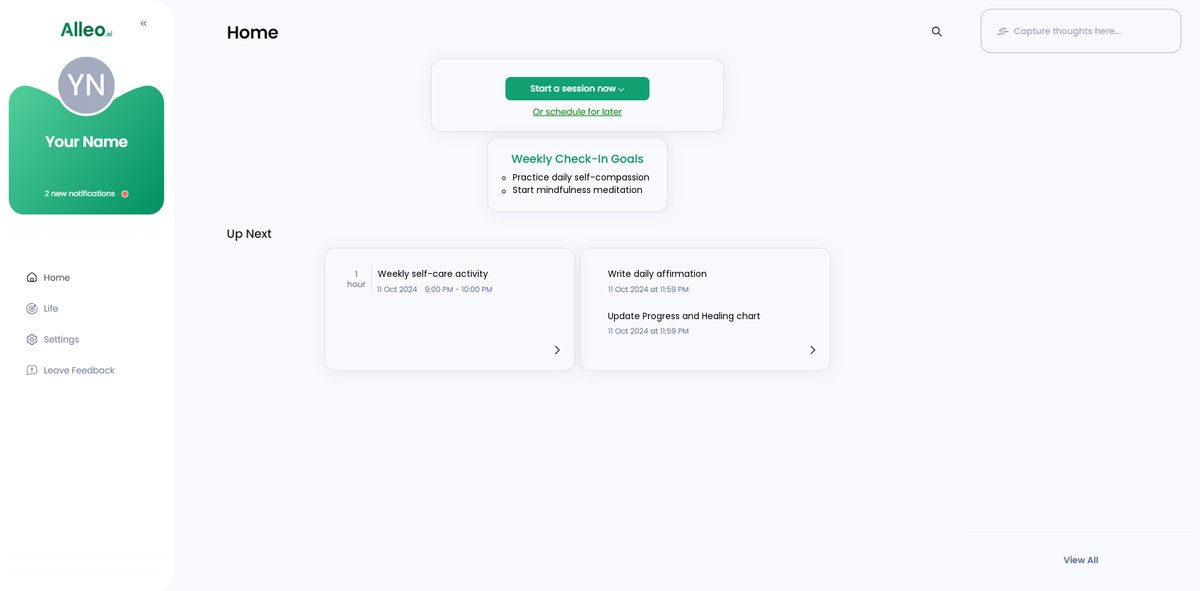
After your coaching session, check the app’s home page to view and manage the goals you discussed, allowing you to track your progress in balancing self-growth with trauma validation.
Step 6: Adding events to your calendar or app
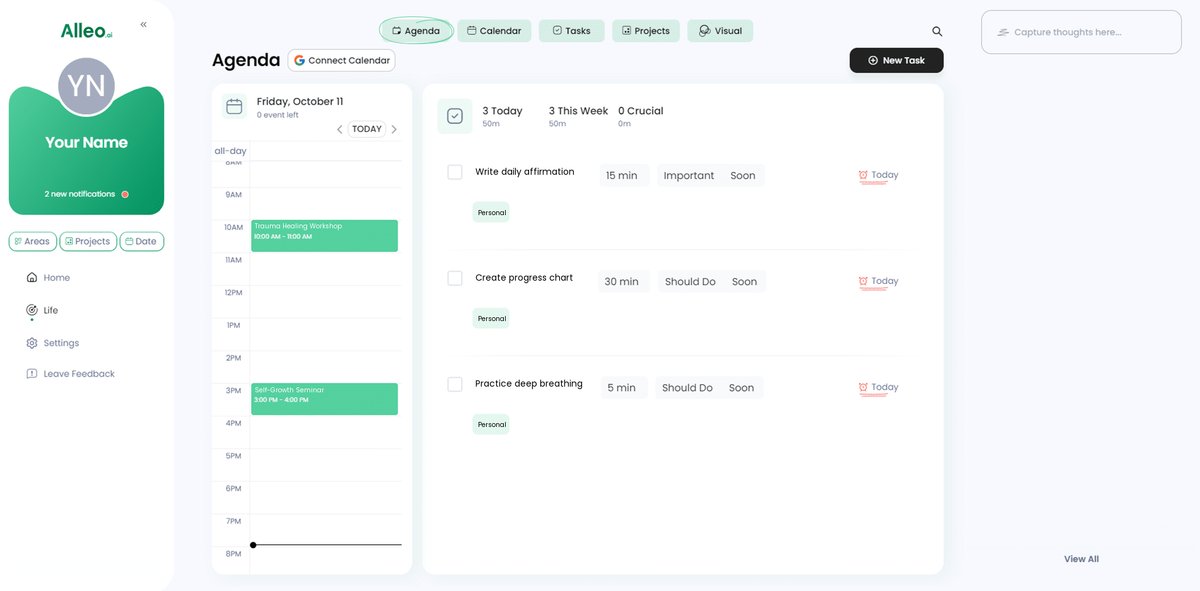
Use Alleo’s calendar and task features to add and track important events related to your healing journey, such as therapy appointments, self-care activities, and goal milestones, allowing you to easily monitor your progress and stay accountable to your personal growth objectives.
Embrace Your Healing Journey
We’ve explored various strategies for balancing growth and trauma healing. Each step brings you closer to a healthier, more fulfilling life, supporting young adult mental health and personal development.
Remember, practicing self-compassion techniques and setting achievable goals with trauma awareness can make a huge difference. Engaging in mindfulness for trauma survivors and seeking support from a trauma-informed therapist are also key components of your healing from past experiences.
You are not alone in this journey. It’s okay to take things one step at a time as you work on balancing growth and trauma healing.
Consider partnering with Alleo to support your progress in building resilience. Their personalized approach to trauma-informed self-care can make your healing journey smoother and more manageable.
Start today. Embrace your potential and take the first step towards a balanced life, focusing on emotional regulation skills and personal development strategies.