5 Powerful Strategies for Managers to Overcome Unconscious Bias in Hiring Decisions
Are your hiring decisions unintentionally biased, limiting your team’s diversity and innovation? Overcoming hiring bias strategies are crucial for inclusive hiring practices.
As a life coach, I’ve guided many professionals through the complexities of diversity in recruitment. I often see how unconscious bias can undermine even the best intentions in objective candidate evaluation methods.
In this article, you’ll discover proven strategies to help managers overcome these biases. We’ll explore structured interview processes, blind resume screening, and more techniques for equality, diversity, and inclusion (EDI) in hiring.
Let’s dive into these overcoming hiring bias strategies.

The Hidden Impact of Unconscious Bias in Hiring
Unconscious bias can manifest in various forms, such as affinity bias, gender bias, and racial/ethnic bias. These biases often influence hiring decisions without us realizing it, highlighting the need for overcoming hiring bias strategies.
Many clients initially struggle with recognizing how affinity bias impacts their choices. They often hire candidates who remind them of themselves, leading to homogeneous teams instead of promoting diversity in recruitment.
I’ve seen firsthand how gender bias can result in fewer women being promoted to leadership roles. This not only limits diversity but also stifles innovation, emphasizing the importance of inclusive hiring practices.
Racial and ethnic bias can also significantly impact hiring outcomes. In my experience, organizations miss out on diverse talent due to these biases, underlining the need for objective candidate evaluation methods.
The consequences are severe. Biased hiring practices result in a lack of diversity, reduced creativity, and missed opportunities for growth. Implementing bias-free interview techniques can help address these issues.
Addressing these biases is crucial. It’s not just about fairness; it’s about fostering an inclusive environment that drives success through Equality, Diversity, and Inclusion (EDI) in hiring.

Key Strategies for Managers to Overcome Unconscious Bias in Hiring Decisions
Overcoming hiring bias strategies requires a few key steps. Here are the main areas to focus on to make progress in implementing inclusive hiring practices.
- Implement Structured Interviews with Set Questions: Ensure consistency by using the same set of questions for all candidates, promoting bias-free interview techniques.
- Use Blind Resume Screening to Remove Identifiers: Remove personal information from resumes to focus on qualifications, enhancing objective candidate evaluation methods.
- Conduct Unconscious Bias Training for Hiring Teams: Educate hiring teams about unconscious bias and how to mitigate it, addressing cognitive bias in decision making.
- Establish Diverse Interview Panels: Ensure interview panels represent a variety of perspectives and backgrounds, supporting diversity in recruitment.
- Set Diversity Hiring Goals and Track Progress: Define clear diversity hiring goals and regularly track progress, aligning with Equality, Diversity, and Inclusion (EDI) in hiring practices.
Let’s dive in!
1: Implement structured interviews with set questions
Structured interviews with set questions are a key strategy for overcoming hiring bias, ensuring consistency and fairness in the recruitment process.
Actionable Steps:
- Develop a standardized list of interview questions focused on job-relevant skills and competencies to support inclusive hiring practices.
- Train hiring managers on how to effectively use structured interview processes to minimize unconscious bias.
- Regularly review and update the interview questions to align with evolving job requirements and industry trends, promoting diversity in recruitment.
Explanation:
Implementing structured interviews helps minimize bias by ensuring all candidates are evaluated based on the same criteria. This approach promotes fairness and objectivity, leading to more diverse and inclusive hiring outcomes, which are crucial for overcoming hiring bias.
According to Built In, using structured interviews can significantly reduce the risk of unconscious bias impacting hiring decisions. By standardizing your interview process, you can create a more equitable environment and support Equality, Diversity, and Inclusion (EDI) in hiring.
Key benefits of structured interviews as bias-free interview techniques include:
- Improved consistency across candidate evaluations
- Enhanced ability to compare candidates objectively
- Reduced influence of personal biases on hiring decisions
Structured interviews are a crucial first step in addressing unconscious bias in hiring decisions and implementing effective strategies for overcoming hiring bias.

2: Use blind resume screening to remove identifiers
Blind resume screening helps focus on candidate qualifications without bias, making it an effective strategy for overcoming hiring bias.
Actionable Steps:
- Implement software to anonymize resumes by removing personal information, promoting diversity in recruitment.
- Establish clear criteria for evaluating anonymized resumes based on skills and experience, enhancing objective candidate evaluation methods.
- Train hiring managers to review anonymized resumes objectively and consistently, supporting inclusive hiring practices.
Explanation:
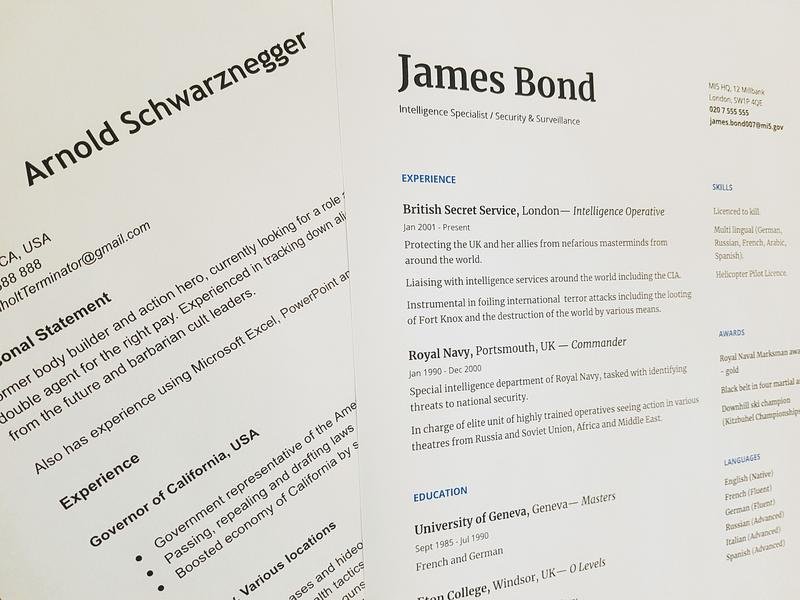
Using blind resume screening allows you to focus on candidates’ qualifications, ensuring a fair evaluation. This method promotes diversity and can help reduce unconscious bias in decision making during the hiring process.
According to LinkedIn, blind resume screening can significantly improve the fairness of hiring practices.
This approach is a great step towards more inclusive hiring decisions and supports Equality, Diversity, and Inclusion (EDI) in hiring.
3: Conduct unconscious bias training for hiring teams
Conducting unconscious bias training for hiring teams is essential to create a more inclusive hiring process and is a key strategy for overcoming hiring bias.
Actionable Steps:
- Schedule regular unconscious bias training for HR sessions for all hiring team members. Ensure these sessions are mandatory.
- Incorporate interactive elements, such as role-playing scenarios or Implicit Association Tests (IAT), to make the training engaging and impactful.
- Use external experts to lead training sessions, providing an outside perspective and specialized knowledge on diversity in recruitment.
Explanation:
These steps are crucial because they help hiring teams recognize and mitigate their biases. Regular training sessions ensure that awareness remains high, while interactive elements make the learning experience more effective in promoting inclusive hiring practices.
According to Psico Smart, organizations that implement unconscious bias training see significant improvements in diverse hiring practices. By continuously educating your team, you foster a fairer and more inclusive hiring environment, addressing cognitive bias in decision making.
Key components of effective unconscious bias training for overcoming hiring bias strategies:
- Self-reflection exercises to identify personal biases
- Case studies demonstrating the impact of bias in hiring
- Practical strategies for mitigating bias in decision-making, including objective candidate evaluation methods
This ongoing effort will help you build a more diverse and innovative team, supporting Equality, Diversity, and Inclusion (EDI) in hiring.
4: Establish diverse interview panels
Establishing diverse interview panels is vital for gaining different perspectives and reducing bias, making it a key strategy for overcoming hiring bias.
Actionable Steps:
- Create guidelines for forming diverse interview panels: Ensure representation from various departments and demographics to promote inclusive hiring practices.
- Monitor and rotate panel members: Regularly change panel members to maintain diversity and consistency, supporting objective candidate evaluation methods.
Explanation:
These steps are essential because they ensure that multiple perspectives are considered, leading to fairer hiring decisions and promoting Equality, Diversity, and Inclusion (EDI) in hiring.
According to LinkedIn, diverse panels can significantly reduce unconscious bias in hiring. This approach helps create a more inclusive hiring environment and supports bias-free interview techniques.
By diversifying your interview panels, you can foster a more equitable hiring process and implement effective strategies for overcoming hiring bias.

5: Set diversity hiring goals and track progress
Setting diversity hiring goals and tracking progress is essential for fostering an inclusive workforce and overcoming hiring bias.
Actionable Steps:
- Define specific diversity hiring targets: Set measurable goals for hiring underrepresented groups across different roles and levels, focusing on inclusive hiring practices.
- Utilize data analytics tools: Regularly analyze hiring data to track progress toward your diversity goals and identify areas needing improvement in your overcoming hiring bias strategies.
- Hold regular review meetings: Schedule periodic meetings to assess progress and adjust strategies as needed, incorporating objective candidate evaluation methods.
Explanation:
These steps are crucial because they provide a clear roadmap for achieving diversity and inclusion in your hiring practices. Regularly tracking progress ensures accountability and helps you make data-driven decisions to overcome hiring bias.
According to CultureMonkey, setting clear diversity goals can significantly enhance your organization’s inclusivity and innovation.
Benefits of setting and tracking diversity hiring goals:
- Increased accountability for diversity initiatives and equality, diversity, and inclusion (EDI) in hiring
- Better alignment of hiring practices with organizational values and bias-free interview techniques
- Improved ability to attract top talent from diverse backgrounds through structured interview processes
By setting and tracking diversity hiring goals, you ensure continuous improvement in your recruitment process and progress in overcoming hiring bias.

Partner with Alleo to Overcome Hiring Bias
We’ve explored how to tackle unconscious bias in hiring and implement effective overcoming hiring bias strategies. Did you know you can partner with Alleo to make this process easier and enhance your diversity in recruitment efforts?
Set up an account, and create a personalized plan for inclusive hiring practices. Alleo’s AI coach will provide full coaching sessions on bias-free interview techniques, just like a human coach specializing in objective candidate evaluation methods.
The coach will follow up on your progress with structured interview processes and keep you accountable in your journey towards Equality, Diversity, and Inclusion (EDI) in hiring.
Ready to get started for free and learn about cognitive bias in decision making? Let me show you how to implement overcoming hiring bias strategies!
Step 1: Log In or Create Your Account
To start your journey towards inclusive hiring, log in to your existing Alleo account or create a new one to access our AI coach and personalized guidance.

Step 2: Choose Your Goal – Overcoming Hiring Bias
Click on “Setting and achieving personal or professional goals” to focus on eliminating unconscious bias in your hiring process, aligning with the strategies discussed in the article to create a more diverse and innovative team.

Step 3: Select ‘Career’ as Your Focus Area
Choose ‘Career’ as your focus area to address unconscious bias in hiring, aligning with the article’s emphasis on creating more diverse and innovative teams through inclusive recruitment practices.

Step 4: Starting a coaching session
Begin with an intake session to set up your personalized plan for overcoming hiring biases, allowing the AI coach to understand your specific challenges and goals in creating a more inclusive recruitment process.

Step 5: Viewing and managing goals after the session
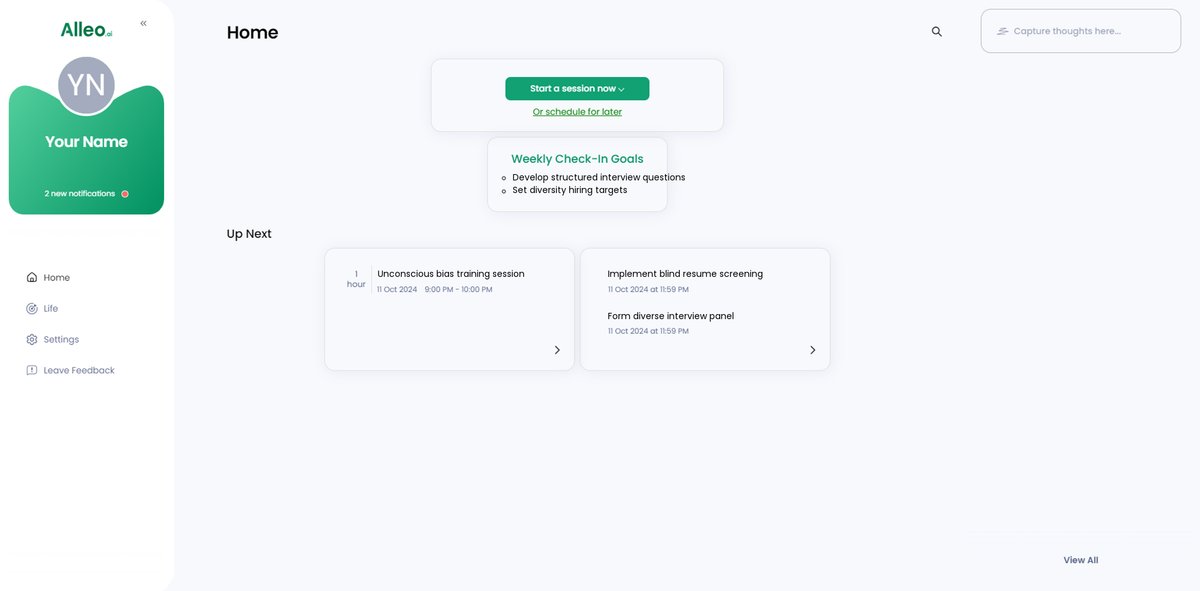
After your coaching session on inclusive hiring practices, check the Alleo app’s home page to view and manage the diversity goals you discussed, allowing you to track your progress in overcoming unconscious bias.
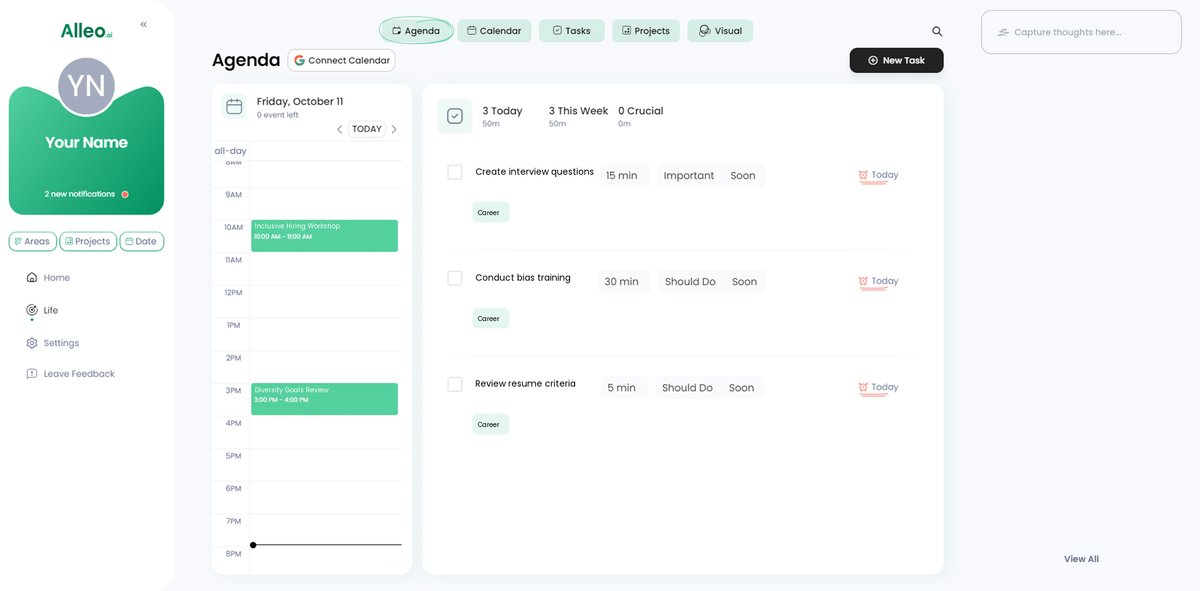
Step 6: Adding events to your calendar or app
To track your progress in overcoming hiring bias, use the AI coach’s calendar and task features to schedule diversity training sessions, resume screening activities, and review meetings for your diversity goals.
Bringing It All Together: Your Path to Inclusive Hiring
We’ve gone through actionable steps to minimize unconscious bias in hiring and implement effective strategies for overcoming hiring bias.
You now have the tools to create a fair and inclusive process that promotes diversity in recruitment.
Implementing these inclusive hiring practices will lead to more diverse and innovative teams.
Remember, structured interviews and blind resume screenings are key bias-free interview techniques.
Regular unconscious bias training for HR and diverse interview panels can make a big difference in objective candidate evaluation.
Setting clear diversity goals and tracking them ensures continuous improvement in Equality, Diversity, and Inclusion (EDI) in hiring.
Imagine the positive impact on your organization when you overcome hiring bias.
I know it’s not easy, but you can implement these strategies for overcoming hiring bias.
Alleo can support your journey towards inclusive hiring practices.
Ready to transform your hiring process? Start with Alleo for free today and enhance your structured interview processes.