5 Powerful Strategies for New IT Managers to Implement Effective Operational Processes
Imagine stepping into a new leadership role with the weight of operational efficiency on your shoulders. Effective IT operations strategies are crucial for success in this position.
As a life coach, I’ve helped many professionals navigate these challenges. I often encounter tech managers struggling with leadership transitions and seeking IT operational best practices.
In this article, you’ll discover strategies to implement effective operational processes in IT departments. We’ll cover daily management boards, KPIs, risk assessment for IT operations, and more to enhance your leadership skills as a tech manager.
Let’s dive into these process improvement techniques for IT departments.

Understanding the Challenges New IT Managers Face
Transitioning into a leadership role can be daunting, especially for IT managers. Many new leaders struggle with the intricacies of creating effective IT operations strategies and implementing operational best practices.
Several clients report feeling overwhelmed by the need to set up efficient frameworks quickly. The pressure to deliver results while adapting to the new role and developing leadership skills for tech managers can be intense.
In my experience, the lack of a structured approach to process improvement in IT departments often leads to pitfalls like poor IT team communication techniques, unclear performance metrics for IT operations, and unmanaged risks. These issues can hinder team performance and morale.
Imagine a tech manager who didn’t have a proper change management plan for IT teams. They faced resistance from their team, resulting in delays and frustration with technology adoption for new managers.
These are common hurdles, but you can overcome them with the right effective IT operations strategies, including agile methodologies in IT management and IT resource allocation strategies.

Overcoming this challenge requires a few key steps. Here are the main areas to focus on to make progress with effective IT operations strategies.
- Implement daily management boards and meetings: Set up visual boards and hold daily stand-ups to track progress and address issues promptly, aligning with IT operational best practices.
- Develop a change management communication plan: Create clear communication channels and train your team on new processes, enhancing change management for IT teams.
- Establish key performance indicators (KPIs): Identify critical metrics, set realistic targets, and review them regularly as part of performance metrics for IT operations.
- Create a risk assessment and monitoring process: Conduct risk assessments, develop mitigation strategies, and monitor risks continuously, implementing risk management in IT operations.
- Foster a culture of continuous improvement: Encourage improvement opportunities, implement a continuous improvement program, and measure successes, supporting process improvement in IT departments.
Let’s dive into these effective IT operations strategies!
1: Implement daily management boards and meetings
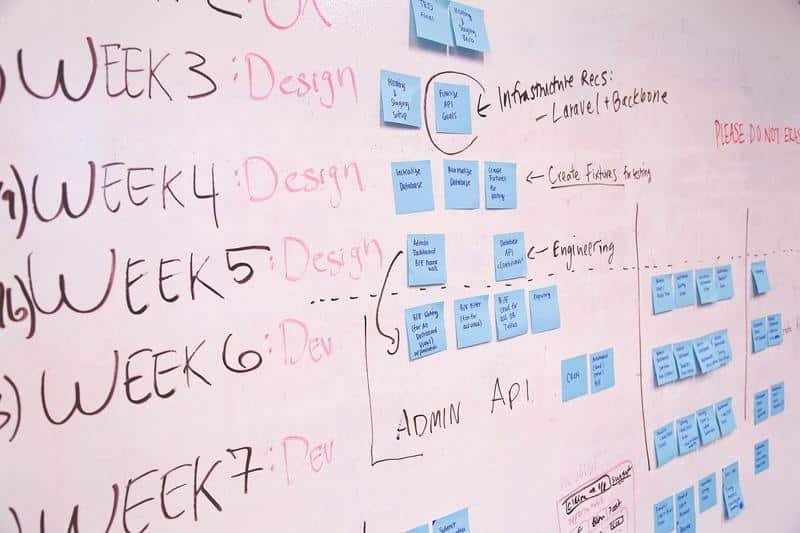
Implementing daily management boards and meetings is crucial for tracking progress and maintaining team alignment in effective IT operations strategies.
Actionable Steps:
- Set up visible management boards.
- Ensure they are accessible to all team members to track progress on key projects and IT operational best practices.
- Hold daily stand-up meetings.
- Keep meetings short and focused on key issues, encouraging updates and challenges, enhancing IT team communication techniques.
- Use meetings to solve problems quickly.
- Foster an environment where team members feel comfortable raising issues, and assign action items to address problems promptly, improving process improvement in IT departments.
Explanation: Daily management boards and meetings help ensure that everyone is on the same page and that issues are addressed promptly, supporting effective IT operations strategies.
This approach aligns with best practices in operations management, as highlighted by Lean Enterprise Institute, which emphasizes the importance of daily management for operational efficiency and IT resource allocation strategies.
Implementing these steps will help you maintain clear communication and quick problem-solving in your team, essential for effective IT operations strategies.
Benefits of daily management boards include:
- Enhanced visibility of project progress and performance metrics for IT operations
- Improved team collaboration and leadership skills for tech managers
- Faster issue resolution and risk management in IT operations
These practices set the stage for effective IT operations and support change management for IT teams.

2: Develop a change management communication plan
Creating a change management communication plan is vital for ensuring smooth transitions and keeping your team informed and engaged, which is crucial for effective IT operations strategies.
Actionable Steps:
- Establish clear communication channels.
- Use emails, meetings, and internal chat platforms to keep everyone updated on IT operational best practices.
- Conduct training sessions on new processes.
- Offer workshops and continuous support to help your team adapt to technology adoption and improve IT team communication techniques.
- Collect and act on feedback.
- Regularly survey your team and adjust the plan based on their input to enhance performance metrics for IT operations.
Explanation: Change management for IT teams requires transparent communication and continuous support to be effective. By establishing clear channels and offering training, you ensure everyone is on the same page and ready for change, which is essential for process improvement in IT departments.
Collecting feedback helps you refine the process and address any concerns promptly. According to Champlain College, these steps are crucial for minimizing resistance and maximizing engagement.
Developing a robust communication plan sets the foundation for managing change effectively and is a key component of effective IT operations strategies.
3: Establish key performance indicators (KPIs)
Establishing key performance indicators (KPIs) is crucial for measuring progress and ensuring alignment with organizational goals in effective IT operations strategies.
Actionable Steps:
- Identify critical metrics.
- Focus on metrics that align with your organization’s objectives and goals, considering IT operational best practices.
- Set realistic targets.
- Use historical data to establish achievable benchmarks that challenge your team and improve performance metrics for IT operations.
- Regularly review KPIs.
- Hold monthly review meetings to assess progress and adjust targets based on performance, incorporating change management for IT teams.
Explanation: KPIs help you measure success and identify areas for improvement in IT operations strategies. By focusing on relevant metrics and setting realistic targets, you ensure your team stays on track with process improvement in IT departments.
Regular reviews allow for timely adjustments, helping you adapt to changing priorities. According to Investopedia, KPIs are essential in operations management for maintaining efficiency and achieving goals.
Key benefits of establishing KPIs:
- Clear performance measurement for IT operations
- Aligned team efforts in technology adoption
- Data-driven decision making for IT resource allocation strategies
Establishing and monitoring KPIs sets a clear path for your team’s success in implementing effective IT operations strategies.

4: Create a risk assessment and monitoring process
Creating a risk assessment and monitoring process is essential for identifying and managing potential issues in IT operations, forming a crucial part of effective IT operations strategies.
Actionable Steps:
- Conduct a comprehensive risk assessment.
- Identify potential risks and prioritize them based on impact and likelihood, aligning with IT operational best practices.
- Develop mitigation strategies.
- Create action plans to address and minimize high-priority risks, assigning specific owners for each, enhancing risk management in IT operations.
- Implement ongoing risk monitoring.
- Use tools and software to track risk indicators and schedule regular review meetings, supporting process improvement in IT departments.
Explanation: Conducting a thorough risk assessment helps you anticipate and address potential issues before they become critical, which is key to effective IT operations strategies.
By developing focused mitigation strategies and using risk monitoring tools, you ensure proactive management of risks, demonstrating leadership skills for tech managers.
According to AuditBoard, regular risk assessments are crucial for maintaining operational stability.
By implementing these steps, you can effectively manage risks and ensure smooth IT operations, contributing to overall effective IT operations strategies.

5: Foster a culture of continuous improvement
Fostering a culture of continuous improvement is essential for keeping your team dynamic and innovative, and is a key component of effective IT operations strategies.
Actionable Steps:
- Encourage team members to suggest improvement ideas.
- Create an open forum for suggestions and recognize innovative contributions, enhancing IT operational best practices.
- Implement a continuous improvement program.
- Use methodologies like Lean or Six Sigma to guide these efforts, incorporating agile methodologies in IT management.
- Measure and celebrate successes.
- Track improvement impacts and share success stories to motivate the team, utilizing performance metrics for IT operations.
Explanation: Encouraging continuous improvement helps your team stay competitive and adaptive, a crucial aspect of effective IT operations strategies.
By implementing structured programs and celebrating successes, you foster an environment of growth. According to Lean Enterprise Institute, these steps are crucial for operational efficiency and team development, enhancing leadership skills for tech managers.
Elements of a strong continuous improvement culture:
- Open communication channels, supporting IT team communication techniques
- Regular training opportunities, facilitating technology adoption for new managers
- Recognition of innovative ideas, promoting process improvement in IT departments
This approach ensures ongoing progress and innovation within your team, contributing to effective IT operations strategies.

Partner with Alleo on Your Leadership Journey
We’ve explored the challenges of creating effective IT operations strategies as a new IT manager. Did you know you can work directly with Alleo to make this journey easier and improve your leadership skills for tech managers?
Set up an account with Alleo today. Create a personalized plan tailored to your leadership needs, focusing on IT operational best practices and process improvement in IT departments.
Alleo’s AI coach will guide you through each step of implementing effective IT operations strategies. You’ll receive full coaching sessions and actionable advice on change management for IT teams, just like a human coach.
Alleo will follow up on your progress and handle changes in your IT resource allocation strategies. It will keep you accountable with text and push notifications, helping you master technology adoption for new managers.
Ready to get started for free and enhance your IT team communication techniques? Let me show you how!
Step 1: Log In or Create Your Account
To begin your leadership journey with Alleo, log in to your existing account or create a new one to access personalized coaching tailored to your IT management needs.

Step 2: Choose “Building better habits and routines”
Select “Building better habits and routines” to create a solid foundation for implementing effective operational processes in your new IT leadership role, helping you establish consistent practices that drive team efficiency and success.

Step 3: Select “Career” as Your Focus Area
Choose “Career” as your focus area in Alleo to address the challenges of implementing effective operational processes as a new IT manager. This selection will provide tailored guidance on leadership transition, team management, and operational efficiency strategies discussed in the article.

Step 4: Starting a Coaching Session
Begin your AI coaching journey with an intake session to establish your leadership goals and create a tailored plan for implementing effective operational processes in your new IT management role.

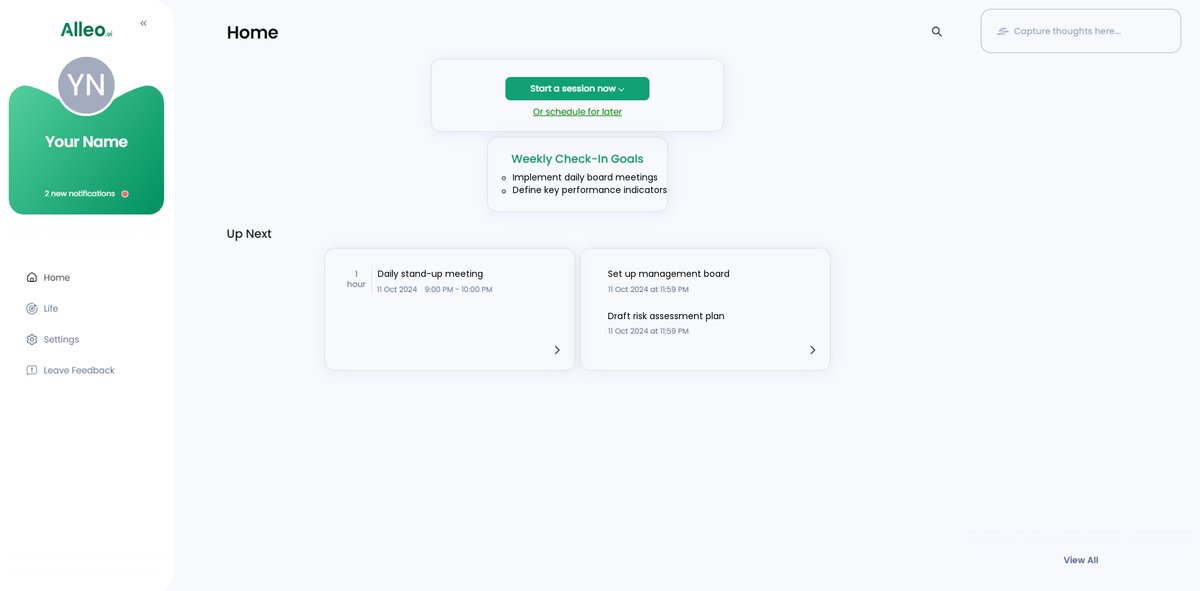
Step 5: Viewing and managing goals after the session
After your coaching session, check the app’s home page to review and manage the goals you discussed, ensuring you stay on track with your leadership development journey.
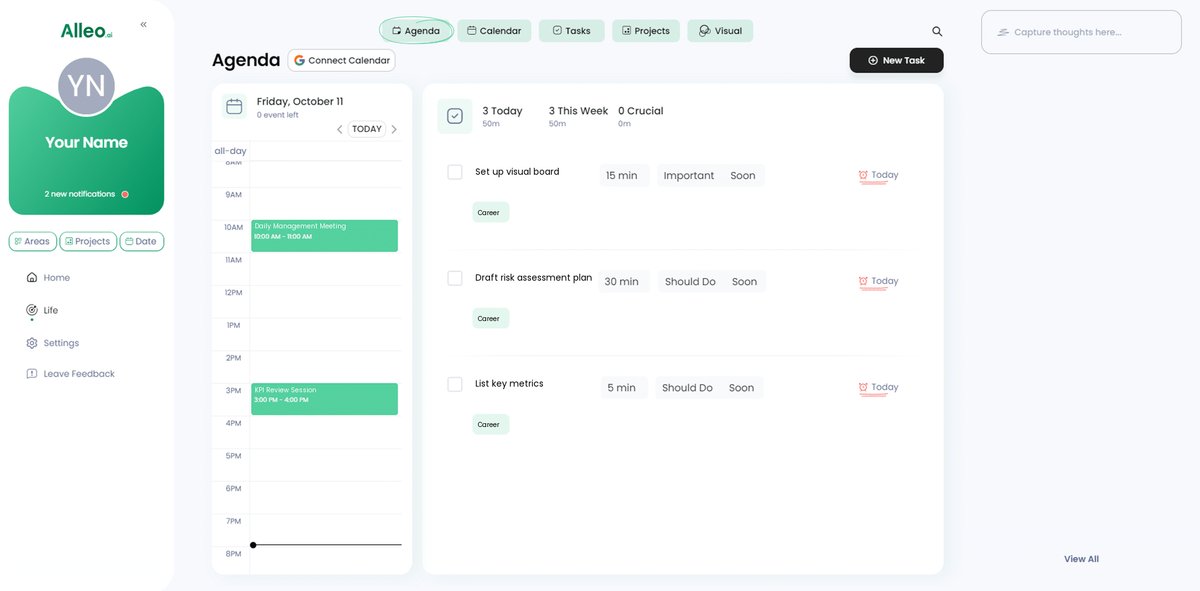
Step 6: Adding events to your calendar or app
To track your progress in implementing these leadership strategies, use Alleo’s calendar and task features to schedule key milestones, set reminders for daily stand-ups, and log important events like KPI review meetings or risk assessments.
Wrapping Up Your Leadership Journey
As we conclude, I want you to reflect on the effective IT operations strategies we’ve discussed. Transitioning into a new leadership role in IT management is challenging but achievable.
Remember to implement daily management boards and meetings for clear communication, a crucial IT operational best practice. Develop a change management communication plan to keep your IT team informed, enhancing your leadership skills as a tech manager.
Establish KPIs as performance metrics for IT operations to measure progress, and create a risk management process for IT operations to manage potential issues. Lastly, foster a culture of continuous improvement, embracing process improvement in IT departments.
You’ve got this.
Alleo can help you every step of the way with IT team communication techniques. Sign up for free today and make your leadership transition smoother, mastering effective IT operations strategies.