5 Proven Methods to Handle Weight Fluctuations When Transitioning from Diet to Maintenance
Have you ever felt the frustration of gaining back weight quickly after transitioning from weight loss to maintenance? Managing weight after dieting can be a challenging process.
As a life coach, I’ve helped many fitness enthusiasts navigate the tricky transition from dieting to maintenance. In my experience, this phase can be daunting, but it doesn’t have to be. Sustainable eating habits and long-term weight management tips can make a significant difference.
In this article, you’ll discover actionable strategies to manage weight fluctuations effectively. We’ll cover gradual calorie increases, weekly weight monitoring, and more. These weight maintenance strategies will help you deal with scale anxiety and understand normal weight fluctuations.
Let’s dive in and explore how to balance exercise and nutrition post-diet for successful weight stability.

The Challenge of Weight Fluctuations During Maintenance
Switching from a calorie deficit to maintenance can feel like stepping into a minefield when managing weight after dieting. Many clients initially struggle with significant weight gain, sometimes as much as 4 pounds in just a few days, which is part of normal weight fluctuations.
This rapid gain can be disheartening. It often leads to anxiety and the fear of undoing all your hard-earned progress when transitioning from weight loss to maintenance.
The psychological impact is immense, often leading to scale anxiety.
In my experience, individuals frequently worry they might regain all the weight they lost. It’s a common concern among fitness enthusiasts and those maintaining their nutrition through sustainable eating habits.
However, understanding why this happens can help you manage it better. Let’s explore actionable strategies to handle these fluctuations effectively, focusing on long-term weight management tips and balancing exercise and nutrition post-diet.
Strategic Steps to Manage Weight Fluctuations
Overcoming this challenge of managing weight after dieting requires a few key steps. Here are the main areas to focus on to make progress with weight maintenance strategies:
- Gradually increase calorie intake by 100-200/day: Slowly raise your daily calories to adapt smoothly, adjusting calorie intake for maintenance.
- Monitor weight trends weekly, not daily: Track your weight weekly to avoid stress from daily fluctuations and deal with scale anxiety.
- Increase protein intake to 1g per pound of weight: Boost your protein for better metabolism and muscle maintenance, addressing body composition changes after dieting.
- Practice intuitive eating and hunger/fullness cues: Listen to your body’s signals for hunger and fullness, developing sustainable eating habits.
- Boost NEAT with regular walking and standing: Increase daily movement with simple activities like walking and standing, balancing exercise and nutrition post-diet.
Let’s dive into these long-term weight management tips for transitioning from weight loss to maintenance!
1: Gradually increase calorie intake by 100-200/day
When managing weight after dieting, starting with small calorie increases helps your body adjust smoothly, reducing the risk of rapid weight gain and supporting long-term weight management.
Actionable Steps:
- Add 100 calories to your daily intake for one week. Reassess your weight trends after this period, considering normal weight fluctuations.
- If your weight remains stable, increase by another 100 calories per day. Continue to monitor your weight weekly for gradual adaptation as part of your weight maintenance strategy.
- Use a food diary or an app like MyFitnessPal to track your calorie intake accurately. This helps you stay within your desired range and develop sustainable eating habits.
Explanation:
These steps matter because they help your metabolism adjust gradually, preventing sudden weight gain when transitioning from weight loss to maintenance.
Tracking your intake ensures you stay on target without feeling deprived, supporting mindful eating for weight stability. For more on the benefits of gradual increases and dealing with scale anxiety, read this Emily Field article.
This gradual approach sets the stage for a smoother transition to maintenance, focusing on adjusting calorie intake for maintenance and balancing exercise and nutrition post-diet.

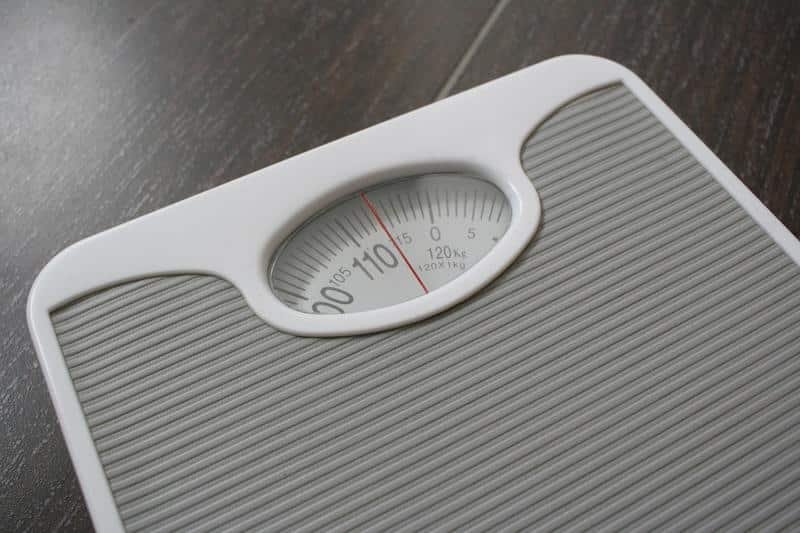
2: Monitor weight trends weekly, not daily
When managing weight after dieting, tracking weight weekly can help you avoid stress and focus on long-term progress.
Actionable Steps:
- Weigh yourself at the same time each week under similar conditions to get consistent measurements, which is crucial for weight maintenance strategies.
- Chart your weekly weight to observe trends rather than daily fluctuations, reducing anxiety and understanding normal weight fluctuations.
- Reflect on weekly data to make informed adjustments to your diet and activity levels, supporting long-term weight management.
Explanation:
These steps matter because they help you focus on long-term progress and reduce the stress associated with daily fluctuations when transitioning from weight loss to maintenance.
Weekly tracking provides a clearer picture of your weight trends, enabling better decision-making for sustainable eating habits and dealing with scale anxiety.
For more insights on maintaining weight, read this CDC article.
This approach sets the stage for a more stable weight maintenance journey and helps in adjusting calorie intake for maintenance.
3: Increase protein intake to 1g per pound of weight
Elevating your protein intake is crucial for managing weight after dieting, maintaining muscle mass, and boosting metabolism during the transition to maintenance.
Actionable Steps:
- Calculate your daily protein requirement based on your current weight and set a target to reach it, which is essential for long-term weight management.
- Incorporate high-protein foods like lean meats, dairy, legumes, and protein supplements into your meals as part of sustainable eating habits.
- Plan your meals with protein-rich recipes to ensure you meet your daily goals without feeling deprived, supporting weight maintenance strategies.
Here are some high-protein foods to consider for transitioning from weight loss to maintenance:
- Greek yogurt
- Chicken breast
- Lentils
- Eggs
Explanation:
These steps matter because higher protein intake helps preserve muscle mass and supports a healthier metabolism. For example, consuming more protein can elevate your metabolic rate and aid in managing weight after dieting.
According to this Cleveland Clinic article, muscle burns more calories than fat, even at rest. This is why prioritizing protein is essential for a stable transition and balancing exercise and nutrition post-diet.
This approach ensures you get the necessary nutrients to maintain your progress and adapt to body composition changes after dieting.
4: Practice intuitive eating and hunger/fullness cues
Practicing intuitive eating is essential for managing weight after dieting by listening to your body’s natural hunger and fullness signals. This approach supports sustainable eating habits and long-term weight management.
Actionable Steps:
- Eat when you feel hungry and stop when you feel satisfied, focusing on mindful eating for weight stability.
- Identify emotional triggers for eating and find alternative activities to handle stress, which is crucial for transitioning from weight loss to maintenance.
- Include a variety of foods in your diet to ensure a balanced intake of nutrients, maintaining overall health and supporting body composition changes after dieting.
Explanation:
These steps matter because they help you build a healthy relationship with food and avoid overeating, key aspects of weight maintenance strategies.
Intuitive eating can support long-term weight maintenance by focusing on internal cues rather than external rules, helping you deal with scale anxiety and normal weight fluctuations. For more insights on maintaining weight, read this Mayo Clinic article.
This approach helps you stay mindful and connected to your body’s needs, essential for balancing exercise and nutrition post-diet.
5: Boost NEAT with regular walking and standing
Increasing your Non-Exercise Activity Thermogenesis (NEAT) with regular walking and standing is essential for managing weight after dieting and maintaining weight during the transition.
Actionable Steps:
- Incorporate short walks into your daily routine: Aim for a cumulative total of at least 30 minutes per day as part of your long-term weight management tips.
- Use standing desks or take standing breaks every hour: This is especially important if you have a sedentary job and can help with sustainable eating habits.
- Find opportunities to increase daily movement: Take stairs, park further from entrances, or do household chores to support weight maintenance strategies.
Explanation:
These steps matter because they increase your daily calorie expenditure, which helps maintain weight. Regular movement throughout the day can also boost your metabolism, aiding in transitioning from weight loss to maintenance.
According to the Paloma Health article, NEAT activities play a crucial role in maintaining a healthy metabolism. Small changes in daily habits can make a significant difference in managing weight after dieting.
Key benefits of increasing NEAT:
- Improved energy levels
- Better blood circulation
- Enhanced mood and focus
By boosting your NEAT, you create a more active lifestyle that supports long-term weight maintenance and helps manage normal weight fluctuations.

Partner with Alleo on Your Weight Maintenance Journey
We’ve explored the challenges of managing weight after dieting, how solving them can benefit your progress, and the steps to achieve it. But did you know you can work directly with Alleo to make this journey easier and faster?
Setting up an account with Alleo is simple. Create a personalized plan tailored to your weight maintenance strategies.
Alleo’s AI coach will guide you step-by-step, ensuring your calorie increases are gradual and effective for transitioning from weight loss to maintenance. You’ll receive regular updates and reminders to track your progress.
Alleo’s weight trend analysis helps you monitor normal weight fluctuations. Make data-driven decisions to stay on track with your long-term weight management tips.
The meal planning feature assists in maintaining high protein intake without feeling restricted, promoting sustainable eating habits. Alleo also offers intuitive eating tips and stress management suggestions for dealing with scale anxiety.
Stay mindful and connected to your body’s needs through mindful eating for weight stability.
Alleo keeps you accountable with text and push notifications. You’ll receive gentle nudges to keep up with your goals and adjust calorie intake for maintenance.
Regular follow-ups ensure you’re on the right path for managing weight after dieting.
Ready to get started for free? Let me show you how to begin your journey of balancing exercise and nutrition post-diet!
Step 1: Log In or Create Your Alleo Account
To begin your weight maintenance journey with Alleo, Log in to your account or create a new one to access personalized guidance and tracking tools.

Step 2: Choose “Building better habits and routines”
Click on “Building better habits and routines” to focus on developing consistent, healthy practices that support your weight maintenance journey, helping you smoothly transition from dieting to sustainable, long-term lifestyle changes.

Step 3: Select “Health” as Your Focus Area
Choose “Health” as your primary focus area in Alleo to receive tailored guidance on managing weight fluctuations, optimizing nutrition, and maintaining a balanced lifestyle during your transition from dieting to maintenance.

Step 4: Starting a Coaching Session
Begin your journey with Alleo by scheduling an intake session, where you’ll discuss your weight maintenance goals and create a personalized plan to smoothly transition from dieting to sustainable maintenance.

Step 5: Viewing and Managing Goals After the Session
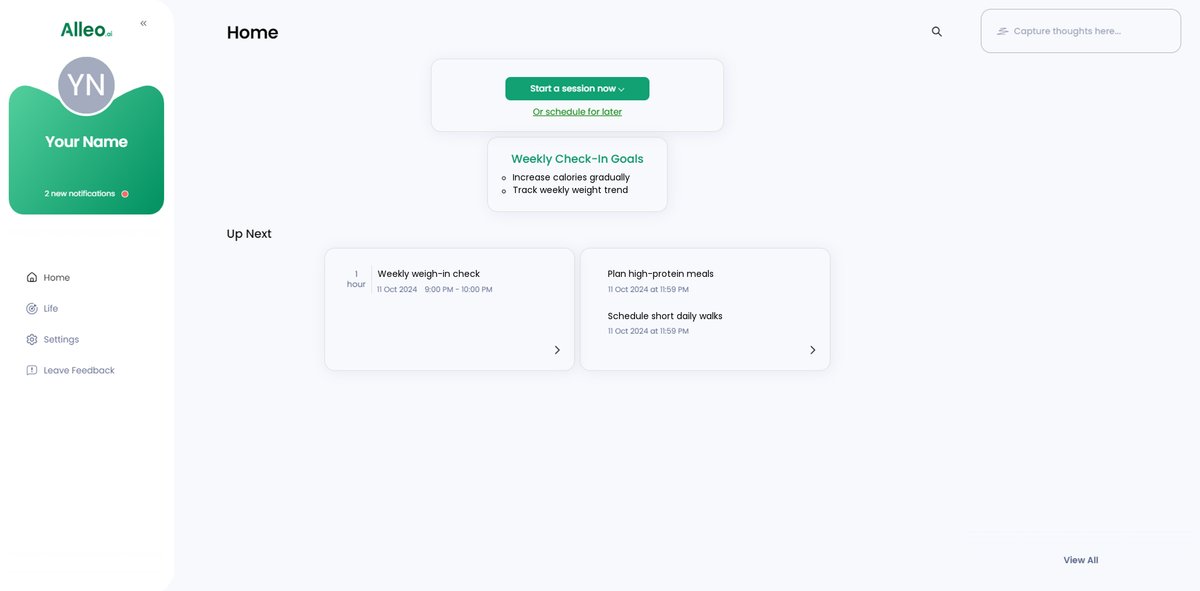
After your coaching session, open the Alleo app and check your home page to view and manage the weight maintenance goals you discussed, including gradual calorie increases, weekly weight monitoring, and increased protein intake.
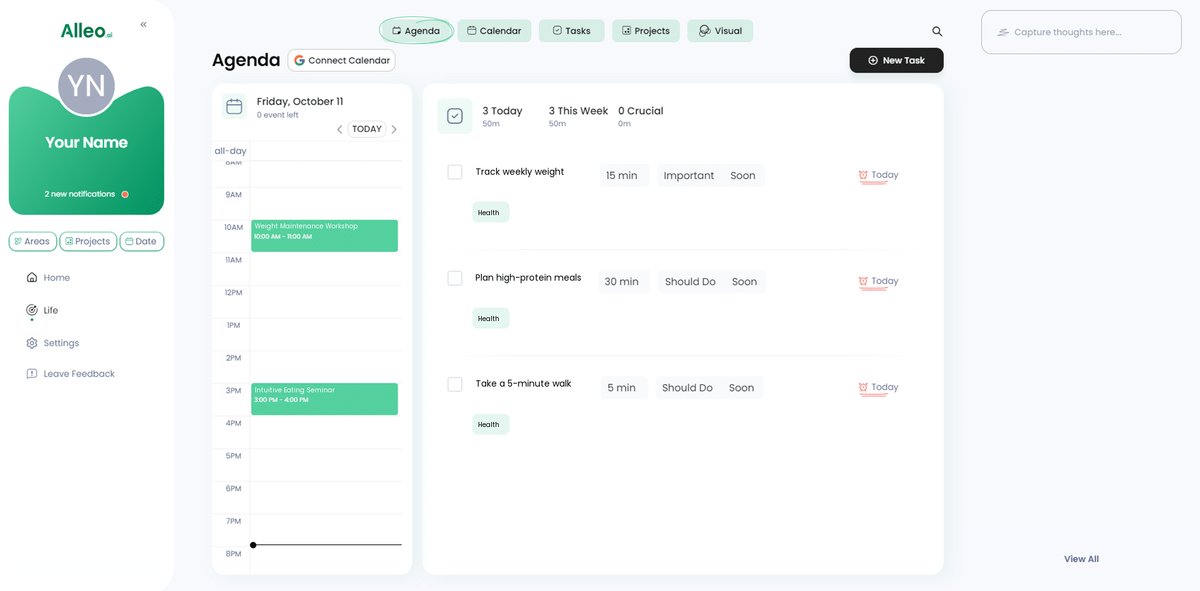
6: Add events to your calendar or app
Use Alleo’s calendar and task features to schedule and track your weight maintenance activities, such as weekly weigh-ins, meal prep sessions, and NEAT-boosting walks, helping you stay accountable and monitor your progress towards your goals.
Wrapping Up Your Weight Maintenance Journey
Transitioning from weight loss to maintenance can feel overwhelming. Hopefully, these strategies for managing weight after dieting give you a clear path forward.
Remember, gradual calorie increments and weekly weight checks are key weight maintenance strategies. Higher protein intake and intuitive eating for sustainable eating habits are vital too.
Don’t forget to boost your daily activity. Small changes can make a big difference in long-term weight management.
I’ve seen many succeed with these steps for managing weight after dieting. You can too!
Alleo can help you stay on track. Let its AI coach guide you through every step of transitioning from weight loss to maintenance.
Take charge of your journey today. Keep your progress with Alleo by your side as you focus on weight stability.
Ready to try Alleo for free? Join us now and start your weight maintenance journey!