6 Essential Strategies for Lawyers to Enhance Emotional Regulation Outside Work
Imagine being able to navigate your high-stress legal job while maintaining calm and rational decision-making in your everyday life. Implementing effective lawyers’ emotional regulation strategies can make this a reality.
As a life coach, I’ve helped many professionals navigate these challenges. I understand the unique pressures you face as a busy lawyer-parent, including the need for work-life balance in the legal profession.
In this post, you’ll discover specific strategies to manage stress and improve emotional regulation for attorneys. We will cover:
- Mindfulness practices for lawyers
- Self-awareness and emotional intelligence in law practice
- Physical activity as a coping mechanism for high-stress legal careers
- Setting boundaries and time management skills for lawyers
Let’s dive into these lawyers’ emotional regulation strategies.

The Emotional Toll of Balancing Legal Work and Family Life
Let’s consider why this issue is so challenging. The high-pressure environment of the legal profession can make emotional balance difficult, emphasizing the need for lawyers’ emotional regulation strategies.
This constant stress often spills over into your personal life, affecting work-life balance in the legal profession.
Balancing a demanding career and family responsibilities can lead to emotional exhaustion. Many clients initially struggle with maintaining calm at home after a stressful day at work, highlighting the importance of stress management for attorneys.
This daily battle can create a cycle of frustration and tension, making burnout prevention for lawyers crucial.
In my experience, people often find it hard to switch off from their adversarial mindset. This can affect relationships with loved ones and lead to a sense of disconnection, underscoring the need for emotional intelligence in law practice.
Recognizing this challenge is the first step to overcoming it and developing effective coping mechanisms for high-stress legal careers.

Effective Strategies for Emotional Regulation
Overcoming this challenge requires a few key steps. Here are the main areas to focus on to make progress with lawyers’ emotional regulation strategies:
- Establish a daily mindfulness meditation routine: Start with a short practice and gradually increase, helping attorneys develop stress management techniques.
- Practice self-awareness exercises during commute: Reflect on your emotional state and practice gratitude, enhancing emotional intelligence in law practice.
- Set firm work-life boundaries and stick to them: Define clear work hours and personal time to improve work-life balance in the legal profession.
- Engage in regular physical exercise or yoga: Schedule consistent exercise sessions each week as part of self-care strategies for legal professionals.
- Join a non-legal hobby or interest group: Pursue activities that interest you outside of work, serving as coping mechanisms for high-stress legal careers.
- Schedule ‘calm time’ with family without devices: Dedicate device-free time with your loved ones daily, supporting mental health resources for legal professionals.
Let’s dive into these lawyers’ emotional regulation strategies!
1: Establish a daily mindfulness meditation routine
Incorporating mindfulness meditation into your daily routine can significantly improve emotional regulation for lawyers, providing essential stress management for attorneys.
Actionable Steps:
- Start with a 5-minute daily meditation practice.
- Set a specific time each day for meditation.
- Use guided meditation apps or videos to help you get started.
- Gradually increase the duration to 15-20 minutes per day.
- Track your progress and reflect on the benefits you notice.
- Incorporate breathing exercises to deepen relaxation.
- Incorporate mindfulness into daily activities.
- Practice mindful eating by focusing on the taste and texture of your food.
- Take a few minutes of mindful breathing during breaks at work.
Explanation:
These steps matter because they help you develop a consistent practice that can reduce stress and promote calmness. By starting small and gradually increasing your meditation time, you create a sustainable habit that supports work-life balance in the legal profession.
Mindfulness practices can help lawyers stay present, reduce anxiety, and improve overall well-being. For more tips on managing stress and promoting well-being, check out these coping tips from SAMHSA.
Key benefits of mindfulness meditation for legal professionals:
- Reduces stress and anxiety
- Improves focus and concentration
- Enhances emotional regulation for lawyers
This approach allows you to build resilience and better handle the pressures of your legal career while maintaining a balanced personal life. Implementing these lawyers’ emotional regulation strategies can be crucial for burnout prevention and improving emotional intelligence in law practice.

2: Practice self-awareness exercises during commute
Using your commute time to practice self-awareness can help lawyers with emotional regulation strategies, aiding in the transition from work to home life more smoothly.
Actionable Steps:
- Reflect on your emotional state during your commute, a key aspect of stress management for attorneys.
- Identify and acknowledge your feelings without judgment, enhancing emotional intelligence in law practice.
- Use Alleo’s journaling feature to record your reflections, supporting work-life balance in the legal profession.
- Practice gratitude by listing three things you’re thankful for each day, a valuable self-care strategy for legal professionals.
- Consider using a gratitude journal or app to track your entries, aiding in burnout prevention for lawyers.
- Share your gratitude moments with family at dinner, promoting overall well-being.
Explanation:
These steps help you stay mindful and present, easing the transition from work to home. Reflecting on your emotions can reduce stress and improve emotional regulation, crucial for lawyers in high-stress legal careers.
Practicing gratitude fosters a positive mindset, which is essential for well-being. For more tips, check out this resource on self-care from the Pennsylvania government.
These practices will support your journey towards a more balanced and fulfilling personal life, enhancing lawyers’ emotional regulation strategies and overall mental health.

3: Set firm work-life boundaries and stick to them
Establishing clear work-life boundaries is crucial for lawyers’ emotional regulation strategies and reducing stress in the legal profession.
Actionable Steps:
- Define clear work hours and personal time.
- Communicate your boundaries to colleagues and family.
- Use Alleo to schedule and remind you of personal time, enhancing work-life balance in the legal profession.
- Create a dedicated workspace at home.
- Ensure it’s separate from relaxation areas to avoid work-life overlap, a key aspect of stress management for attorneys.
- Personalize your workspace to make it inviting but focused.
- Practice saying “no” to unnecessary work commitments.
- Prioritize tasks that align with your goals and values, improving emotional intelligence in law practice.
- Use Alleo to manage and review your commitments regularly, aiding in burnout prevention for lawyers.
Explanation:
These steps help you maintain a healthy separation between work and personal life. Clearly defined boundaries prevent burnout and improve emotional regulation strategies for lawyers.
For more strategies on maintaining work-life balance, check out this resource from RunSensible.
Setting firm boundaries enables you to be more present and relaxed both at work and at home, supporting self-care strategies for legal professionals.
This approach will contribute significantly to your overall well-being and effectiveness as a lawyer.
4: Engage in regular physical exercise or yoga
Engaging in regular physical activity can greatly enhance emotional regulation and overall well-being for lawyers. This is one of the key lawyers’ emotional regulation strategies.
Actionable Steps:
- Schedule at least three 30-minute exercise sessions per week.
- Choose activities you enjoy, such as running, cycling, or swimming.
- Use Alleo to set reminders and track your exercise routine, aiding in stress management for attorneys.
- Attend a weekly yoga class to combine physical activity with mindfulness practices for lawyers.
- Explore different styles of yoga to find what suits you best.
- Practice yoga at home using online classes if attending in person is challenging.
- Incorporate short, active breaks throughout your day.
- Do stretching exercises or take a brisk walk during lunch, supporting work-life balance in the legal profession.
- Use Alleo’s activity prompts to stay consistent.
Explanation:
These steps matter because regular physical activity helps reduce stress and improve mood. Exercise releases endorphins, which can enhance your emotional state and support lawyers’ emotional regulation strategies.
Yoga combines physical fitness with mindfulness, promoting a balanced mind and body. For more tips on managing stress and promoting well-being, check out this resource from RunSensible.
Taking active breaks and scheduling exercise can help you maintain a healthier balance between work and personal life, essential for self-care strategies for legal professionals.
This approach will help you feel more energized and emotionally balanced, ready to tackle your legal career with renewed focus and improved emotional intelligence in law practice.

5: Join a non-legal hobby or interest group
Engaging in hobbies outside of work can significantly improve emotional regulation for lawyers by providing a healthy distraction and aiding in stress management for attorneys.
Actionable Steps:
- Identify hobbies or interests you’ve always wanted to pursue.
- Consider activities like painting, gardening, or playing a musical instrument as self-care strategies for legal professionals.
- Schedule regular time for these hobbies in your weekly calendar to improve work-life balance in the legal profession.
- Join a local club or online community related to your interest.
- Participate in group activities or discussions to build connections and enhance emotional intelligence in law practice.
- Share your experiences and progress with family and friends as part of your lawyers’ emotional regulation strategies.
Explanation:
These steps matter because they provide a constructive outlet for stress and promote overall well-being. Engaging in hobbies helps you unwind and enjoy life outside of work, serving as effective coping mechanisms for high-stress legal careers.
For more insights on maintaining work-life balance, check out this resource from RunSensible. Joining a community also fosters social connections, which can be a source of emotional support and aid in burnout prevention for lawyers.
Benefits of pursuing non-legal hobbies:
- Reduces work-related stress and enhances lawyers’ emotional regulation strategies
- Enhances creativity and problem-solving skills, contributing to time management skills for lawyers
- Provides a sense of accomplishment outside of work, supporting mental health resources for legal professionals
This approach will help you feel more fulfilled and connected, both personally and professionally, while incorporating mindfulness practices for lawyers into your routine.

6: Schedule ‘calm time’ with family without devices
Scheduling device-free time with family is essential for fostering genuine connections and reducing stress, making it a crucial emotional regulation strategy for lawyers.
Actionable Steps:
- Designate a specific time each day for device-free family activities.
- Choose a time that works for everyone, such as during dinner or before bed.
- Communicate this plan to your family and stick to it consistently.
- Plan engaging activities that don’t involve screens.
- Consider board games, outdoor walks, or cooking together as stress management techniques for attorneys.
- Rotate activities to keep things fresh and enjoyable for everyone.
Explanation:
These steps are vital because they help lawyers build stronger family bonds and create a peaceful environment at home, supporting work-life balance in the legal profession. Device-free time encourages meaningful interactions and reduces distractions, serving as an effective coping mechanism for high-stress legal careers.
For more strategies on maintaining a balanced life, check out this resource from RunSensible. Spending quality time with family can significantly enhance your emotional well-being and overall happiness, contributing to burnout prevention for lawyers.
Ways to make device-free time enjoyable:
- Create a list of fun family activities together, incorporating mindfulness practices for lawyers
- Establish a reward system for maintaining device-free time
- Lead by example and enthusiastically participate, demonstrating emotional intelligence in law practice
This approach will help lawyers feel more connected and relaxed, both personally and professionally, serving as an effective self-care strategy for legal professionals.

Work with Alleo to Enhance Your Emotional Regulation
We’ve explored the challenges of balancing a legal career and family life, and how to improve emotional regulation. But did you know you can work directly with Alleo to make this journey easier and faster for lawyers seeking emotional regulation strategies?
Setting up an account with Alleo is simple. Start by creating a personalized plan tailored to your unique needs, including stress management for attorneys and work-life balance in the legal profession.
Alleo’s AI coach will provide affordable, tailored coaching support, just like a human coach, focusing on emotional intelligence in law practice and self-care strategies for legal professionals.
With Alleo, you get full coaching sessions and a free 14-day trial, no credit card required. Explore mindfulness practices for lawyers and coping mechanisms for high-stress legal careers.
The AI coach checks in on your progress, adapts to changes, and keeps you accountable via text and push notifications, supporting burnout prevention for lawyers.
Ready to get started for free and discover effective lawyers’ emotional regulation strategies?
Let me show you how!
Step 1: Logging in or Creating an Account
To start your journey towards better emotional regulation, log in to your existing Alleo account or create a new one if you’re a first-time user.

Step 2: Choose Your Focus Area
Select “Improving overall well-being and life satisfaction” as your goal to address the challenges of balancing your legal career and personal life, helping you develop strategies for better emotional regulation and stress management.

Step 3: Select “Personal” as Your Focus Area
Choose “Personal” as your focus area to address emotional regulation and work-life balance, aligning with the strategies discussed for managing stress and improving well-being as a lawyer-parent.

Step 4: Starting a Coaching Session
Begin your journey with Alleo by initiating an intake session, where you’ll discuss your goals for emotional regulation and work-life balance, allowing the AI coach to create a personalized plan tailored to your needs as a busy lawyer-parent.

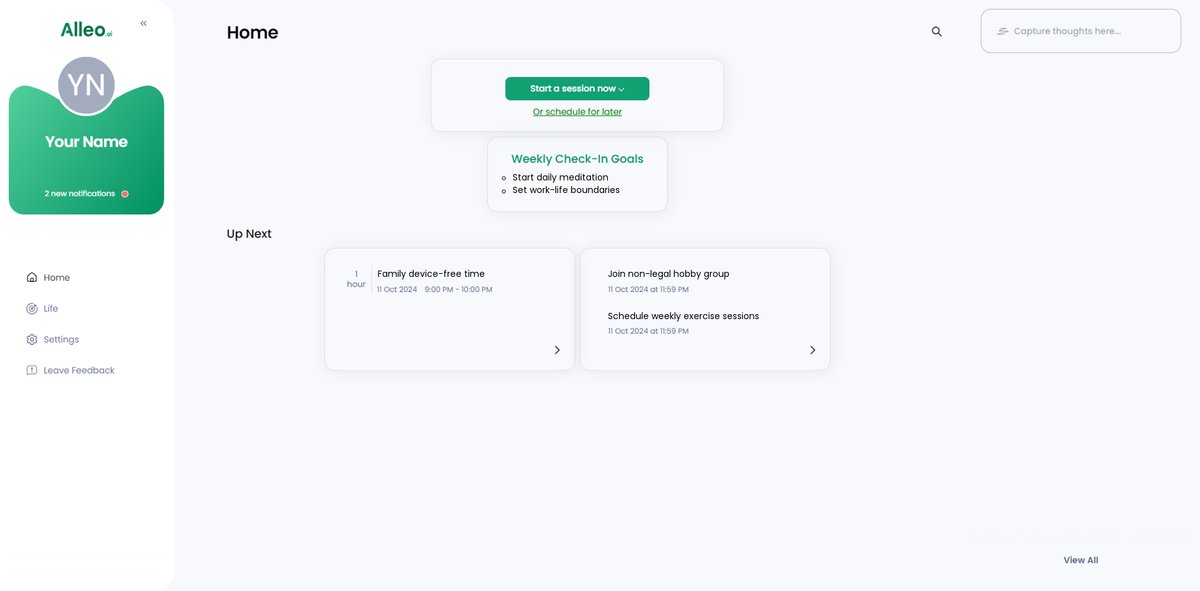
Step 5: Viewing and Managing Goals After the Session
After your coaching session, check the Alleo app’s home page to review and manage the goals you discussed, helping you stay on track with your emotional regulation strategies and work-life balance objectives.
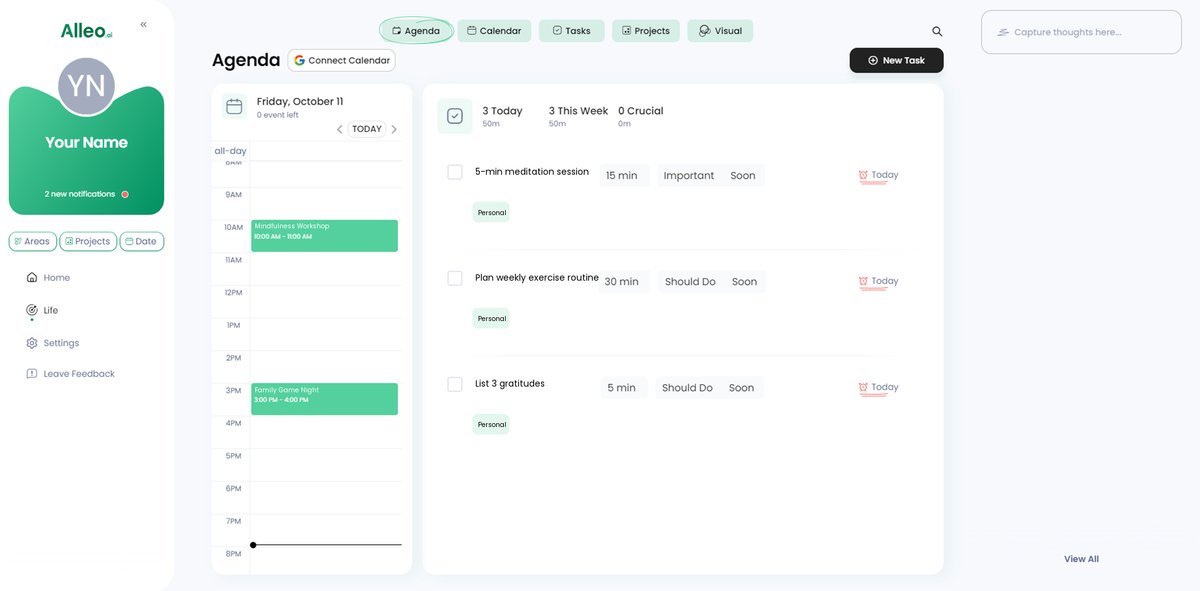
Step 6: Adding Events to Your Calendar
Use Alleo’s calendar feature to schedule your mindfulness sessions, exercise routines, and family time, helping you track your progress in improving emotional regulation and maintaining a healthy work-life balance.
Bringing It All Together for Emotional Balance
Facing the challenges of balancing a legal career and family life is tough. But with the right lawyers’ emotional regulation strategies, you can improve your emotional intelligence in law practice and overall well-being.
Remember, small steps lead to big changes. Start with daily mindfulness practices for lawyers, self-awareness exercises, and set firm work-life balance in the legal profession.
Regular physical exercise, engaging in hobbies, and scheduling device-free family time can make a huge difference. These stress management practices for attorneys help create a more balanced, fulfilling life.
Alleo is here to support you every step of the way. With personalized coaching, you can manage stress and find emotional balance, implementing effective coping mechanisms for high-stress legal careers.
Take the first step today. Try Alleo for free and start your journey to a calmer, more satisfying life, enhancing your time management skills for lawyers and preventing burnout.