6 Powerful Strategies to Boost Workplace Social Skills for Post-Pandemic Young Professionals
Imagine walking into your first post-pandemic team meeting and feeling a wave of anxiety because you’re unsure how to interact with your colleagues. This scenario highlights the importance of improving workplace social skills post-pandemic.
As a life coach, I’ve helped many professionals navigate these challenges. In my experience, young professionals who missed out on in-person socializing during pandemic lockdowns now face significant hurdles in developing appropriate social skills and boundaries in office environments. This includes adapting to new social norms at work and overcoming social anxiety in professional settings.
In this article, you’ll discover actionable steps to improve your workplace social skills post-pandemic. We’ll cover strategies like active listening, networking, and participating in mentoring programs. These skills are crucial for effective communication in hybrid work environments and building rapport with colleagues virtually.
Let’s dive in and explore how to balance professionalism and authenticity at work while mastering small talk and conversation starters.

Understanding the Social Skill Challenges Post-Pandemic
The social isolation during the pandemic has left young professionals struggling with workplace dynamics and the need for improving workplace social skills post-pandemic. Many clients report issues like misinterpreting feedback and difficulty building rapport with colleagues virtually.
For example, it’s common for young professionals to misinterpret constructive criticism as personal attacks. This misunderstanding often leads to a lack of confidence and increased anxiety, highlighting the importance of emotional intelligence in the workplace.
Building relationships in a hybrid work environment is another significant challenge. In my experience, people often find it hard to connect with colleagues they rarely see in person, emphasizing the need for effective communication in hybrid work environments.
This can lead to feelings of isolation and frustration.
Addressing these issues is crucial for both personal and professional growth. Let’s explore some practical steps to overcome these hurdles and improve workplace social skills post-pandemic.

Key Steps to Develop Strong Workplace Social Skills
Improving workplace social skills post-pandemic requires a few key steps. Here are the main areas to focus on to make progress:
- Practice active listening in workplace conversations: Show engagement and avoid interruptions, enhancing effective communication in hybrid work environments.
- Join employee resource groups for networking: Participate actively in discussions and events, developing networking strategies for remote professionals.
- Participate in mentoring programs as a mentee: Find a mentor and implement their advice, building rapport with colleagues virtually.
- Develop clear communication skills for meetings: Prepare and use direct language, adapting to new social norms at work.
- Engage in role-playing exercises for social scenarios: Role-play interactions to enhance understanding and overcome social anxiety in professional settings.
- Attend workplace social events to build relationships: Commit to attending and engaging in conversations, mastering small talk and conversation starters.
Let’s dive in!
1: Practice active listening in workplace conversations
One of the most effective ways to improve workplace social skills post-pandemic is by practicing active listening, which is crucial for effective communication in hybrid work environments.
Actionable Steps:
- Summarize key points: After a colleague speaks, summarize their main points back to them. This shows you are engaged and understand their message, helping to build rapport with colleagues virtually.
- Use non-verbal cues: Nodding and maintaining eye contact can indicate that you are paying attention. These cues help build rapport and demonstrate emotional intelligence in the workplace.
- Avoid interruptions: Let colleagues finish their thoughts before responding. This demonstrates respect and patience in conversations, crucial for navigating office politics in the digital age.
Explanation:
Active listening helps build trust and improves communication in the workplace. By summarizing, using non-verbal cues, and avoiding interruptions, you show that you value your colleagues’ input and adapt to new social norms at work.
According to UND Today, young professionals often struggle with these aspects, making active listening essential for effective workplace interactions and developing leadership skills for young professionals.
Key benefits of active listening include:
- Improved understanding of colleagues’ perspectives
- Enhanced ability to build rapport and trust
- Reduced misunderstandings and conflicts
By practicing these steps, you’ll enhance your communication skills and foster better relationships with your colleagues, improving workplace social skills post-pandemic and balancing professionalism and authenticity at work.
2: Join employee resource groups for networking
Joining employee resource groups can significantly boost your networking opportunities and enhance workplace social skills post-pandemic.
Actionable Steps:
- Identify your interests: Look for an employee resource group that aligns with your personal or professional interests. This makes participation more engaging and relevant, helping you in improving workplace social skills post-pandemic.
- Participate actively: Attend group meetings and contribute to discussions and events. Active participation helps you build connections and showcase your skills, which is crucial for effective communication in hybrid work environments.
- Volunteer for projects: Offer to help with a project or join a committee. This deepens your involvement and strengthens your network within the group, providing networking strategies for remote professionals.
Explanation:
Engaging in employee resource groups provides a structured way to build professional relationships and improve workplace social skills post-pandemic. According to Eurofound, young professionals benefit from networking to navigate their career paths.
By identifying relevant groups, participating actively, and volunteering for projects, you can enhance your social skills and create valuable connections, which is essential for building rapport with colleagues virtually.
This approach not only improves your networking but also integrates you more into the workplace culture, helping you adapt to new social norms at work.

3: Participate in mentoring programs as a mentee
Participating in mentoring programs can provide guidance and support in improving workplace social skills post-pandemic and navigating workplace challenges.
Actionable Steps:
- Find a mentor: Reach out to a potential mentor within your organization or through professional networks. Look for someone whose experience aligns with your career goals and can help with developing leadership skills for young professionals.
- Schedule regular check-ins: Set up monthly meetings with your mentor to discuss your progress, challenges, and goals, focusing on effective communication in hybrid work environments.
- Implement feedback: Apply your mentor’s advice to your daily work and reflect on the outcomes to continuously improve your emotional intelligence in the workplace.
Explanation:
Mentoring programs offer invaluable insights and personalized guidance. They help you navigate the complexities of workplace dynamics and enhance your social skills, including adapting to new social norms at work.
According to AACSB, mentoring can significantly improve career readiness and personal growth.
By following these steps, you’ll foster a supportive relationship that can lead to professional success and confidence, helping you in networking strategies for remote professionals and building rapport with colleagues virtually.
These strategies will help you build a strong foundation for your career and improve workplace social skills post-pandemic.
4: Develop clear communication skills for meetings
Developing clear communication skills for meetings is essential for improving workplace social skills post-pandemic and ensuring your ideas are understood and valued.
Actionable Steps:
- Prepare in advance: Outline key points and questions you want to discuss. This preparation ensures you stay focused and articulate during meetings, which is crucial for effective communication in hybrid work environments.
- Use concise language: Practice expressing your ideas in a clear and direct manner. This helps avoid confusion and keeps discussions on track, especially when navigating office politics in the digital age.
- Seek feedback: Ask colleagues for input on your communication style and make necessary adjustments. This will help you continuously improve and adapt to new social norms at work.
Explanation:
Effective communication in meetings can significantly impact your professional growth and is key to improving workplace social skills post-pandemic. By preparing, using concise language, and seeking feedback, you’ll ensure your contributions are clear and impactful, which is essential for building rapport with colleagues virtually.
According to Inspiring Workplaces, adopting assertive communication is crucial for effective leadership and collaboration. Implementing these steps will help you build stronger professional relationships and enhance your workplace presence, even when networking strategies for remote professionals are needed.
Strategies for effective meeting communication:
- Use agenda points to structure your contributions
- Practice active listening during discussions, which demonstrates emotional intelligence in the workplace
- Follow up with written summaries when appropriate, helping to overcome social anxiety in professional settings
Taking these small steps can make a big difference in your confidence and effectiveness during meetings, contributing to developing leadership skills for young professionals.
5: Engage in role-playing exercises for social scenarios
Engaging in role-playing exercises for social scenarios is a powerful way to improve your workplace social skills post-pandemic.
Actionable Steps:
- Partner with a colleague: Practice common workplace interactions like giving and receiving feedback. This helps simulate real-life scenarios and builds rapport with colleagues virtually.
- Attend workshops: Join sessions focused on role-playing to enhance your social skills. These workshops offer structured guidance and feedback, helping you adapt to new social norms at work.
- Incorporate role-playing in team-building: Use role-playing exercises during team activities to improve group dynamics and understanding, fostering effective communication in hybrid work environments.
Explanation:
Role-playing exercises provide a safe space to practice and refine your social skills, making you more confident in real-world interactions and helping you overcome social anxiety in professional settings.
According to Berkeley Parents Network, role-playing is an effective method for improving social skills and understanding group dynamics.
By regularly engaging in these activities, you’ll become better equipped to handle various workplace scenarios and navigate office politics in the digital age.
This approach not only boosts your confidence but also fosters a collaborative work environment, enhancing your emotional intelligence in the workplace.

6: Attend workplace social events to build relationships
Attending workplace social events is crucial for building relationships and integrating into the company culture, especially when improving workplace social skills post-pandemic.
Actionable Steps:
- Commit to attending events: Make a goal to participate in at least one workplace social event each month. This consistency helps you become a familiar face among colleagues and is essential for networking strategies for remote professionals.
- Introduce yourself to new colleagues: Start conversations with people you haven’t met before. This proactive approach can help expand your network and is key to building rapport with colleagues virtually.
- Follow up after events: Send a quick message or email to people you met. Mention something from your conversation to strengthen the connection and practice effective communication in hybrid work environments.
Explanation:
Engaging in social events allows you to build rapport and create meaningful connections with colleagues. These interactions can lead to better teamwork and a more supportive work environment, which is crucial for improving workplace social skills post-pandemic.
According to the University of California, Santa Cruz, fostering a sense of community in the workplace is essential for employee engagement and satisfaction.
Benefits of attending workplace social events:
- Expanded professional network
- Improved team collaboration
- Enhanced understanding of company culture
Building these relationships can significantly enhance your professional network and improve your overall work experience, helping you navigate office politics in the digital age and develop emotional intelligence in the workplace.

Enhance Your Workplace Social Skills with Alleo
We’ve explored the challenges of improving workplace social skills post-pandemic for young professionals. Solving these can benefit your career and personal growth, especially when it comes to effective communication in hybrid work environments.
But did you know you can work directly with Alleo to make this journey easier and faster, helping you master small talk and conversation starters?
Alleo is an AI life coach that provides affordable, tailored coaching support for this specific problem of improving workplace social skills post-pandemic. Setting up an account is easy and can help you in developing leadership skills for young professionals.
Create a personalized plan, and Alleo’s coach will help you overcome social skill challenges and adapt to new social norms at work. The coach will follow up on your progress and handle changes, assisting you in building rapport with colleagues virtually.
You’ll stay accountable via text and push notifications, which can be particularly helpful in overcoming social anxiety in professional settings.
Ready to get started for free and begin improving workplace social skills post-pandemic? Let me show you how!
Step 1: Log In or Create Your Alleo Account
To begin your journey towards better workplace social skills, log in to your existing Alleo account or create a new one if you’re just getting started.

Step 2: Choose Your Goal – Workplace Social Skills
Select “Setting and achieving personal or professional goals” to focus on improving your workplace social skills, which will help you overcome the challenges of post-pandemic professional interactions and build stronger relationships with colleagues.

Step 3: Select “Career” as Your Focus Area
Choose “Career” as your life area to address workplace social skills challenges, aligning with the article’s emphasis on professional development and interpersonal interactions in the office environment.

Step 4: Starting a Coaching Session
Begin your journey with Alleo by scheduling an intake session, where you’ll discuss your workplace social skill goals and create a personalized action plan to improve your interactions with colleagues.

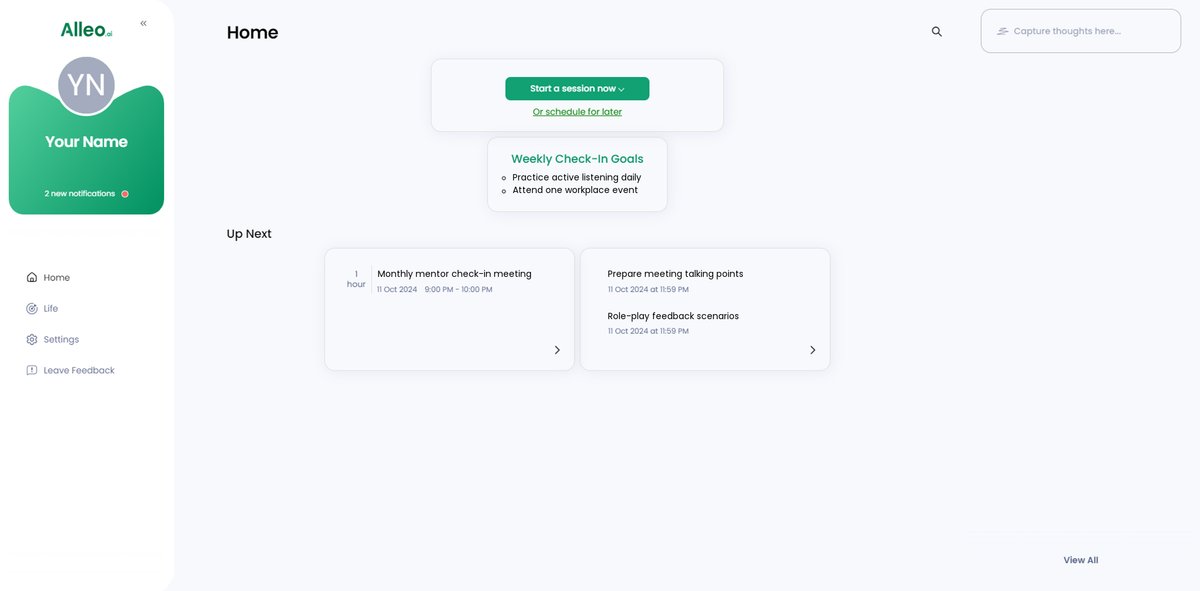
Step 5: Viewing and managing goals after the session
After your coaching session, check the app’s home page to review and manage the workplace social skill goals you discussed with Alleo, ensuring you stay on track with your personal development plan.
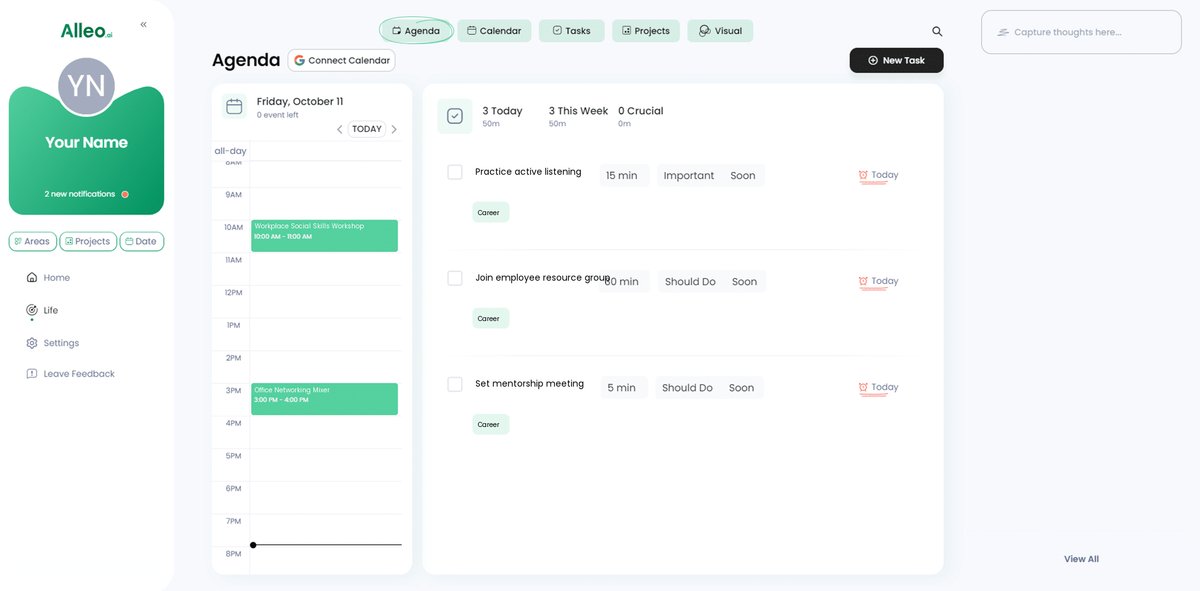
Step 6: Adding events to your calendar or app
Use the calendar and task features in the Alleo app to schedule workplace social events and track your progress in improving social skills, helping you stay accountable and engaged in your professional development journey.
Bringing It All Together: Your Path to Better Workplace Social Skills
As we wrap up, remember that improving workplace social skills post-pandemic is a journey. Each step you take will bring you closer to feeling more confident and connected in professional settings.
Start with active listening and build from there. Join resource groups, find mentors, and practice clear communication for effective communication in hybrid work environments. Develop networking strategies for remote professionals to expand your connections.
Engage in role-playing to practice building rapport with colleagues virtually and attend social events to overcome social anxiety in professional settings.
It’s about small, consistent efforts in adapting to new social norms at work. You’ll see progress over time as you navigate office politics in the digital age.
Alleo is here to support you on this journey of improving workplace social skills post-pandemic. Use the AI life coach to stay on track and achieve your goals in developing leadership skills for young professionals.
Take the first step today towards mastering small talk and conversation starters. You’ve got this!