7 Proven Strategies for Nonprofits to Maximize Impact in Short Grant Applications
Are you struggling to make every word count in your grant applications due to strict word limits? Effective grant writing word limit strategies are essential for nonprofit success.
As a coach for nonprofit leaders, I often see this challenge. Crafting a powerful proposal within these constraints can feel impossible. Mastering concise writing for nonprofits is crucial for securing funding.
In this article, you’ll discover actionable grant application strategies to maximize impact despite word limits. We’ll cover:
- Clear language for effective nonprofit communication
- Compelling summaries for short application techniques
- Visual aids to enhance impactful grant proposals
- Storytelling for crafting compelling grant narratives
- Aligning with funders’ goals for persuasive nonprofit writing
Let’s dive into these grant writing tips to help you excel at maximizing limited word count.

Understanding the Challenge of Word Limits in Grant Applications
Navigating the stringent word limits in grant applications is a common struggle. Many clients initially find it difficult to convey their comprehensive program details and organizational strengths succinctly. Grant writing word limit strategies are crucial for nonprofit funding success.
When you can’t provide detailed information, your chances of securing funding plummet. Missed opportunities can result from not fully showcasing your project’s potential impact. Effective nonprofit communication and crafting compelling grant narratives within these constraints are essential.
In my experience, nonprofit leaders often feel overwhelmed by these constraints. They know the stakes are high but find it hard to fit everything within the limited space. Mastering short application techniques is key to impactful grant proposals.
So, let’s explore how to overcome this challenge effectively, focusing on grant writing tips and strategies for maximizing limited word count.
Key Steps to Maximizing Impact in Short Grant Applications
Overcoming this challenge requires a few key steps. Here are the main areas to focus on to make progress with grant writing word limit strategies.
- Use clear, direct language with minimal jargon: Simplify your language to ensure clarity and engagement in impactful grant proposals.
- Craft a compelling executive summary: Summarize your project’s purpose, objectives, and outcomes concisely, a crucial technique for short applications.
- Prioritize key points for maximum impact: Highlight the most critical information first, essential for effective nonprofit communication.
- Utilize visual aids to convey complex information: Use charts and infographics to present data clearly, maximizing limited word count.
- Tell a story with supporting data and evidence: Use narratives and statistics to make your case compelling, a key strategy for persuasive nonprofit writing.
- Align proposal with funder’s goals and priorities: Tailor your proposal to match the funder’s objectives, crucial for nonprofit funding success.
- Demonstrate measurable outcomes and sustainability: Show how you will achieve and sustain project success, vital for crafting compelling grant narratives.
Let’s dive into these grant application strategies!
1: Use clear, direct language with minimal jargon
In grant applications, clear and direct language is essential to convey your message effectively within word limits. Implementing grant writing word limit strategies can significantly enhance your proposal’s impact.
Actionable Steps:
- Eliminate jargon from your drafts: Use readability tools to simplify language and ensure your message is accessible to all readers, a crucial aspect of effective nonprofit communication.
- Focus on concise, impactful sentences: Limit sentences to 15-20 words and use active voice to enhance clarity and engagement, key for crafting compelling grant narratives.
- Prioritize essential information: Highlight the most critical points in bullet form and use headings to organize content, maximizing limited word count in grant proposals.
Explanation: Taking these steps ensures your proposal is easily understood and engaging while staying within strict word limits, a crucial grant writing tip for nonprofit funding.
Clear communication is crucial for funders to grasp your project’s importance quickly. For more tips on effective communication, check out this guide from Better World.
Key benefits of clear communication in grant writing:
- Increases chances of proposal acceptance
- Facilitates better understanding of project goals
- Demonstrates professionalism and competence
By implementing these grant writing word limit strategies, you can craft a compelling grant application that stands out, even with short application techniques.
2: Craft a compelling executive summary
An executive summary is crucial for capturing the funder’s attention quickly within word limits. Effective grant writing word limit strategies are essential for success.
Actionable Steps:
- Outline the project’s purpose, objectives, and outcomes: Use a structured format to present these elements clearly. Keep it between 150-200 words, employing concise writing for nonprofits.
- Incorporate a brief needs assessment: Use data and evidence to highlight the urgency of the problem. Show how your project addresses specific community needs, demonstrating effective nonprofit communication.
- Emphasize your organization’s capacity and credibility: Mention past successes and relevant experience. Include testimonials or brief anecdotes from beneficiaries to create impactful grant proposals.
Explanation: Crafting a compelling executive summary sets the stage for your proposal, making it easier for funders to grasp your project’s importance. This approach helps convey critical information concisely, maximizing limited word count in grant applications.
For more tips, check out this guide on best practices for organizing grant proposals.
By following these steps, you can create an executive summary that engages funders and increases your chances of success in nonprofit funding through persuasive nonprofit writing and effective grant application strategies.
3: Prioritize key points for maximum impact
Focusing on the most critical information first is essential to make your grant application impactful within word limits. This is one of the crucial grant writing word limit strategies.
Actionable Steps:
- Create a prioritized list of key points: Rank points based on their importance and relevance. Ensure the most critical points are addressed first, a key aspect of effective nonprofit communication.
- Use bullet points for clarity: Break down complex information into digestible bullet points. Use bold or italics to highlight key terms, enhancing your grant writing tips.
- Include only essential details: Avoid unnecessary background information. Focus on what the funder needs to know to make a decision, maximizing limited word count for impactful grant proposals.
Explanation: These steps help you present your proposal’s most vital aspects clearly and concisely, which is crucial for crafting compelling grant narratives.
By doing so, you ensure that funders quickly grasp your project’s significance, increasing your chances of success in nonprofit funding.
For more tips on organizing grant proposals, check out this guide from Funds for NGOs.
Implementing these strategies will help your grant application stand out and make a strong impact on funders, even with short application techniques.
4: Utilize visual aids to convey complex information
Visual aids are essential tools for presenting complex data clearly and concisely in grant applications, helping you maximize your grant writing word limit strategies.
Actionable Steps:
- Incorporate charts and graphs: Use visuals to present data clearly and concisely, ensuring they are relevant and easy to understand, which is crucial for effective nonprofit communication.
- Create infographics to summarize information: Develop infographics that highlight key points and data, making them visually appealing and informative, aiding in crafting compelling grant narratives.
- Include visual timelines for project phases: Map out project milestones and timelines visually, emphasizing critical dates and deliverables, an effective grant application strategy.
Explanation: Utilizing visual aids helps funders quickly grasp essential information, enhancing the clarity and impact of your proposal. This is particularly useful when dealing with short application techniques.
This approach aligns with the increasing trend of using visuals to convey complex information in grant applications, supporting impactful grant proposals. For more insights, check out this guide from Funds for NGOs.
Effective types of visual aids for grant applications, crucial for nonprofit funding:
- Data visualizations (charts, graphs)
- Infographics summarizing key points
- Project timelines and milestone maps
Incorporating these visual aids will make your grant application more compelling and easier to understand, supporting persuasive nonprofit writing and maximizing limited word count in your proposals.
5: Tell a story with supporting data and evidence
Incorporating storytelling with data and evidence can make your grant application more compelling and relatable, especially when dealing with grant writing word limit strategies.
Actionable Steps:
- Begin with a compelling narrative: Start your proposal with a story about the community or beneficiaries your project will impact. Keep it engaging and relatable, using effective nonprofit communication techniques.
- Support your story with data: Include relevant statistics and facts to back up your narrative. Use both qualitative and quantitative data for a comprehensive view, maximizing limited word count in your grant application strategies.
- Include testimonials and quotes: Use quotes from beneficiaries or community leaders to humanize your proposal. Highlight real-world impacts of your project, crafting compelling grant narratives.
Explanation: These steps matter because storytelling, backed by data, makes your proposal memorable and convincing, which is crucial for impactful grant proposals.
Funders appreciate a human element combined with solid evidence. This method aligns with the growing trend of using narratives in grant writing, enhancing nonprofit funding opportunities through persuasive nonprofit writing.
For more tips, check out this guide on telling powerful mission stories.
By following these strategies, you can create a more impactful and persuasive grant application, even with short application techniques and concise writing for nonprofits.
6: Align proposal with funder’s goals and priorities
Aligning your proposal with the funder’s goals and priorities is crucial to increase your chances of securing funding, especially when dealing with grant writing word limit strategies.
Actionable Steps:
- Research the funder’s priorities: Review their mission and past funding decisions. Tailor your proposal to align with their focus areas, using effective nonprofit communication techniques.
- Highlight alignment in your proposal: Clearly state how your project meets the funder’s priorities. Use specific examples to demonstrate alignment, employing persuasive nonprofit writing methods.
- Mention potential collaboration opportunities: Suggest ways to collaborate with the funder. Highlight how the partnership can enhance impact, maximizing limited word count in your grant application.
Explanation: These grant writing tips matter because they show funders that your project aligns with their mission, increasing your chances of success. This approach is essential for crafting compelling grant narratives and impactful grant proposals.
For more insights on nonprofit funding and short application techniques, refer to this guide on best practices for organizing grant proposals.
By following these grant application strategies and concise writing for nonprofits techniques, you can make your proposal more attractive to funders, enhancing your chances of securing the needed funding.
Partner with Alleo for Grant Writing Success
We’ve explored the challenges of maximizing impact in short grant applications and implementing grant writing word limit strategies. But did you know you can work directly with Alleo to make this journey easier and faster?
With Alleo, you get affordable, tailored coaching support to tackle word limits in grant writing and master effective nonprofit communication techniques.
Setting up an account is simple. Create a personalized plan, and start working with Alleo’s AI coach to overcome specific challenges in crafting compelling grant narratives.
The coach provides full coaching sessions, just like a human coach, with a free 14-day trial. No credit card is required.
The AI coach will follow up on your progress, handle changes, and keep you accountable. Receive support via text and push notifications to enhance your grant application strategies and persuasive nonprofit writing skills.
Ready to get started for free and improve your grant writing word limit strategies? Let me show you how!
Step 1: Log In or Create Your Account
To begin maximizing your grant application’s impact with Alleo, log in to your existing account or create a new one to access personalized AI coaching support for overcoming word limits and crafting compelling proposals.

Step 2: Choose “Building better habits and routines”
Select “Building better habits and routines” to develop consistent practices that will help you craft impactful grant applications within word limits, enabling you to create compelling proposals more efficiently and effectively.

Step 3: Select “Career” as Your Focus Area
Choose “Career” as your focus area to align your grant writing skills with professional development, enhancing your ability to craft impactful proposals and secure funding for your nonprofit projects.

Step 4: Starting a Coaching Session
Begin your journey with Alleo by scheduling an intake session to create a personalized plan for overcoming grant writing challenges, setting the stage for future coaching sessions tailored to your specific needs.

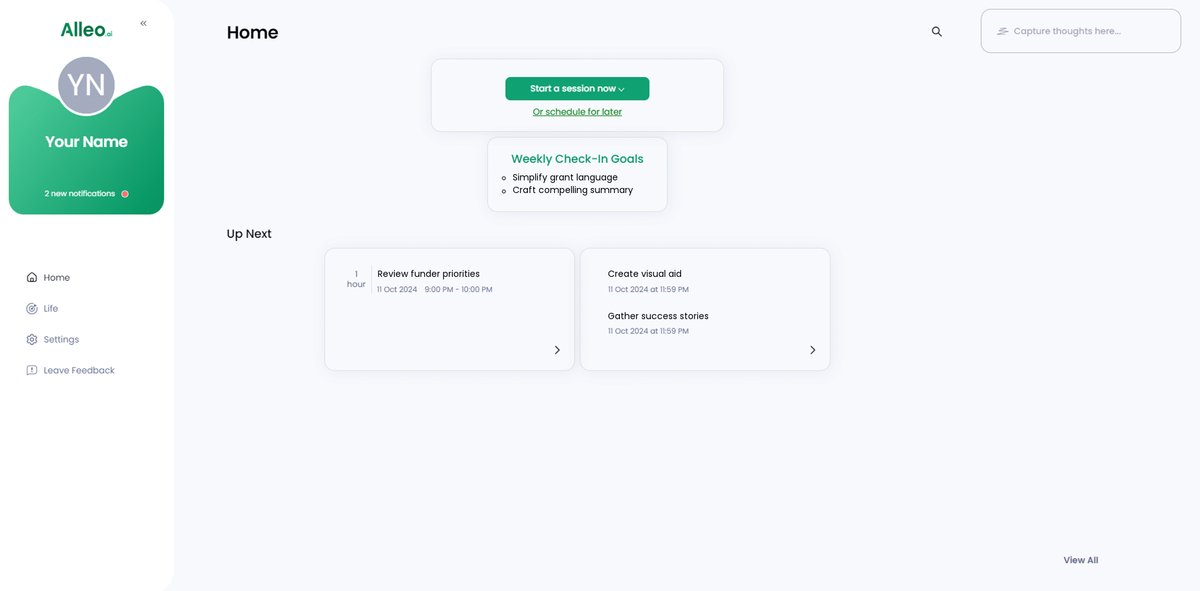
Step 5: Viewing and Managing Goals After the Session
After your coaching session, find the goals you discussed conveniently displayed on the app’s home page, where you can easily track and manage your progress in crafting impactful grant applications within word limits.
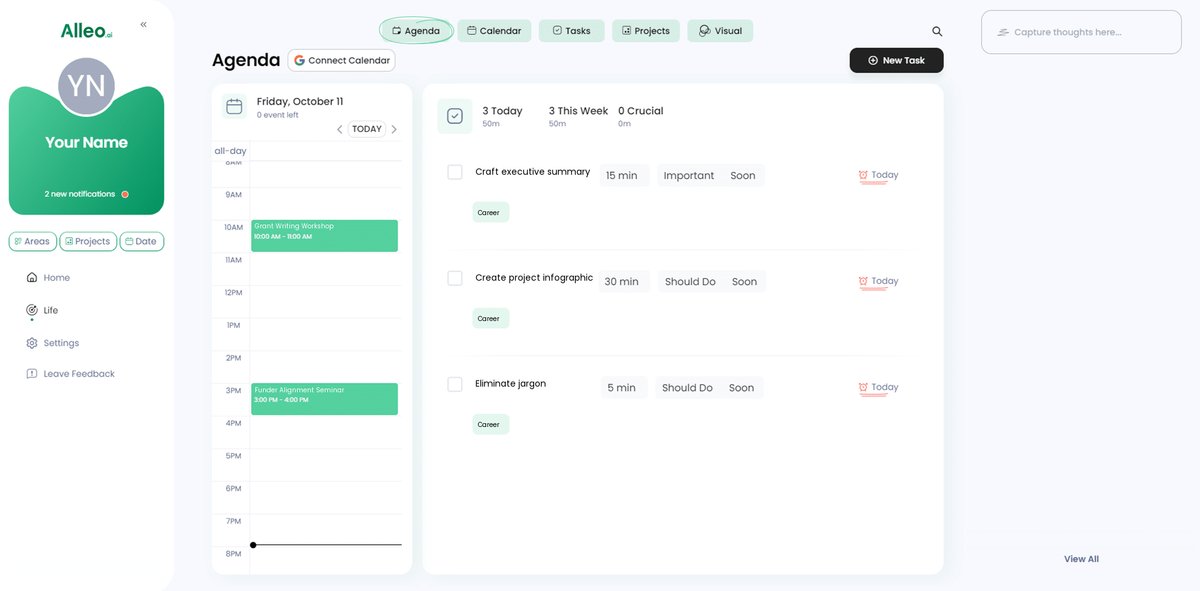
Step 6: Adding events to your calendar or app
Use the calendar and task features in the Alleo app to track your progress on grant writing tasks, allowing you to set deadlines for each section of your application and monitor your success in maximizing impact within word limits.
Wrapping Up: Maximizing Impact in Your Grant Applications
As we draw to a close, remember that every word in your grant application counts, especially when dealing with grant writing word limit strategies.
This journey might seem daunting, but you now have a toolkit to make every word impactful in your nonprofit funding efforts.
By using clear language, crafting compelling grant narratives, prioritizing key points, and incorporating visual aids, you can stand out with effective nonprofit communication.
Don’t forget to align your proposal with funders’ goals and demonstrate measurable outcomes using persuasive nonprofit writing techniques.
You’ve got this!
To make the process even smoother, consider partnering with Alleo for personalized support in maximizing limited word count.
With Alleo, you gain the tools and coaching needed to overcome word limits effectively and master short application techniques.
Try Alleo for free today and experience the difference it can make in crafting impactful grant proposals.
Let’s get started together on refining your grant application strategies!