Remote Work vs. Government Jobs: Your Ultimate Guide to Making the Right Choice
Are you torn between the flexibility of remote work vs government jobs? This choice between remote work benefits and government job stability can be challenging.
As a life coach, I’ve helped many professionals navigate these tough career choices, including work-life balance comparison. In my experience, making an informed decision is crucial for long-term satisfaction and balance when weighing remote work vs government jobs.
In this article, you’ll discover strategies to assess personal preferences, compare benefits like healthcare and retirement, evaluate career growth opportunities, and more. We’ll explore salary differences, job security analysis, and the contrast between flexibility vs. structure.
Let’s dive in to explore remote work vs government jobs, including commute considerations and professional networking in remote vs. government roles.
Understanding the Challenges of Choosing Between Remote Work and Government Jobs
Deciding between remote work vs government jobs can be overwhelming. Many professionals face challenges like balancing job security and flexibility when considering these career paths.
In my experience, people often find it hard to prioritize what matters most to them. For some, consistent job stability offered by government roles is crucial, while others value the flexibility and remote work benefits of private sector positions.
Personal preferences and values significantly impact this decision. It’s essential to consider how each option aligns with your career growth opportunities and personal life, including factors like healthcare and retirement benefits.
This decision can greatly affect your work-life balance and long-term satisfaction, whether you’re weighing flexibility vs. structure or evaluating commute considerations in remote vs. government roles.
A Roadmap to Choosing Between Remote Work and Government Jobs
Overcoming this challenge of deciding between remote work vs government jobs requires a few key steps. Here are the main areas to focus on to make progress in your work-life balance comparison.
- Assess personal work style preferences: Identify what work environment suits you best, considering flexibility vs. structure in remote work and government roles.
- Compare benefits packages and job security: Evaluate the perks and stability each option offers, including healthcare and retirement benefits and job security analysis.
- Evaluate career growth opportunities in each: Look into potential career paths and advancement prospects in remote work vs government jobs.
- Consider location and commute implications: Analyze the impact of commute considerations and living conditions for both options.
- Seek advice from professionals in both fields: Get insights from those with experience in each sector, including professional networking in remote vs. government roles.
Let’s dive in!
1: Assess personal work style preferences
Understanding your work style preferences is crucial when deciding between remote work and government jobs. This comparison of remote work vs government jobs is essential for making an informed career choice.
Actionable Steps:
- Take a self-assessment quiz to pinpoint your preferred work environment, whether it’s flexibility, autonomy, or structure.
- Reflect on past job experiences to identify which settings you thrived in and why.
- Create a pros and cons list comparing remote work and government job settings based on your preferences, considering work-life balance comparison and flexibility vs. structure.
Explanation: These steps matter because knowing your work style helps align your job choice with your personal strengths and preferences. For example, a structured environment might suit someone who thrives on routine, while flexibility might benefit those who value autonomy.
This alignment is vital for long-term job satisfaction and productivity.
Key factors to consider in your work style assessment:
- Communication preferences (in-person vs. digital)
- Level of desired autonomy
- Ability to self-motivate
This understanding will also position you well in the current job market, where aligning personal preferences with job roles is increasingly important. For further insights, consider checking out resources on career growth opportunities in remote work vs government jobs.
Carefully assessing your work style will set a solid foundation for the next steps in your decision-making process, including evaluating remote work benefits and government job stability.
2: Compare benefits packages and job security
Understanding the differences in benefits and job security is essential when choosing between remote work and government jobs.
Actionable Steps:
- Research benefits packages: Examine healthcare and retirement benefits, and paid leave offered by both sectors in remote work vs government jobs.
- Analyze job security: Investigate industry trends and stability reports to gauge long-term security and perform a job security analysis.
- Consult HR professionals: Speak with HR experts or use online tools to understand the financial benefits and salary differences.
Explanation: These steps are crucial because knowing the benefits and job security helps you make an informed choice between remote work vs government jobs.
For instance, government jobs often offer robust retirement plans, while private sector roles might provide more flexible perks and remote work benefits.
This understanding aligns your decision with your long-term career goals, current industry trends, and work-life balance comparison.
Taking these steps ensures you evaluate all aspects before making a decision on remote work vs government jobs.
3: Evaluate career growth opportunities in each
Evaluating career growth opportunities is crucial when deciding between remote work and government jobs. This comparison of remote work vs government jobs can significantly impact your professional future.
Actionable Steps:
- Identify potential career paths: Research the typical career trajectories in both the remote private sector and government roles, considering work-life balance comparison.
- Attend industry events: Participate in networking events or webinars to gather first-hand insights from professionals in both fields, focusing on remote work benefits and government job stability.
- Engage in informational interviews: Schedule conversations with current employees in remote private sector jobs and government roles to learn about their career progression and job security analysis.
Explanation: These steps matter because understanding career growth opportunities helps align your decision with your long-term goals in the remote work vs government jobs debate.
For example, government roles might offer more structured advancement, while remote private sector jobs could provide diverse experiences and flexibility vs. structure. This alignment ensures you make an informed choice that fits your career aspirations.
For more insights, consider checking out resources on career development.
Key aspects of career growth to consider:
- Skill development opportunities
- Promotion potential
- Cross-departmental exposure
Doing this will position you well for future success and satisfaction in your chosen career path, whether it’s remote work or a government job.

4: Consider location and commute implications
Evaluating location and commute implications is crucial when choosing between remote work and government jobs, especially when comparing work-life balance in these roles.
Actionable Steps:
- Calculate commute time and costs: Use online tools to estimate the time and expenses associated with commuting to a government job, considering how this differs from remote work benefits.
- Assess the impact on personal life: Reflect on how each job option affects family time, leisure activities, and overall well-being, comparing flexibility vs. structure in remote work vs government jobs.
- Use location-based tools: Evaluate living conditions and amenities near potential government job sites to make an informed decision about your work environment.
Explanation: These steps matter because understanding the location and commute implications helps align your job choice with your lifestyle and personal commitments when deciding between remote work vs government jobs.
For instance, long commutes can reduce family time and increase stress. Using tools to assess living conditions ensures you choose a job that supports your overall well-being, whether it’s the flexibility of remote work or the stability of government jobs.
Carefully considering location and commute implications will set a solid foundation for a balanced work-life integration, regardless of whether you opt for remote work or government employment.
5: Seek advice from professionals in both fields
Getting insights from those experienced in both the remote private sector and government roles is crucial for making an informed decision when weighing remote work vs government jobs.
Actionable Steps:
- Join online forums: Participate in professional groups to ask questions and read discussions related to both fields, including remote work benefits and government job stability.
- Schedule mentoring sessions: Arrange one-on-one talks with industry veterans to gain personalized advice and insights on work-life balance comparison and career growth opportunities.
- Attend career counseling sessions: Engage with career counselors to receive tailored guidance for your specific situation, including salary differences and job security analysis.
Explanation: These steps matter because they provide diverse perspectives and expert advice, helping you weigh the pros and cons more effectively when considering remote work vs government jobs.
For instance, mentoring sessions can offer invaluable first-hand experiences on flexibility vs. structure in different work environments. Engaging in forums allows you to learn from collective wisdom about healthcare and retirement benefits.
These interactions ensure you make a well-rounded decision that aligns with your career goals, considering factors like commute considerations in government jobs versus remote work.
Benefits of seeking professional advice:
- Gain insider knowledge on remote work vs government jobs
- Validate your assumptions about work-life balance and job security
- Expand your professional networking in remote vs. government roles
Taking advice from seasoned professionals will give you a clearer understanding and confidence in your career choice between remote work and government jobs.
Partner with Alleo on Your Career Decision Journey
We’ve explored the challenges of choosing between remote work and government jobs, and how to solve them. When comparing remote work vs government jobs, factors like work-life balance and job security analysis are crucial. But did you know you can work directly with Alleo to make this journey easier and faster?
With Alleo, you can set up an account and create a personalized career plan. Alleo’s AI coach provides affordable, tailored coaching support to help you make an informed decision about remote work vs government jobs, considering aspects like salary differences and flexibility vs. structure.
The coach offers full coaching sessions like any human coach and keeps you accountable via text and push notifications, helping you weigh remote work benefits against government job stability.
Ready to get started for free? Let me show you how!
Step 1: Log In or Create Your Account
To begin your journey towards making an informed career decision between remote work and government jobs, log in to your existing Alleo account or create a new one to access personalized AI coaching support.

Step 2: Choose Your Career Decision Focus
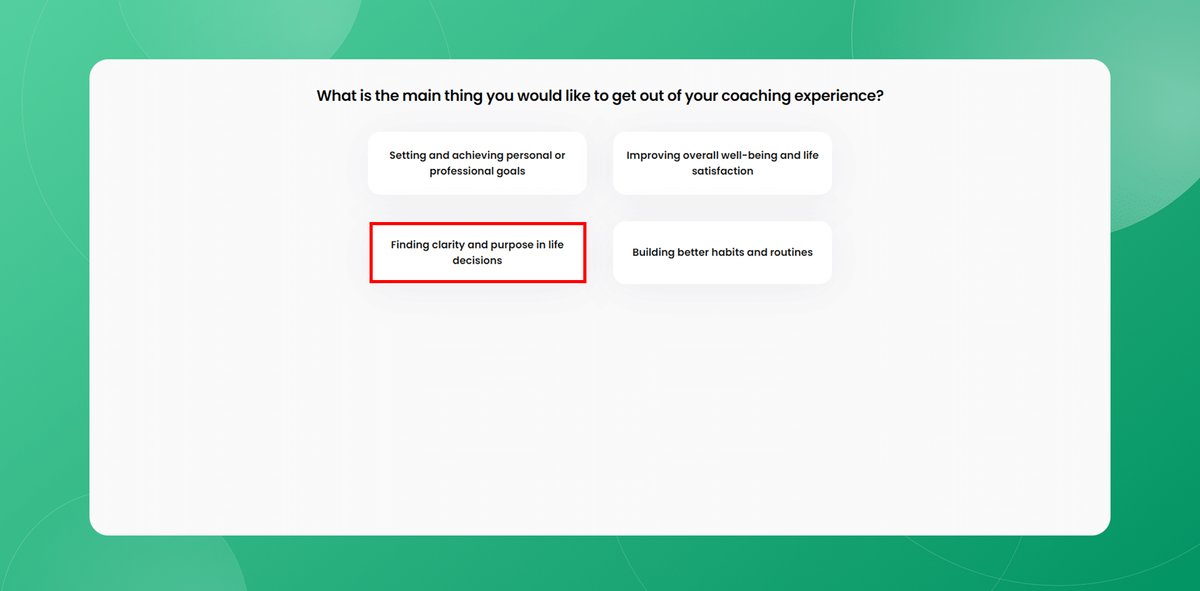
Select “Finding clarity and purpose in life decisions” to start working on your career dilemma between remote work and government jobs. This goal will help you gain clarity on your priorities and align your career choice with your personal values and long-term aspirations.
Step 3: Select “Career” as Your Focus Area
Choose “Career” as your focus area in the Alleo AI coach to get tailored guidance on navigating the decision between remote work and government jobs, aligning with your career goals and preferences discussed in the article.

Step 4: Starting a Coaching Session
Begin your journey with Alleo by scheduling an intake session, where you’ll discuss your career goals and create a personalized plan to help you choose between remote work and government jobs.

Step 5: Viewing and Managing Goals After the Session
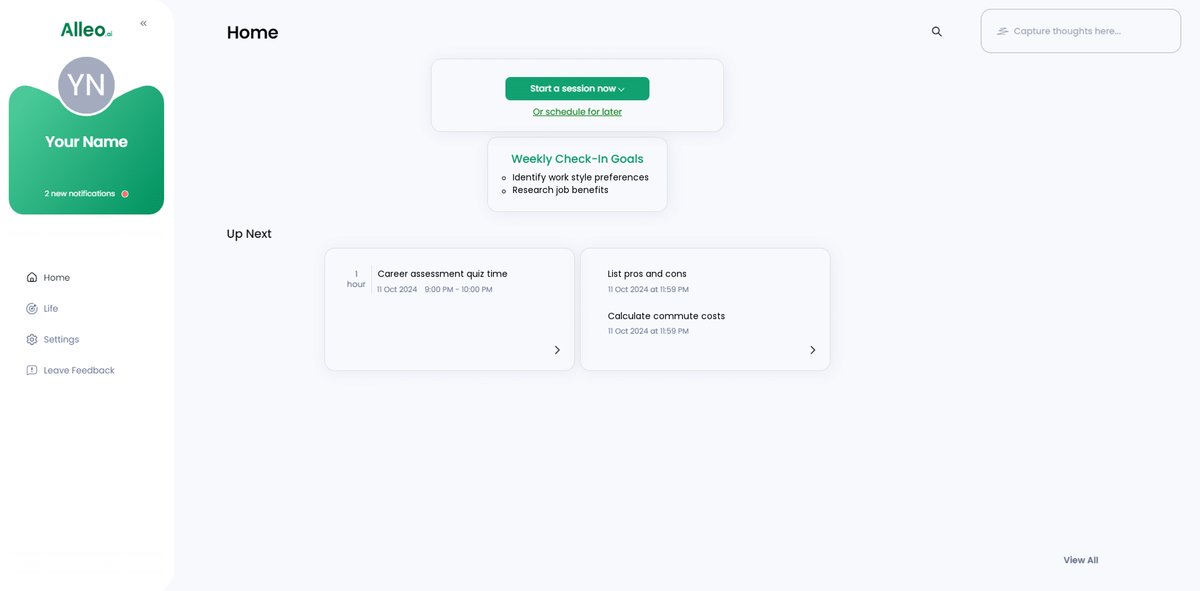
After your coaching session on choosing between remote work and government jobs, check the Alleo app’s home page to view and manage the career goals you discussed, helping you stay on track with your decision-making process.
Step 6: Adding events to your calendar or app
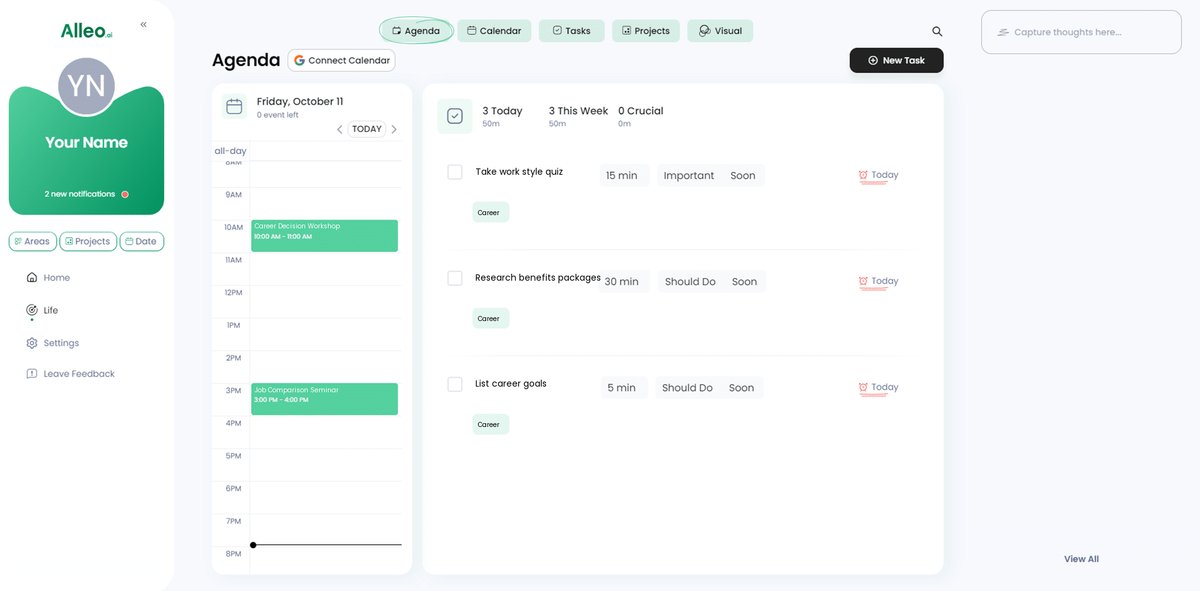
Use Alleo’s calendar and task features to track your progress in solving your career decision problem, easily adding important events like informational interviews or networking opportunities to stay organized and accountable throughout your journey.
Bringing It All Together
Choosing between remote work and government jobs isn’t easy. By now, you’ve explored various strategies to make an informed decision about remote work vs government jobs.
You understand the importance of assessing your work style preferences, comparing remote work benefits and government job stability. You’ve evaluated the work-life balance comparison and salary differences.
You’ve analyzed career growth opportunities in both sectors. You’ve also considered location and commute considerations for remote work vs government jobs.
Finally, you’ve sought advice from experienced professionals about job security analysis and flexibility vs. structure in these roles.
Remember, you’re not alone in this journey. Alleo is here to support you.
With Alleo, you can receive personalized coaching tailored to your needs, including insights on healthcare and retirement benefits. Start your career planning with Alleo today.
It’s free and can make your decision between remote work and government jobs easier.
Take the next step towards a fulfilling career, whether in remote work or government roles. You’ve got this!