How Teachers Can Manage Difficult Student Behaviors: 5 Fundamental Principles for Success
“Imagine starting your day with excitement, only to be met with chaos and disruptions in the classroom. Sound familiar? Managing disruptive classroom behavior can be challenging for educators.”
As a life coach, I’ve helped many educators navigate these challenges. Teachers often face a lack of experience and resources to deal with disruptive behaviors, including effective classroom management strategies and de-escalation techniques.
In this blog, I’ll share actionable strategies to manage difficult student behaviors. You’ll learn how to create a conducive learning environment and implement positive reinforcement in education to enhance student engagement.
Let’s dive into effective methods for managing disruptive classroom behavior.

Understanding the Challenges of Managing Disruptive Behaviors
Navigating the chaos of managing disruptive classroom behavior is a daily struggle for many teachers. Without adequate training and resources in classroom management strategies, it becomes even more daunting.
In my experience, educators often feel overwhelmed and unsupported when dealing with disruptive behaviors. This lack of support can lead to burnout and frustration, hindering effective classroom management.
Consider a classroom where students frequently interrupt lessons, challenging teachers to maintain a productive learning environment and implement student engagement methods.
I’ve noticed that when teachers don’t have effective strategies for managing disruptive classroom behavior, minor disruptions can quickly escalate. This not only affects the teacher’s ability to teach but also the students’ ability to learn, emphasizing the need for de-escalation techniques for teachers.
The problem of managing disruptive classroom behavior is pervasive and impacts the whole classroom. Teachers need practical solutions to manage these behaviors effectively, such as positive reinforcement in education and behavior intervention plans.
Five Key Strategies for Managing Difficult Student Behaviors
Managing disruptive classroom behavior requires a few key steps. Here are the main classroom management strategies to focus on to make progress.
- Establish clear expectations and routines: Set behavior expectations and create consistent routines to foster a positive classroom environment.
- Implement positive reinforcement strategies: Reward good behavior with meaningful incentives, incorporating positive reinforcement in education.
- Use non-verbal cues to redirect behavior: Use signals and proximity as de-escalation techniques for teachers to manage disruptions.
- Build strong connections with students: Foster relationships through individual attention, enhancing student engagement methods.
- Practice consistent, fair consequences: Apply clear, fair consequences for misbehavior, integrating behavior intervention plans when necessary.
Let’s dive in!
1: Establish clear expectations and routines
Establishing clear expectations and routines is vital for managing disruptive classroom behavior and implementing effective classroom management strategies.
Actionable Steps:
- Create a classroom contract with students to set clear behavior expectations. Involve students in the process to ensure buy-in and promote social-emotional learning in schools.
- Develop a daily routine that includes specific times for activities and transitions. Display this routine prominently in the classroom to enhance student engagement methods.
- Use visual aids, such as charts and posters, to reinforce rules and routines. Regularly review these with students as part of creating a positive classroom environment.
Explanation: Establishing clear expectations and routines helps create a structured environment where students know what to expect. This predictability reduces anxiety and misbehavior, fostering a more conducive learning atmosphere and supporting trauma-informed teaching practices.
According to Schools That Lead, well-established routines help students thrive, leading to better classroom management and academic success.
Key benefits of clear expectations and routines:
- Reduces student anxiety and uncertainty
- Promotes self-regulation and independence
- Increases instructional time and productivity
With clear expectations and routines in place, teachers can create a positive and predictable classroom environment, setting the stage for effective learning and managing disruptive classroom behavior.

2: Implement positive reinforcement strategies
Implementing positive reinforcement strategies is essential for managing disruptive classroom behavior and maintaining a positive classroom environment.
Actionable Steps:
- Create a reward system, such as a sticker chart or token economy, to reinforce good behavior. Ensure rewards are meaningful and achievable as part of your classroom management strategies.
- Provide specific and immediate praise for positive behaviors. Focus on effort and improvement, not just outcomes, to enhance student engagement methods.
- Incorporate group rewards to foster a sense of community and collective responsibility among students, supporting social-emotional learning in schools.
Explanation: Positive reinforcement helps students understand which behaviors are desired and motivates them to repeat those behaviors, effectively managing disruptive classroom behavior.
According to CMDI, reward systems can promote positive behavior in the classroom.
When students receive recognition for their efforts, they are more likely to stay engaged and motivated, leading to a more harmonious learning environment and reducing the need for de-escalation techniques for teachers.
Taking these steps can transform your classroom into a supportive and encouraging space for all students, aligning with trauma-informed teaching practices and creating a positive classroom environment.
3: Use non-verbal cues to redirect behavior
Using non-verbal cues to redirect behavior is essential for managing disruptive classroom behavior and maintaining a smooth and uninterrupted classroom environment.
Actionable Steps:
- Develop a set of non-verbal signals, such as hand gestures or eye contact, to manage minor disruptions without interrupting the lesson, enhancing classroom management strategies.
- Use proximity control by moving closer to disruptive students to refocus their attention and reduce misbehavior, a key de-escalation technique for teachers.
- Implement visual cues, like a traffic light system, to indicate acceptable noise levels and behavior standards in real-time, supporting student engagement methods.
Explanation: These non-verbal techniques help teachers manage classroom behavior quietly and efficiently, preserving instructional flow and creating a positive classroom environment.
According to Brightwheel, non-verbal cues such as gestures and visual aids can effectively redirect behavior without drawing negative attention to the student, aligning with positive reinforcement in education principles.
This approach fosters a positive and respectful learning environment, which is crucial for student engagement and classroom harmony, supporting social-emotional learning in schools.
Effective non-verbal cues for behavior management:
- Silent hand signals for common instructions, enhancing classroom management strategies
- Strategic teacher positioning in the classroom, aiding in managing disruptive classroom behavior
- Facial expressions to convey approval or redirection, supporting positive reinforcement in education
Implementing these strategies can significantly reduce disruptions and create a more focused and productive classroom, contributing to effective behavior intervention plans.
4: Build strong connections with students
Building strong connections with students is crucial for creating a supportive and engaging classroom environment, which is essential for managing disruptive classroom behavior.
Actionable Steps:
- Spend time discovering students’ interests and strengths. Use this information to build rapport and trust, enhancing student engagement methods.
- Hold regular one-on-one check-ins with students. Discuss their progress, address concerns, and set goals together, incorporating social-emotional learning in schools.
- Celebrate student achievements. Encourage peer support to foster a positive classroom environment.
Explanation: When teachers connect with students on a personal level, it enhances trust and respect, which improves classroom behavior and supports effective classroom management strategies.
According to Everything Just So, developing personal connections helps manage difficult students more effectively. By knowing their interests and strengths, teachers can tailor their approach, making students feel valued and understood, which is a key aspect of trauma-informed teaching practices.
Taking these steps will help create a classroom environment where students feel connected and motivated to learn, reducing the need for de-escalation techniques for teachers.
5: Practice consistent, fair consequences
Practicing consistent, fair consequences is crucial for managing disruptive classroom behavior and maintaining classroom order and student respect.
Actionable Steps:
- Clearly define and communicate the consequences for misbehavior, ensuring they are fair and proportional to the infraction as part of effective classroom management strategies.
- Apply consequences consistently to all students, avoiding favoritism or exceptions. This helps maintain credibility and fairness in behavior intervention plans.
- Use restorative practices, such as conflict resolution circles, to address behavioral issues and repair relationships, incorporating restorative justice in education.
Explanation: Fair and consistent consequences help establish a predictable environment where students understand the outcomes of their actions. This approach fosters respect and accountability, supporting social-emotional learning in schools.
According to Everything Just So, maintaining consistency in consequences is vital for effective classroom management. By implementing these steps, teachers can create a fair and structured learning space while managing disruptive classroom behavior.
Key elements of effective consequence implementation:
- Clear communication of rules and expectations
- Logical connection between misbehavior and consequence
- Opportunity for reflection and growth after misconduct, aligning with trauma-informed teaching practices
This strategy ensures a balanced approach to discipline and encourages positive behavior among students, contributing to creating a positive classroom environment.
Transform Your Classroom with Alleo
We’ve explored how to manage disruptive classroom behavior and implement effective classroom management strategies. Solving these challenges can make teaching more enjoyable and improve student engagement methods.
Did you know you can work with Alleo to make this process easier and enhance your de-escalation techniques for teachers?
Alleo is an AI life coach and organizer. It helps teachers set and achieve classroom management goals, including creating a positive classroom environment.
With Alleo, you can plan effective routines and track student behavior, incorporating positive reinforcement in education and social-emotional learning in schools.
First, set up your account and create a personalized plan for managing disruptive classroom behavior. Alleo will guide you through each step, including developing behavior intervention plans.
The coach will follow up on your progress and handle any changes. It keeps you accountable via text and push notifications, supporting your efforts in collaborative problem-solving with students.
Ready to get started for free and transform your approach to managing disruptive classroom behavior? Let me show you how!
Step 1: Log In or Create Your Account
To begin your journey towards better classroom management, log in to your Alleo account or create a new one if you haven’t already.

Step 2: Choose “Building better habits and routines”
Select “Building better habits and routines” to create a structured classroom environment that promotes positive behavior and minimizes disruptions, directly addressing the challenges of managing difficult student behaviors discussed in the article.

Step 3: Select “Career” as Your Focus Area
Choose “Career” as your focus area in Alleo to access tailored strategies for classroom management, helping you implement effective behavior management techniques and improve your teaching experience.

Step 4: Starting a coaching session
Begin your journey with Alleo by scheduling an initial intake session, where you’ll discuss your classroom management goals and create a personalized plan to address difficult student behaviors.

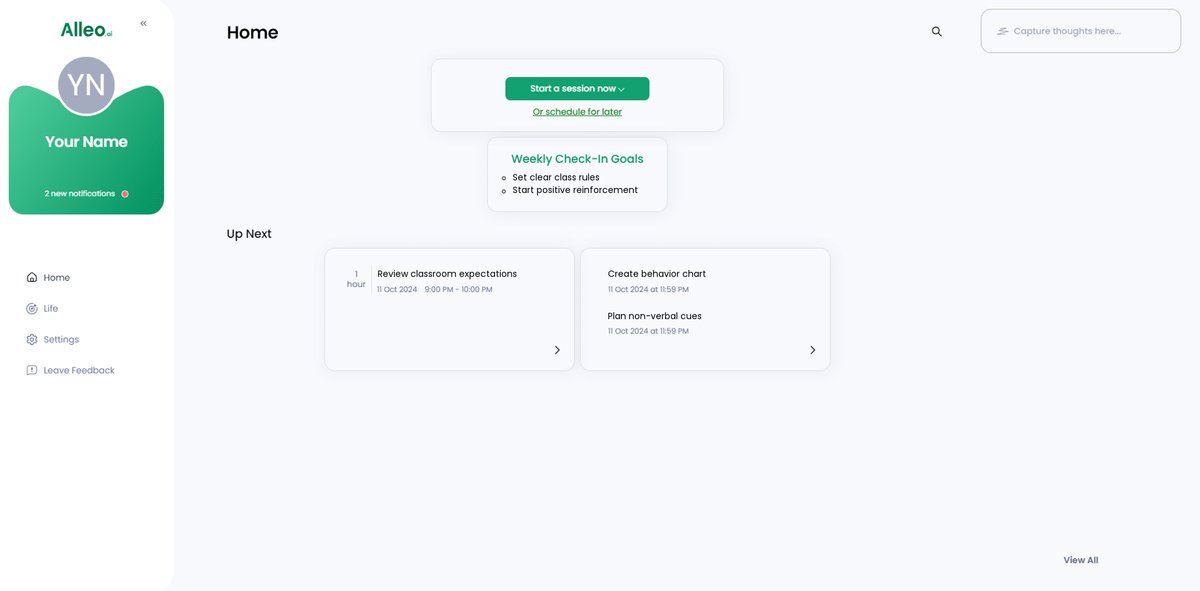
Step 5: Viewing and managing goals after the session
After your coaching session, open the Alleo app and check your home page to find the classroom management goals you discussed, allowing you to easily track and update your progress in creating a more positive learning environment.
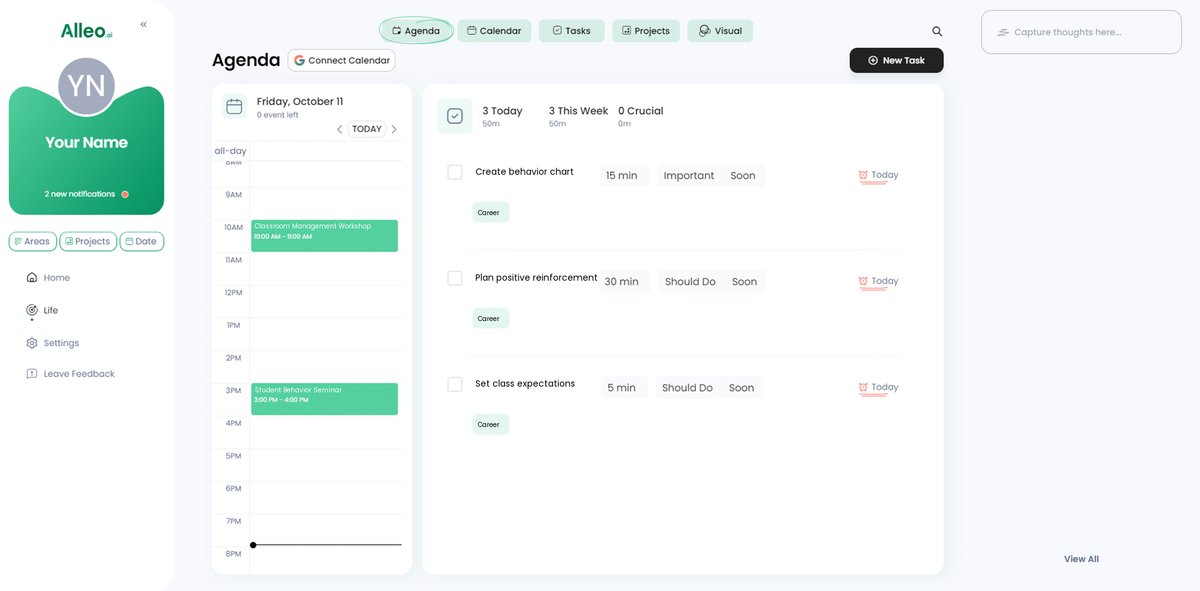
Step 6: Adding events to your calendar or app
Use Alleo’s calendar and task features to easily schedule and track your progress in implementing classroom management strategies, allowing you to stay organized and monitor your success in creating a more positive learning environment.
Wrapping It All Up: Your Path to a Well-Managed Classroom
We’ve explored key strategies for managing disruptive classroom behavior effectively. Implementing clear expectations, positive reinforcement in education, non-verbal cues, strong connections, and fair consequences can transform your classroom management strategies.
I know this journey of creating a positive classroom environment can be challenging. But remember, you’re not alone in developing effective de-escalation techniques for teachers.
As you apply these classroom management strategies, you’ll see positive changes. Your classroom will become a more conducive learning environment, enhancing student engagement methods.
Consider using Alleo to help you along the way. It’s a great tool to keep you on track and support your goals in managing disruptive classroom behavior.
With the right tools and strategies, you can create a positive and productive learning space. Let’s make a difference together in managing disruptive classroom behavior.