7 Proven Strategies to Address Client Concerns About Photo Retouching Decisions
What if your event photos, meant to capture perfect memories, end up causing client dissatisfaction due to retouching decisions? Managing photo retouching client concerns is crucial in professional photo editing practices.
As an experienced coach in the field, I’ve seen how managing client expectations and building trust with photography clients can make or break your reputation.
In this article, you’ll learn actionable strategies to address client concerns about photo retouching, ensuring their satisfaction and your peace of mind. We’ll explore balancing client expectations and artistic vision, as well as transparency in photo manipulation.
Let’s dive in and discover effective techniques for managing client feedback on retouched images.

Understanding Client Complaints About Photo Retouching
Event planners frequently encounter complaints about photo retouching. Clients often feel edits are overdone or unrealistic. Managing photo retouching client concerns is crucial for success in the industry.
This dissatisfaction can damage your reputation and harm future business. Balancing client expectations and artistic vision is essential for professional photo editing practices.
I’ve seen clients struggle with managing client feedback on retouched images. It’s crucial to understand these complaints’ impact on satisfaction and consider ethical considerations in retouching.
From my experience, clear communication and setting expectations are vital when managing photo retouching client concerns.
Many clients report frustration when photos of their children are over-edited. Inconsistent retouching can lead to disappointment and mistrust. Transparency in photo manipulation and explaining photo enhancement techniques can help build trust with photography clients.
Properly managing these concerns is key to maintaining client relationships. Client communication in photo editing and educating clients on photo editing processes are essential for addressing retouching limits and industry standards.

A Roadmap to Managing Client Concerns About Photo Retouching
Overcoming this challenge requires a few key steps. Here are the main areas to focus on to make progress in managing photo retouching client concerns.
- Establish clear retouching guidelines upfront: Create and share a detailed retouching policy during initial consultations to ensure transparency in photo manipulation.
- Provide before-and-after examples for approval: Show examples and gather client feedback to align with their preferences, balancing client expectations and artistic vision.
- Offer tiered retouching packages for choice: Develop packages with varying levels of editing to cater to different needs and professional photo editing practices.
- Use client questionnaires to gauge preferences: Use comprehensive questionnaires to guide the editing process and improve client communication in photo editing.
- Show industry standards for event photo editing: Educate clients about common practices and retouching limits and industry standards.
- Create a collaborative editing process with clients: Involve clients by sharing drafts and seeking input, building trust with photography clients.
- Develop a fair revision policy for retouching: Establish and communicate a clear revision policy upfront for managing client feedback on retouched images.
Let’s dive in to explore these strategies for managing photo retouching client concerns!
1: Establish clear retouching guidelines upfront
Setting clear retouching guidelines from the start is crucial for managing photo retouching client concerns and ensuring satisfaction.
Actionable Steps:
- Develop a comprehensive retouching policy that details standard and additional edits, focusing on professional photo editing practices.
- Share this policy with clients during the initial consultation to set clear expectations and improve client communication in photo editing.
- Include visual examples in the policy to illustrate different retouching levels and explain photo enhancement techniques.
Explanation: Establishing clear guidelines helps prevent misunderstandings and aligns client expectations with your work, balancing client expectations and artistic vision.
This approach fosters transparency in photo manipulation and trust. For more insights on handling customer complaints, check out this resource on customer complaints.
This proactive approach ensures both you and your clients are on the same page from the beginning, building trust with photography clients and addressing ethical considerations in retouching.
2: Provide before-and-after examples for approval
Using before-and-after examples helps clients visualize potential outcomes and ensures their preferences are met when managing photo retouching client concerns.
Actionable Steps:
- Present visual examples from previous projects to show different editing styles and outcomes, demonstrating professional photo editing practices.
- Collect client feedback on these examples to align with their specific tastes and preferences, balancing client expectations and artistic vision.
- Use these approved examples as benchmarks during the editing process to maintain consistency and transparency in photo manipulation.
Explanation: Sharing before-and-after examples fosters transparency and builds trust with photography clients. This approach ensures that client expectations are clearly understood and met through effective client communication in photo editing.
For more information on handling client feedback effectively, refer to this resource on customer complaints.
Incorporating client feedback early on helps prevent misunderstandings and ensures a smoother editing process, while educating clients on photo editing processes.
3: Offer tiered retouching packages for choice
Offering tiered retouching packages gives clients flexibility and control over their photo editing decisions, which is crucial for managing photo retouching client concerns.
Key benefits of tiered packages include:
- Customization options to suit various client needs
- Clear pricing structure for different levels of service
- Flexibility for clients to choose based on their budget and preferences
Actionable Steps:
- Develop multiple retouching packages with varying levels of editing to cater to different client needs and ethical considerations in retouching.
- Clearly explain the differences between packages, including what each level of editing entails, to ensure transparency in photo manipulation.
- Allow clients to choose the package that best fits their vision and budget, balancing client expectations and artistic vision.
Explanation: Offering tiered packages helps manage client expectations by providing clear choices. Clients can select a package that aligns with their preferences and budget, reducing dissatisfaction and improving client communication in photo editing.
This approach also allows you to cater to a broader range of needs while adhering to professional photo editing practices. For more on managing client expectations, refer to this resource on customer complaints.
This strategy ensures clients feel in control and satisfied with their retouching options, building trust with photography clients and effectively managing photo retouching client concerns.
4: Use client questionnaires to gauge preferences
Using client questionnaires helps you understand specific retouching preferences and ensure satisfaction when managing photo retouching client concerns.
Actionable Steps:
- Develop a detailed questionnaire to capture client preferences and concerns about photo retouching, focusing on professional photo editing practices.
- Distribute the questionnaire during initial consultations to gather insights early, improving client communication in photo editing.
- Regularly update the questionnaire based on feedback and emerging trends in retouching limits and industry standards.
Explanation: Understanding client preferences through questionnaires helps tailor your retouching process to meet their expectations. This proactive approach fosters trust and satisfaction, balancing client expectations and artistic vision.
For more tips on managing client feedback on retouched images, visit this resource on customer complaints.
Implementing these steps ensures a personalized experience that aligns with client desires and industry standards, while maintaining transparency in photo manipulation and building trust with photography clients.

5: Show industry standards for event photo editing
Educating clients about industry standards for event photo editing ensures they understand common practices and sets realistic expectations when managing photo retouching client concerns.
Actionable Steps:
- Share a guide on industry standards with clients during initial consultations to facilitate client communication in photo editing.
- Provide reputable sources that outline these standards to back up your practices and address ethical considerations in retouching.
- Use visual aids to demonstrate how industry standards apply to your work, balancing client expectations and artistic vision.
Key industry standards to highlight in professional photo editing practices:
- Acceptable levels of skin retouching
- Color correction and lighting adjustments
- Composition and cropping guidelines
Explanation: Educating clients about industry standards builds trust and helps justify your editing decisions. This approach aligns their expectations with professional norms and promotes transparency in photo manipulation.
For instance, MRSC emphasizes transparency, honesty, and accuracy in communications, which is crucial in managing client expectations and feedback on retouched images.
This strategy ensures clients are well-informed about retouching limits and industry standards, more likely to be satisfied with the final results, and helps in building trust with photography clients while explaining photo enhancement techniques.
6: Create a collaborative editing process with clients
Creating a collaborative editing process with clients is essential for managing photo retouching client concerns and aligning their vision with your expertise while ensuring their satisfaction.
Actionable Steps:
- Share drafts of edited photos at various stages and seek client input, focusing on client communication in photo editing.
- Schedule regular check-ins to discuss progress and address any concerns promptly, balancing client expectations and artistic vision.
- Use collaboration tools or platforms to facilitate seamless communication and feedback exchange, adhering to professional photo editing practices.
Explanation: Engaging clients in the editing process fosters trust and ensures their preferences are met while managing photo retouching client concerns.
This collaborative approach helps avoid misunderstandings and builds stronger client relationships, emphasizing transparency in photo manipulation.
For more tips on handling client feedback, visit this resource on customer complaints.
This strategy ensures a smooth editing process and enhances client satisfaction while managing client feedback on retouched images.

7: Develop a fair revision policy for retouching
Establishing a fair revision policy for retouching ensures clarity and avoids potential conflicts with clients, which is crucial for managing photo retouching client concerns.
Actionable Steps:
- Outline the number of revisions included in your service upfront and specify any additional costs for extra revisions, emphasizing transparency in photo manipulation.
- Communicate this policy clearly during initial consultations to manage expectations and prevent misunderstandings, enhancing client communication in photo editing.
- Offer a satisfaction guarantee or a set number of free revisions to build trust with photography clients and ensure client happiness.
Essential elements of a fair revision policy for managing photo retouching client concerns:
- Clear definition of what constitutes a revision, considering ethical considerations in retouching
- Specified timeframe for requesting revisions, aligning with professional photo editing practices
- Transparent pricing for additional revisions beyond the included amount, balancing client expectations and artistic vision
Explanation: Having a clear revision policy is crucial for managing client expectations and maintaining trust when managing photo retouching client concerns.
By clearly defining revision limits and communicating them early, you prevent misunderstandings and ensure a smoother editing process, while educating clients on photo editing processes.
According to Help Scout, effectively handling customer complaints involves clear communication and setting expectations.
This strategy helps maintain transparency and promotes client satisfaction, addressing retouching limits and industry standards.

Partner with Alleo for Seamless Photo Retouching
We’ve explored how to manage client concerns about photo retouching and how solving them can boost satisfaction. But did you know you can work directly with Alleo to make this process of managing photo retouching client concerns easier and faster?
Setting up an account with Alleo is quick and simple. Create your personalized plan to tackle client retouching concerns head-on, improving client communication in photo editing and balancing client expectations and artistic vision.
Alleo’s AI coach provides affordable, tailored coaching support, just like a human coach, helping you navigate ethical considerations in retouching and professional photo editing practices.
You’ll receive full coaching sessions and a free 14-day trial, no credit card required. Our coach will follow up on progress, handle changes, and keep you accountable via text and push notifications, assisting you in managing client feedback on retouched images and explaining photo enhancement techniques.
Ready to get started for free and enhance your skills in managing photo retouching client concerns?
Let me show you how!
Step 1: Log In or Create Your Account
To start managing your photo retouching concerns with AI coaching, log in to your existing Alleo account or create a new one in just a few clicks.

Step 2: Choose “Building better habits and routines”
Select “Building better habits and routines” to develop a structured approach for managing client expectations and implementing consistent photo retouching practices, helping you address client concerns more effectively and improve overall satisfaction.

Step 3: Selecting the life area you want to focus on
Choose “Career” as your focus area to address photo retouching concerns and enhance your professional skills, aligning perfectly with your goal of improving client satisfaction in event photography.

Step 4: Starting a coaching session
Begin your journey with Alleo by scheduling an intake session, where you’ll discuss your photo retouching concerns and create a personalized plan to improve client satisfaction.

Step 5: Viewing and Managing Goals After the Session
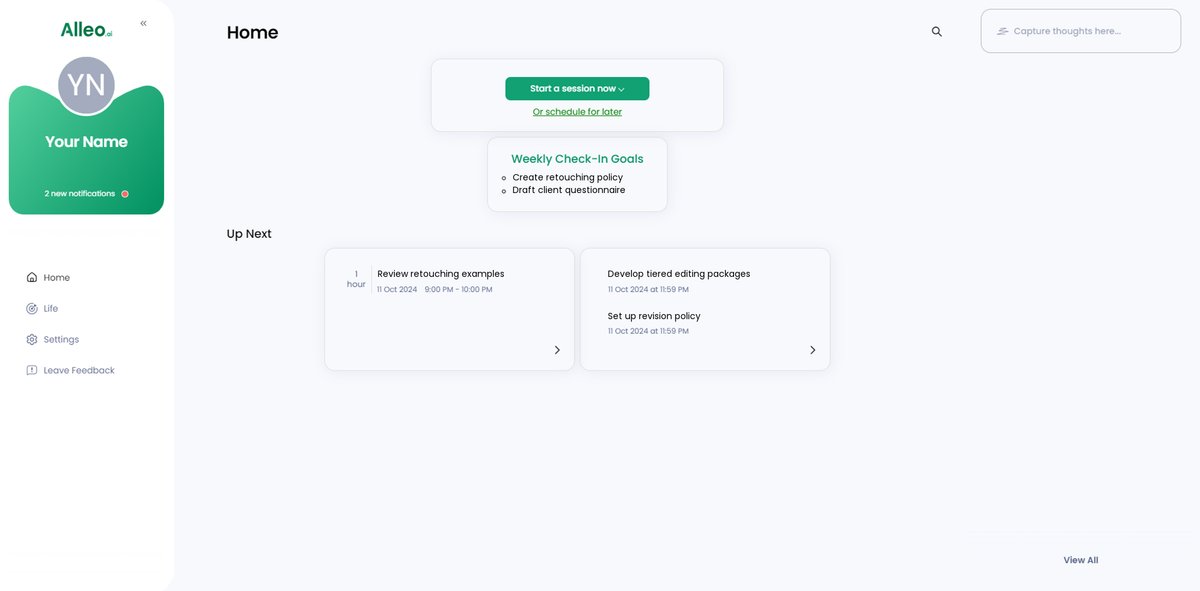
After your coaching session on managing photo retouching concerns, check the Alleo app’s home page to view and manage the goals you discussed, ensuring you stay on track with improving client satisfaction.
Step 6: Adding events to your calendar or app
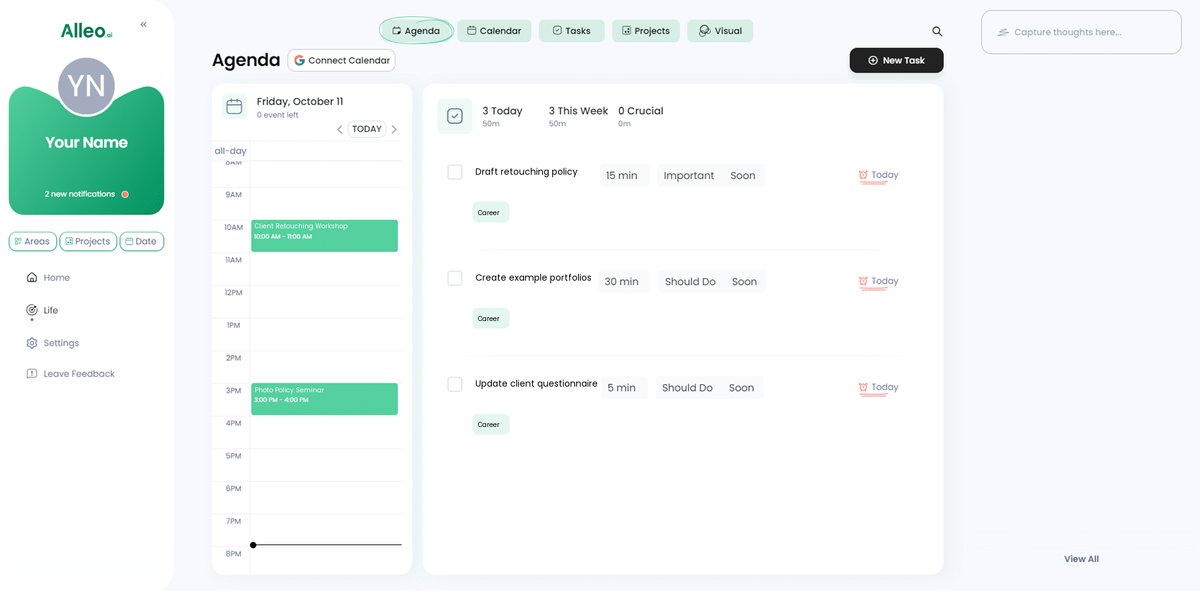
Use the calendar and task features in the Alleo app to schedule and track your progress on implementing the photo retouching strategies, allowing you to easily monitor your efforts in addressing client concerns and improving satisfaction.
Wrapping Up: Ensuring Client Satisfaction in Photo Retouching
You’ve now explored comprehensive strategies for managing photo retouching client concerns. Addressing these issues can transform your client relationships and reputation in professional photo editing practices.
Remember, clear communication and setting expectations are key when managing client feedback on retouched images. Use the actionable steps we’ve discussed to create a structured approach for balancing client expectations and artistic vision.
Empathize with your clients and involve them in the editing process. This builds trust with photography clients and ensures satisfaction while maintaining transparency in photo manipulation.
Consider using Alleo to streamline these processes for managing photo retouching client concerns. It’s a game changer for explaining photo enhancement techniques.
Don’t let retouching concerns hinder your success. Take control, apply these strategies for client communication in photo editing, and enhance your client satisfaction today.
Give Alleo a try and experience the difference in educating clients on photo editing processes.