How to Align Stakeholder Expectations: 6 Fundamental Principles for Successful Project Management
Have you ever faced the frustration of misaligned stakeholder expectations derailing your meticulously planned event? Aligning stakeholder expectations effectively is crucial for project success.
As a life coach, I’ve seen countless event planners struggle with this exact issue. It can feel overwhelming when client demands clash, causing delays and dissatisfaction. Effective communication in project management is key to managing stakeholder conflicts.
In this article, we’ll explore strategies for aligning stakeholder expectations effectively. You’ll learn how to manage client priorities, set clear project goals and objectives, and improve communication. We’ll also touch on project stakeholder management techniques and creating a stakeholder engagement plan.
Ready to dive in? Let’s get started on mastering the art of aligning stakeholder expectations effectively.

Understanding the Challenges of Misaligned Stakeholder Expectations
Misaligned expectations can create chaos in your project timelines and budgets. Many clients underestimate the impact of conflicting priorities on the overall project satisfaction. Aligning stakeholder expectations effectively is crucial for successful project stakeholder management.
In my experience, several event planners face delays due to clients’ changing demands. This not only stretches timelines but also escalates costs, leading to frustration. Effective communication in project management is key to managing stakeholder conflicts and setting clear project goals and objectives.
You might find it tough to keep everyone happy when different stakeholders have varying visions. Consistent communication gaps often amplify these issues, causing more dissatisfaction. Stakeholder analysis techniques can help in balancing competing stakeholder interests.
Addressing these challenges head-on is crucial for ensuring project success and client satisfaction. Let’s explore effective strategies to tackle these problems, including project risk assessment and mitigation, and creating a stakeholder engagement plan for aligning stakeholder expectations effectively.
Key Strategies to Align Stakeholder Expectations
Overcoming this challenge requires a few key steps. Here are the main areas to focus on to make progress in aligning stakeholder expectations effectively:
- Conduct comprehensive stakeholder analysis: Identify and prioritize stakeholders to understand their expectations and concerns using stakeholder analysis techniques.
- Develop tailored communication plans: Create communication channels and schedules that cater to different stakeholder preferences, ensuring effective communication in project management.
- Set clear project goals and expectations: Define SMART objectives and align all stakeholders from the start, focusing on setting clear project goals and objectives.
- Implement regular stakeholder check-ins: Schedule updates and gather feedback to keep stakeholders informed, essential for managing stakeholder conflicts.
- Use visual tools for progress tracking: Implement project management software for real-time visibility and updates, aiding in measuring and reporting project progress.
- Foster collaborative decision-making processes: Organize cross-functional meetings and use collaborative tools to ensure transparent communication, balancing competing stakeholder interests.
Let’s dive in!
1: Conduct comprehensive stakeholder analysis
Conducting a comprehensive stakeholder analysis is crucial for aligning stakeholder expectations effectively and ensuring project success.
Actionable Steps:
- Identify all stakeholders involved using a stakeholder mapping tool for effective project stakeholder management.
- Prioritize stakeholders based on their influence and interest in the project outcomes, a key aspect of stakeholder analysis techniques.
- Gather insights on each stakeholder’s expectations, preferences, and concerns through surveys or one-on-one interviews, facilitating effective communication in project management.
Explanation: Understanding your stakeholders is the first step to meeting their expectations. By identifying and prioritizing stakeholders, you can tailor your communication and engagement strategies to their needs, aligning stakeholder expectations effectively.
This approach ensures that everyone is on the same page, reducing the risk of misaligned expectations and managing stakeholder conflicts. For more detailed tips on managing stakeholders, check out this Forbes article.
Key benefits of comprehensive stakeholder analysis include:
- Improved project alignment and setting clear project goals and objectives
- Enhanced communication strategies for effective project stakeholder management
- Reduced risk of conflicts through project risk assessment and mitigation
Accurate stakeholder analysis sets the foundation for effective communication and project alignment, crucial for aligning stakeholder expectations effectively.

2: Develop tailored communication plans
Developing tailored communication plans is essential for aligning stakeholder expectations effectively and ensuring project success.
Actionable Steps:
- Create communication channels that cater to different stakeholder preferences (e.g., email updates, video calls, in-person meetings) as part of your project stakeholder management strategy.
- Set a regular communication schedule and stick to it, ensuring consistency and reliability in effective communication in project management.
- Design custom communication templates that address specific stakeholder concerns and project milestones, aiding in setting clear project goals and objectives.
Explanation: Tailored communication plans help ensure that all stakeholders receive information in their preferred format, which increases engagement and satisfaction, crucial for aligning stakeholder expectations effectively.
Consistent and reliable communication prevents misunderstandings and keeps everyone on the same page, supporting project risk assessment and mitigation.
Tailoring communication also addresses unique stakeholder needs, making everyone feel valued. For more insights on effective project communication, check out this detailed guide.
These steps will help you create a robust communication strategy that aligns with stakeholder expectations and supports successful project stakeholder management.
3: Set clear project goals and expectations
Setting clear project goals and expectations is essential for aligning stakeholder expectations effectively and ensuring project success.
Actionable Steps:
- Define SMART objectives: Establish Specific, Measurable, Achievable, Relevant, and Time-bound goals for the project, which is crucial for effective project stakeholder management.
- Host a kickoff meeting: Align all stakeholders on project scope, goals, and timelines from the outset, promoting effective communication in project management.
- Document and distribute goals: Ensure all stakeholders receive and understand the agreed-upon project goals and objectives.
Explanation: Clearly defined goals and expectations help prevent misunderstandings and keep everyone on the same page, which is key to aligning stakeholder expectations effectively.
By setting SMART objectives, you create a measurable and realistic framework for success. Hosting a kickoff meeting ensures everyone is aligned from the start, facilitating project stakeholder management.
Documenting and distributing the goals provides a reference point for all stakeholders, boosting accountability. For more insights, check out this guide on successful project management.
These steps lay a strong foundation for clear communication and project alignment, essential for effectively aligning stakeholder expectations.

4: Implement regular stakeholder check-ins
Implementing regular stakeholder check-ins is crucial for aligning stakeholder expectations effectively and managing project stakeholder management throughout the project lifecycle.
Actionable Steps:
- Schedule regular status update meetings: Set up consistent meetings to keep stakeholders informed about project progress and ensure effective communication in project management.
- Use feedback mechanisms: Implement surveys or feedback forms to gauge stakeholder satisfaction, promptly address concerns, and assist in measuring and reporting project progress.
- Assign a project liaison: Designate a team member to ensure continuous communication, address stakeholder issues in real-time, and facilitate stakeholder analysis techniques.
Explanation: Regular check-ins help maintain transparency and ensure all stakeholders are on the same page. These meetings provide opportunities to address concerns, adjust plans as needed, and enhance overall satisfaction by aligning stakeholder expectations effectively.
Consistent feedback mechanisms also allow for proactive problem-solving and project risk assessment and mitigation. For more insights, read this detailed guide on stakeholder engagement.
Consistent stakeholder check-ins foster trust and collaboration, leading to successful project outcomes and balancing competing stakeholder interests.
5: Use visual tools for progress tracking
Using visual tools for progress tracking is essential for aligning stakeholder expectations effectively and ensuring stakeholders remain informed throughout the project lifecycle.
Actionable Steps:
- Implement project management software: Use tools that provide real-time visibility into project status, such as Gantt charts and Kanban boards, to enhance project stakeholder management.
- Share visual progress reports: Regularly update stakeholders with visual reports to keep them aware of the project’s development, facilitating effective communication in project management.
- Highlight key performance indicators (KPIs): Use dashboards to showcase critical milestones and performance metrics, aiding in measuring and reporting project progress.
Explanation: Visual tools help streamline communication by presenting complex information in an easily digestible format, crucial for aligning stakeholder expectations effectively.
This approach ensures stakeholders stay informed and engaged, reducing misunderstandings and increasing satisfaction. For more tips on effective project tracking, check out this useful guide.
Key visual tools for effective progress tracking and aligning stakeholder expectations effectively:
- Gantt charts
- Kanban boards
- Burndown charts
These steps will help you keep stakeholders aligned and your project on track, supporting effective project stakeholder management and communication.
6: Foster collaborative decision-making processes
Fostering collaborative decision-making processes is crucial for aligning stakeholder expectations effectively and ensuring project success.
Actionable Steps:
- Organize cross-functional team meetings: Ensure all stakeholders have a voice in decision-making by scheduling regular meetings, supporting effective communication in project management.
- Utilize collaborative tools: Implement shared documents and project management platforms to facilitate transparent communication and project stakeholder management.
- Encourage a culture of open feedback: Promote active listening and open feedback to build trust and collaboration among stakeholders, helping in managing stakeholder conflicts.
Explanation: Collaborative decision-making ensures that all stakeholders feel heard and valued, fostering a sense of ownership and commitment to the project, which is essential for aligning stakeholder expectations effectively.
By using collaborative tools and promoting open feedback, you can enhance transparency and trust. This approach not only aligns expectations but also improves project outcomes and aids in project risk assessment and mitigation.
For more insights, check out this guide on stakeholder engagement.
Benefits of collaborative decision-making:
- Increased stakeholder buy-in
- Better problem-solving outcomes
- Enhanced team cohesion
Implementing these steps will help create a collaborative environment, ensuring aligned stakeholder expectations and project success through effective project stakeholder management.
Partner with Alleo to Align Stakeholder Expectations
We’ve explored the challenges of aligning stakeholder expectations effectively for successful project management. Did you know you can work directly with Alleo to make this process of project stakeholder management easier and faster?
Alleo, your AI life coach, offers tailored support to manage stakeholder expectations and create a stakeholder engagement plan. Start by setting up an account and creating a personalized plan for effective communication in project management.
Alleo’s coach will guide you through the process of setting clear project goals and objectives, providing full coaching sessions just like a human coach.
Alleo will help you set clear goals, plan your schedule, and track progress. The coach will follow up on your progress, handle changes, and keep you accountable with text and push notifications, assisting in measuring and reporting project progress.
Alleo’s affordable coaching support includes a free 14-day trial, with no credit card required.
Ready to get started for free? Let me show you how to begin aligning stakeholder expectations effectively!
Step 1: Log In or Create Your Account
To start aligning your stakeholder expectations with Alleo, Log in to your account or create a new one to access your personalized AI coaching dashboard.

Step 2: Choose Your Focus Area
Select “Setting and achieving personal or professional goals” to align your objectives with effective stakeholder management. This focus will help you develop clear targets and strategies, mirroring the project goal-setting techniques discussed in the article, and ultimately lead to better alignment with stakeholders’ expectations.

Step 3: Select “Career” as Your Focus Area
Choose “Career” as your focus area in Alleo to tackle stakeholder alignment challenges head-on, as this directly impacts your event planning success and professional growth.

Step 4: Starting a Coaching Session
Begin your journey with Alleo by scheduling an intake session to discuss your event planning challenges and create a personalized strategy for aligning stakeholder expectations.

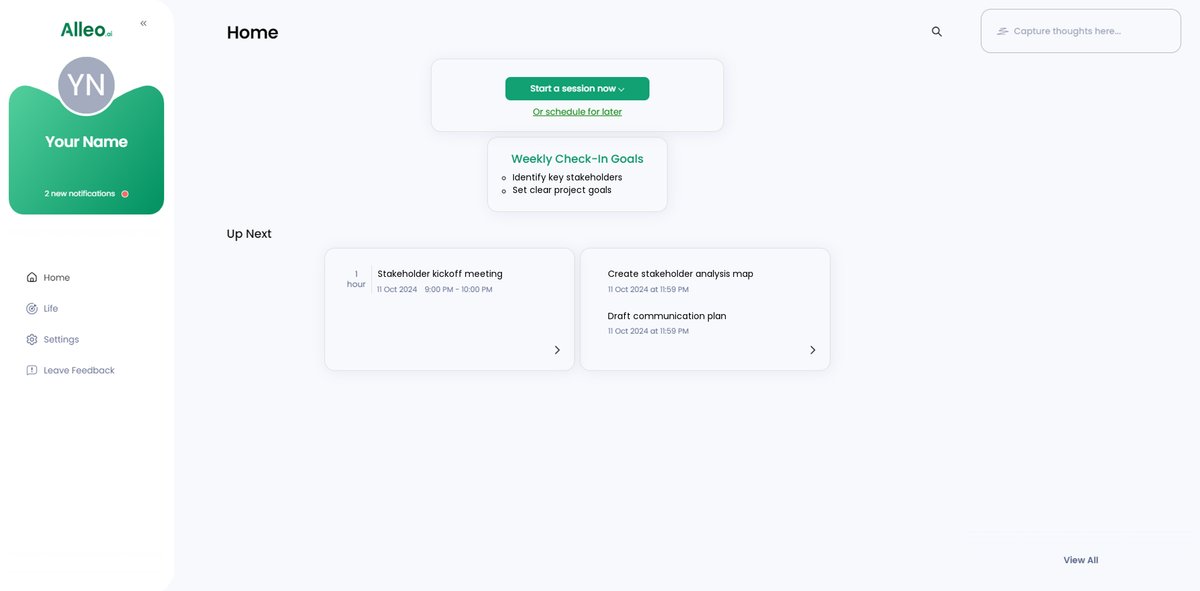
Step 5: Viewing and managing goals after the session
After your coaching session, check the app’s home page to view and manage the goals you discussed, ensuring you stay on track with your event planning objectives and stakeholder alignment strategies.
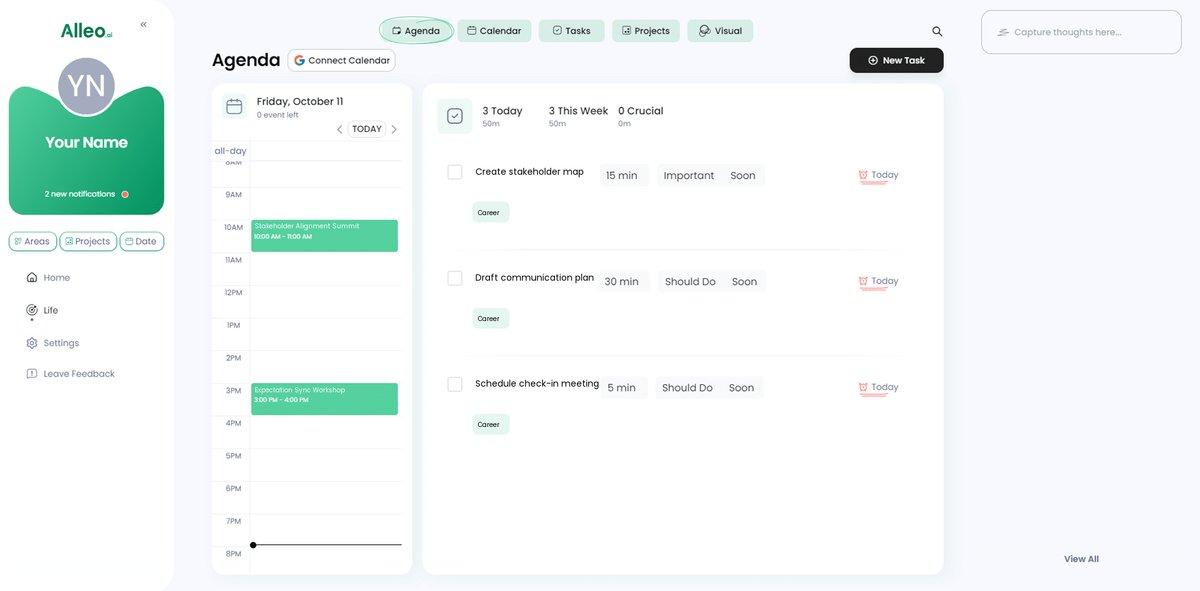
Step 6: Adding Events to Your Calendar or App
Easily add events to your calendar or the Alleo app to track your progress in aligning stakeholder expectations, utilizing the app’s calendar and task features to stay on top of meetings, deadlines, and milestones throughout your project management journey.
Bringing It All Together for Successful Stakeholder Alignment
Aligning stakeholder expectations effectively is vital for your project’s success. It can be challenging, but it’s worth it for effective project stakeholder management.
Remember to conduct a thorough stakeholder analysis using proven techniques. Tailor your communication plans to meet everyone’s needs, ensuring effective communication in project management.
Set clear project goals and objectives, and maintain regular check-ins. Use visual tools for measuring and reporting project progress, and foster collaborative decision-making to balance competing stakeholder interests.
I know these steps in creating a stakeholder engagement plan can seem overwhelming. However, with dedication to aligning stakeholder expectations effectively, you can achieve fantastic results.
And don’t forget, Alleo is here to help. Try Alleo for free to streamline your next event planning project and improve stakeholder satisfaction. Let’s make your next project a success together!