7 Proven Techniques to Create a Balanced Fitness Routine for Athletes
Are you struggling to achieve a well-rounded fitness routine that balances strength, endurance, and flexibility? Many athletes face challenges in creating a balanced fitness routine for optimal performance.
As a life coach, I’ve guided many fitness enthusiasts through these challenges. Many athletes find it difficult to balance their fitness routines to avoid producing body types that don’t align with their goals. A balanced fitness routine for athletes should incorporate strength training, cardiovascular exercises for sports performance, and flexibility workouts for injury prevention.
In this article, you’ll learn effective strategies to create a balanced fitness plan. We’ll cover actionable steps to combine strength, cardio, and flexibility, ensuring overall health and peak performance. This includes sports-specific conditioning programs and periodization in fitness routines to optimize athletic training.
Let’s dive in.

Why Unbalanced Fitness Routines Can Be Problematic
Finding balance in a fitness routine can be tough. Many athletes face issues when their workouts produce different body types than they want. A balanced fitness routine for athletes is crucial for optimal performance.
For instance, excessive cardio might lead to muscle loss, while too much strength training for athletes can limit endurance. Cardiovascular exercises for sports performance need to be carefully balanced with other training aspects.
In my experience, several clients struggle with this balance. They often feel frustrated when they don’t see the desired results. Implementing sports-specific conditioning programs can help address these concerns.
This imbalance can also lead to injuries and burnout. Flexibility workouts for injury prevention and proper recovery techniques for athletes are essential components of a well-rounded routine.
Creating a well-rounded fitness plan is crucial. It ensures overall health and peak performance. This includes considering nutrition planning for athletic performance and core strengthening exercises for athletes.
Let’s address these common issues and find solutions. Cross-training benefits for athletes and periodization in fitness routines can help create a more balanced approach to training.

Steps to Achieve a Balanced Fitness Routine for Athletes
Overcoming this challenge requires a few key steps. Here are the main areas to focus on to make progress in creating a balanced fitness routine for athletes.
- Combine Strength and Cardio in Weekly Schedule: Schedule three days of strength training for athletes and two days of cardiovascular exercises for sports performance.
- Incorporate Sport-Specific Exercises: Tailor exercises to meet the physical demands of your sport using sports-specific conditioning programs.
- Include Rest and Active Recovery Days: Designate at least one full rest day and include low-intensity activities as part of recovery techniques for athletes.
- Focus on Proper Form and Technique: Ensure correct technique with regular form checks and personal training, emphasizing core strengthening exercises for athletes.
- Add Balance and Flexibility Training: Integrate balance exercises and dedicate time for flexibility workouts for injury prevention.
- Use Progressive Overload in Strength Training: Gradually increase weight or resistance every 2-3 weeks, applying periodization in fitness routines.
- Cross-Train with Complementary Activities: Engage in various sports or activities to work different muscle groups, maximizing cross-training benefits for athletes.
Let’s dive in!
1: Combine strength and cardio in weekly schedule
Combining strength and cardio in your weekly schedule is crucial for a balanced fitness routine for athletes.
Actionable Steps:
- Schedule three days of strength training for athletes, each focusing on different muscle groups.
- Dedicate two days to high-intensity interval training (HIIT) for effective cardiovascular exercises for sports performance.
- Use a fitness app to track your workouts and monitor your progress in your sports-specific conditioning program.
Explanation:
These steps ensure that you build muscle and improve cardiovascular health simultaneously. Strength training targets muscle growth while HIIT boosts endurance and burns calories, supporting a balanced fitness routine for athletes.
Utilizing a fitness app helps you stay organized and motivated. According to Health.com, a well-planned schedule combining these elements can significantly enhance overall fitness and athletic performance.
By integrating these steps, you’ll maintain a balanced routine that supports your fitness goals and sports-specific conditioning.
Next, let’s explore incorporating sport-specific exercises to further tailor your plan for a comprehensive balanced fitness routine for athletes.

2: Incorporate sport-specific exercises
Incorporating sport-specific exercises is essential to create a balanced fitness routine for athletes, tailoring your workouts to meet the unique demands of your sport.
Actionable Steps:
- Identify the key physical demands of your sport and tailor exercises to those needs, including strength training for athletes and cardiovascular exercises for sports performance.
- Attend a workshop or hire a coach specialized in your sport for personalized guidance on sports-specific conditioning programs.
- Integrate drills and movements that mimic game scenarios into your routine, focusing on core strengthening exercises for athletes.
Explanation:
These steps ensure your fitness routine aligns with the physical requirements of your sport. Tailored exercises enhance performance and reduce injury risk, incorporating flexibility workouts for injury prevention.
According to the NASM, sport-specific training is vital for achieving optimal performance and preventing injuries in a balanced fitness routine for athletes.
By focusing on these steps, you’ll become more adept at your sport and stay motivated, while also considering cross-training benefits for athletes.
Next, let’s explore the importance of including rest and active recovery days in your routine, emphasizing recovery techniques for athletes.

3: Include rest and active recovery days
Including rest and active recovery days is essential for muscle repair and overall performance improvement in a balanced fitness routine for athletes.
Actionable Steps:
- Designate at least one full rest day per week for complete recovery and muscle repair, crucial for maintaining a balanced fitness routine for athletes.
- Incorporate low-intensity activities like yoga or stretching on active recovery days to promote flexibility and support recovery techniques for athletes.
- Monitor your body’s signals and adjust rest days as needed to prevent overtraining and burnout, ensuring proper balancing intensity and rest in athletic training.
Explanation:
These steps ensure your body gets the rest it needs to repair and grow stronger. Active recovery days help maintain flexibility and reduce the risk of injury, supporting a balanced fitness routine for athletes.
According to the Mayo Clinic, incorporating low-intensity activities can also improve overall stability and balance, which is beneficial for sports-specific conditioning programs.
By following these strategies, you’ll support your fitness goals and enhance overall athletic performance, contributing to a well-rounded and balanced fitness routine for athletes.
Next, let’s explore the importance of focusing on proper form and technique in your routine.

4: Focus on proper form and technique
Proper form and technique are crucial for maximizing the benefits of your workouts and preventing injuries in a balanced fitness routine for athletes.
Actionable Steps:
- Start each session with a form check using mirrors or video recordings to ensure accuracy in strength training for athletes.
- Work with a personal trainer periodically to get expert feedback and adjust your techniques for sports-specific conditioning programs.
- Incorporate mobility exercises to enhance range of motion and support proper form in flexibility workouts for injury prevention.
Explanation:
These steps help you maintain correct form, which is vital for safe and effective workouts in a balanced fitness routine for athletes. Mirrors and video recordings offer immediate feedback, while trainers provide personalized guidance for core strengthening exercises for athletes.
Mobility exercises improve flexibility, supporting better technique. According to the Health.com, maintaining proper form can significantly reduce injury risks and enhance performance in cardiovascular exercises for sports performance.
By focusing on form and technique, you’ll optimize your workouts and achieve better results in your balanced fitness routine for athletes. Next, let’s explore adding balance and flexibility training to your routine.

5: Add balance and flexibility training
Adding balance and flexibility training to your balanced fitness routine for athletes is essential for overall stability and injury prevention.
Key benefits of balance and flexibility training include:
- Improved posture and alignment
- Enhanced range of motion
- Reduced risk of falls and injuries
Actionable Steps:
- Incorporate balance exercises like single-leg stands or stability ball workouts into your sessions as part of your sports-specific conditioning programs.
- Dedicate 10-15 minutes of each workout to flexibility workouts for injury prevention, focusing on major muscle groups.
- Participate in a weekly yoga or Pilates class for guided balance and flexibility work, enhancing your cross-training benefits for athletes.
Explanation:
These steps enhance your stability and range of motion, which are crucial for athletic performance. Balance exercises, such as single-leg stands, improve core strengthening exercises for athletes and coordination.
Flexibility training reduces the risk of injuries and supports muscle recovery. According to the Mayo Clinic, incorporating balance and flexibility exercises can significantly enhance overall stability and functional fitness, contributing to a well-rounded, balanced fitness routine for athletes.
Next, let’s explore how to use progressive overload in your strength training for athletes for continuous improvement.
6: Use progressive overload in strength training
Using progressive overload in your strength training for athletes is essential for continuous improvement and muscle growth, forming a key component of a balanced fitness routine for athletes.
Actionable Steps:
- Gradually increase the weight or resistance in your strength exercises every 2-3 weeks to challenge your muscles, a crucial aspect of strength training for athletes.
- Track your progress in a workout journal to ensure you’re steadily increasing your load and improving strength, which is vital for sports-specific conditioning programs.
- Vary your exercises to target muscles from different angles and prevent plateaus in your training, incorporating core strengthening exercises for athletes.
Explanation:
These steps ensure that your muscles are consistently challenged, which is crucial for growth and strength gains in a balanced fitness routine for athletes.
Tracking progress helps you stay on course, while varying exercises prevents adaptation and keeps your routine effective, balancing intensity and rest in athletic training.
According to Healthline, progressive overload is a proven method to enhance muscle development and overall fitness.
By implementing these steps, you’ll achieve continuous improvement in your strength training, contributing to a comprehensive balanced fitness routine for athletes.
Next, let’s explore how cross-training with complementary activities can further enhance your fitness routine.

7: Cross-train with complementary activities
Cross-training with complementary activities enhances overall fitness and prevents overuse injuries, making it a crucial component of a balanced fitness routine for athletes.
Actionable Steps:
- Engage in different sports or activities like swimming or cycling to work various muscle groups and improve cardiovascular exercises for sports performance.
- Join a cross-training class or group to maintain motivation and consistency in your balanced fitness routine for athletes.
- Incorporate functional training exercises that enhance overall athletic performance and serve as core strengthening exercises for athletes.
Explanation:
These steps ensure that you target different muscle groups and reduce the risk of injury. Engaging in various activities keeps your routine dynamic and supports periodization in fitness routines.
According to NASM, cross-training supports muscle balance and overall fitness. By diversifying your workouts, you stay motivated and improve overall performance, which is essential for a balanced fitness routine for athletes.
Benefits of cross-training include:
- Reduced risk of overuse injuries and improved flexibility workouts for injury prevention
- Improved overall fitness and athleticism through sports-specific conditioning programs
- Increased motivation and enjoyment in fitness routine while balancing intensity and rest in athletic training
Next, let’s explore how Alleo can help you organize and track your balanced fitness routine for athletes.
Partner with Alleo on Your Fitness Journey
We’ve explored the challenges of creating a balanced fitness routine for athletes, how solving them can improve your performance, and the steps to achieve it. But did you know you can work directly with Alleo to make this journey easier and faster?
Setting up an account with Alleo is quick and simple. Start by creating a personalized fitness plan tailored to your goals, including strength training for athletes and cardiovascular exercises for sports performance.
Alleo’s AI coach will provide affordable, tailored coaching support, just like a human coach. You’ll receive detailed sessions incorporating sports-specific conditioning programs and a free 14-day trial, no credit card required.
Alleo’s coach will follow up on your progress, handle changes, and keep you accountable via text and push notifications, ensuring you maintain a balanced fitness routine for athletes.
Ready to get started for free? Let me show you how to optimize your athletic training!
Step 1: Access Your Personalized Fitness Journey
To begin your balanced fitness routine with Alleo’s AI coach, simply Log in to your account or create a new one to unlock your personalized workout plan and expert guidance.

Step 2: Choose “Building better habits and routines”
Select “Building better habits and routines” to create a sustainable fitness plan that aligns with your balanced workout goals, helping you establish consistent practices for strength, cardio, and flexibility training.

Step 3: Select “Health” as Your Focus Area
Choose “Health” as your focus area in Alleo to align your fitness goals with the balanced routine discussed in this article, ensuring a comprehensive approach to strength, cardio, and flexibility training.

Step 4: Starting a coaching session
Begin your journey with Alleo by scheduling an intake session, where you’ll discuss your fitness goals and create a personalized plan that incorporates the balanced routine principles outlined in this article.

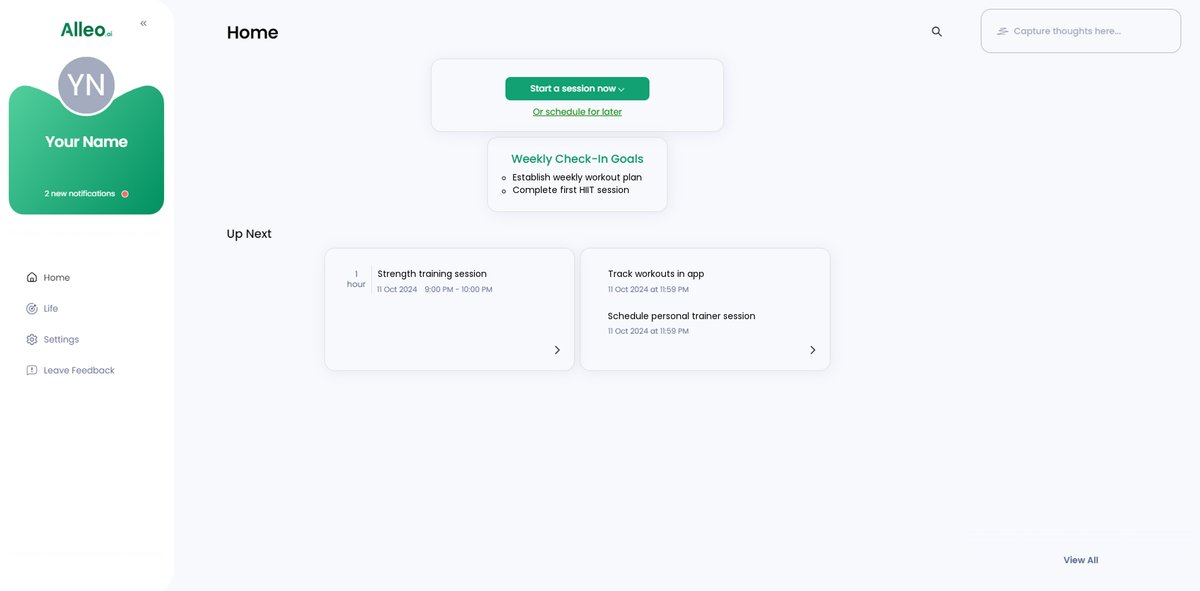
Step 5: Viewing and managing goals after the session
After your coaching session, check the Alleo app’s home page to view and manage the fitness goals you discussed, allowing you to track your progress and stay aligned with your balanced routine.
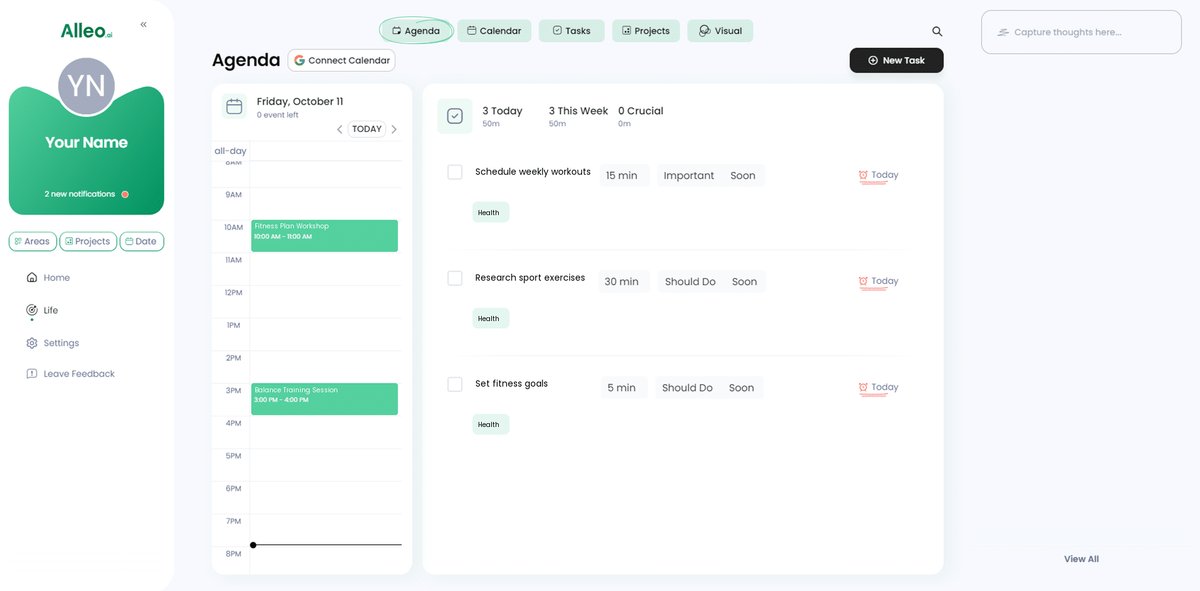
Step 6: Adding events to your calendar or app
Use Alleo’s calendar and task features to schedule your workouts, including strength training, cardio sessions, and flexibility exercises, allowing you to easily track your progress towards a balanced fitness routine.
Finish Strong with a Balanced Fitness Routine
As we’ve seen, a balanced fitness routine for athletes is essential for achieving your goals. By combining strength training for athletes, cardiovascular exercises for sports performance, and flexibility workouts for injury prevention, you can ensure well-rounded development.
Remember, it’s not just about working hard but working smart. Listening to your body and including rest days is vital for recovery techniques for athletes.
I know it can be challenging to manage all these aspects of a balanced fitness routine for athletes. But you don’t have to do it alone.
Alleo can be your guide. Our platform helps track your progress and keeps you motivated in your sports-specific conditioning programs.
Try Alleo for free and see the difference it can make. Start your balanced fitness routine for athletes today!