7 Proven Strategies for Healthcare Workers to Stay Positive in Challenging Patient Situations
Are you struggling to stay positive in patient care when faced with patients’ unchangeable negative circumstances?
As a life coach, I’ve helped many healthcare professionals navigate these challenges and manage compassion fatigue. In my experience, staying positive in such situations is crucial for emotional resilience in healthcare.
In this article, you’ll discover actionable strategies to help you maintain positivity and resilience in medical settings. From daily gratitude reflections to fostering workplace humor, these tips are designed to support your well-being and prevent patient care burnout. We’ll explore stress relief techniques for nurses and coping mechanisms for difficult patients.
Let’s dive in.

Understanding the Depth of Compassion Fatigue and Burnout
Burnout and compassion fatigue are rampant among healthcare workers, making staying positive in patient care increasingly challenging. Many clients initially struggle with persistent stress and emotional exhaustion, impacting their mental health as healthcare professionals.
It’s heart-wrenching to see dedicated professionals feeling overwhelmed and disheartened, highlighting the need for compassion fatigue management strategies.
In my experience, people often find the relentless demands of patient care draining. Burnout isn’t just about feeling tired; it impacts mental health and job performance, emphasizing the importance of stress relief techniques for nurses and other medical staff.
Compassion fatigue can lead to emotional numbness, making it hard to connect with patients and maintain a positive mindset in medical settings.
This issue is severe, with high rates of burnout reported across various healthcare professions. The gravity of this problem requires urgent, actionable strategies for patient care burnout prevention and fostering emotional resilience in healthcare.

Strategic Solutions for Maintaining Positivity
Overcoming this challenge of staying positive in patient care requires a few key steps. Here are the main areas to focus on to make progress in mental health for healthcare professionals:
- Practice daily gratitude reflection: Write down three things you’re grateful for every morning, enhancing emotional resilience in healthcare.
- Engage in regular mindfulness exercises: Dedicate 10 minutes daily to mindfulness meditation, a crucial stress relief technique for nurses.
- Foster workplace humor and laughter: Initiate a “Humor Hour” where team members share funny stories, promoting a positive mindset in medical settings.
- Implement a self-compassion routine: Practice self-care exercises like writing a letter to yourself, aiding in compassion fatigue management.
- Establish a post-traumatic event coping ritual: Develop a routine that includes debriefing after traumatic events, supporting patient care burnout prevention.
- Seek external mentorship or peer support: Join a professional support group for shared experiences, improving coping mechanisms for difficult patients.
- Create work-life integration boundaries: Set clear boundaries between work and personal life, enhancing work-life balance for medical staff.
Let’s dive in to explore these strategies for staying positive in patient care!
1: Practice daily gratitude reflection
Reflecting on gratitude daily can significantly improve your outlook and resilience, which is crucial for staying positive in patient care.
Actionable Steps:
- Set aside 5 minutes each morning to jot down three things you’re grateful for, enhancing emotional resilience in healthcare.
- Create a gratitude jar where you add notes of positive experiences throughout the week, aiding in compassion fatigue management.
- Share moments of gratitude with colleagues during team meetings, fostering a positive mindset in medical settings.
Explanation:
Practicing gratitude regularly helps shift your focus to positive aspects, fostering a more optimistic mindset. This practice can be particularly beneficial in the healthcare field, where stress levels are high and patient care burnout prevention is essential.
According to the VA Whole Health Library, gratitude practices can help healthcare workers maintain a positive outlook. Implementing these steps can create a supportive and positive work environment, contributing to mental health for healthcare professionals and promoting work-life balance for medical staff.
Let’s move on to the next strategy.
2: Engage in regular mindfulness exercises
Practicing mindfulness can help healthcare workers manage stress and stay positive in patient care.
Actionable Steps:
- Dedicate 10 minutes daily to a mindfulness meditation practice using apps like Headspace or Calm, which can aid in compassion fatigue management.
- Incorporate mindful breathing exercises during breaks to reduce stress and regain focus, supporting emotional resilience in healthcare.
- Attend a weekly mindfulness workshop or class to build your skills and connect with peers, enhancing work-life balance for medical staff.
Explanation:
Practicing mindfulness regularly can significantly reduce stress and improve emotional regulation, which is crucial for staying positive in patient care.
According to the VA Whole Health Library, mindfulness exercises help healthcare workers cope better with the demands of their job and prevent patient care burnout.
These steps can foster a calmer, more focused mindset, enhancing overall well-being and supporting mental health for healthcare professionals.
Let’s explore the next strategy.
3: Foster workplace humor and laughter
Humor and laughter can significantly boost morale and foster a positive work environment, which is crucial for staying positive in patient care.
Actionable Steps:
- Initiate a “Humor Hour” where team members share funny stories or jokes during breaks, promoting stress relief techniques for nurses.
- Organize light-hearted activities like a weekly meme-sharing session to lift spirits and support mental health for healthcare professionals.
- Encourage a culture of positive reinforcement and light-heartedness during meetings to enhance emotional resilience in healthcare.
Key benefits of workplace humor include:
- Reduced stress levels, aiding in compassion fatigue management
- Improved team bonding, essential for staying positive in patient care
- Enhanced creativity and problem-solving, supporting a positive mindset in medical settings
Explanation:
Incorporating humor and laughter into the workplace can help reduce stress and improve overall well-being. This approach aligns with trends in healthcare to foster a supportive environment and prevent patient care burnout.
According to the VA Whole Health Library, enhancing humor and laughter positively impacts healthcare workers’ well-being. By implementing these steps, you create a more enjoyable and cohesive workplace, which is vital for staying positive in patient care.
Let’s move on to the next strategy.
4: Implement a self-compassion routine
Implementing a self-compassion routine is vital for staying positive in patient care and maintaining resilience in challenging patient situations.
Actionable Steps:
- Practice self-compassion exercises: Write a letter to yourself from a compassionate friend’s perspective to foster kindness and emotional resilience in healthcare.
- Engage in self-compassion courses: Participate in the Mindful Self-Compassion course or similar programs to enhance self-care practices for healthcare workers.
- Schedule self-compassion breaks: Set aside regular times to treat yourself kindly and acknowledge your efforts, aiding in compassion fatigue management.
Explanation:
Practicing self-compassion helps healthcare workers manage stress and maintain a positive mindset in medical settings. It encourages a supportive attitude toward oneself, which is crucial in high-stress environments and aids in patient care burnout prevention.
According to the VA Whole Health Library, self-compassion practices can help healthcare workers maintain positivity. Implementing these steps can create a nurturing and resilient mindset, essential for staying positive in patient care.
Transitioning to our next strategy is essential for a holistic approach to mental health for healthcare professionals.
5: Establish a post-traumatic event coping ritual
Creating a coping ritual after traumatic events helps manage stress and build resilience, which is crucial for staying positive in patient care.
Actionable Steps:
- Develop a debriefing routine: Schedule debriefing sessions with colleagues to discuss and process traumatic events, supporting mental health for healthcare professionals.
- Use journaling: Write down your emotions and experiences after a traumatic event to process and release stress, aiding in compassion fatigue management.
- Engage in physical activities: Incorporate activities like yoga or running to help manage stress and improve mental clarity, providing stress relief techniques for nurses.
Essential elements of a post-traumatic coping ritual:
- Emotional processing and reflection for emotional resilience in healthcare
- Physical stress relief to prevent patient care burnout
- Support from colleagues or professionals to maintain a positive mindset in medical settings
Explanation:
These steps are essential for effectively managing the emotional toll of traumatic events and staying positive in patient care. Debriefing provides support and shared understanding among colleagues, improving coping mechanisms for difficult patients.
Journaling helps in processing emotions, while physical activities aid in stress relief. According to the SAMHSA, establishing such rituals can significantly improve your ability to cope with traumatic situations and maintain work-life balance for medical staff.
Implementing these actions can foster a healthier and more supportive work environment, enhancing self-care practices for healthcare workers and improving communication skills in challenging medical situations.
6: Seek external mentorship or peer support
Connecting with external mentors or peer support groups plays a crucial role in maintaining positivity and resilience when staying positive in patient care.
Actionable Steps:
- Join a professional support group: Participate in healthcare support groups to share experiences and gain insights from peers, which can aid in compassion fatigue management.
- Find an external mentor: Seek a mentor outside your workplace for unbiased guidance and support, enhancing emotional resilience in healthcare.
- Engage in peer supervision sessions: Regularly attend peer supervision meetings to discuss work-related challenges and solutions, helping prevent patient care burnout.
Explanation:
These steps help in creating a robust support system that provides emotional and professional guidance for healthcare professionals. External mentors and peer support groups offer fresh perspectives and shared experiences, which can be invaluable for maintaining a positive mindset in medical settings.
According to Pollack Peacebuilding, building rapport and trust with peers is essential for effective stress management. Implementing these actions can foster a supportive environment, enhancing your resilience and positivity in patient care.
Seeking external mentorship and peer support can significantly improve your overall well-being and help in staying positive in patient care. Now, let’s move on to the next strategy.
7: Create work-life integration boundaries
Creating work-life integration boundaries is crucial for maintaining a balanced and positive mindset, especially when staying positive in patient care.
Actionable Steps:
- Set clear boundaries: Avoid checking work emails or messages after hours to separate work and personal time, promoting work-life balance for medical staff.
- Schedule personal activities: Allocate regular time for hobbies, family, and self-care practices for healthcare workers to ensure a well-rounded lifestyle.
- Use time management tools: Utilize apps or planners to prioritize tasks and prevent overworking, aiding in patient care burnout prevention.
Key benefits of effective work-life integration:
- Reduced stress and burnout, enhancing emotional resilience in healthcare
- Improved job satisfaction
- Enhanced personal relationships
Explanation:
These steps help in maintaining a healthy balance between work and personal life, reducing stress and preventing burnout, which is essential for staying positive in patient care.
By setting boundaries and prioritizing personal time, you can enhance your overall well-being and manage compassion fatigue.
According to the VA Whole Health Library, work-life integration is essential for healthcare workers to sustain long-term positivity and resilience.
Implementing these actions will help you achieve a more fulfilling and balanced life, supporting mental health for healthcare professionals.
Now, let’s wrap up with our final thoughts.
Partner with Alleo on Your Positivity Journey
We’ve explored the challenges of staying positive in patient care, and how actionable strategies can help. But did you know you can work directly with Alleo to make this journey easier and faster for healthcare professionals seeking to maintain a positive mindset in medical settings?
Start by setting up an account on Alleo. Next, create a personalized plan tailored to your specific needs for managing compassion fatigue and preventing burnout in patient care.
Alleo’s AI coach provides affordable, tailored coaching support just like a human coach, focusing on emotional resilience in healthcare and stress relief techniques for nurses.
Your coach will follow up on your progress, handle changes, and keep you accountable via text and push notifications. With Alleo, you get full coaching sessions on staying positive in patient care and a free 14-day trial, no credit card required.
Ready to get started for free and improve your work-life balance as a medical staff member?
Let me show you how!
Step 1: Log In or Create Your Alleo Account
To begin your journey towards positivity in healthcare, log in to your existing Alleo account or create a new one to access personalized AI coaching support.

Step 2: Choose “Improving overall well-being and life satisfaction”
Select “Improving overall well-being and life satisfaction” as your goal to address the challenges of maintaining positivity in healthcare. This focus aligns with the strategies discussed in the article and will help you develop resilience and a more positive outlook in your professional life.

Step 3: Select “Personal” as Your Focus Area
Choose the “Personal” life area in Alleo to address your challenges with maintaining positivity in healthcare, as this will help you develop self-care strategies and emotional resilience crucial for managing stress in patient care situations.

Step 4: Starting a Coaching Session
Begin your journey with Alleo by scheduling an intake session, where you’ll discuss your goals for maintaining positivity in healthcare and create a personalized plan to guide your future coaching sessions.

Step 5: Viewing and managing goals after the session
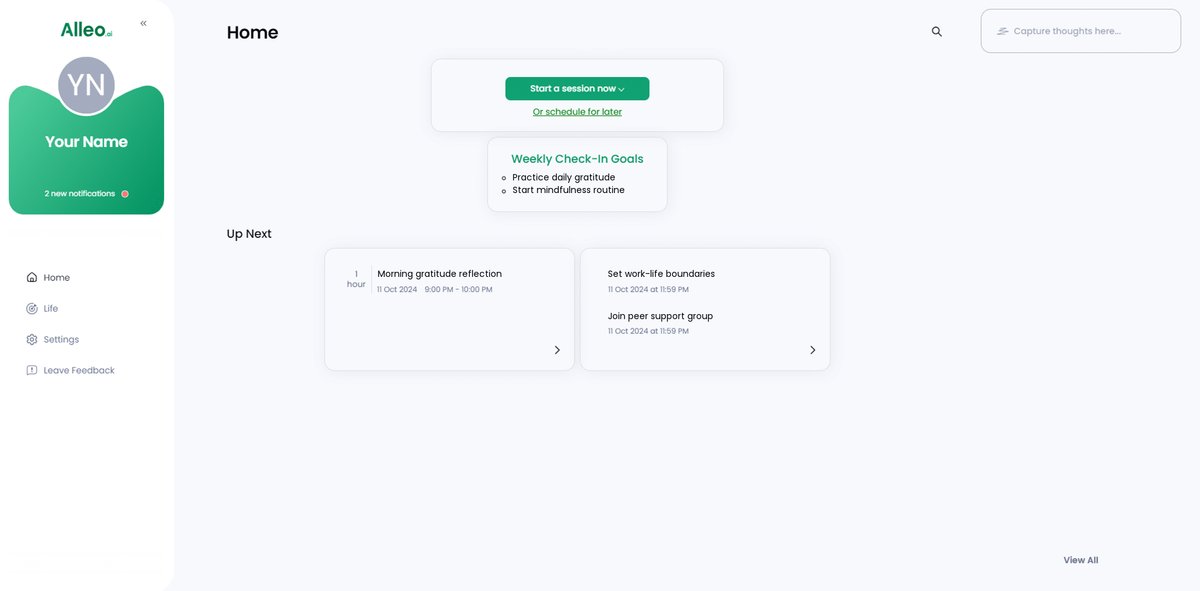
After your coaching session, open the Alleo app to find your discussed goals conveniently displayed on the home page, where you can easily track and manage your progress towards maintaining positivity in challenging healthcare situations.
Step 6: Adding events to your calendar or app
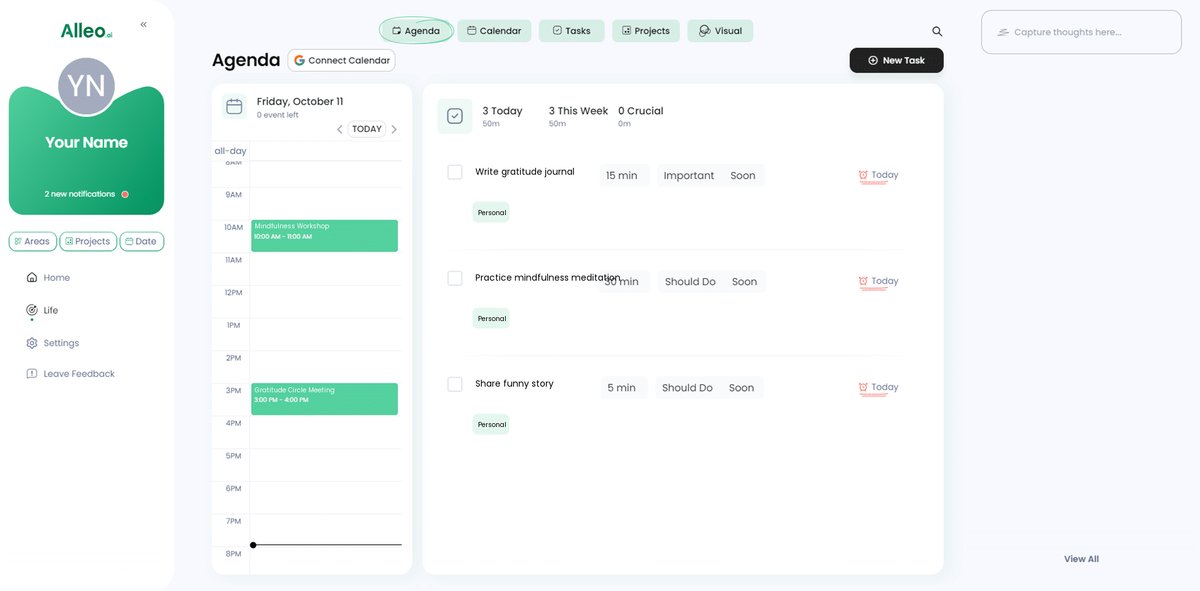
Use the calendar and task features in Alleo to schedule and track your progress on implementing positivity strategies, such as daily gratitude reflections or mindfulness exercises, helping you stay accountable and motivated in your journey towards maintaining positivity in challenging patient situations.
Embrace Positivity and Resilience in Healthcare
As we conclude, remember that staying positive in patient care is achievable. These strategies are designed to support your well-being, helping you thrive in your demanding role and manage compassion fatigue.
Implementing daily gratitude reflections, mindfulness exercises, workplace humor, and self-care practices for healthcare workers can make a significant difference. Establish post-traumatic coping rituals, seek external mentorship, and create work-life balance for medical staff for a holistic approach to patient care burnout prevention.
Empathize with yourself and take these actionable steps to maintain a positive mindset in medical settings.
You deserve to feel supported in your emotional resilience in healthcare.
Don’t forget, Alleo is here to assist you on this journey towards staying positive in patient care. Sign up for a free trial and let Alleo help you cultivate resilience and improve your mental health as a healthcare professional.