How Managers Can Effectively Track Delegated Tasks Without Micromanaging: 5 Essential Strategies
Are you struggling to keep track of delegated tasks without micromanaging? Many professionals face challenges when it comes to tracking delegated tasks without micromanaging their team members.
As a life coach, I’ve helped many professionals navigate these challenges. In my experience, effective delegation is key to balancing accountability and employee autonomy. Implementing task delegation strategies can significantly improve team productivity and performance monitoring.
In this article, you’ll discover proven strategies for tracking delegated tasks without micromanaging, including using project management software and setting clear expectations. These tools and techniques can enhance your leadership skills for delegation.
You’ll also learn about regular check-ins and fostering a culture of transparency. These management communication techniques are crucial for maintaining team accountability, especially in remote work task management scenarios.
Let’s dive into goal-setting for delegated work and explore how to effectively track delegated tasks without micromanaging.
Understanding the Challenge of Effective Delegation
Tracking delegated tasks without micromanaging can feel like walking a tightrope. Many tech managers grapple with balancing accountability and employee autonomy.
This challenge often stems from a lack of trust and clear management communication techniques.
In my experience, several clients initially struggle with task delegation strategies due to inefficiency and decreased team morale. They often find that excessive performance monitoring can stifle creativity and motivation.
Imagine a manager who constantly checks on tasks, leading to frustration and reduced productivity. This isn’t just a minor inconvenience—it’s a significant pain point affecting team accountability and overall performance.
Delegation should empower, not overwhelm. Tracking delegated tasks without micromanaging is crucial for effective leadership skills for delegation.

A Roadmap for Effective Delegation without Micromanagement
Overcoming this challenge of tracking delegated tasks without micromanaging requires a few key steps. Here are the main areas to focus on to make progress in employee autonomy and task delegation strategies:
- Use project management tools for task tracking: Choose and set up a suitable productivity tracking tool for your team.
- Set clear expectations and milestones upfront: Define goals and deadlines clearly for delegated work.
- Schedule regular, brief check-in meetings: Plan short, consistent meetings to discuss progress, utilizing effective management communication techniques.
- Encourage self-reporting on task progress: Implement a system where team members update their progress, enhancing team accountability.
- Implement a feedback loop for continuous improvement: Conduct retrospectives to refine your process and performance monitoring.
Let’s dive into these strategies for tracking delegated tasks without micromanaging!
1: Use project management tools for task tracking
Using project management tools is essential for tracking delegated tasks without micromanaging, enhancing employee autonomy and team accountability.
Actionable Steps:
- Choose a project management software like Trello or Asana that suits your team’s workflow for effective task delegation strategies.
- Set up boards, lists, and cards to track the progress of each task, improving performance monitoring.
- Integrate the tool with communication platforms like Slack or Microsoft Teams for seamless updates, enhancing management communication techniques.
Explanation:
These steps matter because they help create a structured, transparent environment where tasks are easily monitored. By integrating productivity tracking tools, you ensure everyone stays informed and engaged in remote work task management.
For instance, according to Kissflow, utilizing project management software can significantly enhance task tracking and team coordination. This approach aligns with industry trends emphasizing remote work efficiency and clear communication.
Key benefits of using project management tools for tracking delegated tasks without micromanaging include:
- Improved visibility of task progress
- Enhanced team collaboration
- Streamlined workflow management
With these tools in place, you’ll be better equipped to transition into setting clear expectations and milestones upfront, crucial for goal-setting for delegated work and demonstrating leadership skills for delegation.

2: Set clear expectations and milestones upfront
Setting clear expectations and milestones upfront is crucial for tracking delegated tasks without micromanaging and ensuring they are completed efficiently and on time.
Actionable Steps:
- Define goals and objectives: Clearly outline what you expect from each task, including the desired outcomes and specific requirements for goal-setting for delegated work.
- Establish measurable milestones: Set concrete milestones and deadlines to track progress and ensure tasks stay on schedule, enhancing team accountability.
- Document expectations: Record all goals and milestones in your project management software for easy reference and accountability in remote work task management.
Explanation:
These steps matter because they provide a clear roadmap for your team, helping prevent misunderstandings and ensuring everyone is aligned, which is essential for effective task delegation strategies.
According to RunSensible, setting clear goals and milestones enhances task tracking and team coordination. This approach aligns with industry trends emphasizing the importance of structured workflows and management communication techniques.
With well-defined expectations, you can seamlessly transition to scheduling regular, brief check-in meetings for performance monitoring without compromising employee autonomy.

3: Schedule regular, brief check-in meetings
Regular, brief check-in meetings are essential for tracking delegated tasks without micromanaging while maintaining accountability.
Actionable Steps:
- Schedule weekly or bi-weekly check-ins: Set up consistent meetings to discuss progress and address any roadblocks in delegated work.
- Keep meetings brief: Limit these meetings to 15-30 minutes to respect team members’ time and promote employee autonomy.
- Use check-ins to reinforce accountability: Use these sessions to provide support and ensure team members are on track with their delegated tasks.
Explanation:
These task delegation strategies matter because they help maintain alignment and accountability without overwhelming your team. Regular, concise meetings ensure issues are addressed promptly and progress is monitored effectively, supporting productivity tracking without micromanaging.
According to Leadership Flagship, scheduled check-ins are crucial for tracking delegated tasks and providing the necessary support. This method aligns with industry trends that emphasize efficient management communication techniques and collaborative work environments.
Effective check-in meetings should focus on:
- Progress updates and achievements in delegated work
- Challenges or roadblocks faced in task completion
- Next steps and priorities for ongoing projects
With these regular check-ins in place, you’ll be set to encourage self-reporting on task progress and improve team accountability.
4: Encourage self-reporting on task progress
Encouraging self-reporting on task progress is vital for fostering accountability and empowerment among team members when tracking delegated tasks without micromanaging.
Actionable Steps:
- Implement a self-reporting system: Encourage team members to update their task progress regularly in project management software.
- Promote transparency: Motivate team members to share their achievements and challenges during check-in meetings, enhancing team accountability.
- Recognize honest reporting: Foster a culture of trust by acknowledging and rewarding transparent self-reporting, supporting employee autonomy.
Explanation:
These steps matter because they build a culture of accountability and trust within the team. When team members self-report, it reduces the need for constant supervision and promotes ownership of tasks, aligning with effective task delegation strategies.
According to Coursera, fostering an environment of accountability improves motivation and workflow. This approach aligns with industry trends that emphasize the importance of transparency and employee empowerment in productivity tracking.
Implementing these steps will set the stage for continuous improvement through regular feedback loops, enhancing management communication techniques for tracking delegated tasks without micromanaging.
5: Implement a feedback loop for continuous improvement
Implementing a feedback loop for continuous improvement is essential for refining the delegation process, enhancing team performance, and tracking delegated tasks without micromanaging.
Actionable Steps:
- Conduct regular retrospectives: Schedule sessions to review what worked well and identify areas for improvement in task delegation strategies.
- Gather team feedback: Ask team members for their input on how the delegation process can be enhanced, focusing on employee autonomy and productivity tracking tools.
- Adjust strategies based on feedback: Make necessary changes to your delegation approach and continuously refine management communication techniques.
Explanation:
These steps matter because they ensure that the delegation process evolves and improves over time. Regular feedback helps identify issues early, allowing for timely adjustments in performance monitoring and project management software.
According to Great Results Team Building, fostering an environment of continuous feedback enhances team collaboration and productivity. This approach aligns with industry trends emphasizing continuous improvement and adaptability in tracking delegated tasks without micromanaging.
Key elements of an effective feedback loop include:
- Open and honest communication
- Actionable insights for team accountability
- Timely implementation of improvements in goal-setting for delegated work
By implementing these feedback loops, you can ensure a dynamic and effective delegation strategy that supports remote work task management and enhances leadership skills for delegation.

Leverage Alleo for Seamless Task Delegation
We’ve explored the challenges of tracking delegated tasks without micromanaging, and the steps to achieve it. But did you know you can work directly with Alleo to make this journey easier and faster?
With Alleo, setting up an account is simple. Create a personalized plan tailored to your task delegation strategies and employee autonomy needs.
Alleo’s AI coach will follow up on progress, handle changes, and keep you accountable via text and push notifications, enhancing team accountability and performance monitoring.
Ready to get started for free? Let me show you how to improve your leadership skills for delegation!
Step 1: Logging in or Creating an Account
To begin your journey with Alleo’s AI coach for effective task delegation, Log in to your account or create a new one to access personalized delegation strategies tailored to your team’s needs.

Step 2: Choose “Building better habits and routines”
Click on “Building better habits and routines” to start improving your delegation skills and time management, which will help you track tasks more effectively without micromanaging your team.

Step 3: Select “Career” as Your Focus Area
Choose “Career” as your focus area to enhance your delegation skills, aligning perfectly with the strategies discussed in the article for effective task management and team leadership without micromanagement.

Step 4: Starting a Coaching Session
Begin your journey with Alleo by scheduling an initial intake session, where you’ll collaborate with your AI coach to create a personalized delegation plan that aligns with your team’s goals and challenges.

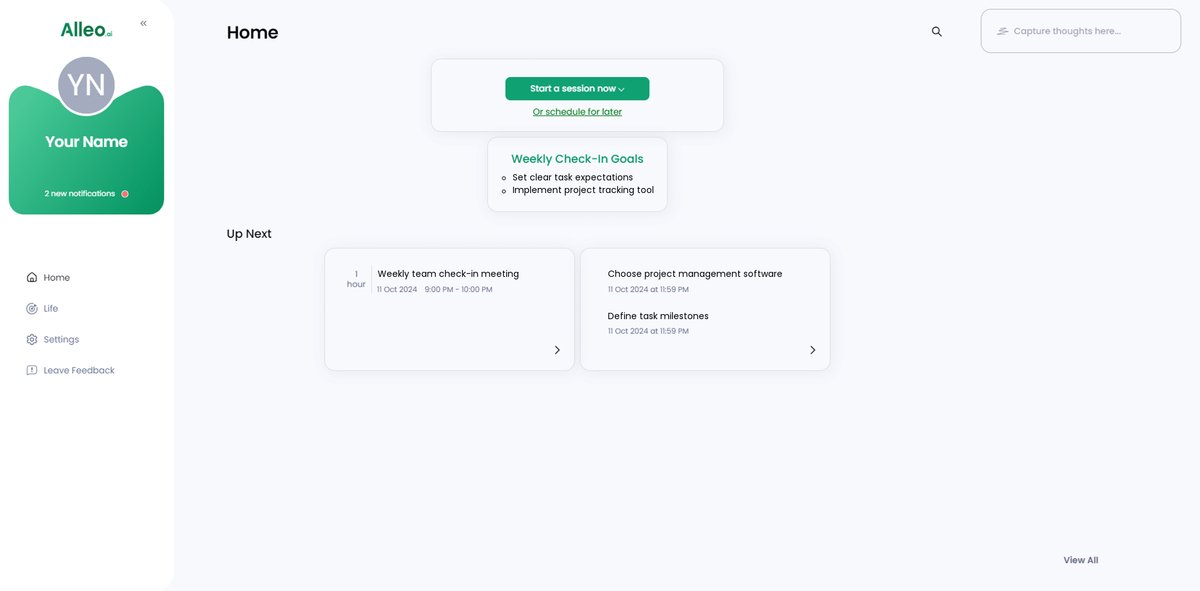
Step 5: Viewing and Managing Goals After the Session
After your coaching session, access your goals directly from the app’s home page, where you can easily review and manage the tasks you discussed to keep your delegation process on track.
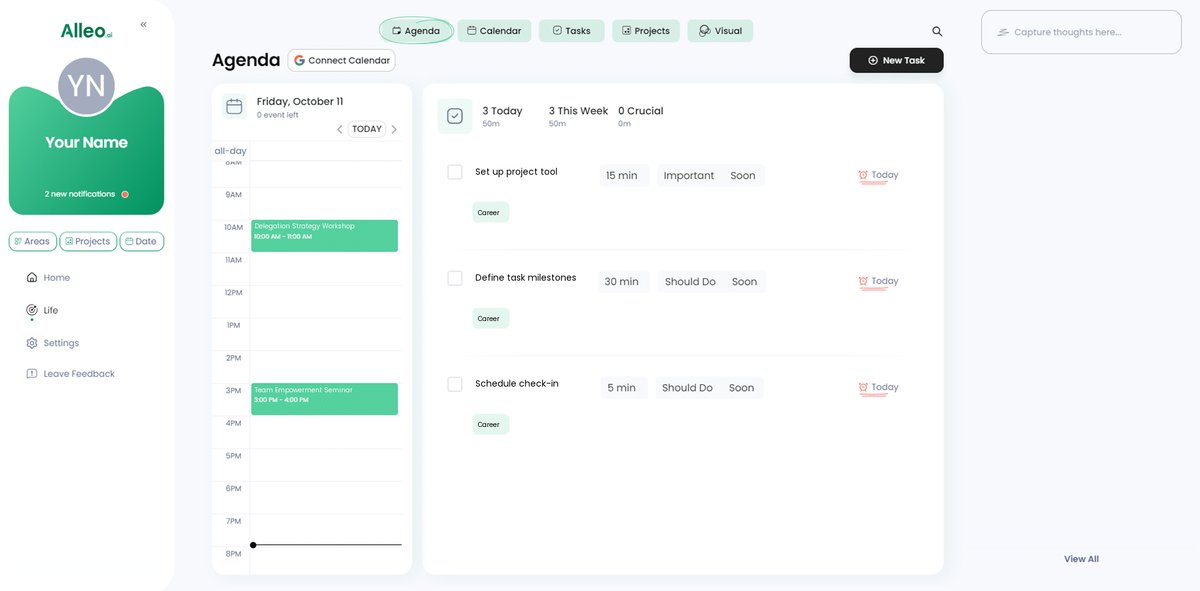
Step 6: Adding events to your calendar or app
Easily add events to your calendar or the Alleo app to track your progress in solving delegation challenges, ensuring you stay on top of check-ins, milestones, and feedback sessions without micromanaging your team.
Wrapping Up: Empower Your Delegation Process
We’ve explored how to delegate tasks effectively without micromanaging. Now, it’s time to put these task delegation strategies into action for tracking delegated tasks without micromanaging.
Remember, using project management software can streamline your productivity tracking. Setting clear expectations upfront ensures everyone is aligned with goal-setting for delegated work.
Regular check-ins help maintain team accountability without overwhelming your team. Encouraging self-reporting fosters a culture of trust and transparency, crucial for remote work task management.
Continuous feedback loops drive improvement and adaptability. These management communication techniques will help you balance accountability and employee autonomy.
Ready to transform your delegation process and enhance your leadership skills for delegation? Try Alleo for free and experience smoother task management. You’ve got this!