How Runners Can Use Gait Analysis to Prevent Injuries and Improve Performance
Are you struggling with recurring running injuries and unsure if gait analysis for runners can help?
As a life coach, I’ve seen many runners face this exact challenge. They often wonder if analyzing their running form and biomechanics of running will truly make a difference in injury prevention.
In this article, you’ll discover how gait analysis for runners’ injuries can identify and address running form issues to prevent overuse injuries in runners. We’ll cover professional running form assessment, technique improvements, increasing cadence, and running shoe selection for optimal stride analysis and efficiency optimization.
Let’s dive in.

Understanding the Challenges of Running Injuries
Running injuries are prevalent, especially in the knee and ankle. Many runners experience pain and frustration due to these issues, which often stem from poor biomechanics of running.
In my experience, people often find it hard to pinpoint the cause of their recurring injuries. This uncertainty can be stressful and discouraging, highlighting the importance of proper gait analysis for runners injuries.
Some skeptics argue that gait analysis won’t help. They believe it’s based on pseudoscience, dismissing the potential benefits of running form assessment.
However, several clients report breakthroughs after proper gait analysis for runners. They identify inefficiencies and adjust their form, reducing injuries and improving running technique.
Imagine running pain-free. It’s possible with the right approach, including stride analysis for runners and running efficiency optimization.
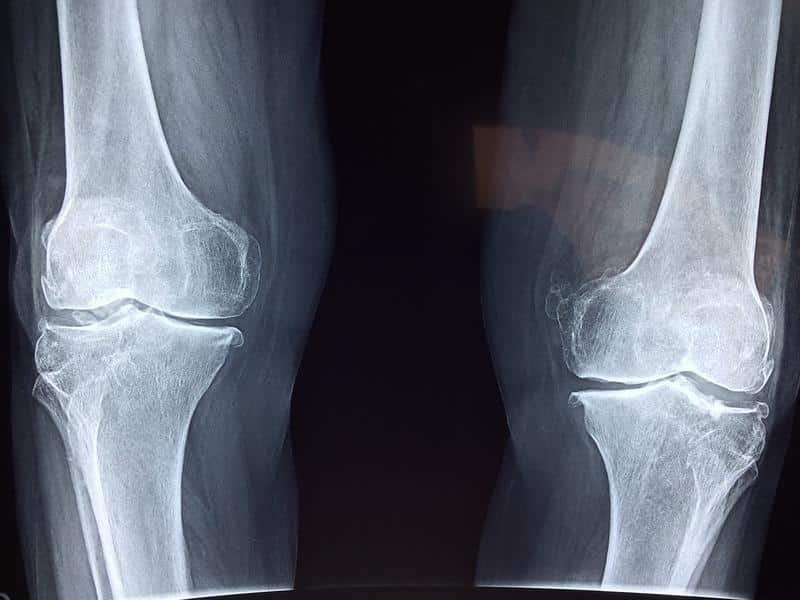
Overcoming this challenge requires a few key steps. Here are the main areas to focus on to make progress in gait analysis for runners’ injuries and running technique improvement:
- Undergo professional running gait analysis: Schedule an appointment with a certified specialist to assess your running form and biomechanics of running.
- Implement recommended form adjustments gradually: Work with your specialist to make incremental changes to your running form, focusing on running efficiency optimization.
- Focus on increasing cadence to 180 steps/minute: Use tools like a metronome or running app to maintain the correct cadence, which can aid in injury prevention in running.
- Prioritize comfort when selecting running shoes: Choose shoes based on comfort and fit to support your form, considering custom orthotics for runners if necessary.
Let’s dive in to explore gait analysis for runners and stride analysis for runners!
1: Undergo professional running gait analysis
Gait analysis for runners injuries is crucial for identifying inefficiencies in your running form to help prevent injuries.
Actionable Steps:
- Schedule an appointment with a certified specialist or clinic to assess your running gait and perform a running form assessment.
- Prepare for your session by recording a baseline of your current running form using a smartphone or camera for stride analysis.
- Review and understand the results with your specialist, asking questions to fully grasp the gait analysis for runners and potential biomechanics of running issues.
Explanation:
These steps are vital for gaining insights into your running mechanics. By working with a professional, you can identify specific areas for running technique improvement.
According to Runner’s World, professional gait analysis can help prevent injuries by highlighting inefficiencies in your form. Understanding these insights allows you to make targeted adjustments, reducing the risk of overuse injuries in runners and enhancing your overall running efficiency optimization.
Taking these steps ensures that you start your journey toward better running form with a solid foundation. Here are some key benefits of professional gait analysis for runners injuries:
- Identifies biomechanical issues
- Provides personalized injury prevention in running strategies
- Reduces injury risk through targeted adjustments, including custom orthotics for runners and proper running shoe selection
2: Implement recommended form adjustments gradually
Implementing form adjustments gradually is crucial to prevent further injuries and ensure a seamless transition to a better running form. This approach is essential in gait analysis for runners injuries and overall injury prevention in running.
Actionable Steps:
- Develop a gradual adjustment plan with your specialist to avoid drastic changes in your running technique improvement.
- Incorporate specific strengthening exercises such as single-leg squats and core stability drills to address weak areas and enhance your biomechanics of running.
- Track your progress using a running journal or app to monitor changes over time and adjust the plan as needed, focusing on running efficiency optimization.
Explanation:
These steps are essential to make sure you adapt your running form without causing new injuries. Gradual adjustments allow your body to acclimate, while targeted exercises strengthen weak areas, which is a key aspect of gait analysis for runners injuries.
Tracking your progress ensures that you can make informed decisions about your training plan. According to Kinetic Sports Medicine and Performance, incorporating these strategies can help prevent overuse injuries in runners and enhance your running efficiency.
By following these steps, you’ll be well on your way to improving your running form safely and effectively, which is the ultimate goal of gait analysis for runners and stride analysis for runners.

3: Focus on increasing cadence to 180 steps/minute
Increasing your cadence to 180 steps per minute can significantly improve your running efficiency and reduce injury risk, which is a key aspect of gait analysis for runners injuries.
Actionable Steps:
- Use a metronome or running app to help maintain the correct cadence. Apps like RunCadence can be effective for running form assessment.
- Gradually increase your cadence by 5 steps per minute each week to avoid overuse injuries in runners.
- Pay attention to your body’s feedback and adjust accordingly to ensure comfort and safety, which is crucial for injury prevention in running.
Explanation:
These steps are essential for safely increasing your cadence, which can help you run more efficiently and reduce stress on your joints, aligning with the principles of biomechanics of running.
Gradual progression ensures that you adapt without causing new injuries. According to Runner’s World, maintaining a higher cadence helps prevent common running injuries by improving running mechanics, which is a key focus in gait analysis for runners.
Following these guidelines will assist you in achieving a more efficient and injury-free running form, contributing to overall running technique improvement.
Focusing on your cadence can transform your running experience. Here are some tips to help you maintain the right cadence for running efficiency optimization:
- Practice with shorter, faster steps
- Use music with the right beats per minute
- Incorporate cadence drills in your warm-up as part of your stride analysis for runners routine
4: Prioritize comfort when selecting running shoes
Choosing comfortable running shoes is essential for maintaining proper form and preventing injuries. Gait analysis for runners can help in selecting the right shoes and preventing overuse injuries in runners.
Actionable Steps:
- Visit multiple stores to try different brands and models. Ensure you find a shoe that feels right immediately and supports your running biomechanics.
- Consider getting a professional fitting to assess your foot type and gait. Experts can recommend the best options based on your running form assessment.
- Test the shoes on a treadmill or short run before making a decision. This real-world testing ensures comfort and performance, aiding in running technique improvement.
Explanation:
These steps are vital for finding the right shoes to support your running form. Comfortable shoes help prevent injuries by providing the necessary support and cushioning, which is crucial for injury prevention in running.
According to Runner’s World, professional fittings can ensure you choose shoes that match your gait and foot type, enhancing your running experience. This is where gait analysis for runners’ injuries can be particularly beneficial.
Prioritizing comfort in your shoe selection leads to a more enjoyable and injury-free running journey. When selecting running shoes, keep these factors in mind:
- Adequate toe box width
- Proper arch support, which may include custom orthotics for runners
- Heel-to-toe drop that suits your running style and aids in running efficiency optimization

Partner with Alleo on Your Running Journey
We’ve explored the challenges of running injuries, how gait analysis for runners can help, and the steps to prevent injuries. But did you know you can work directly with Alleo to make this journey easier and faster?
Start by setting up an account and creating a personalized plan tailored to your needs. Alleo’s AI coach will guide you through each step, from scheduling gait analysis for runners injuries appointments to tracking form adjustments for running technique improvement.
You’ll receive follow-ups on your progress and adjustments via text and push notifications, helping with injury prevention in running and running efficiency optimization.
Ready to get started for free? Let me show you how to begin your journey towards better biomechanics of running!
Step 1: Log In or Create Your Account
To start your journey towards injury-free running with personalized gait analysis guidance, Log in to your account or create a new one on the Alleo platform.

Step 2: Choose “Build Better Habits and Routines”
Select “Build Better Habits and Routines” as your goal to develop consistent running form practices that will help prevent injuries and improve your overall performance.

Step 3: Select “Health” as Your Focus Area
Choose “Health” as your primary life area in Alleo to tackle your running injury concerns and receive personalized guidance on improving your gait, form, and overall running performance for a pain-free experience.

Step 4: Starting a coaching session
Begin your journey with Alleo by scheduling an initial intake session, where you’ll discuss your running goals, injury history, and gait analysis results to create a personalized plan for improving your form and preventing future injuries.

5. Viewing and Managing Goals After the Session
After your gait analysis coaching session, open the Alleo app and check your home page to view and manage the running form goals you discussed, allowing you to track your progress and make adjustments as you work towards injury-free running.

Step 6: Adding events to your calendar or app
Use Alleo’s calendar and task features to schedule your gait analysis appointments, form adjustment sessions, and running workouts, allowing you to easily track your progress towards injury-free running.

Embrace the Journey to Injury-Free Running
Taking steps to enhance your running form can seem daunting, but it’s essential for injury prevention in running.
By undergoing professional gait analysis for runners injuries, you can uncover inefficiencies and make informed adjustments. Gradual form changes, increased cadence, and running shoe selection are crucial for biomechanics of running.
Remember, it’s a journey.
Improving your running technique takes time and patience.
With Alleo, you have a dedicated AI coach to guide you through every step of your running form assessment.
Set up your personalized plan, track your progress, and receive tailored advice for running efficiency optimization.
You can start your journey to pain-free running today, addressing potential overuse injuries in runners.
Ready to transform your running experience through stride analysis for runners?
Try Alleo for free and take the first step towards your goals in gait analysis for runners injuries.