How Sensitive People Can Cope with Friendship Loss: 6 Essential Principles
Have you ever felt completely lost after a close friendship ended abruptly? Coping with friendship loss can be a challenging journey, especially for highly sensitive individuals.
As a life coach, I’ve helped many individuals navigate the emotional aftermath of friendship loss. In my experience, highly sensitive people face unique challenges in these situations, often requiring specialized strategies for emotional resilience.
In this blog, you’ll learn how to:
- Grieve and process your emotions
- Practice self-compassion
- Engage in mindfulness techniques
- Set boundaries in relationships
- Seek support from social networks
- Prioritize self-care strategies
Let’s dive into these essential steps for coping with friendship loss and fostering personal growth after loss.
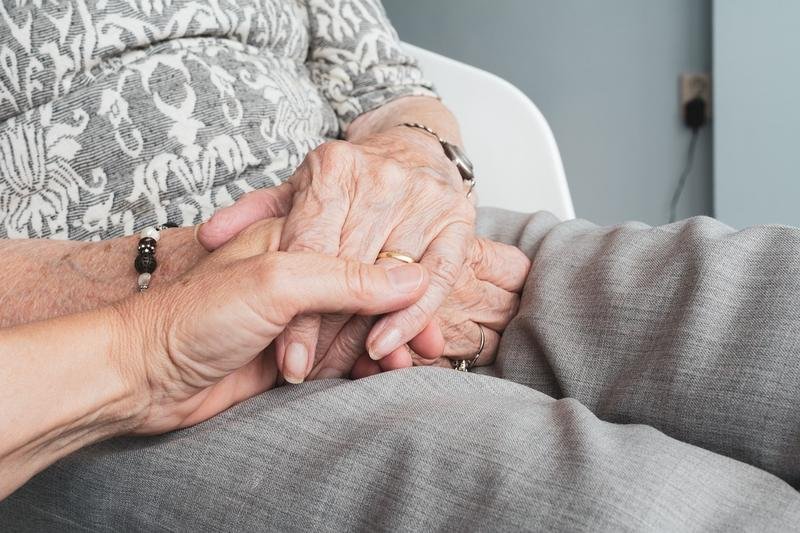
The Emotional Impact of Losing a Close Friendship
Coping with friendship loss can leave you feeling lost and deeply hurt. Many clients report feeling intense emotional turmoil and self-doubt after a friendship ends abruptly, challenging their emotional resilience.
You may find yourself questioning your self-worth and fearing vulnerability. These feelings are common, especially among highly sensitive individuals who invest deeply in their relationships. Developing self-care strategies can be crucial during this time.
Moreover, the sudden loss often triggers a cycle of rejection and emotional pain. In my experience, people often struggle with accepting the end of a meaningful connection, highlighting the importance of social support networks.
The pain of such a loss is real and can feel overwhelming. Understanding and acknowledging these emotions is the first step toward healing from friendship breakups and managing loneliness.

A Roadmap to Healing and Moving Forward
Coping with friendship loss requires a few key steps. Here are the main areas to focus on to develop emotional resilience and make progress:
- Allow yourself to grieve the loss: Embrace your emotions and give yourself time to heal from friendship breakups.
- Practice self-compassion and avoid self-blame: Be kind to yourself and focus on self-care strategies.
- Engage in mindfulness to process emotions: Use mindfulness techniques to stay present and manage feelings.
- Set healthy boundaries in future friendships: Identify and communicate your emotional needs clearly to improve communication skills in friendships.
- Seek support from other friends or a therapist: Build social support networks and consider grief counseling for professional help.
- Focus on self-care activities you enjoy: Prioritize activities that bring you joy and contribute to personal growth after loss.
Let’s dive in to explore these strategies for coping with friendship loss!
1: Allow yourself to grieve the loss
Grieving a lost friendship is essential for emotional healing and moving forward when coping with friendship loss.
Actionable Steps:
- Journal your emotions: Write daily about your feelings to process the loss and build emotional resilience.
- Talk to a trusted person: Share your emotions with a friend or family member to engage your social support networks.
- Set aside reflection time: Dedicate specific moments to mourn and reflect, incorporating mindfulness techniques.
Explanation:
These steps matter because acknowledging and expressing your emotions is crucial for healing from friendship breakups.
By journaling and talking to others, you validate your feelings and begin to process the loss, enhancing your communication skills in friendships.
Setting aside reflection time helps you avoid emotional suppression, which can lead to long-term distress and difficulties in managing loneliness.
For further reading on the importance of grieving, check out this article.
Allowing yourself to grieve is the foundation for recovery and personal growth after loss.
Next, we’ll discuss practicing self-compassion as part of coping with friendship loss.

2: Practice self-compassion and avoid self-blame
Practicing self-compassion and avoiding self-blame are crucial for healing and personal growth after losing a friendship. When coping with friendship loss, these strategies can help build emotional resilience and foster self-care.
Actionable Steps:
- Write a letter to yourself: Offer kindness and understanding in a letter to yourself. Acknowledge your feelings and remind yourself of your strengths, which can aid in healing from friendship breakups.
- Practice positive self-talk: Replace negative thoughts with affirmations. Tell yourself daily that you are worthy and capable of maintaining healthy relationships, which is essential for managing loneliness after friendship loss.
- Challenge negative thoughts: Identify and challenge any self-blaming thoughts. Focus on your positive qualities and the effort you put into your friendships, reinforcing your communication skills in friendships.
Explanation:
These steps matter because self-compassion helps you heal by fostering a nurturing mindset. By challenging negative thoughts, you prevent self-blame and build resilience when coping with friendship loss.
Research shows that self-compassion can significantly enhance emotional well-being. For more insights, visit Mindful.org.
Building self-compassion lays the groundwork for engaging in mindfulness, which we’ll explore next.

3: Engage in mindfulness to process emotions
Engaging in mindfulness is crucial for coping with friendship loss and managing intense emotions after a friendship ends. Mindfulness techniques can help build emotional resilience and support healing from friendship breakups.
Actionable Steps:
- Practice daily meditation: Dedicate 10 minutes each day to meditate and focus on your breath. This helps to calm your mind and stay present, aiding in managing loneliness.
- Try mindful breathing: In moments of intense sadness, use deep breathing exercises to center yourself. Count your breaths to help manage overwhelming emotions and enhance personal growth after loss.
- Create expressive art: Use art or music to express your feelings. This can be a therapeutic way to process emotions mindfully and is an effective self-care strategy.
Key benefits of mindfulness in emotional healing:
- Reduces stress and anxiety
- Improves emotional regulation
- Enhances self-awareness
- Promotes better sleep
Explanation:
These steps matter because mindfulness helps you stay grounded and manage emotional distress more effectively when coping with friendship loss. By practicing daily meditation and mindful breathing, you can reduce anxiety and enhance emotional resilience.
Creating art offers a productive outlet for your feelings. According to Mindful.org, mindfulness teaches us to hold steady when we feel hurt or disappointed.
These mindfulness practices will support your emotional well-being and prepare you to set healthy boundaries in future friendships, improving your communication skills in friendships.

4: Set healthy boundaries in future friendships
Setting healthy boundaries is essential for maintaining fulfilling and balanced relationships, especially for highly sensitive individuals coping with friendship loss.
Actionable Steps:
- Identify your emotional needs: Reflect on what you need from friendships to feel supported and valued, enhancing your emotional resilience.
- Communicate clearly: Express your boundaries and emotional limits to new friends in a kind and assertive manner, improving your communication skills in friendships.
- Regularly review boundaries: Periodically reassess your boundaries and adjust them as necessary to ensure they continue to serve your well-being and support personal growth after loss.
Explanation:
These steps matter because clear boundaries help you maintain emotional health and prevent burnout in relationships while coping with friendship loss.
By identifying and communicating your needs, you protect yourself from potential emotional harm. Regularly reviewing boundaries ensures they remain effective and relevant, contributing to your healing from friendship breakups.
For more insights, visit Highly Sensitive Refuge.
Developing healthy boundaries is a crucial step towards building resilient and satisfying relationships. Next, we’ll explore seeking support from friends or a therapist as part of managing loneliness and coping with friendship loss.

5: Seek support from other friends or a therapist
Seeking support from friends or a therapist is crucial for emotional healing and gaining perspective when coping with friendship loss. Building social support networks can significantly aid in developing emotional resilience.
Actionable Steps:
- Reach out to supportive friends: Contact friends who you trust and share your feelings with them. This can provide immediate emotional relief and validation, helping you manage loneliness.
- Join support groups: Find and join groups for individuals who have experienced similar losses. Sharing experiences in a group setting can foster a sense of community and understanding, enhancing your self-care strategies.
- Schedule therapy sessions: Find a therapist specializing in grief counseling or relationship issues. Regular sessions can help you process emotions and develop coping strategies for healing from friendship breakups.
Signs that professional help might be beneficial:
- Persistent feelings of sadness or hopelessness
- Difficulty functioning in daily life
- Isolation from others
Explanation:
These steps matter because they offer varied ways to receive emotional support and professional guidance. Reaching out to friends and joining support groups can lessen the feeling of isolation when coping with friendship loss.
Therapy provides structured support and personalized strategies for healing. According to Jill Grief Counselor, professional counseling can significantly aid in managing grief and emotional pain.
Seeking support is a pivotal step towards rebuilding your emotional resilience and preparing to focus on self-care activities you enjoy. It can also help you develop better communication skills in friendships and set healthy boundaries in relationships, promoting personal growth after loss.
6: Focus on self-care activities you enjoy
Focusing on self-care activities you enjoy is vital for emotional healing and building resilience after losing a friendship. Self-care strategies are crucial when coping with friendship loss.
Actionable Steps:
- Schedule regular self-care activities: Dedicate specific times each week to activities like exercise, hobbies, or relaxation to enhance emotional resilience.
- Explore new interests: Try out new activities or hobbies that spark joy and fulfillment, aiding in personal growth after loss.
- Establish a self-care routine: Create daily routines that include activities for mental, emotional, and physical well-being to manage loneliness.
Popular self-care activities to consider when healing from friendship breakups:
- Yoga or gentle exercise
- Reading or journaling
- Nature walks or gardening
Explanation:
These steps matter because they help you prioritize your well-being and rediscover joy. Regular self-care can significantly improve your mood and resilience when coping with friendship loss.
Exploring new interests keeps your mind engaged and open to new experiences. For more tips on coping, visit SAMHSA’s coping tips.
By focusing on self-care and mindfulness techniques, you lay the groundwork for emotional recovery and personal growth after experiencing friendship loss.
Partner with Alleo on Your Healing Journey
We’ve explored coping with friendship loss as a sensitive person and the steps to navigate this emotional journey. But did you know Alleo can make this process of healing from friendship breakups smoother and faster?
Alleo offers tailored coaching support for your specific challenges in coping with friendship loss. With Alleo, you get full coaching sessions like any human coach, focusing on emotional resilience and self-care strategies.
Plus, there’s a free 14-day trial, requiring no credit card.
Setting up an account is easy. Create a personalized plan for managing loneliness and developing communication skills in friendships, and start working with Alleo’s AI coach.
The coach will follow up on your progress in building social support networks, handle changes, and keep you accountable via text and push notifications, supporting your personal growth after loss.
Ready to get started for free and explore mindfulness techniques for coping with friendship loss?
Let me show you how!
Step 1: Log In or Create Your Account
To begin your healing journey with Alleo, log in to your existing account or create a new one in just a few clicks, setting the foundation for personalized support in coping with friendship loss.

Step 2: Choose Your Focus Area
Click on “Improving overall well-being and life satisfaction” to start addressing the emotional impact of your friendship loss and begin your journey towards healing and personal growth.

Step 3: Select ‘Personal’ as Your Focus Area
Choose ‘Personal’ as your focus area to address friendship loss and emotional healing, allowing Alleo’s AI coach to provide targeted guidance on self-care, boundary setting, and building resilience in relationships.

Step 4: Starting a coaching session
Begin your journey with Alleo by scheduling an intake session, where you’ll discuss your experience with friendship loss and work together to create a personalized plan for healing and growth.

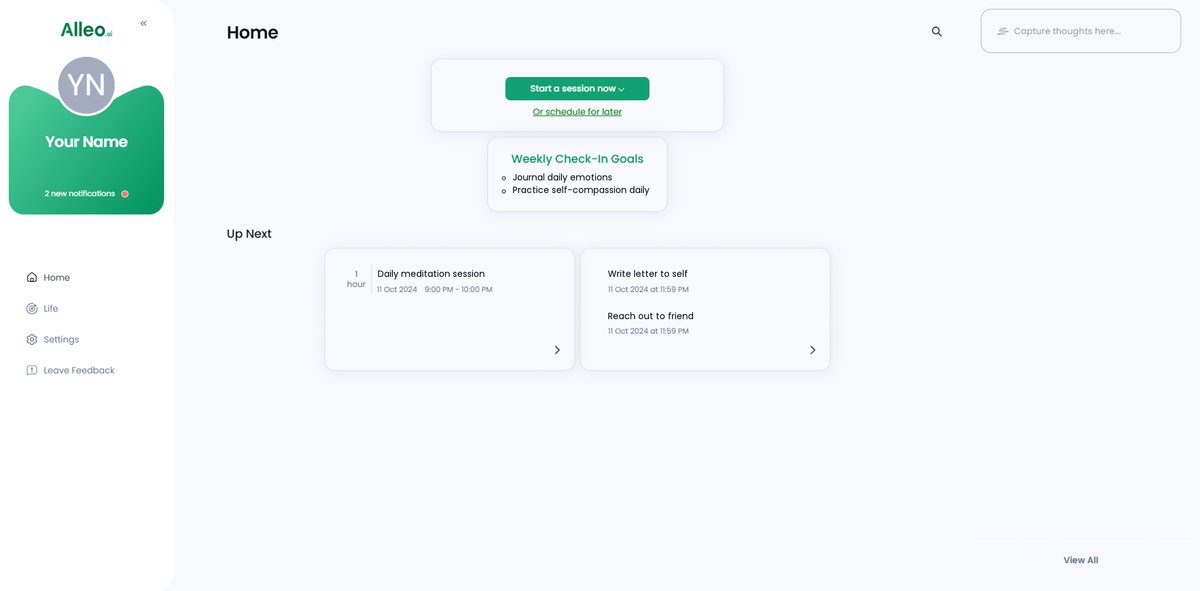
Step 5: Viewing and Managing Goals After the Session
After your coaching session on coping with friendship loss, you’ll find the goals you discussed displayed on the home page of the Alleo app, allowing you to easily track and manage your progress towards healing and building new connections.
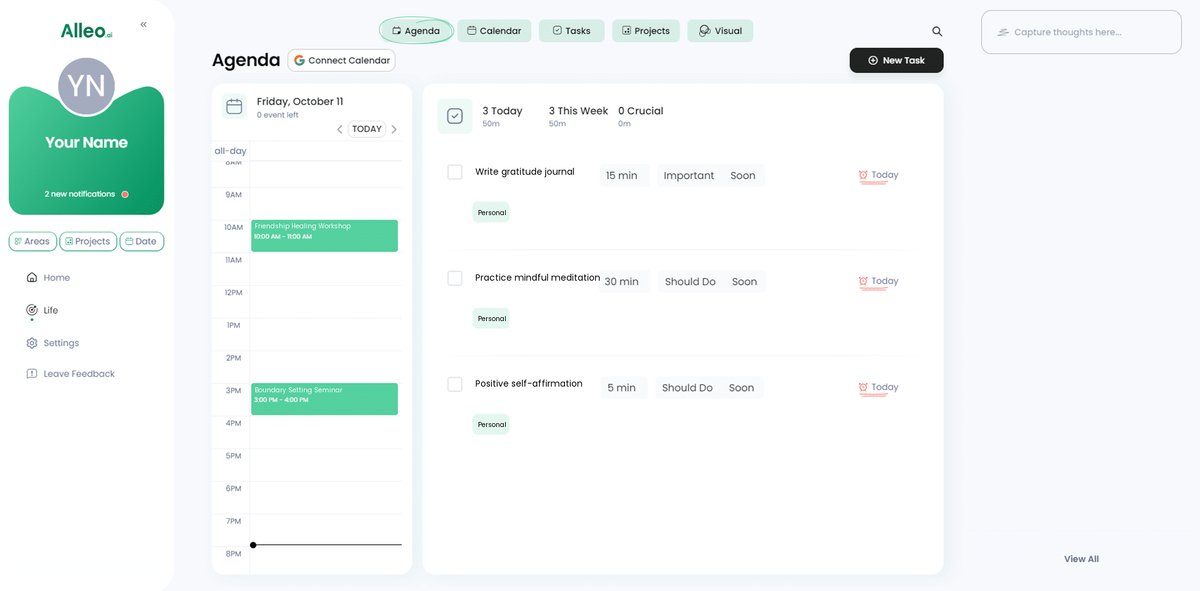
Step 6: Adding events to your calendar or app
To track your progress on your healing journey, use Alleo’s calendar and task features to add self-care activities, therapy appointments, and mindfulness sessions, helping you stay accountable and monitor your growth over time.
Embracing Healing and Moving Forward
Reflecting on our journey, it’s clear that coping with friendship loss involves multiple steps.
Remember, it’s okay to grieve and let your emotions flow as part of healing from friendship breakups.
Practice self-compassion and avoid harsh self-blame to build emotional resilience.
Engage in mindfulness techniques to stay present and manage your feelings.
Setting boundaries ensures healthier future friendships and strengthens your social support networks.
Seek support from friends or consider grief counseling to help navigate your emotions.
Don’t forget to prioritize self-care strategies that bring you joy and fulfillment.
You are not alone on this journey of coping with friendship loss.
With Alleo, you have a supportive companion to help you set and achieve your goals for personal growth after loss.
Take these actionable steps and start your healing today.
Your emotional resilience and new friendships await as you learn to manage loneliness.