How Tech Managers Can Master the Balance of Hardware Trends and Software Priorities: The Ultimate Guide
Are you struggling to balance hardware and software trends for your product launches? Managing the latest advancements in technology while prioritizing software capabilities can be a complex challenge for tech leads.
As a life coach, I’ve helped many professionals navigate these challenges in technology roadmap development. In my experience, balancing innovation with legacy systems and managing launches amidst evolving tech trends can be daunting.
In this article, you’ll learn seven key strategies to balance hardware and software trends. From data-driven decisions to scalable cloud infrastructure, these approaches will streamline your product management and IT budget prioritization strategies.
Let’s dive in to explore hardware-software integration strategies and tech stack optimization techniques.
The Challenges of Managing Tech Trends
Balancing hardware and software trends is a monumental task. Many clients initially struggle with the rapid pace of hardware advancements and software updates, making tech stack optimization techniques crucial.
This complexity can lead to missed deadlines and product failures, highlighting the need for agile project management for tech leads.
In my experience, tech managers often feel overwhelmed by the need to integrate new technologies quickly. The pressure to deliver flawless products adds to the stress, emphasizing the importance of hardware-software integration strategies.
You might find yourself constantly juggling priorities, which can be exhausting. This is where cross-functional team leadership in tech becomes essential.
Why is this so painful?
Because the stakes are high. A misstep in product development can lead to significant financial losses and damage to your brand’s reputation. Balancing innovation with legacy systems is crucial for success.
Understanding these challenges is the first step toward overcoming them. Developing a robust technology roadmap and implementing effective IT budget prioritization strategies can help in balancing hardware and software trends.

Strategic Steps for Balancing Hardware Trends with Software Priorities
Overcoming this challenge requires a few key steps. Here are the main areas to focus on to make progress in balancing hardware and software trends.
- Prioritize data-driven product decisions: Regularly collect and analyze customer feedback and market data for effective IT budget prioritization strategies.
- Implement agile software development practices: Train your team in agile project management for tech leads and conduct regular sprint reviews.
- Optimize hardware-software integration processes: Form dedicated integration teams and use simulation tools to enhance hardware-software integration strategies.
- Establish cross-functional collaboration teams: Organize meetings and mentorship programs for better alignment and cross-functional team leadership in tech.
- Conduct regular tech landscape assessments: Schedule reviews, attend conferences, and partner with research firms to stay informed on emerging technologies in hardware and software.
- Develop flexible product roadmaps: Use dynamic tools and involve stakeholders in roadmap reviews for effective technology roadmap development.
- Invest in scalable cloud infrastructure: Assess your IT setup and plan phased cloud migrations to balance innovation with legacy systems.
Let’s dive in!
1: Prioritize data-driven product decisions
Prioritizing data-driven product decisions is vital for aligning your product with market demands, especially when balancing hardware and software trends.
Actionable Steps:
- Conduct regular customer feedback sessions to gather real-time insights and data for hardware-software integration strategies.
- Utilize analytics tools to track market trends and consumer behavior, aiding in tech stack optimization techniques.
- Implement A/B testing for iterative product improvements based on data, crucial for balancing innovation with legacy systems.
Explanation: Prioritizing data-driven decisions allows you to make informed choices that resonate with your audience, essential for technology roadmap development.
Regular feedback sessions and analytics tools help capture valuable insights, while A/B testing ensures continuous improvement in balancing hardware and software trends.
According to Deloitte, leveraging data can significantly enhance decision-making processes. For more information, check out Deloitte’s insights on the importance of data in product management.
These steps will set a strong foundation for your product development, ensuring it meets market demands efficiently while balancing hardware and software trends.

2: Implement agile software development practices
Implementing agile software development practices is essential to adapt quickly to evolving tech trends and market demands, especially when balancing hardware and software trends.
Actionable Steps:
- Conduct agile training workshops for your development team to ensure they understand and embrace agile methodologies for effective tech stack optimization.
- Schedule regular sprint reviews to evaluate progress, identify roadblocks, and make necessary adjustments in hardware-software integration strategies.
- Foster a culture of quick adaptability to changing requirements by encouraging open communication and flexibility in cross-functional team leadership in tech.
Key benefits of agile practices include:
- Faster time-to-market for new features
- Increased team productivity and collaboration
- Higher customer satisfaction through iterative improvements
Explanation: Embracing agile practices allows your team to respond swiftly to changes, ensuring continuous improvement and a better alignment with market needs when balancing hardware and software trends.
Regular training and sprint reviews keep everyone on track and responsive to emerging technologies in hardware and software.
According to a report from Deloitte, agile methodologies significantly enhance product development efficiency, leading to more successful launches.
These steps will empower your team to stay nimble and competitive in a fast-paced tech landscape, effectively balancing innovation with legacy systems.
3: Optimize hardware-software integration processes
Integrating hardware with software efficiently is crucial for balancing hardware and software trends in your tech products.
Actionable Steps:
- Create a dedicated team to focus exclusively on hardware-software integration strategies and tasks.
- Use simulation tools to test hardware-software compatibility early in the development cycle, aiding in tech stack optimization techniques.
- Establish clear communication protocols between hardware and software teams to ensure seamless collaboration and cross-functional team leadership in tech.
Explanation: Optimizing hardware-software integration ensures that your products function smoothly, reducing the risk of issues post-launch while balancing innovation with legacy systems.
Early testing and clear communication improve efficiency and coordination in balancing hardware and software trends. For more insights, check out this resource on hardware asset management.
Implementing these steps will streamline your integration processes and enhance product performance, contributing to effective technology roadmap development.

4: Establish cross-functional collaboration teams
Creating cross-functional collaboration teams is essential for integrating diverse expertise and aligning goals across departments, especially when balancing hardware and software trends.
Actionable Steps:
- Organize regular cross-functional meetings to ensure all departments are aligned on objectives and strategies for hardware-software integration.
- Implement a mentorship program to promote knowledge sharing and skill development across teams, focusing on tech stack optimization techniques.
- Use collaboration software to maintain transparency and track progress on shared projects, supporting agile project management for tech leads.
Explanation: Establishing cross-functional collaboration teams promotes innovation and efficiency by leveraging diverse skills and perspectives, crucial for balancing hardware and software trends.
Regular meetings and mentorship programs foster alignment and professional growth, enhancing cross-functional team leadership in tech.
According to Oakwood University, effective collaboration is critical for achieving business goals and maintaining a competitive edge.
This approach will enhance team synergy and streamline your product development process, supporting technology roadmap development and resource allocation in IT management.

5: Conduct regular tech landscape assessments
Keeping up with the ever-evolving tech landscape is crucial for making informed product decisions and balancing hardware and software trends.
Actionable Steps:
- Schedule bi-annual tech landscape reviews to stay updated on emerging industry trends and hardware-software integration strategies.
- Attend industry conferences and webinars to gather new insights and network with other professionals in agile project management for tech leads.
- Partner with tech research firms to get comprehensive market analysis and forecasts on tech stack optimization techniques.
Essential areas to focus on during tech landscape assessments:
- Emerging technologies and their potential impact on balancing innovation with legacy systems
- Shifts in consumer behavior and preferences affecting resource allocation in IT management
- Competitive landscape changes and strategies for cross-functional team leadership in tech
Explanation: Regular tech landscape assessments ensure you stay ahead of market shifts and new technologies, crucial for balancing hardware and software trends.
Industry conferences and partnerships with research firms provide valuable insights and data for technology roadmap development.
According to GEP, staying informed about industry trends can significantly enhance your strategic planning and execution, including IT budget prioritization strategies.
This proactive approach will empower you to make well-informed decisions, ensuring your products remain competitive while balancing hardware and software trends.

6: Develop flexible product roadmaps
Developing flexible product roadmaps is crucial for adapting to changing market demands and tech advancements, especially when balancing hardware and software trends.
Actionable Steps:
- Use dynamic roadmap tools that allow for adjustments based on new data and technology roadmap development.
- Involve stakeholders in regular roadmap review sessions to ensure alignment and responsiveness to changes, incorporating cross-functional team leadership in tech.
- Prioritize features that offer the most value to customers in the short and long term, considering hardware-software integration strategies.
Explanation: Flexible product roadmaps help you stay agile and responsive to market shifts, ensuring your products remain competitive while balancing hardware and software trends.
Regularly involving stakeholders and using dynamic tools allows for continuous improvement and tech stack optimization techniques. According to Gocious, adaptable roadmaps enhance strategic planning and collaboration.
This approach keeps your team focused and aligned with market needs, supporting agile project management for tech leads.
7: Invest in scalable cloud infrastructure
Investing in scalable cloud infrastructure is critical for managing tech product launches in a fast-paced environment, especially when balancing hardware and software trends.
Actionable Steps:
- Assess current IT infrastructure to identify areas ripe for cloud integration and hardware-software integration strategies.
- Choose cloud service providers offering scalability and flexibility tailored to your needs, considering tech stack optimization techniques.
- Plan a phased migration to the cloud, minimizing disruptions and ensuring smooth transitions, utilizing agile project management for tech leads.
Key advantages of scalable cloud infrastructure:
- Enhanced flexibility to meet changing business needs and balance innovation with legacy systems
- Improved cost-efficiency through pay-as-you-go models, aiding in IT budget prioritization strategies
- Better disaster recovery and business continuity capabilities, supporting resource allocation in IT management
Explanation: These steps are vital for ensuring your infrastructure can adapt to rapid changes. According to Berkeley’s IT strategic plan, scalable cloud solutions enhance efficiency and security.
This approach will keep your product development agile and responsive, facilitating cross-functional team leadership in tech.
Taking these actions will set a solid foundation for your cloud strategy and technology roadmap development.
Partner with Alleo to Balance Hardware Trends with Software Priorities
We’ve explored the challenges of balancing hardware and software trends, and how solving them can benefit your product launches. But did you know you can work directly with Alleo to make this journey easier and faster?
Setting up an account with Alleo is simple. Create a personalized plan that fits your needs for balancing innovation with legacy systems.
Alleo’s AI coach will guide you through each step of hardware-software integration strategies. The coach will provide actionable advice, follow up on your progress, and keep you accountable via text and push notifications.
Alleo helps aggregate and analyze customer feedback for data-driven decisions. It offers reminders and tips for agile project management for tech leads and sprints.
Alleo provides checklists and timelines for hardware-software integration. It facilitates communication and task management across cross-functional teams in tech.
Alleo keeps track of industry trends and sends timely updates on emerging technologies in hardware and software. It assists in creating and updating dynamic technology roadmap development.
Alleo helps plan and monitor cloud migration strategies, aiding in tech stack optimization techniques.
Ready to get started for free? Let me show you how!
Step 1: Log In or Create Your Account
To start balancing hardware trends with software priorities using our AI coach, simply Log in to your account or create a new one to access personalized guidance and tools.

Step 2: Choose Your Focus Area
Select “Setting and achieving personal or professional goals” to align your efforts with balancing hardware trends and software priorities. This focus will help you create a structured approach to managing product launches and staying competitive in the rapidly evolving tech landscape.

Step 3: Select “Career” as Your Focus Area
Choose “Career” as your focus area in Alleo to address your product management challenges head-on. By selecting this life area, you’ll receive tailored guidance on balancing hardware trends with software priorities, improving your decision-making skills, and enhancing your overall product launch strategies.

Step 4: Starting a coaching session
Begin your journey with Alleo by scheduling an intake session, where our AI coach will help you create a personalized plan to balance hardware trends and software priorities for your product launches.

Step 5: Viewing and managing goals after the session
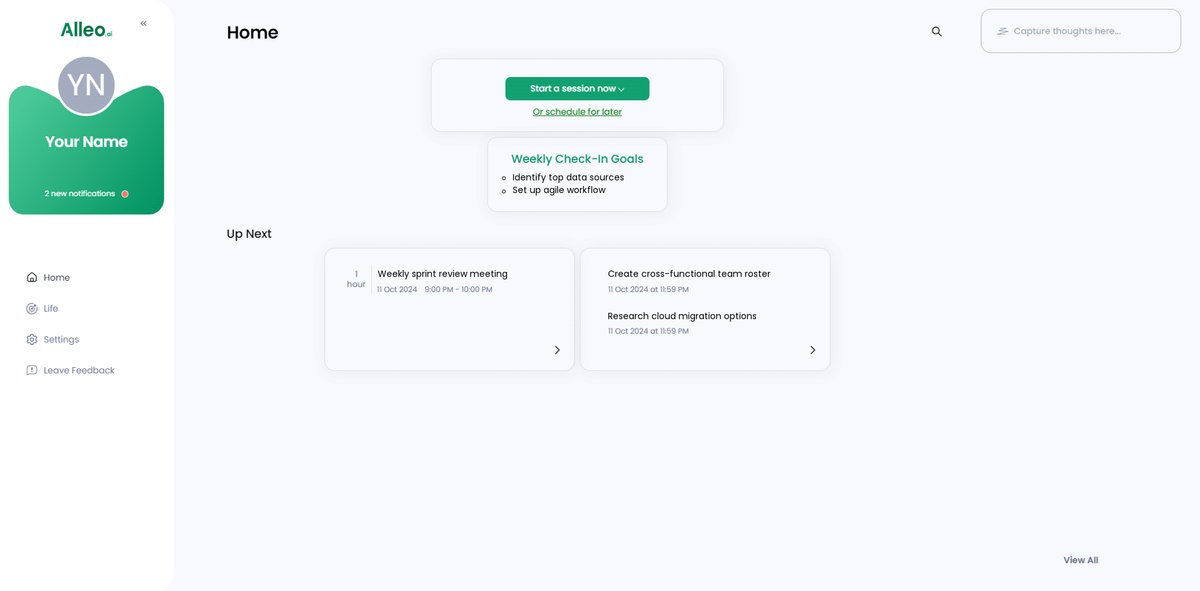
After your coaching session, open the Alleo app to find your discussed goals displayed on the home page, where you can easily track and manage your progress towards balancing hardware trends with software priorities.
Step 6: Adding events to your calendar or app
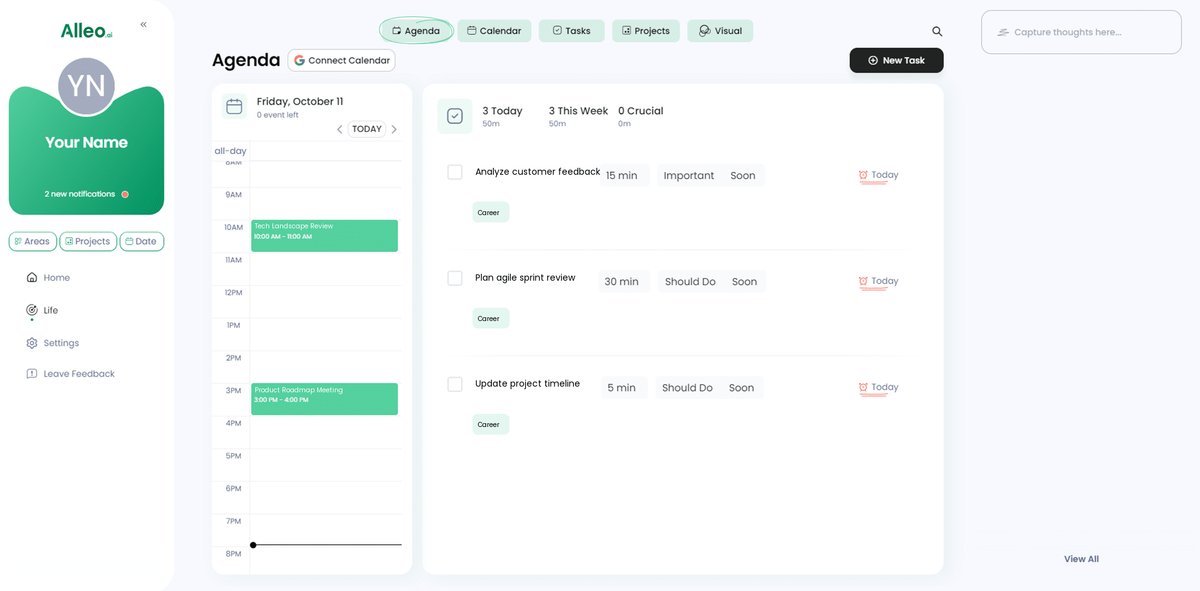
Use Alleo’s calendar integration to schedule key events like tech landscape reviews, sprint meetings, and roadmap sessions, allowing you to track your progress in balancing hardware trends with software priorities efficiently.
Bringing It All Together: Your Path to Successful Product Launches
You’ve now explored the essential strategies to balance hardware and software trends. These tips can transform your approach to managing tech product launches and optimizing your tech stack.
Remember, the stakes are high, but you have the tools to succeed. Start by prioritizing data-driven decisions and embracing agile project management for tech leads.
Integrate hardware and software efficiently, and foster cross-functional team leadership in tech.
Stay updated on emerging technologies in hardware and software and develop flexible technology roadmap development. Lastly, invest in scalable cloud infrastructure to support your efforts in balancing innovation with legacy systems.
You don’t have to do it alone. Alleo is here to guide you every step of the way in balancing hardware and software trends.
Start your journey with Alleo today and see the difference in your IT budget prioritization strategies.