How to Adapt Books for Diverse Audiences: 3 Essential Strategies for Screenwriters
Have you ever wondered how to adapt your beloved novel for a film while appealing to a diverse audience? Adapting books for diverse audiences is a challenging yet rewarding process for screenwriters.
As a life coach, I’ve helped many writers navigate the challenges of adaptation. I often encounter questions about maintaining the essence of a story while broadening its appeal. Book adaptation techniques and screenplay writing for diverse audiences are crucial skills in today’s film industry.
In this blog, we’ll explore strategies to adapt books for different audiences as a screenwriter, focusing on core story elements and audience expectations. We’ll delve into literary adaptation strategies, target demographic considerations, and character development across mediums.
Let’s dive in and explore the art of adapting books for diverse audiences.

The Challenge of Balancing Faithful Adaptation with Modern Appeal
Balancing a faithful adaptation with the need for modernization and audience diversification is a significant challenge when adapting books for diverse audiences. Many clients initially struggle with preserving their book’s unique voice while making it accessible to a global audience through effective book adaptation techniques.
This can feel daunting.
Adapting a book for film often means altering characters or plot points to suit different cultures and sensibilities. You might find this compromises your story’s integrity when modifying narrative for screen.
Moreover, the pressure to meet diverse audience expectations can be overwhelming. I often see clients benefit from detailed audience analysis in screenwriting to navigate this complex terrain of target demographic considerations.
However, it’s not easy.
If you don’t address this challenge effectively, you risk alienating both original fans and new viewers. This is why understanding the core elements of your story and how to adapt them is crucial for successful literary adaptation strategies.

Key Steps to Adapting Books for Diverse Audiences
Overcoming this challenge requires a few key steps when adapting books for diverse audiences. Here are the main areas to focus on to make progress in book adaptation techniques:
- Analyze Target Audience Demographics and Interests: Conduct thorough audience analysis in screenwriting to understand preferences and cultural backgrounds, considering target demographic considerations.
- Identify Core Story Elements to Preserve: Maintain essential plot points, character development across mediums, and thematic consistency when modifying narrative for screen.
- Adapt Dialogue and Themes for Modern Sensibilities: Update language, address cultural sensitivity in adaptations, and enhance visual storytelling from written works.
Let’s dive into these literary adaptation strategies!
1: Analyze target audience demographics and interests
Understanding your audience is crucial when adapting books for diverse audiences. This step lays the foundation for effective book adaptation techniques.
Actionable Steps:
- Conduct surveys and focus groups to gather data on audience preferences for literary adaptation strategies.
- Analyze demographic information to understand cultural and social backgrounds, essential for screenplay writing for diverse audiences.
- Review successful adaptations in similar genres and note their strategies for modifying narrative for screen.
Key factors to consider when analyzing your target audience:
- Age range and generational preferences
- Cultural background and societal norms, crucial for cultural sensitivity in adaptations
- Media consumption habits and platforms, important for visual storytelling from written works
Explanation: These steps matter because they help you tailor your story to meet the expectations of a broader audience when adapting books for diverse audiences.
By gathering data and studying successful adaptations, you can identify trends and commonalities that resonate with different audiences, enhancing character development across mediums.
For instance, the Screenwriting courses at LMU emphasize the importance of understanding audience demographics to create compelling adaptations.
These insights will guide you in making informed decisions that enhance your adaptation’s appeal, considering target demographic considerations and genre-specific adaptation tips.

2: Identify core story elements to preserve
Preserving the core story elements is crucial when adapting books for diverse audiences while maintaining its essence.
Actionable Steps:
- Highlight Key Plot Points: Identify and list the pivotal events driving your narrative. Ensure these remain central in your book adaptation techniques.
- Maintain Character Integrity: Preserve your main characters’ core traits and arcs. Avoid unnecessary changes that might alienate original fans while modifying narrative for screen.
- Retain Thematic Consistency: Identify your book’s primary themes. Ensure these themes are evident and respected in the adaptation, considering cultural sensitivity in adaptations.
Essential elements to preserve in your adaptation:
- Central conflict and resolution
- Character development across mediums
- Unique world-building aspects
Explanation: These steps are vital because they help maintain the story’s integrity while making it appealing to new audiences through literary adaptation strategies.
By focusing on key plot points, character integrity, and thematic consistency, you ensure that your adaptation remains true to the original work while considering target demographic considerations.
For example, the Screenwriting courses at LMU emphasize the importance of retaining core story elements to create compelling adaptations that resonate with audiences.
Following these guidelines will help you craft an adaptation that honors your original work while captivating a broader audience through visual storytelling from written works.
3: Adapt dialogue and themes for modern sensibilities
Updating dialogue and themes ensures your story resonates with contemporary audiences when adapting books for diverse audiences.
Actionable Steps:
- Update Language and Idioms: Modernize outdated language to resonate with today’s audience. Ensure dialogue feels natural and engaging in your book adaptation techniques.
- Address Cultural Sensitivities: Review content for potentially offensive or outdated attitudes. Make thoughtful adjustments to reflect current values, considering cultural sensitivity in adaptations.
- Enhance Visual and Emotional Appeal: Add visual storytelling elements that enhance the narrative. Use subtext and symbolism to convey deeper meanings when modifying narrative for screen.
Strategies for modernizing your adaptation:
- Incorporate diverse perspectives and representation in screenplay writing for diverse audiences
- Update technological references and social dynamics
- Enhance emotional depth through visual storytelling from written works
Explanation: These steps matter because they help your story connect with modern viewers while retaining its essence.
By updating language, addressing cultural sensitivities, and enhancing visual appeal, you ensure your adaptation resonates with a diverse audience. This approach is crucial in adapting books for diverse audiences.
For instance, the English courses at Texas State emphasize the importance of modernizing dialogue and themes to create relevant and engaging adaptations.
Taking these actions will help you craft an adaptation that feels both timeless and current, appealing to a broad spectrum of viewers through effective literary adaptation strategies.

Partner with Alleo on Your Adaptation Journey
We’ve explored the challenges of adapting books for diverse audiences as a screenwriter. But did you know you can work directly with Alleo to make this journey of adapting books for diverse audiences easier and faster?
Set up your account and create a personalized plan with Alleo’s AI coach. Break down the adaptation process into manageable tasks with deadlines, focusing on book adaptation techniques and screenplay writing for diverse audiences.
Track your progress and stay organized. Alleo’s AI analyzes feedback and helps you make informed decisions, considering target demographic considerations and audience analysis in screenwriting.
Receive personalized advice on balancing fidelity and modernization, incorporating literary adaptation strategies and cultural sensitivity in adaptations. Create a writing schedule with Alleo’s habit-building features.
Stay motivated and disciplined throughout the adaptation process, whether you’re working on modifying narrative for screen or character development across mediums.
Ready to get started for free? Let me show you how to enhance your skills in adapting books for diverse audiences!
Step 1: Logging in or Creating an Account
To begin your adaptation journey with Alleo’s AI coach, Log in to your account or create a new one to access personalized guidance for adapting your book to diverse audiences.

Step 2: Choose “Building better habits and routines”
Click on “Building better habits and routines” to establish a consistent writing schedule and discipline, crucial for successfully adapting your book into a screenplay while maintaining its essence and appealing to diverse audiences.

Step 3: Select “Career” as Your Focus Area
Choose “Career” as your focus area in Alleo to tailor your adaptation journey, helping you navigate the challenges of transforming your book into a screenplay that appeals to diverse audiences while advancing your writing career.

Step 4: Starting a Coaching Session
Begin your adaptation journey with an intake session in Alleo, where you’ll outline your book’s key elements and set goals for your screenplay, creating a personalized plan to guide you through the adaptation process.

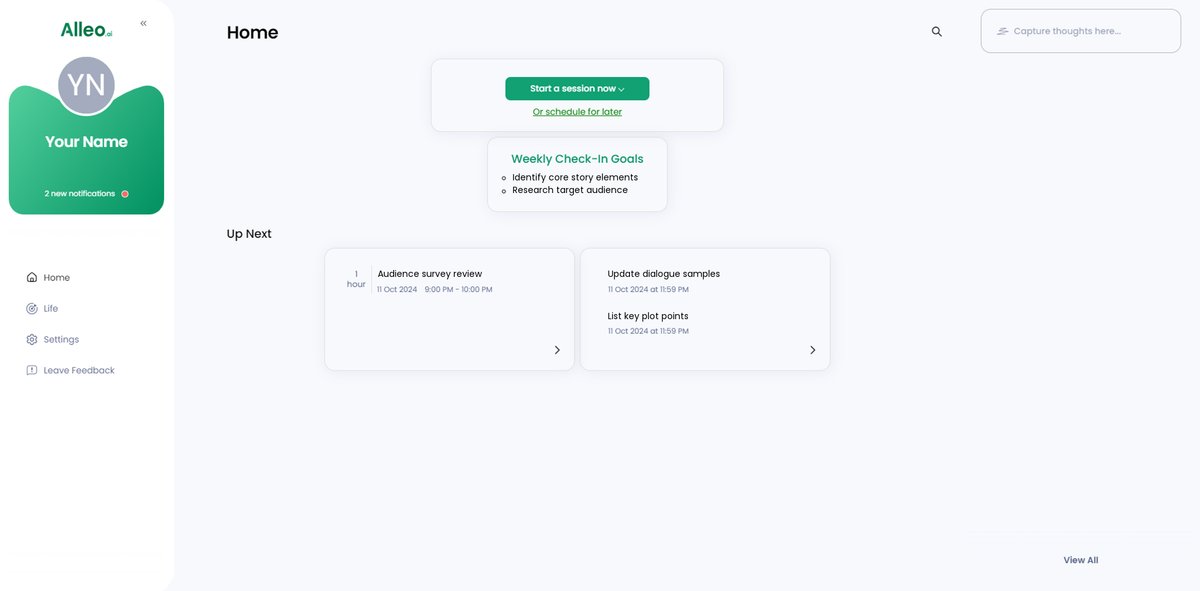
Step 5: Viewing and Managing Goals After the Session
After your coaching session on adapting your book for diverse audiences, check your Alleo app’s home page to review and manage the goals you discussed, helping you stay on track with your adaptation project.
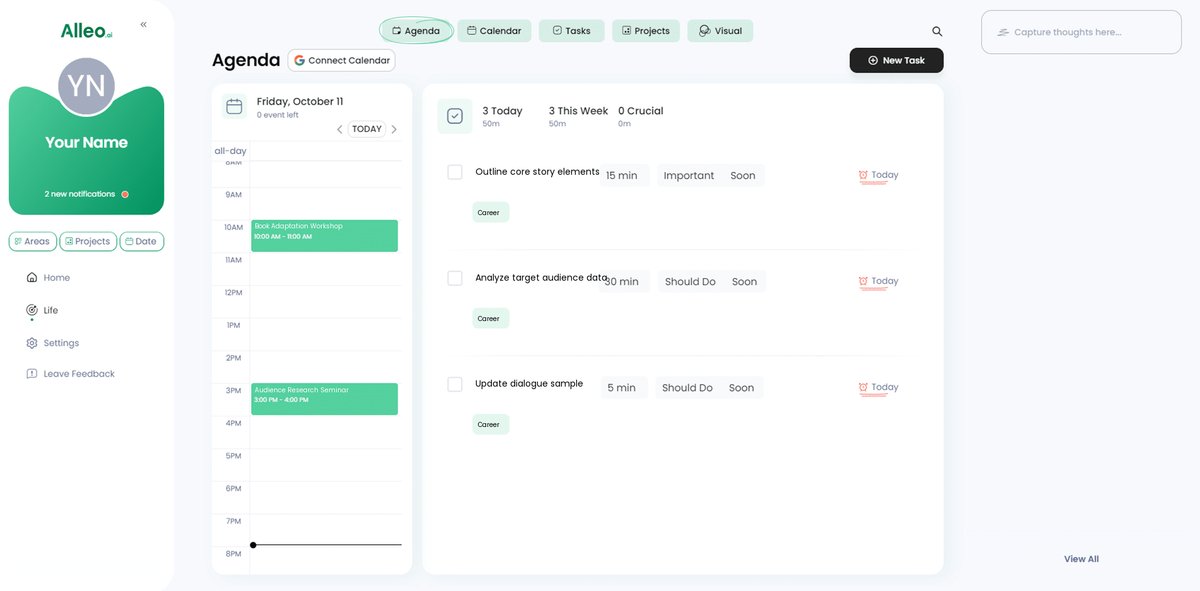
Step 6: Adding events to your calendar or app
Easily track your adaptation progress by adding key milestones and deadlines to your calendar or app, allowing you to visualize your journey and stay on top of important tasks as you transform your novel into a screenplay that appeals to diverse audiences.
Your Successful Adaptation Journey Awaits
So, we’ve covered a lot about adapting books for diverse audiences. You now know the importance of understanding your audience, preserving core story elements, and modernizing dialogue and themes in book adaptation techniques.
I get it, this process can feel overwhelming. But remember, you’re not alone in this journey of screenplay writing for diverse audiences.
You have the tools and strategies to make your adaptation a success, including audience analysis in screenwriting.
Keep your story’s essence intact while appealing to a broader demographic. This balance is crucial in literary adaptation strategies.
Ready to take the plunge? Alleo is here to help with target demographic considerations.
With Alleo, you can streamline your adaptation process and stay on track when modifying narrative for screen.
Start your adaptation project today. You’ve got this, from character development across mediums to cultural sensitivity in adaptations.