How to Explain Revisions and Editing Choices to Authors: 6 Proven Strategies
Have you ever struggled with explaining revisions to authors or communicating editorial decisions to a diverse audience?
As a life coach, I’ve helped many professionals navigate these challenges in the manuscript revision process. In my experience, clear communication is crucial for diverse audience adaptation and maintaining a positive author-editor relationship.
In this article, you’ll learn specific strategies for explaining revisions to authors and ensuring your audience understands the rationale behind editing suggestions. We’ll cover clear annotations, accessible language, visual aids, and more constructive criticism in writing techniques.
Let’s dive into these revision strategies and manuscript improvement techniques.

The Challenges of Explaining Revisions to Diverse Audiences
Many clients initially struggle with explaining revisions to authors clearly. It’s common to see misunderstandings and frustration arise from ineffective communication in the manuscript revision process.
In my experience, people often find it hard to articulate the reasoning behind editorial decisions, especially to those unfamiliar with the subject matter. This can lead to confusion and resistance from authors when providing writing feedback.
When revisions aren’t communicated well, the audience may feel overwhelmed or undervalued. Ensuring clarity and comprehension in author communication is essential to avoid these pitfalls.
It’s crucial to use a structured approach, with clear annotations and accessible language, to bridge the communication gap in the author-editor relationship. Trust me, a little effort in this direction can make a significant difference when explaining revisions to authors.

Steps to Effectively Explain Revisions and Editing Choices to Authors
Overcoming this challenge requires a few key steps. Here are the main areas to focus on when explaining revisions to authors and improving the manuscript revision process:
- Use clear annotations to highlight changes: Annotate changes directly on the document using tools like comments or track changes to provide effective writing feedback.
- Provide specific examples of before and after: Present a side-by-side comparison of original and revised text to illustrate changes and enhance author communication.
- Explain rationale using accessible language: Avoid jargon, opting for simple and clear language to explain the reasons behind editorial decisions and editing suggestions.
- Offer visual aids like color-coding or diagrams: Use color-coding to differentiate types of changes and create diagrams to visualize the impact of revision strategies.
- Schedule brief conferences to discuss revisions: Set up short, focused meetings to discuss major changes and address any questions, fostering a strong author-editor relationship.
- Encourage author feedback on proposed changes: Create a feedback form to gather authors’ thoughts and foster a collaborative writing environment while explaining revisions to authors.
Let’s dive in to these manuscript improvement techniques!
1: Use clear annotations to highlight changes
Clear annotations are essential for explaining revisions to authors and helping them understand changes without confusion.
Actionable Steps:
- Annotate changes directly on the document: Use tools like comments or track changes to mark changes clearly and consistently, enhancing the manuscript revision process.
- Use symbols or marks consistently: Indicate different types of changes, such as grammar corrections, structural adjustments, and content revisions with distinct symbols, improving author communication.
- Include brief explanations within annotations: Provide context for each change to help authors understand the rationale behind revisions, facilitating constructive criticism in writing.
Explanation:
These steps matter because they ensure authors can follow your changes easily. By using clear annotations when explaining revisions to authors, you minimize misunderstandings and improve collaborative writing.
According to Graduate Writing Service, focusing on clarity and consistency in writing feedback helps writers improve their skills effectively. This structured approach bridges communication gaps and fosters a productive revision process, strengthening the author-editor relationship.
Clear annotations make the revision process smoother, enabling authors to grasp editing suggestions quickly and efficiently, which is crucial for manuscript improvement techniques.

2: Provide specific examples of before and after
Providing specific examples of before and after helps authors see the impact of revisions clearly when explaining revisions to authors.
Actionable Steps:
- Present a side-by-side comparison: Create a side-by-side view of the original and revised texts to showcase changes in the manuscript revision process.
- Highlight key differences: Use bold or color to emphasize the differences between the original and revised text, enhancing the effectiveness of writing feedback.
- Use real-world examples: Share past experiences where similar revisions led to significant improvements, strengthening the author-editor relationship.
Explanation:
These steps matter because they help authors understand the changes made to their work and see the benefits of constructive criticism in writing. By providing clear, visual examples, you ensure that the rationale behind editorial decisions is evident.
According to Ohio University, using specific examples helps in building awareness and understanding. This approach fosters a more collaborative writing process and transparent revision strategy.
Seeing the before and after can make revisions feel less abstract and more achievable, improving the overall manuscript improvement techniques.
3: Explain rationale using accessible language
Using accessible language is crucial for ensuring your audience grasps the reasons behind revisions when explaining revisions to authors.
Actionable Steps:
- Avoid jargon and technical terms: Use simple and clear language to explain changes, making it easy for everyone to understand during the manuscript revision process.
- Provide analogies or relatable examples: Use analogies to clarify complex concepts, making them more relatable and easier to grasp when writing feedback.
- Write explanations as if speaking to a non-expert: Craft your explanations as if you are addressing someone unfamiliar with the subject, enhancing author communication.
Explanation:
These steps matter because they help bridge the gap between technical knowledge and audience comprehension when explaining revisions to authors.
By simplifying language and using relatable examples, you ensure that your explanations are clear and effective, improving the author-editor relationship.
This approach aligns with best practices suggested by the University of Missouri, which emphasize the importance of accessible language in teaching.
Clear communication fosters collaboration and reduces misunderstandings in the manuscript revision process.
This method ensures a smoother revision process, enhancing understanding and cooperation when providing editing suggestions and constructive criticism in writing.
4: Offer visual aids like color-coding or diagrams
Incorporating visual aids like color-coding or diagrams can greatly enhance understanding when explaining revisions to authors during the manuscript revision process.
Actionable Steps:
- Use color-coding to differentiate types of changes: Apply distinct colors to show different kinds of revisions, such as red for deletions and green for additions, improving author communication.
- Create diagrams or flowcharts: Visualize the impact of changes on the overall structure with flowcharts or diagrams, aiding in constructive criticism in writing.
- Incorporate visual summaries: Add visual summaries at the end of each section to reinforce key points and support collaborative writing.
Explanation:
These steps matter because visual aids make complex revisions easier to understand. By using color-coding and diagrams, you provide a clear and immediate way for authors to see the significance of changes, enhancing the author-editor relationship.
This approach aligns with best practices in writing instruction, which emphasize the use of visual tools to aid comprehension. According to JetBrains, visualizing changes helps users trace and understand modifications more efficiently, which is crucial when explaining revisions to authors.
Visual aids ensure a smoother revision process, making changes clearer and more accessible for everyone involved in the manuscript improvement techniques.
Key benefits of using visual aids in revision:
- Enhances understanding of complex changes in editorial decisions
- Reduces confusion and misinterpretation when providing writing feedback
- Saves time by quickly conveying information, supporting effective revision strategies
5: Schedule brief conferences to discuss revisions
Scheduling brief conferences to discuss revisions ensures clarity and fosters collaboration when explaining revisions to authors.
Actionable Steps:
- Set up short, focused meetings to discuss major changes: Limit each meeting to 15-20 minutes to maintain focus and efficiency in the manuscript revision process.
- Prepare a concise agenda: Ensure the meeting stays on track by listing key points and questions in advance, facilitating effective author communication.
- Encourage open dialogue and feedback: Foster a collaborative writing environment where authors feel comfortable sharing their thoughts and concerns about editing suggestions.
Explanation:
These steps matter because brief, focused meetings enhance understanding and address questions promptly when explaining revisions to authors.
By preparing an agenda, you ensure that the meeting is productive and stays on track, which aligns with best practices in writing feedback and constructive criticism in writing.
According to Queens College, structured feedback sessions help clarify expectations and improve the revision process, strengthening the author-editor relationship.
Effective conferences make revising a collaborative effort, leading to better outcomes for everyone involved in the manuscript improvement process.
6: Encourage author feedback on proposed changes
Encouraging author feedback on proposed changes is essential for fostering collaboration and ensuring revisions meet authors’ needs when explaining revisions to authors.
Actionable Steps:
- Create a feedback form or survey: Develop a simple form to gather authors’ thoughts on specific revisions, ensuring their voices are heard in the manuscript revision process.
- Schedule follow-up sessions: Arrange short follow-up meetings to discuss writing feedback and make necessary adjustments based on authors’ input.
- Foster a collaborative environment: Encourage open dialogue where authors feel comfortable sharing their thoughts and concerns, strengthening the author-editor relationship.
Explanation:
These steps matter because they promote a collaborative revision process, enhancing mutual understanding and satisfaction. By gathering feedback and discussing it, you ensure that revisions align with the authors’ vision and improve the process of explaining revisions to authors.
This approach leads to a smoother revision process and better outcomes. According to the Graduate Writing Service, focusing on collaboration and feedback helps in improving writing quality and author satisfaction.
Encouraging author feedback ensures revisions are a shared effort, leading to more effective and agreeable outcomes for everyone involved in the manuscript improvement process.
Tips for effective author feedback:
- Be specific and constructive in your comments when providing editing suggestions
- Focus on the most important issues first when explaining revisions to authors
- Provide suggestions for improvement when possible, using constructive criticism in writing
Partner with Alleo to Explain Revisions Clearly
We’ve explored the challenges of explaining revisions to authors and how to tackle them. Did you know you can work directly with Alleo to make this journey of manuscript improvement techniques easier and faster?
Setting up an account with Alleo is simple. Create a personalized plan tailored to your needs for enhancing the author-editor relationship and streamlining the manuscript revision process.
Alleo’s AI coach will help you set up annotation systems, create visual aids, and schedule conferences to improve your writing feedback and author communication. The coach will follow up on your progress, handle changes in editorial decisions, and keep you accountable via text and push notifications, supporting your revision strategies.
Ready to get started for free and revolutionize your approach to explaining revisions to authors? Let me show you how!
Step 1: Log In or Create Your Alleo Account
To begin your journey with Alleo’s AI coach for clearer revision communication, log in to your existing account or create a new one in just a few clicks.

Step 2: Choose “Building better habits and routines”
Click on “Building better habits and routines” to focus on developing consistent practices for explaining revisions, which will help you communicate changes more effectively and efficiently to your diverse audience.

Step 3: Selecting the life area you want to focus on
Choose “Career” as your focus area to improve your revision communication skills, which are crucial for professional growth and effective collaboration in various work environments.

Step 4: Starting a Coaching Session
Begin your journey with Alleo by scheduling an intake session, where you’ll collaborate with your AI coach to create a personalized plan for improving your revision communication skills.

Step 5: Viewing and Managing Goals After the Session
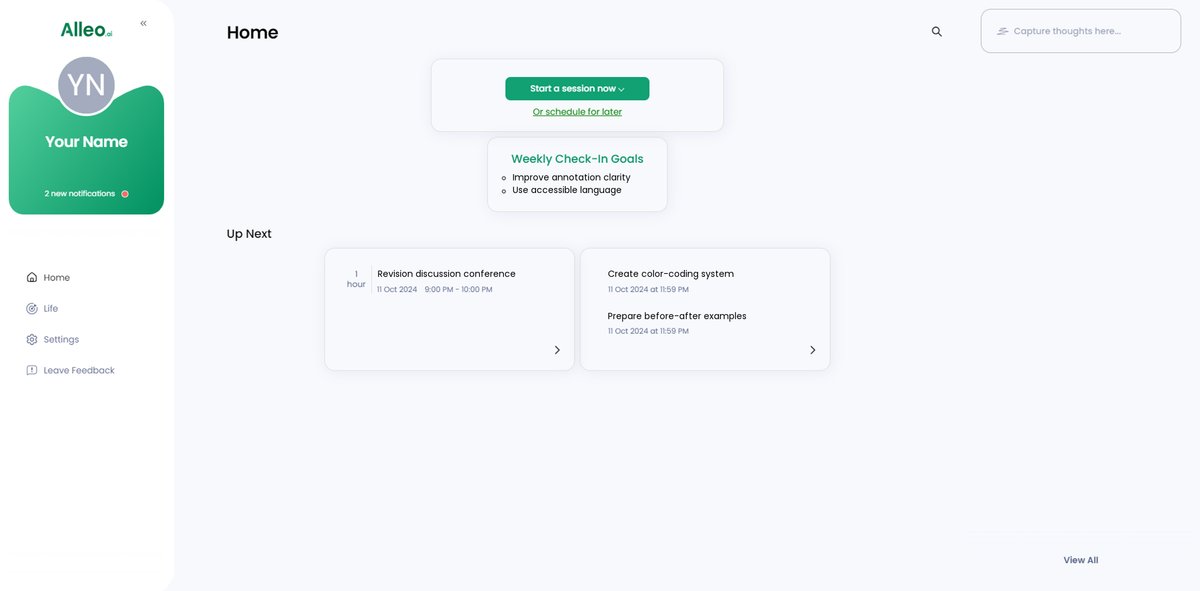
After your coaching session, check the home page of the Alleo app to review and manage the goals you discussed, ensuring you stay on track with your revision communication strategies.
Step 6: Adding events to your calendar or app
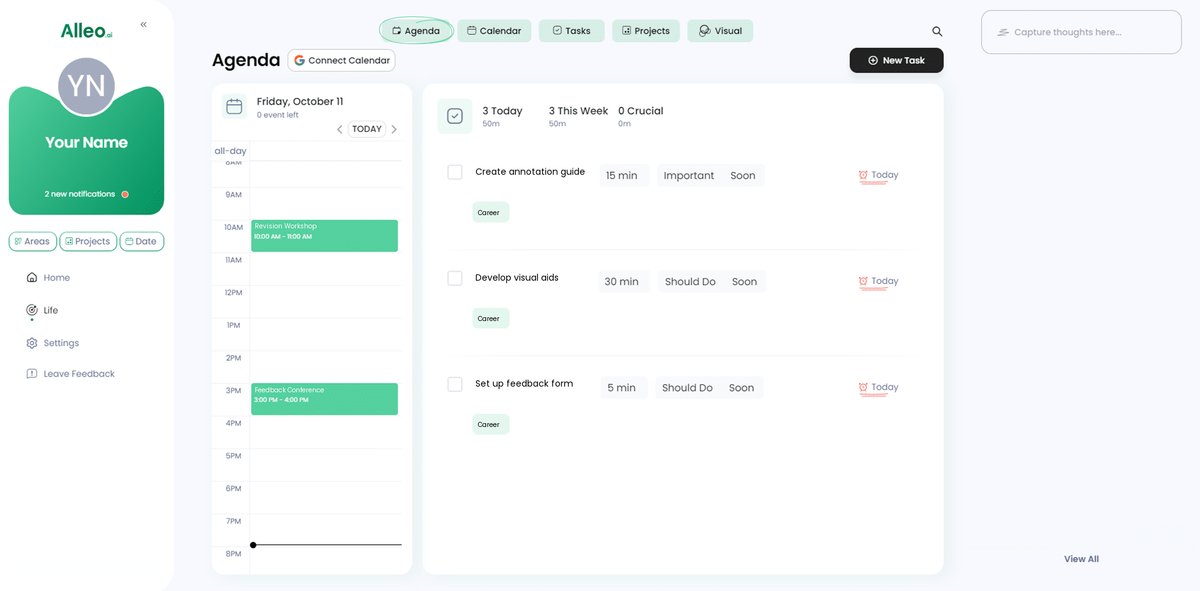
Use Alleo’s calendar and task features to schedule revision conferences and track your progress in improving your communication of edits, allowing you to stay organized and accountable throughout the process.
Bringing It All Together: Clear and Effective Revision Communication
By now, you’ve learned several strategies for explaining revisions to authors clearly and effectively. These include using clear annotations, providing specific examples, and using accessible language in your writing feedback.
Visual aids and brief conferences are also crucial in the manuscript revision process. Encouraging author feedback fosters collaboration and strengthens the author-editor relationship.
Remember, clear communication is key when explaining revisions to authors. It ensures everyone understands the rationale behind editorial decisions and constructive criticism in writing.
Feeling confident about implementing these revision strategies?
You can tackle this challenge and improve your revision communication, enhancing the manuscript improvement techniques you use.
Consider giving Alleo a try. It’s here to support you with personalized coaching and tools for explaining revisions to authors.
Ready to make your revision process smoother? Start with Alleo for free today and improve your approach to editing suggestions!