How to Prioritize Multiple Objectives for Project Managers: 5 Fundamental Principles
Are you feeling overwhelmed by the sheer number of tasks on your plate? Prioritizing multiple project objectives can be a challenge for many professionals.
As a life coach, I’ve guided many freelancers through the maze of task prioritization. I often see the struggles of managing multiple objectives and deadlines, especially when it comes to balancing competing priorities.
In this article, you’ll discover actionable strategies for prioritizing your projects effectively. We’ll cover key project management techniques like setting prioritization criteria, using dashboards, and more to help you master the art of prioritizing multiple project objectives.
Ready to streamline your workflow and improve your time management skills? Let’s dive into these essential project management techniques.

The Struggles of Task Prioritization
Managing multiple tasks can be a nightmare for freelancers. You might find yourself constantly switching between projects, trying to meet deadlines, and feeling overwhelmed when prioritizing multiple project objectives.
This leads to stress and decreased productivity, impacting your project management techniques.
Many clients struggle with task overload, missing deadlines, and delivering subpar work. Poor prioritization can result in lost clients and missed opportunities, highlighting the importance of balancing competing priorities.
Imagine working on overlapping deadlines and nearly losing a major client. It’s a common scenario that emphasizes the need for effective time management for project managers and stakeholder communication strategies.
Let’s explore how to tackle this problem head-on, focusing on prioritizing multiple project objectives.

Roadmap to Effective Task Prioritization
Overcoming this challenge of prioritizing multiple project objectives requires a few key steps. Here are the main areas to focus on to make progress in project management techniques:
- Establish project prioritization criteria: Define and rank tasks based on urgency and importance, balancing competing priorities.
- Create a centralized project dashboard: Use a project management tool to organize and track all projects, aiding in resource allocation across objectives.
- Use RACI chart for task assignment: Assign roles and responsibilities clearly for each task, improving stakeholder communication strategies.
- Set “sticky goals” with clear milestones: Break goals into actionable steps and set milestones, essential for goal-setting in complex projects.
- Implement regular progress tracking meetings: Schedule consistent check-ins to review and adjust progress, crucial for time management for project managers.
Let’s dive in to explore these techniques for prioritizing multiple project objectives!
1: Establish project prioritization criteria
Establishing project prioritization criteria is crucial for prioritizing multiple project objectives effectively.
Actionable Steps:
- Identify and list all ongoing projects and tasks.
- Use a project management tool to create a comprehensive list.
- Ensure all tasks are listed by the end of the week.
- Set aside 30 minutes each day to update the list.
- Define criteria for prioritization (e.g., deadlines, importance, client impact).
- Categorize tasks based on urgency and importance for balancing competing priorities.
- Use a simple scoring system to rank tasks and aid in resource allocation across objectives.
- Assign scores to each task by the end of the week.
- Apply these criteria to rank your tasks.
- Use the scoring system to order tasks, considering performance metrics for multi-objective projects.
- Review and adjust rankings weekly as part of your time management for project managers strategy.
- Sort tasks in your project management tool based on scores.
Explanation: Establishing clear prioritization criteria helps you focus on the most important tasks first. It reduces stress and increases productivity in project scope management.
According to monday.com, categorizing tasks and projects based on urgency and importance is an effective way to manage multiple objectives. This structured approach ensures you stay on top of deadlines and client needs, which is essential for stakeholder communication strategies.
Key benefits of prioritization:
- Improved focus on high-impact tasks
- Reduced stress and overwhelm
- Better time management
By ranking your tasks and regularly reviewing them, you’ll maintain clarity and direction in your work, which is crucial when prioritizing multiple project objectives.
2: Create a centralized project dashboard
Creating a centralized project dashboard is essential for keeping all your projects organized and accessible, especially when prioritizing multiple project objectives.
Actionable Steps:
- Choose a project management tool that suits your needs for balancing competing priorities.
- Research and select a tool within a week.
- Compare features and pricing of at least three tools.
- Sign up for a free trial or demo.
- Set up the dashboard with all current projects, incorporating goal-setting for complex projects.
- Create separate boards or sections for each project.
- Ensure all projects are added within two days.
- Use templates to speed up the setup process.
- Regularly update the dashboard to reflect real-time progress and aid in resource allocation across objectives.
- Schedule daily or weekly check-ins to update status.
- Allocate 15 minutes at the end of each day for updates.
- Use automated reminders to maintain consistency.
Explanation: A centralized project dashboard streamlines your workflow by keeping everything in one place. This approach not only saves time but also enhances visibility and collaboration, crucial for project scope management and stakeholder communication strategies.
According to ProjectManager.com, using project management software provides better oversight and management of multiple projects, ensuring nothing falls through the cracks.
This structured setup helps you stay organized and reduces the risk of missing crucial deadlines, supporting effective time management for project managers and risk assessment in multi-objective projects.

3: Use RACI chart for task assignment
Using a RACI chart for task assignment ensures that roles and responsibilities are clearly defined, preventing confusion and overlap when prioritizing multiple project objectives.
Actionable Steps:
- Create a RACI chart template for your projects.
- Define roles and responsibilities (Responsible, Accountable, Consulted, Informed).
- Complete the template for one project initially, considering resource allocation across objectives.
- Assign tasks using the RACI chart.
- Clearly designate roles for each task in the chart, focusing on balancing competing priorities.
- Ensure all critical tasks have assigned roles, aligning with project scope management.
- Review and update the RACI chart regularly.
- Schedule bi-weekly meetings to review assignments and discuss time management for project managers.
- Track changes and updates in the chart, incorporating stakeholder communication strategies.
Explanation: Clearly defining roles with a RACI chart helps streamline project workflows when prioritizing multiple project objectives. This ensures everyone knows their responsibilities, reducing the risk of tasks falling through the cracks and aiding in goal-setting for complex projects.
According to ProjectManager.com, using such tools enhances clarity and accountability within teams, leading to better project outcomes and performance metrics for multi-objective projects.
Effective role assignment keeps projects moving smoothly and ensures team members are on the same page, which is crucial when prioritizing multiple project objectives and implementing project management techniques.

4: Set “sticky goals” with clear milestones
Setting “sticky goals” with clear milestones ensures you stay focused and make consistent progress when prioritizing multiple project objectives.
Actionable Steps:
- Break down your goals into specific, actionable steps.
- Use project management techniques to set deadlines and milestones.
- Ensure each step has a clear timeline and objective for balancing competing priorities.
- Create visible reminders for your goals.
- Post milestones on a whiteboard or digital dashboard for effective time management for project managers.
- Regularly review progress to stay on track with performance metrics for multi-objective projects.
Explanation: Breaking down goals into manageable steps clarifies your path and enhances motivation. Visible reminders help maintain focus and accountability in resource allocation across objectives.
According to Freelancers Union, setting clear parameters and milestones is crucial for achieving big projects. This approach ensures you consistently move toward your objectives while prioritizing multiple project objectives.
Elements of effective “sticky goals”:
- Specific and measurable targets for project scope management
- Realistic timelines for risk assessment in multi-objective projects
- Regular progress check-ins using agile methodologies for multiple priorities
By setting and tracking “sticky goals,” you’ll achieve better organization and productivity in goal-setting for complex projects.

5: Implement regular progress tracking meetings
Regular progress tracking meetings are crucial for maintaining momentum and ensuring tasks stay on track when prioritizing multiple project objectives.
Actionable Steps:
- Schedule consistent check-ins.
- Hold weekly or bi-weekly meetings to review project status and balance competing priorities.
- Allocate 30 minutes for each check-in to discuss time management for project managers.
- Use a structured agenda.
- Outline key topics to cover in each meeting, including project scope management.
- Include progress, challenges, and next steps for resource allocation across objectives.
- Document and follow up on action items.
- Record decisions and tasks discussed in each meeting, focusing on stakeholder communication strategies.
- Assign deadlines and responsibilities for follow-up, incorporating risk assessment in multi-objective projects.
Explanation: Regular progress meetings help keep your team aligned and projects on schedule when prioritizing multiple project objectives. This project management technique ensures accountability and timely adjustments.
According to ProjectManager.com, consistent check-ins enhance project visibility and team collaboration. By maintaining a structured approach, you can address issues promptly and keep everyone focused on their goals, which is essential for goal-setting in complex projects.
Key components of effective progress meetings:
- Clear agenda and objectives
- Open communication and feedback
- Actionable follow-up items
These meetings also create an opportunity to celebrate milestones and keep motivation high, while discussing performance metrics for multi-objective projects and agile methodologies for multiple priorities.
Partner with Alleo for Effective Task Prioritization
We’ve explored the challenges of task prioritization, including prioritizing multiple project objectives, how solving them can boost your productivity, and the steps to achieve it. But did you know you can work directly with Alleo to make this journey easier and faster?
Alleo AI coach provides affordable, tailored coaching support for task prioritization and project management techniques. With full coaching sessions like any human coach and a free 14-day trial, requiring no credit card, Alleo offers you a personalized plan to overcome specific challenges, such as balancing competing priorities and time management for project managers.
The coach follows up on progress, handles changes, and keeps you accountable via text and push notifications, assisting with stakeholder communication strategies and risk assessment in multi-objective projects.
Setting up an account is simple. Create a personalized plan with Alleo’s coach to tackle your prioritization issues and enhance goal-setting for complex projects.
The coach will help you stay on track and adjust your plan as needed, addressing resource allocation across objectives and project scope management.
Ready to get started for free? Let me show you how!
Step 1: Logging in or Creating an Account
To begin your task prioritization journey with Alleo, simply Log in to your account or create a new one to access personalized coaching and support.

Step 2: Choose “Building better habits and routines”
Click on “Building better habits and routines” to start developing a structured approach to task prioritization, which will help you manage multiple objectives more effectively and reduce overwhelm in your freelance work.

Step 3: Select “Career” as Your Focus Area
Choose “Career” as your focus area in Alleo to directly address your task prioritization challenges, aligning perfectly with the strategies discussed for managing multiple projects and deadlines more effectively in your freelance work.

Step 4: Starting a Coaching Session
Begin your journey with Alleo by scheduling an intake session, where you’ll work with the AI coach to create a personalized plan for tackling your task prioritization challenges and set clear goals for your future sessions.

Step 5: Viewing and Managing Goals After the Session
After your coaching session, you’ll find the goals you discussed displayed on the home page of the Alleo app, allowing you to easily track and manage your task prioritization objectives.
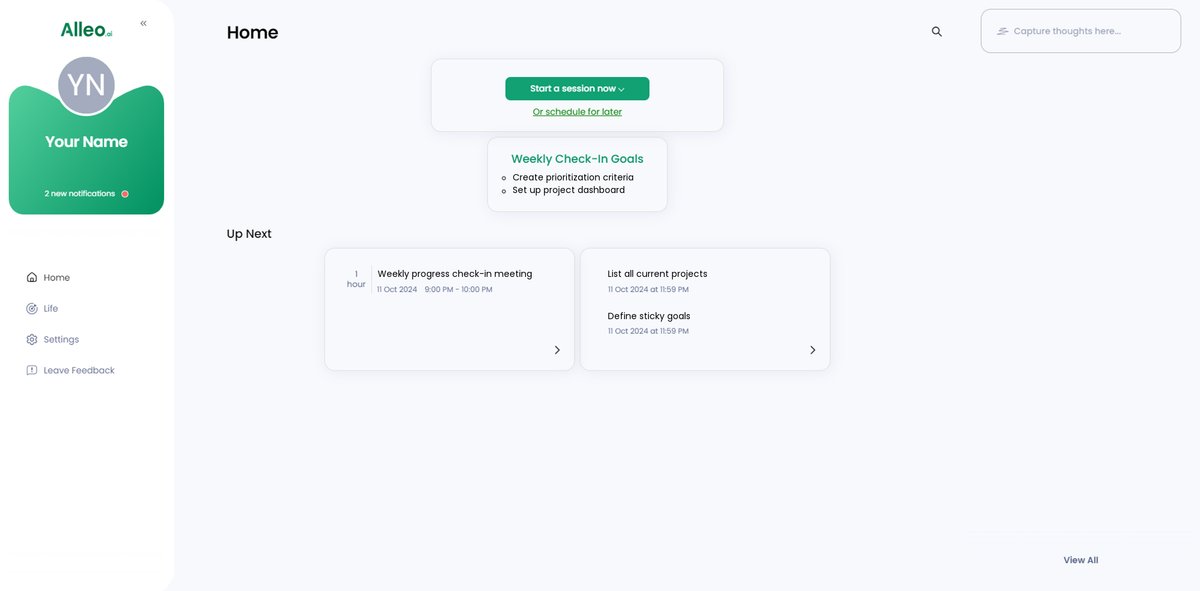
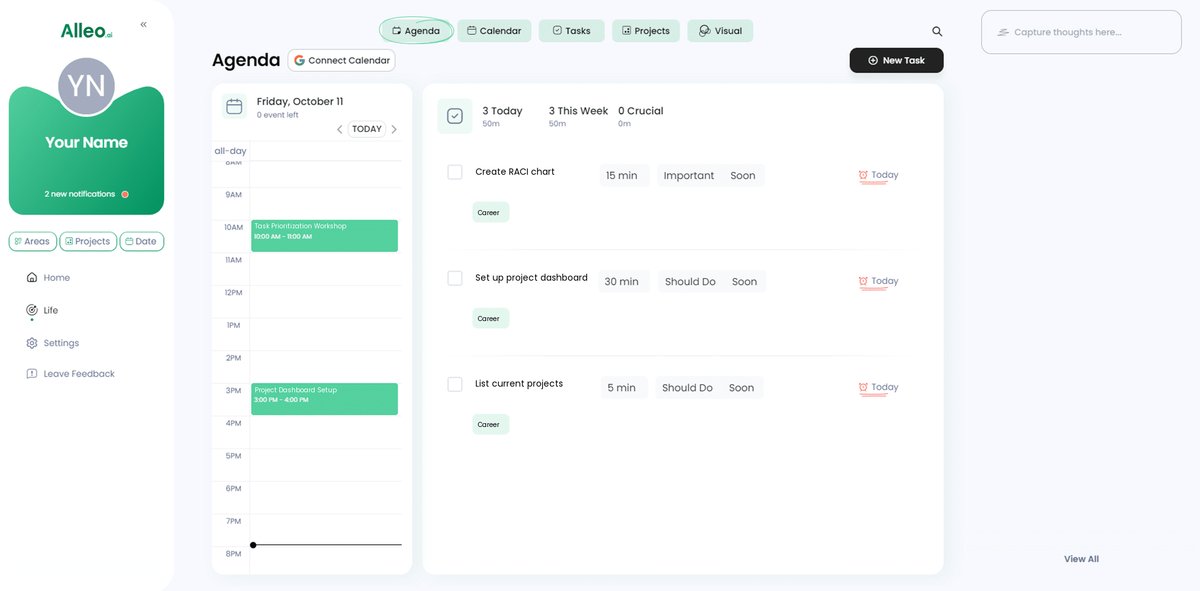
Step 6: Adding events to your calendar or app
Use the Alleo AI coach app’s calendar and task features to schedule and track your prioritized tasks, ensuring you stay on top of deadlines and can easily monitor your progress in solving task management challenges.
Wrapping It Up: Take Control of Your Tasks
Managing multiple objectives can be daunting, but with the right approach to prioritizing multiple project objectives, it’s entirely doable.
Remember, establishing clear prioritization criteria helps you focus on what matters most when balancing competing priorities.
A centralized project dashboard keeps all your projects organized and within reach, supporting effective project scope management.
Using a RACI chart ensures everyone knows their roles, preventing confusion and improving stakeholder communication strategies.
Setting “sticky goals” and clear milestones keeps you on track, aligning with goal-setting for complex projects.
Regular progress tracking meetings maintain momentum and accountability, essential for time management for project managers.
You don’t have to do this alone. Alleo can guide you through this journey, offering support and structure for prioritizing multiple project objectives.
Why not give it a try?
Start your free trial with Alleo today and transform your task management.