Mastering Stress Relief Strategies for Mental Health Workers in High-Pressure Settings
Ever feel like the weight of the world is on your shoulders? For mental health workers in high-pressure settings, this is a daily reality. Stress relief for healthcare workers is crucial in these demanding roles.
As a life coach, I’ve helped many professionals navigate these challenges. I often see the toll it takes on both their personal and professional lives. Burnout prevention techniques and self-care practices for therapists are essential for maintaining work-life balance in high-stress jobs.
In this article, you’ll learn practical stress relief strategies tailored for healthcare workers. These include:
- Mindfulness meditation for mental health workers
- Peer support networks for therapists
- And more coping mechanisms for healthcare professionals
Let’s dive into these resilience building strategies for psychologists and other mental health professionals.

Understanding the Stress and Burnout Epidemic
Stress relief for healthcare workers is crucial in today’s high-pressure medical environments. Every day, these professionals face intense pressures and high-stakes situations that can drain their energy and resilience, making burnout prevention techniques essential.
For many, this chronic stress seeps into their personal lives, affecting relationships and overall well-being. I’ve seen numerous clients struggle with feelings of helplessness and exhaustion, highlighting the need for effective coping mechanisms for healthcare professionals.
It’s not just the physical toll; the emotional burden can be overwhelming, emphasizing the importance of emotional regulation in counseling careers.
Healthcare workers often find themselves stretched too thin, leading to burnout. It’s essential to address these challenges head-on to foster healthier, more balanced lives, incorporating self-care practices for therapists and work-life balance strategies in high-stress jobs.

Key Steps to Managing Stress in High-Pressure Settings
Overcoming this challenge requires a few key steps. Here are the main areas to focus on for stress relief for healthcare workers:
- Implement Daily Mindfulness Meditation Sessions: Allocate time each day for mindfulness to reduce stress and prevent burnout.
- Create a Peer Support Network for Debriefing: Regular meetings with colleagues can provide emotional support, enhancing coping mechanisms for healthcare professionals.
- Establish Clear Boundaries Between Work and Home: Define work hours and create a transition ritual to improve work-life balance in high-stress jobs.
- Practice Deep Breathing Exercises During Breaks: Incorporate breathing exercises into your daily routine as part of self-care practices for therapists.
- Develop a Personalized Self-Care Routine: Engage in activities that bring joy and relaxation, crucial for stress relief for healthcare workers.
- Use Cognitive Reframing for Stressful Situations: Reframe negative thoughts positively, aiding in emotional regulation in counseling careers.
- Schedule Regular Supervision and Feedback Meetings: Monthly sessions with a mentor can provide guidance and support time management for mental health professionals.
Let’s dive in!
1: Implement daily mindfulness meditation sessions
Mindfulness meditation is a powerful tool for stress relief for healthcare workers and enhancing mental clarity, especially for mental health workers.
Actionable Steps:
- Set a Daily Schedule: Dedicate 10-15 minutes each day for mindfulness meditation, a key self-care practice for therapists. Use reminders to stay consistent.
- Join a Group Session: Participate in online or in-person meditation sessions for added accountability and to build peer support networks for therapists.
- Track Your Progress: Keep a journal or use an app to note improvements in mood, focus, and stress levels, aiding in burnout prevention techniques.
Explanation:
Mindfulness meditation can significantly reduce stress and improve overall well-being by promoting relaxation and present-moment awareness, serving as an effective coping mechanism for healthcare professionals.
According to the Purdue Global School of Nursing, regular mindfulness practice can help healthcare workers manage stress more effectively. Incorporating these steps will help you stay consistent and see tangible benefits in work-life balance in high-stress jobs.
Key benefits of mindfulness meditation include:
- Reduced anxiety and depression
- Improved emotional regulation in counseling careers
- Enhanced focus and concentration, aiding time management for mental health professionals
Taking these initial steps can set a strong foundation for stress relief for healthcare workers. Now, let’s move on to creating a supportive community.
2: Create a peer support network for debriefing
Creating a peer support network for debriefing is vital for mental health workers to share experiences and emotional burdens, serving as an effective stress relief for healthcare workers.
Actionable Steps:
- Initiate Regular Meetings: Schedule weekly debriefing sessions with colleagues to share experiences and support each other, promoting burnout prevention techniques.
- Establish Guidelines: Create a safe, confidential space with ground rules for respectful listening and sharing, enhancing self-care practices for therapists.
- Rotate Leadership: Have different team members lead sessions to encourage diverse perspectives and leadership skills, fostering coping mechanisms for healthcare professionals.
Explanation:
These steps help create a supportive community, allowing healthcare workers to decompress and gain emotional support, contributing to stress relief for healthcare workers.
According to the SAMHSA, such networks are crucial for managing stress and preventing burnout in high-stress jobs.
Regular meetings and shared leadership foster a sense of belonging and mutual respect, promoting resilience building for psychologists.
Next, let’s explore how to establish clear boundaries between work and home, an essential aspect of work-life balance in high-stress jobs.

3: Establish clear boundaries between work and home
Creating clear boundaries between work and home is crucial for maintaining mental health and preventing burnout, especially when it comes to stress relief for healthcare workers.
Actionable Steps:
- Define Work Hours: Stick to set work hours and communicate these boundaries to colleagues and family, an essential burnout prevention technique.
- Create a Transition Ritual: Develop a routine to signal the end of the workday, like a walk or a hobby, as part of self-care practices for therapists.
- Designate Work-Free Zones: Ensure certain areas of your home are strictly for relaxation and personal time, supporting work-life balance in high-stress jobs.
Explanation:
These steps help separate work from personal life, reducing stress and improving work-life balance, which are crucial coping mechanisms for healthcare professionals.
According to the Nevada State College, maintaining clear boundaries helps healthcare workers manage stress more effectively.
Implementing these practices can significantly enhance your overall well-being and contribute to stress relief for healthcare workers.
Next, let’s explore the benefits of practicing deep breathing exercises during breaks.
4: Practice deep breathing exercises during breaks
Practicing deep breathing exercises during breaks can significantly lower stress levels and promote relaxation, serving as an effective stress relief for healthcare workers.
Actionable Steps:
- Learn Techniques: Master deep breathing exercises such as diaphragmatic breathing or the 4-7-8 technique, which are valuable coping mechanisms for healthcare professionals.
- Scheduled Breaks: Incorporate brief breathing exercises into your daily schedule, especially during high-stress moments, as part of your self-care practices for therapists.
- Use Visual Aids: Place reminders or posters with breathing techniques in your workspace to encourage practice and promote mindfulness for mental health workers.
Explanation:
Deep breathing exercises help to calm the nervous system and reduce stress. They are simple yet effective tools for mental health workers, aiding in emotional regulation in counseling careers.
According to the Office of Disease Prevention and Health Promotion, managing stress can lead to better sleep and improved mood. Incorporating these exercises into your routine can enhance your overall well-being and contribute to burnout prevention techniques.
Next, let’s explore how developing a personalized self-care routine can further support your stress management efforts and improve work-life balance in high-stress jobs.

5: Develop a personalized self-care routine
Developing a personalized self-care routine is crucial for stress relief for healthcare workers and preventing burnout in high-pressure environments.
Actionable Steps:
- Identify Enjoyable Activities: List activities that bring you joy and relaxation, such as reading, gardening, or exercise, as part of self-care practices for therapists.
- Set Regular Times: Allocate specific times each week for these activities to ensure they become a regular part of your routine, promoting work-life balance in high-stress jobs.
- Evaluate and Adjust: Regularly review your self-care routine to ensure it meets your current needs and adjust as necessary, focusing on burnout prevention techniques.
Explanation:
These steps help maintain balance and prevent burnout. According to the Nevada State College, self-care practices are essential for healthcare workers.
Regularly engaging in enjoyable activities can significantly improve your well-being and resilience, serving as effective coping mechanisms for healthcare professionals.
Key components of an effective self-care routine:
- Physical activity and exercise
- Healthy eating habits
- Adequate sleep and rest
Now, let’s move on to using cognitive reframing for stressful situations.
6: Use cognitive reframing for stressful situations
Cognitive reframing is essential for mental health workers to manage stressful situations effectively and maintain a positive outlook, serving as a powerful stress relief for healthcare workers.
Actionable Steps:
- Identify Stressful Thoughts: Write down negative thoughts and situations causing stress. Recognize patterns and triggers, a crucial step in burnout prevention techniques.
- Challenge and Reframe: Use cognitive reframing techniques to view these situations from a more positive or neutral perspective. Replace negative thoughts with constructive ones, enhancing emotional regulation in counseling careers.
- Practice Regularly: Incorporate reframing exercises into your daily routine to build resilience and adaptability, key self-care practices for therapists.
Explanation:
These steps help to shift negative thinking patterns, making stressful situations more manageable. Regular cognitive reframing can significantly enhance mental resilience and serve as effective coping mechanisms for healthcare professionals.
According to the Verywell Health, cognitive reframing is a key strategy in stress management therapy that helps improve overall mental health. Incorporating these practices will support your emotional well-being and contribute to work-life balance in high-stress jobs.
Let’s continue to explore more strategies to manage stress effectively for healthcare workers.
7: Schedule regular supervision and feedback meetings
Regular supervision and feedback meetings are essential for mental health workers to gain guidance and maintain professional growth, serving as effective stress relief for healthcare workers.
Actionable Steps:
- Set Up Monthly Meetings: Schedule monthly one-on-one supervision sessions with a mentor or supervisor to discuss burnout prevention techniques.
- Prepare in Advance: Come prepared with specific topics or challenges to discuss during these meetings, including self-care practices for therapists.
- Implement Feedback: Act on the feedback received and set measurable goals for improvement, focusing on coping mechanisms for healthcare professionals.
Explanation:
These steps ensure continuous support and professional development. Regular supervision helps mental health workers address challenges effectively and practice mindfulness for mental health workers.
According to Frontiers in Psychology, supervision improves job performance and reduces stress. Consistent feedback and goal-setting can enhance your skills and resilience, contributing to work-life balance in high-stress jobs.
Benefits of regular supervision and feedback:
- Improved job performance
- Enhanced problem-solving skills
- Increased job satisfaction and emotional regulation in counseling careers
Implementing these steps can significantly contribute to your stress management efforts and provide stress relief for healthcare workers.

Partner with Alleo for Stress Relief
We’ve explored the challenges of managing stress in high-pressure settings and how to tackle them. Did you know you can work with Alleo to make this journey easier for stress relief for healthcare workers?
Setting up an account with Alleo is simple. First, create a personalized stress management plan, which can include burnout prevention techniques and self-care practices for therapists.
Alleo’s AI coach provides full coaching sessions, just like a human coach. The coach will follow up, handle changes, and keep you accountable through text and push notifications, helping with coping mechanisms for healthcare professionals and work-life balance in high-stress jobs.
Ready to get started for free? Let me show you how to begin your journey towards stress relief for healthcare workers!
Step 1: Logging in or Creating an Account
To begin your stress relief journey, Log in to your account or create a new one to access Alleo’s AI coach and personalized stress management tools.

Step 2: Choose “Improving overall well-being and life satisfaction”
Select “Improving overall well-being and life satisfaction” as your goal to address the stress and burnout challenges discussed in the article, helping you implement effective strategies for better work-life balance and mental health.

Step 3: Select “Health” as Your Focus Area
Choose “Health” as your focus area in the Alleo AI coach to address stress management and burnout prevention, aligning with the mental health challenges discussed in the article and providing tailored strategies for your well-being as a healthcare professional.

Step 4: Starting a Coaching Session
Begin your journey with Alleo by scheduling an initial intake session, where our AI coach will help you create a personalized stress management plan tailored to your needs as a mental health worker in a high-pressure environment.

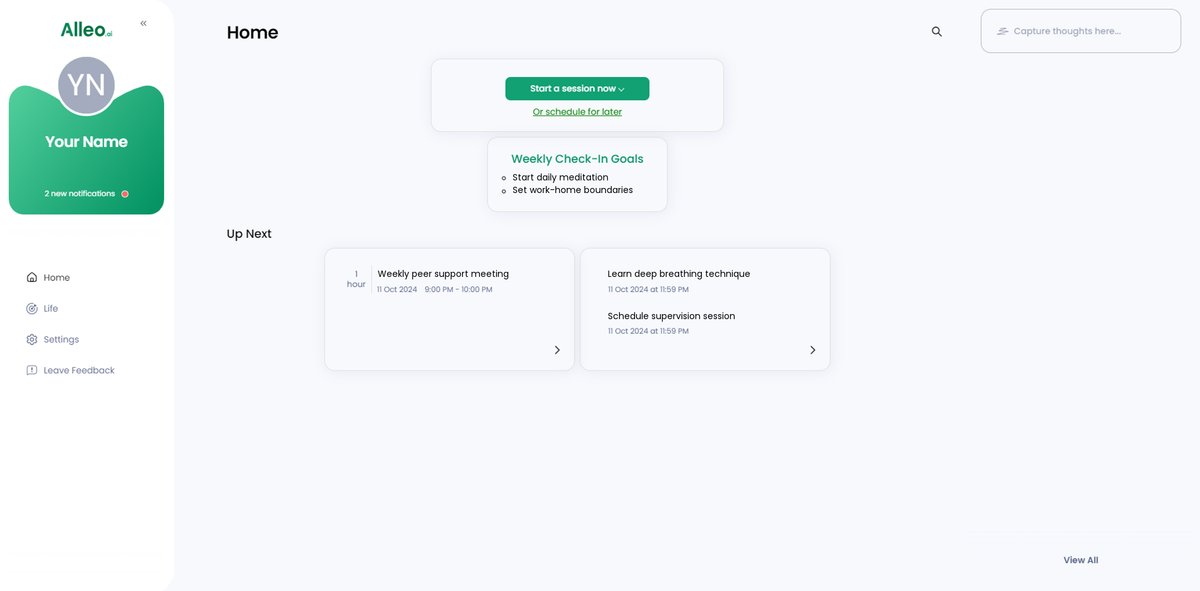
Step 5: Viewing and Managing Goals After the Session
After your coaching session, check the app’s home page to view and manage the personalized stress-relief goals you discussed with Alleo’s AI coach, allowing you to track your progress and stay accountable in your journey towards better stress management.
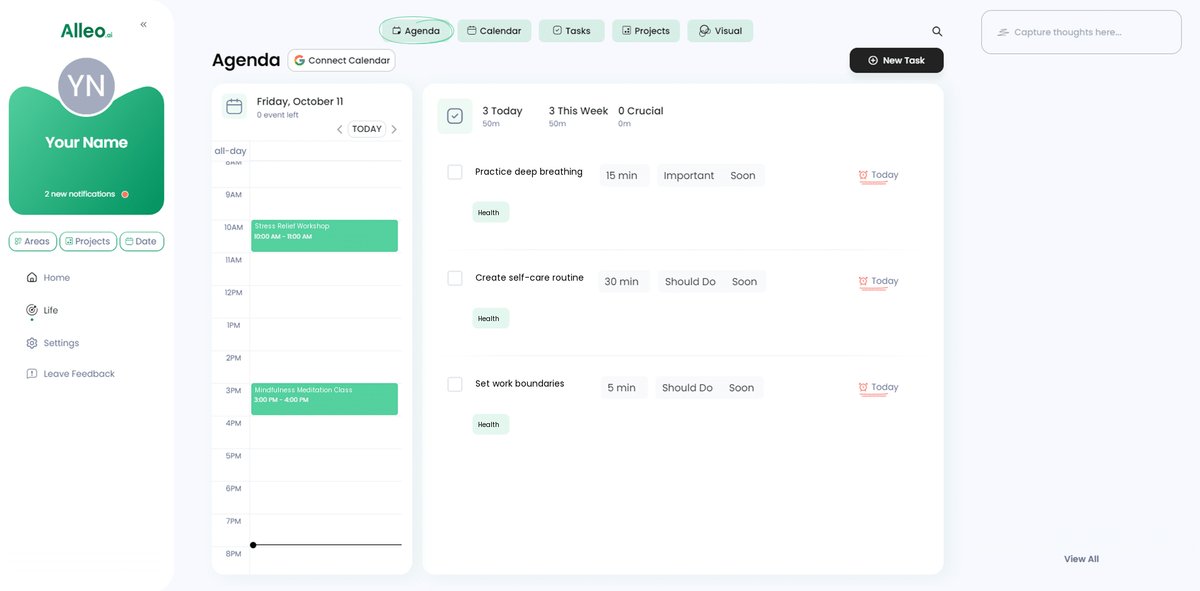
Step 6: Adding events to your calendar or app
Use Alleo’s calendar and task features to schedule and track your stress management activities, such as mindfulness sessions or peer support meetings, ensuring you stay accountable to your personalized plan for managing stress in high-pressure settings.
Wrapping Up Your Stress Relief Journey
We’ve covered practical strategies to help you manage stress in high-pressure environments. Implementing these steps can make a significant difference in your daily life, especially when it comes to stress relief for healthcare workers.
Remember, it’s essential to take action. Start with small, manageable changes and build from there, focusing on burnout prevention techniques and self-care practices for therapists.
You’re not alone. Many mental health workers face similar challenges and can benefit from coping mechanisms for healthcare professionals and mindfulness for mental health workers.
Alleo can be your supportive partner. Try our AI life coach for personalized guidance and motivation to improve work-life balance in high-stress jobs.
Take the first step towards better stress management today. You deserve it, and it’s crucial for emotional regulation in counseling careers.