How to Adjust Story Pacing for Novels vs Screenplays: 4 Essential Steps for Aspiring Writers
Have you ever found yourself struggling to adjust the story pacing in novels vs screenplays when switching between these two formats?
As a life coach, I’ve guided many writers through this exact challenge of adapting their writing rhythm for different mediums.
In my experience working with aspiring writers, I often see how crucial pacing is to keep readers or viewers engaged, whether it’s managing time in storytelling or balancing dialogue and description.
In this article, you’ll learn specific strategies to master story pacing for both novels and screenplays. We’ll cover scene transitions, adapting dialogue, condensing descriptions, and employing narrative structure techniques that work for both novel chapter structure and screenplay formatting.
Let’s dive into the world of story pacing: novels vs screenplays.
Understanding the Pacing Conundrum
Switching from novel writing to screenplays presents unique challenges in story pacing. Novels vs screenplays require different approaches to writing rhythm and narrative structure.
In a novel, you have the luxury of diving deep into character development pacing and detailed descriptions. But in a screenplay, brevity and visual storytelling are key, with screenplay formatting playing a crucial role.
Many writers find themselves overwhelmed by these differences in plot progression and scene transitions, impacting their ability to keep the audience engaged.
I’ve seen firsthand how this struggle can derail a writer’s progress. However, with the right techniques, you can master story pacing for novels vs screenplays in any medium.
Key Strategies for Mastering Story Pacing
Overcoming this challenge in story pacing novels vs screenplays requires a few key steps. Here are the main areas to focus on to make progress in writing rhythm and narrative structure:
- Use scene outlines to plan pacing in both mediums: Create detailed outlines to maintain a cohesive flow and manage scene transitions effectively.
- Adapt dialogue for visual vs. descriptive impact: Tailor dialogue to fit the medium’s demands, balancing dialogue and description for optimal character development pacing.
- Condense descriptions for screenplay brevity: Keep descriptions concise and impactful, adhering to screenplay formatting guidelines.
- Employ story structure to control pacing rhythm: Follow established frameworks for balanced pacing, considering novel chapter structure and plot progression techniques.
Let’s dive into these strategies for mastering story pacing in novels vs screenplays!
1: Use scene outlines to plan pacing in both mediums
Crafting detailed scene outlines is essential for managing story pacing in novels vs screenplays effectively.
Actionable Steps:
- Start by creating a comprehensive scene outline.
- List scene objectives and key events using bullet points.
- Example: “Outline the major plot progression points of each chapter/scene to maintain a cohesive flow.”
- Apply time-blocking techniques for each scene.
- Allocate specific durations to ensure balanced pacing.
- Example: “Allocate 5-7 minutes per screenplay scene to match the one-page-per-minute rule in screenplay formatting.”
- Regularly review and adjust your outline.
- Conduct frequent reviews to refine pacing.
- Example: “Schedule bi-weekly reviews to adjust scene lengths based on narrative structure and writing rhythm.”
Explanation: These steps are vital because they help maintain a structured narrative, ensuring the audience remains engaged.
By planning and adjusting your scene outlines, you can manage the pacing across different storytelling mediums, considering novel chapter structure and screenplay formatting.
For instance, using time-blocking techniques can ensure each scene flows smoothly and keeps the audience interested. Additionally, regular reviews allow for fine-tuning to match the story’s rhythm and improve character development pacing.
For more insights on effective screenplay pacing, check out this ScreenCraft article.
Key benefits of effective scene outlining:
- Enhances narrative coherence
- Improves time management in storytelling
- Facilitates easier revisions
These strategies set a strong foundation for your storytelling journey, whether you’re focusing on story pacing in novels vs screenplays.
Next, let’s explore how to adapt dialogue for visual versus descriptive impact.

2: Adapt dialogue for visual vs. descriptive impact
Adapting dialogue effectively is crucial when transitioning between novels and screenplays, especially when considering story pacing in novels vs screenplays.
Actionable Steps:
- Minimize dialogue in screenplays.
- Focus on impactful, concise lines for better screenplay formatting.
- Example: “Limit dialogue to essential words, ensuring each line advances the plot and maintains writing rhythm.”
- Enhance descriptive dialogue for novels.
- Use dialogue to reveal characters’ thoughts and emotions, aiding character development pacing.
- Example: “Incorporate internal monologues to deepen character development within the novel chapter structure.”
- Use visual cues in screenplays.
- Rely on visual storytelling to convey emotions and actions, improving scene transitions.
- Example: “Incorporate stage directions to show character movements and expressions, enhancing plot progression.”
Explanation: Adapting dialogue for different mediums ensures that your story is engaging and effective. In screenwriting, concise dialogue keeps the narrative structure moving, while novels benefit from richer, more descriptive dialogue, balancing dialogue and description.
This balance is crucial for maintaining audience interest and effective time management in storytelling. For more on effective screenplay pacing, visit this ScreenCraft article.
Next, let’s explore how to condense descriptions for screenplay brevity, adapting pacing for different genres.
3: Condense descriptions for screenplay brevity
Condensing descriptions is essential for maintaining a brisk pace in screenplays, which differs from story pacing in novels vs screenplays.
Actionable Steps:
- Use concise scene descriptions.
- Keep descriptions to one or two sentences.
- Example: “Condense scene setups to highlight only the essentials, focusing on writing rhythm.”
- Focus on key visual elements.
- Emphasize important props or locations.
- Example: “Highlight significant objects that influence the plot progression.”
- Utilize white space effectively.
- Break up text to create a visual rhythm.
- Example: “Use white space to separate action lines, enhancing readability and scene transitions.”
Explanation: Condensed descriptions are crucial for clear and engaging screenplays. They help maintain the story’s pace and keep the audience focused, which is key in balancing dialogue and description.
By emphasizing key visuals and using white space, you enhance readability and impact. For more insights on effective screenplay pacing, read this ScreenCraft article.
Tips for effective description condensation:
- Use active verbs for dynamic scenes
- Avoid unnecessary adjectives
- Focus on action-driven descriptions, considering character development pacing
These techniques will ensure your screenplay remains dynamic and engaging, adhering to screenplay formatting guidelines.
Next, let’s discuss employing narrative structure to control pacing rhythm.
4: Employ story structure to control pacing rhythm
Employing story structure helps you control the pacing rhythm in both novels and screenplays, a crucial aspect of story pacing in novels vs screenplays.
Actionable Steps:
- Follow established story structures.
- Use frameworks like the three-act structure or the hero’s journey for effective narrative structure.
- Example: “Map your story using the three-act structure to ensure a balanced pace and smooth plot progression.”
- Incorporate narrative beats.
- Place key events at strategic points to maintain interest and enhance writing rhythm.
- Example: “Insert narrative beats like inciting incidents and climaxes at crucial intervals for effective time management in storytelling.”
- Adjust pacing based on genre.
- Tailor the pacing to fit the story’s genre and audience expectations, considering screenplay formatting or novel chapter structure.
- Example: “Slow down for dramatic tension in thrillers, speed up for action scenes, adapting pacing for different genres.”
Explanation: These steps matter because a well-structured story keeps your audience engaged from start to finish, whether in novels or screenplays.
Following established frameworks ensures a balanced flow, while narrative beats keep the reader or viewer hooked, aiding in character development pacing.
Tailoring pacing to your genre also aligns with audience expectations, balancing dialogue and description. For more insights on story structure, visit this Phoenix Screenwriters article.
These techniques will help ensure your story flows smoothly, no matter the medium, enhancing scene transitions and overall story pacing in novels vs screenplays.
Partner with Alleo to Master Story Pacing
We’ve explored the challenges of adjusting story pacing in novels vs screenplays. Did you know you can work with Alleo to make this journey easier and faster?
Set up your account and create a personalized plan. Alleo’s AI coach will guide you through scene transitions, dialogue adaptation, and balancing dialogue and description for optimal narrative structure.
The coach provides feedback on your writing rhythm, tracks progress in plot progression, and keeps you accountable via text and push notifications.
Ready to get started for free and improve your time management in storytelling? Let me show you how!
Step 1: Log In or Create Your Account
To begin your journey in mastering story pacing with our AI coach, log in to your existing account or create a new one if you’re a first-time user.

Step 2: Choose “Building better habits and routines”
Click on “Building better habits and routines” to focus on developing consistent writing practices and time management skills, essential for mastering pacing in both novels and screenplays.

Step 3: Select “Career” as Your Focus Area
Choose “Career” as your focus area to improve your storytelling skills and master pacing across different writing mediums, helping you advance your writing career and adapt seamlessly between novels and screenplays.

Step 4: Starting a coaching session
Begin your AI coaching journey with an intake session to assess your writing goals and create a personalized plan for mastering story pacing across novels and screenplays.

Step 5: Viewing and Managing Goals After the Session
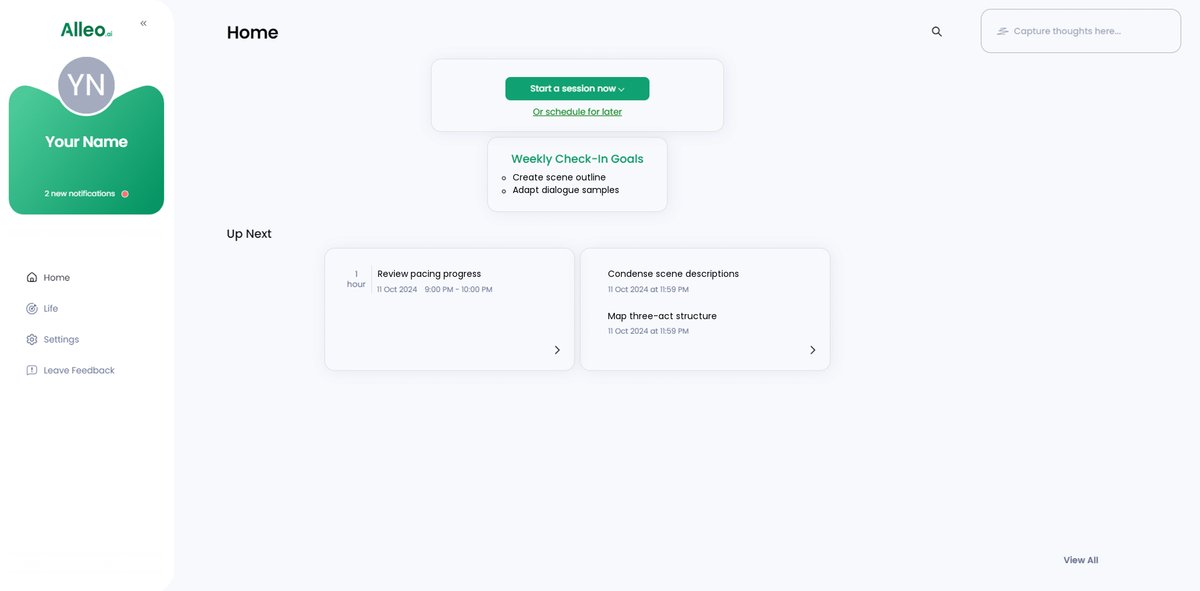
After your coaching session, check the app’s home page to review and manage the goals you discussed, allowing you to track your progress in mastering story pacing across different mediums.
Step 6: Adding events to your calendar or app
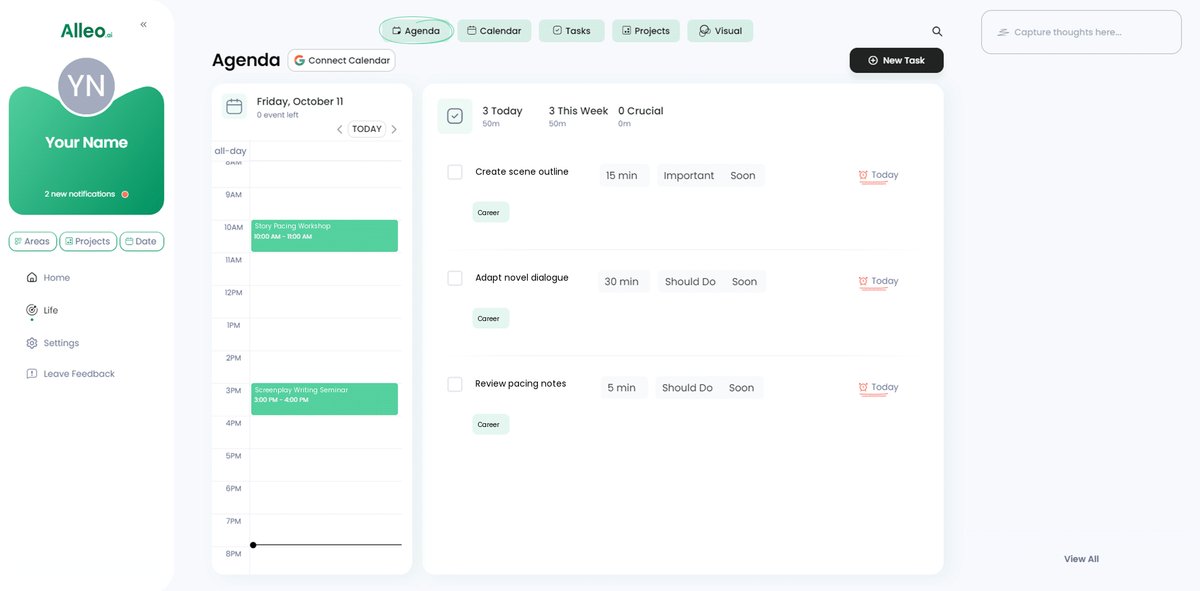
To track your progress in mastering story pacing, use the AI coach’s calendar and task features to schedule writing sessions, set deadlines for scene outlines, and monitor your adaptation of dialogue and descriptions across different mediums.
Wrapping Up Your Story Pacing Journey
Mastering story pacing in novels vs screenplays is crucial for keeping your audience engaged. By using scene outlines, adapting dialogue, condensing descriptions, and employing effective narrative structure, you can effectively adjust pacing across different mediums, whether you’re working on novel chapter structure or screenplay formatting.
I understand how challenging this can be. Many writers struggle with these transitions and balancing dialogue and description.
But with the right techniques for writing rhythm and plot progression, you can overcome these hurdles.
Remember, Alleo is here to help. Our AI coach will guide and support you through every step of your character development pacing and scene transitions.
Start your free trial today and take control of your storytelling journey. You’ve got this!