5 Essential Strategies for Young Professionals to Approach Mentors Effectively
What if you could fast-track your career advancement by finding the perfect mentor?
As a life coach, I’ve helped many professionals navigate these challenges. In my experience helping clients stand out in competitive industries and learn how to find career mentors, I often encounter the same obstacles. Effective communication with mentors and overcoming fear of approaching mentors are key areas where many struggle.
In this article, you’ll discover proven strategies to approach mentors effectively. We’ll cover essential steps like identifying potential mentors in your field and crafting the perfect outreach message. Understanding mentor-mentee expectations and leveraging mentorship for career advancement are crucial for professional growth through mentorship.
Let’s dive into the benefits of having a career mentor and explore networking tips for young professionals seeking to build professional relationships.

Understanding the Challenges of Finding a Career Mentor
Many recent graduates face significant uncertainty in how to find career mentors. They often lack the knowledge of how to engage effectively in building professional relationships.
This uncertainty can be paralyzing when approaching potential mentors.
Moreover, without a mentor, career growth can stagnate. Opportunities for advancement and learning may pass by unnoticed, highlighting the benefits of having a career mentor.
Several clients report initial struggles in identifying potential mentors in their field who align with their career goals. In my experience, people often find it challenging to craft compelling outreach messages, a key aspect of effective communication with mentors.
This is a common roadblock in mentorship for career development.
Ultimately, not having a mentor means missed opportunities for professional growth through mentorship and career advancement.
Roadmap to Finding and Engaging Mentors Effectively
Overcoming this challenge of how to find career mentors requires a few key steps. Here are the main areas to focus on to make progress in mentorship for career development.
- Identify potential mentors through networking: Attend industry events, use LinkedIn, and join professional groups to start building professional relationships.
- Craft a concise, specific outreach message: Research mentors and send tailored messages, demonstrating effective communication with mentors.
- Prepare clear goals for initial mentor meeting: Define career goals and prepare questions to align mentor-mentee expectations.
- Offer value and show genuine interest in mentor: Share resources and volunteer assistance, leveraging mentorship for career advancement.
- Establish regular check-ins and follow-up plans: Schedule consistent meetings and set measurable milestones to ensure professional growth through mentorship.
Let’s dive in to explore the benefits of having a career mentor!
1: Identify potential mentors through networking
In today’s interconnected world, networking is crucial for identifying potential mentors and learning how to find career mentors.
Actionable Steps:
- Attend industry-specific events and workshops. Commit to attending at least one event per month to meet professionals in your field and build professional relationships.
- Utilize online platforms like LinkedIn to find and connect with industry leaders. Send connection requests to at least five professionals per week with personalized messages, focusing on effective communication with mentors.
- Join professional groups or associations related to your career interests. Become an active member of at least two groups and participate in discussions or events to aid in identifying potential mentors in your field.
Key benefits of effective networking for mentorship in career development include:
- Expanding your professional circle
- Gaining industry insights
- Discovering mentorship opportunities and overcoming fear of approaching mentors
Explanation: Networking effectively can open doors to valuable mentoring relationships and help you find career mentors.
By attending events, connecting with leaders on LinkedIn, and joining professional groups, you increase your chances of finding mentors who align with your career goals and understanding mentor-mentee expectations.
According to Medium, networking is about developing connections for professional and social purposes, which is essential for professional growth through mentorship.
Next, we’ll dive into crafting a concise, specific outreach message for leveraging mentorship for career advancement.

2: Craft a concise, specific outreach message
Creating a clear and targeted outreach message is crucial for capturing a potential mentor’s attention when learning how to find career mentors.
Actionable Steps:
- Research potential mentors: Spend at least 30 minutes researching each mentor before reaching out. Understand their background and interests to aid in identifying potential mentors in your field.
- Write a clear and concise message: Limit your message to 150 words, clearly stating your background and what you seek. Include a specific call to action, focusing on effective communication with mentors.
- Follow up if needed: Send a polite follow-up message after seven days if no response is received, demonstrating your commitment to building professional relationships.
Explanation: Crafting a well-researched and concise outreach message shows respect for the mentor’s time and increases your chances of getting a positive response. This approach is essential for leveraging mentorship for career advancement.
According to Qooper, clear communication and setting expectations are key to successful mentoring relationships, highlighting the importance of mentorship in career development.
Next, let’s discuss how to prepare clear goals for your initial mentor meeting, an important step in professional growth through mentorship.

3: Prepare clear goals for initial mentor meeting
Setting clear goals for your initial mentor meeting is essential for making a strong first impression and maximizing the benefits of the relationship when learning how to find career mentors.
Actionable Steps:
- Define your career goals: Write down three specific short-term and long-term career goals to discuss with your mentor, focusing on professional growth through mentorship.
- Develop a list of questions: Prepare at least five questions about career development, industry insights, and personal experiences to ask your mentor, considering effective communication with mentors.
- Practice your introduction: Rehearse your introduction and key talking points with a friend or in front of a mirror to ensure clarity and confidence in building professional relationships.
Essential elements for a successful initial meeting:
- Clear articulation of your objectives
- Active listening and engagement
- Openness to feedback and guidance
Explanation: Taking these steps shows your mentor that you are serious and prepared, which helps build a strong foundation for your relationship and leveraging mentorship for career advancement.
According to Qooper, clear communication and setting expectations are key to successful mentoring relationships.
By preparing clear goals, you set the stage for productive and meaningful mentor interactions, enhancing mentorship in career development.

4: Offer value and show genuine interest in mentor
Showing genuine interest and offering value to your mentor can significantly strengthen the relationship when learning how to find career mentors.
Actionable Steps:
- Share relevant articles or resources: Send one useful article or resource each month that aligns with your mentor’s interests, demonstrating effective communication with mentors.
- Volunteer to assist with your mentor’s projects or events: Offer your help for at least one project or event within the first three months of your mentorship, enhancing professional growth through mentorship.
- Express gratitude and appreciation regularly: Send a thank-you note or email after each meeting, highlighting specific advice or insights you found valuable, meeting mentor-mentee expectations.
Explanation: Taking these steps demonstrates your commitment and appreciation, making the mentorship mutually beneficial and leveraging mentorship for career advancement.
According to Forbes, showing sincere interest in your mentor’s career and contributions fosters a genuine connection, which is crucial when identifying potential mentors in your field.
By offering value and showing interest, you build a strong, lasting mentoring relationship, unlocking the benefits of having a career mentor.
5: Establish regular check-ins and follow-up plans
Regular check-ins and follow-up plans are essential to maintain the momentum and effectiveness of your mentorship relationship when learning how to find career mentors.
Actionable Steps:
- Schedule consistent meetings: Propose a regular meeting schedule, such as biweekly or monthly, during your initial discussion and confirm dates in advance to ensure effective communication with mentors.
- Create meeting agendas: Send a detailed agenda at least two days before each scheduled session to stay focused and productive in your professional growth through mentorship.
- Set measurable milestones: Define at least three milestones to achieve within the first six months and review them during check-ins to leverage mentorship for career advancement.
Key components of effective follow-up:
- Summarizing action items after each meeting
- Tracking progress on agreed goals
- Seeking feedback on your development
Explanation: Consistent check-ins ensure continuous progress and accountability in the mentorship relationship. By establishing regular meetings and clear agendas, you maintain focus and productivity in building professional relationships.
Setting measurable milestones helps track your development and keeps both parties aligned with mentor-mentee expectations. According to Qooper, clear guidelines and regular feedback are crucial for successful mentoring relationships.
By following these steps, you create a structured and effective mentorship journey, which is vital when learning how to find career mentors.
Partner with Alleo on Your Mentorship Journey
We’ve explored the challenges of how to find career mentors, how solving them can benefit your career, and the steps to achieve it. But did you know you can work directly with Alleo to make this mentorship journey easier and faster?
Setting up an account with Alleo is simple. You can start by creating a personalized plan tailored to your mentorship goals, helping you in identifying potential mentors in your field and leveraging mentorship for career advancement.
The Alleo AI coach helps you find career mentors, craft outreach messages, and prepare for meetings. Alleo also follows up on your progress, handles changes, and keeps you accountable via text and push notifications, supporting your professional growth through mentorship.
Ready to get started for free? Let me show you how to find career mentors and build professional relationships that can transform your career!
Step 1: Log In or Create Your Alleo Account
To begin your mentorship journey with Alleo, simply log in to your account or create a new one if you’re a first-time user.

Step 2: Choose Your Focus Area
Select “Setting and achieving personal or professional goals” to align with your mentorship journey and career advancement. This focus will help you define clear objectives to discuss with your mentor, ensuring productive conversations and measurable progress in your professional development.

Step 3: Select “Career” as Your Focus Area
Choose “Career” as your primary life area in Alleo to align with your goal of finding a mentor and advancing professionally. This selection ensures that the AI coach tailors its guidance to help you navigate networking, craft compelling outreach messages, and develop effective mentorship strategies, directly addressing the challenges outlined in the article.

Step 4: Starting a coaching session
Begin your mentorship journey with an initial intake session in Alleo, where you’ll discuss your career goals and create a personalized plan for finding and engaging with potential mentors.

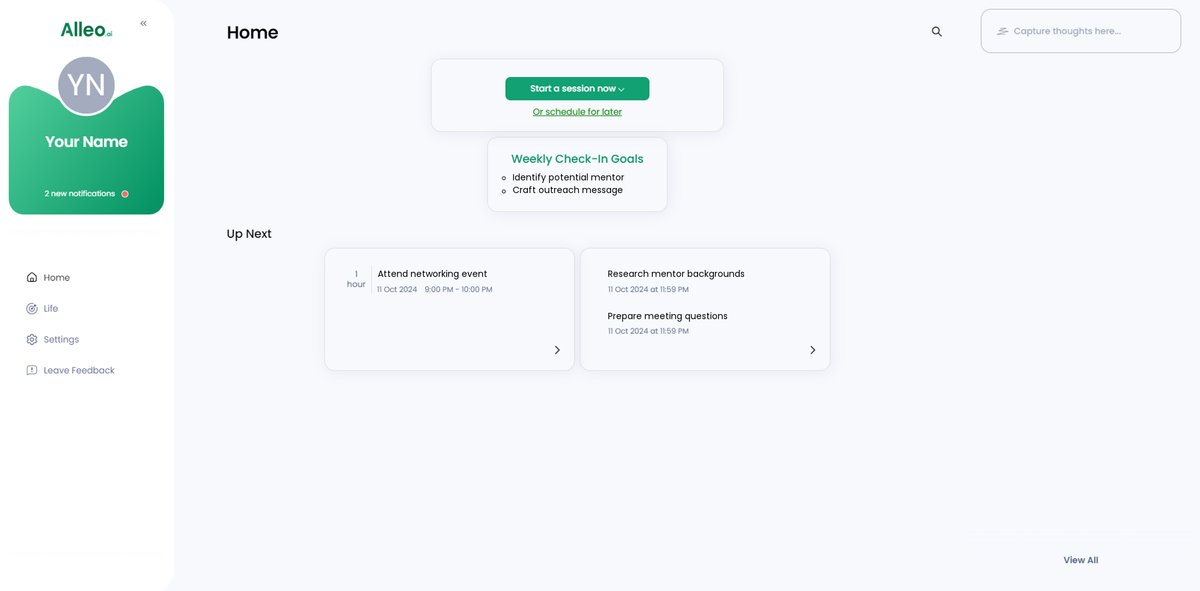
Step 5: Viewing and Managing Goals After the Session
After your coaching session, open the Alleo app and check your home page to see the goals you discussed, allowing you to easily track and manage your progress towards finding an effective mentor.
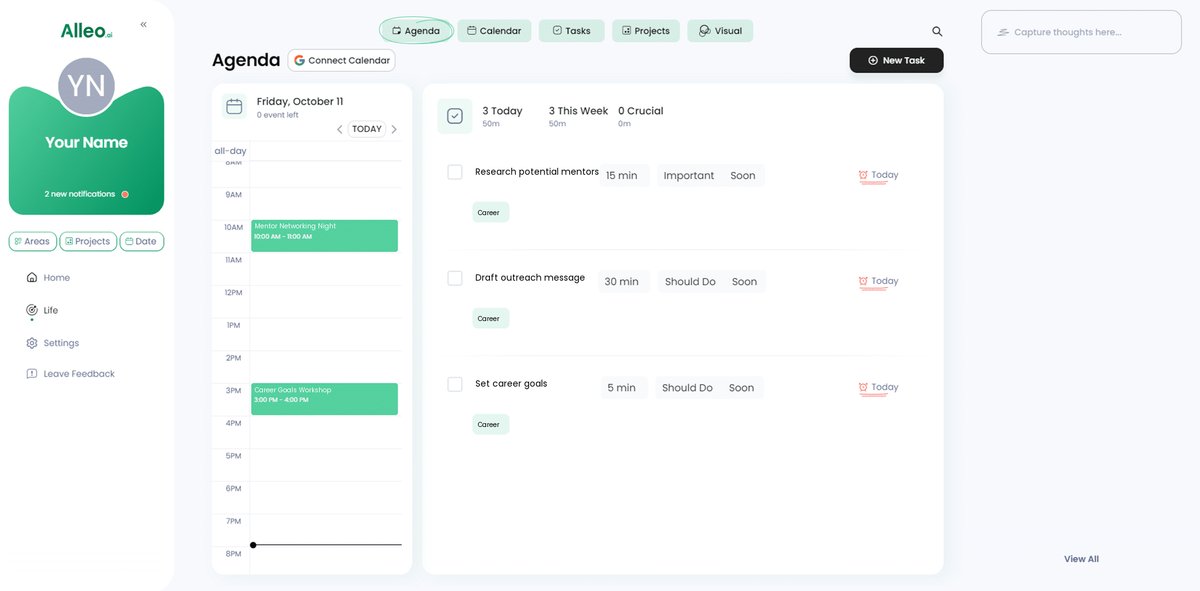
6: Adding events to your calendar or app
Use Alleo’s calendar and task features to schedule and track your mentorship meetings, goals, and milestones, ensuring you stay organized and accountable throughout your mentorship journey.
Bringing It All Together: Your Path to Effective Mentorship
Taking the first step in learning how to find career mentors can be daunting, but it’s incredibly rewarding. We’ve covered essential strategies to help you navigate this journey of mentorship in career development.
Remember to network actively, craft tailored messages, set clear goals, offer value, and maintain regular check-ins. These steps can significantly enhance your professional growth through mentorship and career advancement.
I understand the challenges you face in identifying potential mentors in your field. You’re not alone in overcoming the fear of approaching mentors.
Take action today. Start applying these networking tips for young professionals to build meaningful mentoring relationships and leverage mentorship for career advancement.
And don’t forget, Alleo is here to support you. Try Alleo for free to streamline your mentorship journey and achieve your career goals faster while understanding mentor-mentee expectations.