How to Overcome Shame When Sharing Trauma: 4 Transformative Techniques for Survivors
Imagine carrying a burden that feels impossible to share, a weight that isolates you from others. For many trauma survivors, overcoming shame can be a significant challenge in their healing journey.
As a life coach, I’ve helped many individuals navigate these challenges and build resilience. In my experience, single men often struggle with feeling ashamed when seeking help and sharing traumatic experiences, which can hinder their PTSD recovery.
In this article, you’ll discover actionable strategies for overcoming trauma shame survivors face, including self-compassion, creating safe spaces for sharing personal stories, art therapy, and support groups. These coping strategies and empowerment techniques can aid in trauma healing and help survivors overcome stigma.
Let’s dive into these mental health awareness and survivor support methods.

Understanding the Depth of Shame and Isolation
It’s common for trauma survivors to feel intense shame and isolation when overcoming trauma. This emotional burden can make it difficult to open up and seek help, hindering trauma healing and survivor support.
Many clients initially struggle with societal pressures and toxic masculinity, believing they must appear strong and self-reliant. Overcoming stigma associated with trauma is crucial for PTSD recovery.
I often see men feeling trapped by these expectations, unable to share their experiences. This isolation can severely impact mental health and hinder personal growth, making resilience building challenging for trauma shame survivors.
Addressing these issues is crucial for healing and developing effective coping strategies.
Feeling ashamed for seeking help is a significant barrier. But remember, reaching out is a courageous step towards recovery and self-compassion. Sharing personal stories can be an empowerment technique for overcoming trauma shame survivors.
A Roadmap to Overcoming Shame and Sharing Trauma
Overcoming trauma shame for survivors requires a few key steps. Here are the main areas to focus on to make progress in trauma healing and survivor support:
- Practice self-compassion to reduce shame: Embrace kindness toward yourself and acknowledge your journey in overcoming stigma.
- Create a safe space for sharing with trusted people: Build a support network where you feel comfortable opening up about personal stories.
- Use art therapy to express trauma non-verbally: Channel your emotions through creative activities as part of PTSD recovery.
- Join a support group for trauma survivors: Connect with others who understand your experiences and foster mental health awareness.
Let’s dive into these coping strategies for overcoming trauma shame!
1: Practice self-compassion to reduce shame
Practicing self-compassion can significantly help in reducing the intense shame often felt by trauma survivors, aiding in overcoming trauma shame for survivors.
Actionable Steps:
- Start a daily self-compassion journal: Reflect on your progress and challenges each day to foster self-awareness and support trauma healing.
- Practice mindfulness meditation for 10 minutes daily: This helps cultivate self-acceptance and reduces self-criticism, essential for PTSD recovery.
- Set small, achievable goals: Boost your self-esteem by achieving minor milestones regularly, contributing to resilience building.
Explanation:
These steps matter because they build a foundation of self-kindness, which is crucial for healing. By practicing self-compassion, you align with industry trends that emphasize the importance of self-acceptance in overcoming shame and trauma.
Developing these habits can transform how you perceive yourself and your journey, supporting mental health awareness and empowerment techniques for trauma survivors.
The benefits of self-compassion include:
- Reduced anxiety and depression
- Improved emotional resilience
- Enhanced overall well-being
Taking these steps will prepare you to create safe spaces for sharing your trauma and personal stories, contributing to survivor support and overcoming stigma.

2: Create a safe space for sharing with trusted people
Creating a safe space for sharing with trusted people is crucial for overcoming trauma shame survivors and fostering healing.
Actionable Steps:
- Identify and reach out to one or two trusted friends or family members: Select individuals who have shown empathy and support in past survivor support situations.
- Set up weekly or bi-weekly check-ins: Schedule regular meetings to discuss your feelings and experiences in a secure environment, promoting trauma healing.
- Establish ground rules for these conversations: Ensure mutual respect and confidentiality to make these discussions productive and safe, aiding in overcoming stigma.
Explanation:
Establishing a safe space for sharing is essential for emotional healing and PTSD recovery. These steps help build a foundation of trust, enabling you to open up without fear of judgment, fostering self-compassion.
Regular check-ins can reduce isolation and provide continuous support for overcoming trauma shame survivors. According to the Journal of the American Academy of Psychiatry and the Law, trust-building is vital for comprehensive disclosure and healing.
Taking these steps will prepare you to use art therapy for non-verbal expression of trauma, contributing to mental health awareness and resilience building.

3: Use art therapy to express trauma non-verbally
Art therapy provides a unique way for trauma shame survivors to express and process trauma without relying solely on words, aiding in trauma healing and overcoming stigma.
Actionable Steps:
- Join a local or online art therapy workshop: Engage with other survivors in a structured environment to explore your emotions creatively, fostering resilience building.
- Dedicate 30 minutes weekly to creating art: Set aside time each week to create artwork that reflects your feelings and experiences, supporting PTSD recovery.
- Create a personal gallery space at home: Display your artwork to visually track your emotional journey and growth, promoting self-compassion and empowerment.
Explanation:
These steps matter because they offer a safe and expressive outlet for overcoming trauma shame for survivors. Engaging in art therapy aligns with the increasing use of creative methods in trauma treatment, as highlighted by Frontiers in Psychology.
This approach can help you process complex emotions and build resilience as part of your trauma healing journey.
Art therapy can help you:
- Process emotions without words
- Explore subconscious thoughts
- Gain new perspectives on experiences
Taking these steps will prepare you to join a support group for trauma survivors, enhancing mental health awareness and survivor support.
4: Join a support group for trauma survivors
Joining a support group for trauma survivors is essential for connecting with others who understand your experiences and can aid in overcoming trauma shame.
Actionable Steps:
- Research and attend a local or online support group: Look for groups that focus on trauma healing and survivor support that fit your schedule.
- Participate actively in group discussions: Share your personal stories when comfortable and listen to others to build mutual support and aid in PTSD recovery.
- Volunteer to help organize group activities: Engage more deeply by helping plan events, fostering a sense of community and purpose while building resilience.
Explanation:
These steps matter because they create a supportive network for overcoming trauma shame, reducing feelings of isolation. Active participation in support groups can significantly aid in trauma healing and provide a sense of belonging while promoting mental health awareness.
According to the Common Threads Project, healing circles and support groups are vital for overcoming shame and stigma associated with trauma.
Key benefits of support groups for trauma survivors include:
- Shared understanding and empathy
- Practical coping strategies for overcoming trauma
- Reduced feelings of isolation and increased self-compassion
Taking these steps will strengthen your support system and enhance your recovery journey, empowering you as a survivor.

Transform Your Healing Journey with Alleo
We’ve explored overcoming trauma shame for survivors, and the steps to achieve it. But did you know you can work directly with Alleo to make this trauma healing journey easier and faster?
Setting up an account with Alleo is simple. You’ll start by creating a personalized plan tailored to your needs, focusing on self-compassion and resilience building.
Alleo’s AI coach provides full coaching sessions like any human coach. You get affordable and tailored support to overcome stigma and share your trauma, aiding in PTSD recovery.
Alleo follows up on your progress, handles changes, and keeps you accountable via text and push notifications, supporting your coping strategies and empowerment techniques.
Ready to get started for free? Let me show you how to begin your journey in overcoming trauma shame as a survivor!
Step 1: Log In or Create Your Account
To begin your healing journey with personalized AI coaching support, log in to your existing Alleo account or create a new one if you’re joining us for the first time.

Step 2: Choose “Improving overall well-being and life satisfaction”
Select “Improving overall well-being and life satisfaction” as your goal to address the challenges of overcoming shame and sharing trauma, setting you on a path towards healing and personal growth.

Step 3: Select “Personal” as Your Focus Area
Choose the “Personal” life area to address trauma and shame, aligning with the article’s emphasis on self-compassion and emotional healing. This selection will tailor Alleo’s AI coaching to help you overcome barriers to sharing your experiences and develop strategies for personal growth and resilience.

Step 4: Starting a coaching session
Begin your journey with Alleo by scheduling an intake session, where you’ll work with the AI coach to create a personalized plan for overcoming shame and sharing your trauma experiences.

Step 5: Viewing and managing goals after the session
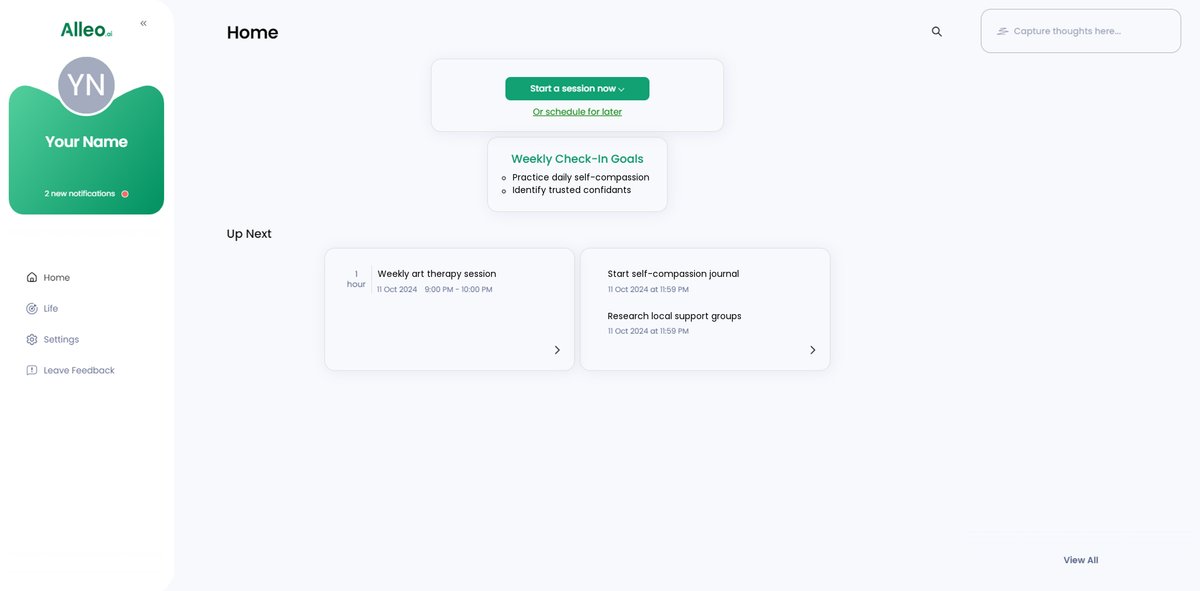
After your coaching session, open the Alleo app to find your discussed goals displayed on the home page, allowing you to easily track and manage your progress in overcoming shame and sharing your trauma experiences.
Step 6: Adding events to your calendar or app
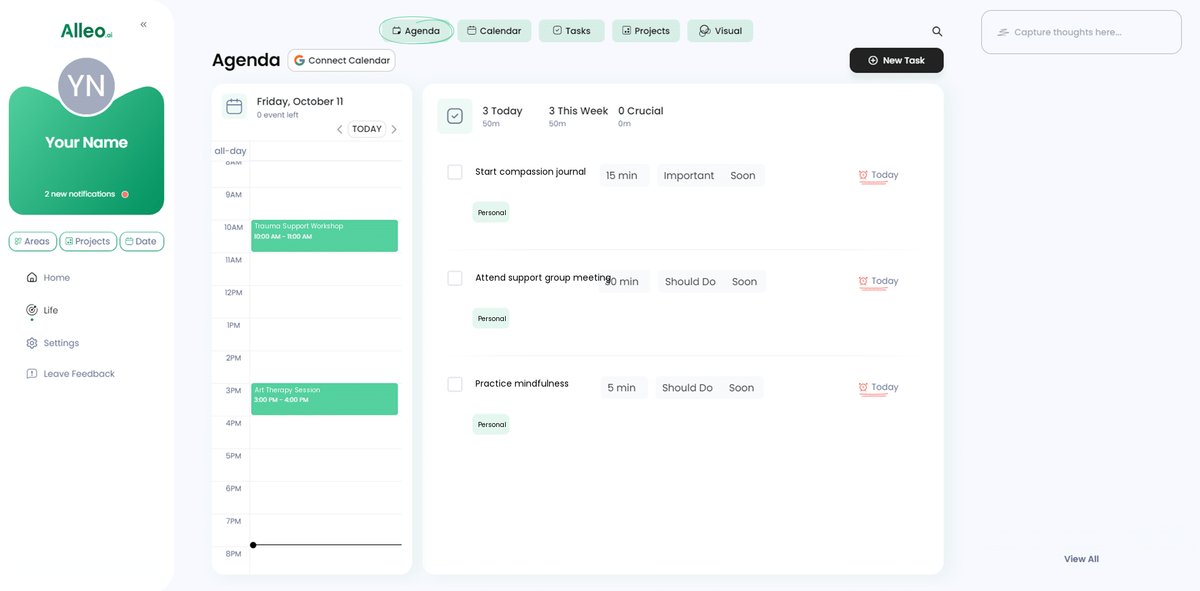
Use Alleo’s calendar and task features to track your progress in overcoming shame and sharing trauma, allowing you to easily add therapy sessions, support group meetings, or art therapy workshops to your schedule and monitor your healing journey.
Embrace Your Healing Journey
As you take these steps, remember that healing is a journey, not a destination. Practicing self-compassion, creating safe spaces, engaging in art therapy, and joining support groups can transform your life, especially for trauma shame survivors seeking to overcome stigma.
You don’t have to do this alone. Alleo is here to support you every step of the way in your trauma healing and PTSD recovery process.
By harnessing these coping strategies, you can overcome trauma shame and begin to heal. It’s a brave and important process that contributes to mental health awareness and resilience building.
Take the first step towards a brighter future. Try Alleo for free and start your journey of overcoming trauma shame today.
You’re not alone. Help is available for survivors seeking empowerment techniques.