Master How to Prioritize Personal Time Off in a Demanding Work Culture
Are you struggling to find time for yourself in a demanding work culture? Prioritizing personal time off work is essential for maintaining a healthy work-life balance.
As a life coach, I’ve helped many small business owners navigate these challenges. In my experience, balancing work and personal time is crucial for long-term success and employee burnout prevention.
In this article, you’ll learn actionable work-life balance strategies to prioritize personal time off. These include:
- Setting clear boundaries at work
- Establishing self-care routines in high-pressure jobs
- Effective delegation and time management techniques
Let’s dive into these stress management in the workplace strategies.

The Impact of a Relentless Work Culture on Personal Time
In many work environments, prioritizing personal time off work is often seen as a luxury rather than a necessity. This mindset can lead to burnout, reduced productivity, and deteriorating mental health, highlighting the importance of work-life balance strategies.
Many clients initially struggle with the guilt of stepping away from work. They fear they might miss out or fall behind, underscoring the need for effective time management techniques.
This constant pressure creates a cycle of overwork and stress, emphasizing the importance of employee burnout prevention.
Small business owners face these challenges acutely. Without taking personal time off work, they risk long-term harm to both their businesses and their well-being, making self-care in high-pressure jobs crucial.
It’s essential to break this cycle and prioritize time for yourself, implementing stress management in the workplace practices.

Key Steps to Prioritize Personal Time Off in a Demanding Work Culture
Overcoming this challenge requires a few key steps. Here are the main areas to focus on to make progress in prioritizing personal time off work:
- Set clear boundaries for work hours and time off: Define specific work hours and stick to them, implementing effective work-life balance strategies.
- Establish a regular self-care routine: Schedule daily self-care activities to maintain well-being and prevent employee burnout.
- Communicate your time-off needs to your team: Plan and announce your vacation days in advance.
- Use a time-tracking tool to monitor work hours: Track and review your work patterns regularly as part of time management techniques.
- Schedule personal time in your calendar: Block out personal time as non-negotiable appointments, recognizing the importance of productivity and personal time balance.
- Delegate tasks to create space for time off: Identify and assign tasks to capable team members, facilitating stress management in the workplace.
Let’s dive in!
1: Set clear boundaries for work hours and time off
Setting clear boundaries for work hours and time off is essential to avoid burnout and maintain productivity while prioritizing personal time off work.
Actionable Steps:
- Define specific work hours and stick to them. Create a daily work schedule and communicate it to your team as part of your work-life balance strategies.
- Use technology to enforce boundaries. Set up automatic email replies after work hours to support time management techniques.
- Educate your team about respecting these boundaries. Hold a meeting to discuss the importance of work-life balance and boundary-setting for employee burnout prevention.
Explanation: Establishing clear boundaries helps you maintain a healthy balance between work and personal life. It also sets expectations for your team, ensuring they respect your time off, which is crucial for self-care in high-pressure jobs.
According to Cecureus, setting boundaries is crucial for preventing burnout and promoting mental health.
Implementing these steps can significantly improve your work-life balance and overall well-being, emphasizing the importance of vacation days and productivity through personal time.

2: Establish a regular self-care routine
Incorporating a self-care routine is vital for maintaining your well-being and productivity as a small business owner, and it’s crucial for prioritizing personal time off work.
Actionable Steps:
- Schedule daily self-care activities. Set aside time each day for activities like meditation, exercise, or hobbies as part of your work-life balance strategies.
- Track and adjust your self-care routine. Use a journal or app to monitor your activities and their impact on your well-being, implementing time management techniques.
- Prioritize sleep and relaxation. Set a consistent bedtime and incorporate relaxation techniques before sleep to prevent employee burnout.
Explanation: Prioritizing self-care helps you recharge, reducing stress and preventing burnout in high-pressure jobs.
According to Brave Enough, self-care is essential for effective time management and overall well-being, emphasizing the importance of vacation days.
Implementing these steps ensures you stay healthy and productive while prioritizing personal time off work.
Taking these actions can help you maintain a balanced life and support your business’s long-term success, incorporating stress management in the workplace.

3: Communicate your time-off needs to your team
Effectively communicating your time-off needs to your team is crucial for smooth operations and your well-being when prioritizing personal time off work.
Actionable Steps:
- Plan and announce your time off in advance. Use team meetings to inform your staff about your planned absences, supporting work-life balance strategies.
- Delegate responsibilities during your absence. Assign tasks to trusted team members and provide clear instructions, a key time management technique.
- Set up a communication plan. Establish protocols for urgent situations when you are unavailable, helping set boundaries at work.
Explanation: Clear communication ensures that your team is prepared for your absence and can maintain productivity while you prioritize personal time off work.
According to Best HR Certification, open communication and delegation are essential for a balanced work-life integration and employee burnout prevention.
By implementing these steps, you create a reliable structure that supports both your personal and professional needs, emphasizing the importance of vacation days.
Taking these actions helps maintain team efficiency while you take necessary time off, contributing to stress management in the workplace.
4: Use a time-tracking tool to monitor work hours
Using a time-tracking tool helps you understand and manage your work hours effectively, ensuring a better work-life balance and aiding in prioritizing personal time off work.
Actionable Steps:
- Choose a suitable time-tracking tool. Research and select a tool that fits your needs, such as Toggl or Clockify, to support your time management techniques.
- Regularly review your tracked hours. Analyze your work patterns and identify areas for improvement in setting boundaries at work.
- Set goals based on your time-tracking data. Aim to reduce overtime and increase efficiency during work hours, contributing to employee burnout prevention.
Explanation: Monitoring your work hours helps you identify inefficiencies and allocate time more effectively. This practice can reduce unnecessary overtime and prevent burnout, supporting stress management in the workplace.
According to Behavioral Scientist, intentional scheduling and better meeting hygiene can improve productivity and well-being. By following these steps, you can ensure a balanced and productive work schedule while prioritizing personal time off work.
Benefits of using a time-tracking tool:
- Increases awareness of how you spend your time, supporting work-life balance strategies
- Helps identify productivity patterns and peak work hours, enhancing self-care in high-pressure jobs
- Provides data to justify time off and work-life balance needs, emphasizing the importance of vacation days
Implementing these measures can lead to a more structured and efficient workday, aligning with corporate wellness programs and facilitating the negotiation of flexible work arrangements.

5: Schedule personal time in your calendar
Scheduling personal time in your calendar ensures you don’t overlook your well-being amid a demanding work culture, which is crucial for prioritizing personal time off work.
Actionable Steps:
- Block out personal time as non-negotiable appointments. Treat personal time with the same importance as business meetings, enhancing work-life balance strategies.
- Utilize digital calendar tools. Sync your personal and work calendars to avoid conflicts and ensure consistency, a key time management technique.
- Review and adjust your schedule regularly. Make necessary changes to ensure a balanced allocation of time, contributing to employee burnout prevention.
Explanation: Taking these steps ensures you consistently prioritize your personal time, helping to prevent burnout and maintain productivity, which is essential for self-care in high-pressure jobs.
According to BambooHR, clearly communicated time-off policies help prevent confusion and improve overall well-being, emphasizing the importance of vacation days.
By scheduling personal time, you create a structured approach that supports both your work and personal life, effectively setting boundaries at work.
These measures help you achieve a more balanced and fulfilling lifestyle, aligning with corporate wellness programs and stress management in the workplace.

6: Delegate tasks to create space for time off
Delegating tasks is essential for creating space to take personal time off in a demanding work culture, which is crucial for prioritizing personal time off work.
Actionable Steps:
- Identify tasks that can be delegated. List routine tasks and assign them to capable team members, promoting work-life balance strategies.
- Provide training and resources for your team. Ensure your team has the skills and tools needed to handle delegated tasks, supporting time management techniques.
- Trust and empower your team. Foster a culture of trust and autonomy to encourage initiative, contributing to employee burnout prevention.
Key benefits of effective delegation:
- Frees up your time for strategic thinking and personal growth, enhancing self-care in high-pressure jobs
- Develops leadership skills in your team members
- Improves overall team productivity and efficiency while setting boundaries at work
Explanation: Delegating tasks not only frees up your time but also empowers your team, enhancing their skills and confidence, and supporting the importance of vacation days.
According to Brave Enough, delegation reduces stress and promotes a more balanced workload. By implementing these steps, you can ensure your business runs smoothly even when you take time off, supporting productivity and personal time.
Taking these actions helps maintain team efficiency and allows you to focus on personal well-being, aligning with corporate wellness programs and stress management in the workplace.

Partner with Alleo to Prioritize Personal Time Off
We’ve explored the importance of prioritizing personal time off work in a demanding work culture and the steps to achieve it. But did you know you can work directly with Alleo to make this journey easier and faster?
Alleo, your AI life coach, offers personalized coaching support tailored to your specific needs for work-life balance strategies. It’s like having a dedicated human coach, but more affordable and available 24/7 to help with time management techniques.
Alleo helps set clear boundaries, create self-care routines for high-pressure jobs, and manage your schedule effectively to prevent employee burnout.
Here’s how it works:
- Sign up for a free 14-day trial without needing a credit card.
- Once you’re in, Alleo will help you set up your account and create a personalized plan for prioritizing personal time off work.
- The AI coach will guide you through each step, providing actionable advice on stress management in the workplace and holding you accountable.
Alleo tracks your progress, sends reminders about the importance of vacation days, and adjusts your plan as needed. You’ll receive text and push notifications to keep you on track with your corporate wellness program.
It’s a seamless experience that ensures you’re consistently prioritizing your personal time and maintaining productivity.
Ready to get started for free and learn about negotiating flexible work arrangements?
Let me show you how!
Step 1: Log in or Create Your Account
To begin your journey towards better work-life balance, log in to your existing Alleo account or create a new one to access personalized coaching support tailored to your specific needs.

Step 2: Choose Your Focus Area
Select “Improving overall well-being and life satisfaction” as your goal in Alleo to address the work-life balance challenges discussed in the article. This focus area will help you develop strategies for setting boundaries, establishing self-care routines, and prioritizing personal time off, ultimately leading to a more balanced and fulfilling life.

Step 3: Select “Personal” as Your Focus Area
Choose the “Personal” life area in Alleo to address work-life balance and prioritize personal time off, aligning with the strategies discussed in the article for setting boundaries, establishing self-care routines, and creating space for personal well-being.

Step 4: Starting a Coaching Session
Begin your journey with Alleo by scheduling an intake session, where you’ll discuss your work-life balance goals and create a personalized plan to prioritize personal time off in your demanding work culture.

Step 5: Viewing and Managing Goals After the Session
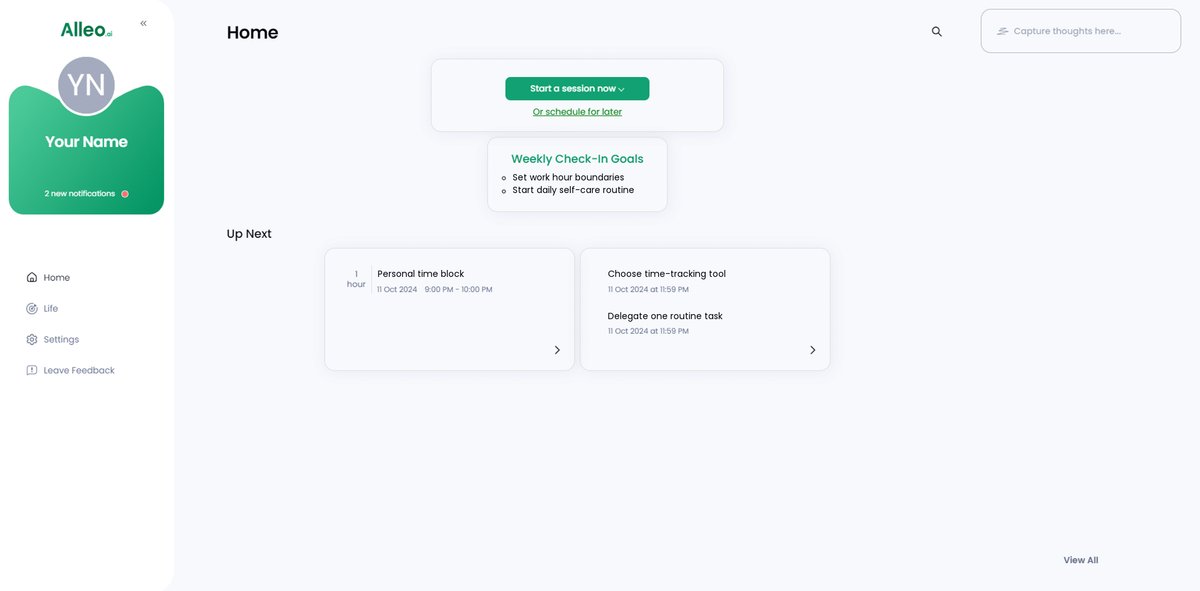
After your coaching session, open the Alleo app to find your discussed goals conveniently displayed on the home page, allowing you to easily track and manage your progress towards prioritizing personal time off.
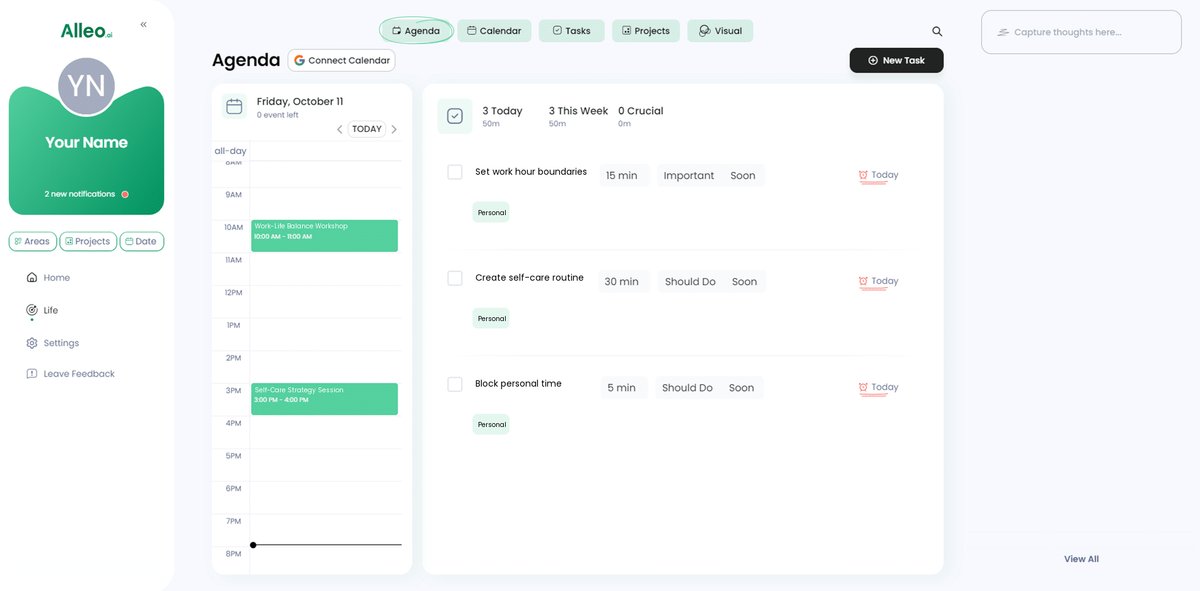
Step 6: Adding events to your calendar or app
Use Alleo’s calendar and task features to schedule and track your personal time off, ensuring you maintain a healthy work-life balance by adding events like self-care activities, leisure time, and breaks from work commitments.
Embrace Balance and Take Action
As we wrap up, remember that prioritizing personal time off work is not just a luxury; it’s essential for work-life balance.
By setting clear boundaries, establishing a self-care routine, and delegating tasks, you create space for personal well-being and prevent employee burnout.
Communicate your needs, use time-tracking tools, and schedule personal time in your calendar as effective time management techniques.
These steps will help you maintain balance and avoid burnout in high-pressure jobs.
Taking action now can transform your work and personal life, improving productivity and personal time management.
Consider partnering with Alleo to make this journey towards stress management in the workplace smoother.
Together, we can achieve a balanced life and implement corporate wellness programs.
Ready to get started? Try Alleo for free and take the first step towards better work-life balance strategies and negotiating flexible work arrangements.