7 Proven Strategies for New Managers: Transitioning from Individual Contributor to Effective Leader
Are you feeling overwhelmed by the transition from individual contributor to manager? This shift in roles can be challenging for many professionals.
As a life coach, I’ve helped many individuals navigate the complexities of transitioning from contributor to manager. In my experience, new managers often face uncertainty and unexpected difficulties in areas like team management techniques and leadership skills development.
In this article, you’ll discover proven strategies to ease this transition. We’ll cover effective communication in management, delegation strategies, and leadership development. These skills are crucial for setting team goals and objectives, as well as motivating team members.
Let’s dive in to explore how you can successfully transition from peer to manager and develop essential time management for new leaders.

Understanding the Challenges of Transitioning to Management
When transitioning from contributor to manager, the shift can be jarring. Many clients initially struggle with the sudden change in responsibilities and expectations, particularly in areas like team management techniques and delegation strategies.
You may feel overwhelmed by the uncertainty and the unexpected difficulties that arise. In my experience, people often find the transition from contributor to manager stressful, impacting both their personal well-being and team performance. Developing leadership skills and mastering communication in management become crucial.
The lack of formal training compounds these challenges. Statistics show that many new managers underperform in their first year, further adding to the pressure. This highlights the importance of time management for new leaders and setting team goals and objectives.
You are not alone in this struggle. The key is to recognize these challenges and proactively seek solutions when transitioning from contributor to manager.

Overcoming the challenge of transitioning from contributor to manager requires a few key steps. Here are the main areas to focus on to make progress in leadership skills development and team management techniques.
- Develop a clear leadership style and vision: Define your values and set specific team goals and objectives.
- Establish regular one-on-one meetings with your team: Schedule weekly check-ins for progress and support, enhancing communication in management.
- Delegate tasks and empower team members: Match tasks with team strengths and provide autonomy, implementing effective delegation strategies.
- Improve communication skills for diverse audiences: Attend workshops and use tools like Slack or Teams effectively to enhance workplace communication.
- Focus on team motivation and engagement strategies: Conduct team-building activities and recognize achievements to boost team performance.
- Build a support network of peer managers: Join peer groups and seek mentors for guidance in transitioning from peer to manager.
- Balance technical expertise with people management: Stay updated with technical skills while focusing on leadership and time management for new leaders.
Let’s dive in!
1: Develop a clear leadership style and vision
Understanding and defining your leadership style is crucial for effective management when transitioning from contributor to manager.
Actionable Steps:
- Write down your core leadership skills development principles. Share them with your team to align everyone’s expectations.
- Set clear team goals and objectives. Outline specific, measurable goals that align with the company’s objectives.
- Seek feedback from peers and mentors. Use their insights to refine your team management techniques.
Explanation:
These steps matter because a clear leadership style and vision provide direction and consistency. Setting measurable goals helps keep the team focused and motivated.
Seeking feedback ensures your approach evolves with your team’s needs. According to Placement, developing a clear leadership style is essential for new managers transitioning from contributor to manager to build trust and inspire their teams.
Key elements of an effective leadership style include:
- Authenticity in communication in management
- Consistency in decision-making
- Adaptability to team needs
This foundation will guide you through the transition from contributor to manager and help you lead effectively.

2: Establish regular one-on-one meetings with team
Regular one-on-one meetings with your team are essential for building strong relationships and ensuring alignment when transitioning from contributor to manager.
Actionable Steps:
- Schedule weekly check-ins. Set up recurring weekly one-on-one meetings with each team member to discuss their progress, challenges, and support needs, a crucial aspect of team management techniques.
- Prepare clear agendas. Before each meeting, create a concise agenda to keep the discussions focused and productive, improving time management for new leaders.
- Focus on active listening. Use these meetings to listen more than you speak, understanding your team members’ perspectives and building trust, enhancing your communication in management skills.
Explanation:
These steps matter because they foster open communication and trust within your team. Regular check-ins ensure that everyone stays aligned and any issues are addressed promptly, which is crucial when transitioning from contributor to manager.
According to Forbes, maintaining effective communication can significantly increase team productivity and morale.
By implementing these practices, you’ll create a supportive environment that encourages growth and collaboration, essential for leadership skills development.

3: Delegate tasks and empower team members
Delegating tasks and empowering your team members is crucial for effective management and team growth when transitioning from contributor to manager.
Actionable Steps:
- Identify tasks to delegate. Match these tasks with the strengths of your team members to ensure they can handle them effectively, a key aspect of leadership skills development.
- Provide clear instructions and expectations. Set milestones to track progress and ensure everyone knows what success looks like, which is essential for setting team goals and objectives.
- Support and resources. Offer the necessary tools and guidance but allow team members the autonomy to complete tasks in their own way, demonstrating effective delegation strategies.
Explanation:
These steps matter because they help distribute workload, foster trust, and enhance team efficiency. By delegating, you can focus on higher-level responsibilities while empowering your team, which is crucial when transitioning from contributor to manager.
According to HBR, effective delegation can lead to better team performance and individual growth.
This approach ensures a balanced workload and promotes a collaborative team environment, essential for team management techniques and communication in management.

4: Improve communication skills for diverse audiences
Effective communication is crucial for managing a diverse team with varying needs and expectations, especially when transitioning from contributor to manager.
Actionable Steps:
- Attend a communication workshop. Enroll in a program designed for managers to enhance your communication skills and leadership development.
- Practice adapting your communication style. Tailor your approach to suit different team members and stakeholders, a key team management technique.
- Utilize communication tools effectively. Use platforms like Slack or Teams to maintain clear and consistent communication in management.
Explanation:
These steps matter because they help bridge gaps in understanding and ensure everyone is on the same page. By improving communication, you increase team cohesion and productivity, essential for those transitioning from contributor to manager.
Research from Forbes indicates that effective communication can boost team productivity by 20% to 25%.
Benefits of improved communication skills:
- Enhanced team collaboration
- Reduced misunderstandings
- Increased trust and transparency
Mastering communication skills will help you lead your team more effectively and foster a collaborative environment, crucial for successful performance evaluation and conflict resolution in the workplace.

5: Focus on team motivation and engagement strategies
Team motivation and engagement are crucial for maintaining high performance and morale when transitioning from contributor to manager.
Actionable Steps:
- Conduct regular team-building activities. Plan activities that foster a positive, collaborative team culture as part of your leadership skills development.
- Recognize and reward achievements. Celebrate milestones and individual successes to boost morale and motivation, a key aspect of motivating team members.
- Implement employee engagement surveys. Gather feedback regularly and act on it to improve team health, an essential team management technique.
Explanation:
These steps matter because they foster a positive work environment and increase team cohesion, crucial for those transitioning from contributor to manager.
According to LinkedIn, investing time in recognizing achievements and engaging with your team can lead to higher retention and satisfaction.
Implementing these strategies ensures your team stays motivated and engaged, leading to better overall performance and successful delegation strategies.
Incorporating these practices will create a supportive and thriving team dynamic, essential for effective communication in management.
6: Build a support network of peer managers
Building a support network of peer managers is vital for transitioning from contributor to manager and sharing experiences while gaining valuable insights on leadership skills development.
Actionable Steps:
- Join a peer support group. Seek out networks or forums where managers in similar roles connect and share advice on team management techniques.
- Schedule regular check-ins. Arrange monthly meetings with your support group to discuss challenges and brainstorm solutions for delegation strategies and communication in management.
- Seek out a mentor. Identify a seasoned manager who can offer guidance and provide feedback on your management approach, including time management for new leaders.
Explanation:
These steps matter because they provide you with a sounding board and support system. Peer groups and mentors offer diverse perspectives and practical advice on setting team goals and objectives.
According to NSGC, connecting with other leaders helps address common challenges and fosters continuous development in performance evaluation methods and conflict resolution in the workplace.
Having a robust support network enhances your confidence and effectiveness as a manager, crucial when transitioning from contributor to manager and motivating team members.
7: Balance technical expertise with people management
Balancing technical expertise with people management is crucial for a successful transition from contributor to manager in leadership roles.
Actionable Steps:
- Dedicate time to stay updated with technical skills. Allocate specific hours weekly to enhance your technical knowledge while managing your team, a key aspect of transitioning from contributor to manager.
- Attend leadership skills development programs. Choose programs that include technical leadership aspects to bridge the gap between technical and managerial skills, improving team management techniques.
- Mentor junior team members. Share your technical expertise and guide them, staying connected with the technical side while honing your management skills and delegation strategies.
Explanation:
These steps matter because they help you maintain credibility and effectiveness in both technical and managerial aspects. Staying updated with technical skills ensures you can lead by example, which is essential when transitioning from contributor to manager.
According to Camille Fournier, balancing technical and management skills is essential for career growth in tech roles. Regular mentoring also fosters team development and strengthens your leadership capabilities, including communication in management.
Key benefits of balancing technical and managerial roles:
- Enhanced credibility with team members
- Improved decision-making in technical matters
- Better understanding of team challenges and setting team goals and objectives
Balancing these roles will help you lead effectively and stay relevant in your field as you transition from contributor to manager.
Partner with Alleo on Your Management Journey
We’ve explored the challenges of transitioning from contributor to manager, how solving them benefits your career, and steps to achieve it. But did you know you can work directly with Alleo to make this journey easier and faster?
Alleo is an AI life coach designed to help new managers transition smoothly, focusing on leadership skills development and team management techniques. Setting up an account is simple.
Create a personalized plan tailored to your needs and goals. Alleo’s coach will guide you through mastering effective communication in management, delegation strategies, and leadership development.
With Alleo, you get full coaching sessions on transitioning from peer to manager and a free 14-day trial—no credit card needed. The coach follows up on your progress, handles changes, and keeps you accountable via text and push notifications, helping with time management for new leaders.
Ready to get started for free on your journey of transitioning from contributor to manager?
Let me show you how!
Step 1: Log In or Create Your Alleo Account
To begin your journey as a new manager with Alleo, simply Log in to your account or create a new one to access personalized coaching tailored to your leadership development needs.

Step 2: Choose Your Focus Area
Select “Setting and achieving personal or professional goals” to align your efforts with the management transition challenges discussed in the article. This focus will help you develop clear objectives and strategies to overcome common hurdles faced by new managers, enhancing your leadership effectiveness.

Step 3: Select “Career” as Your Focus Area
Choose “Career” as your primary focus area in Alleo to address your transition from individual contributor to manager. This selection will tailor Alleo’s guidance to help you develop essential leadership skills, improve team communication, and navigate the challenges of your new role, aligning perfectly with your goal of becoming an effective manager.

Step 4: Starting a Coaching Session
Begin your management journey with Alleo by scheduling an intake session to discuss your goals and create a personalized development plan tailored to your transition challenges.

Step 5: Viewing and Managing Goals After the Session
After your coaching session, check the app’s home page to review and manage the goals you discussed, allowing you to track your progress and stay accountable as you develop your management skills.
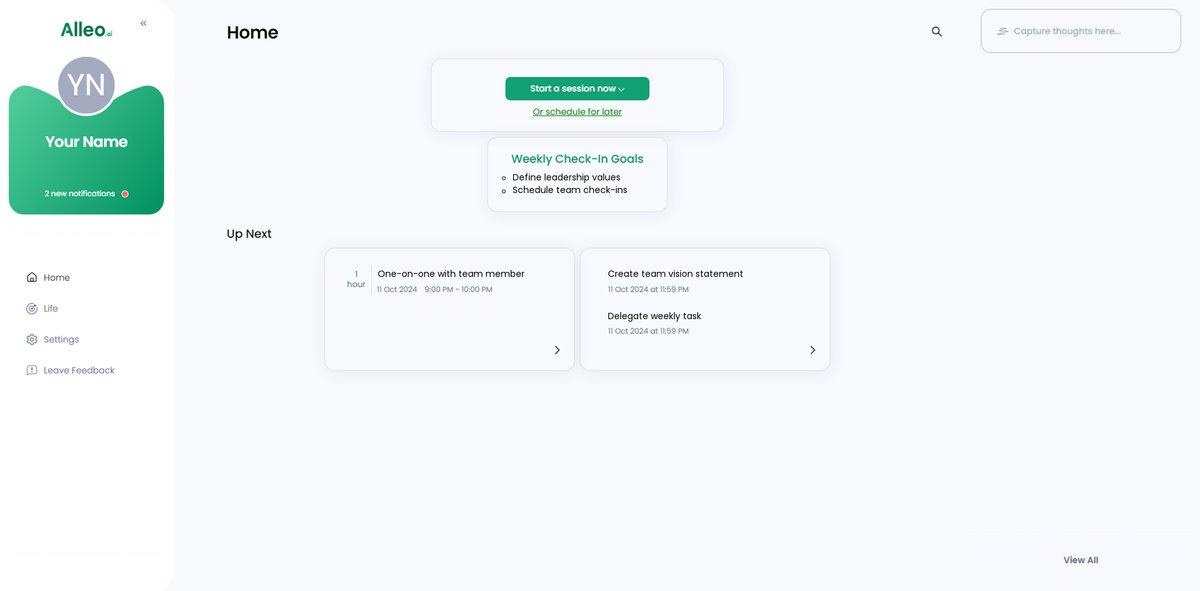
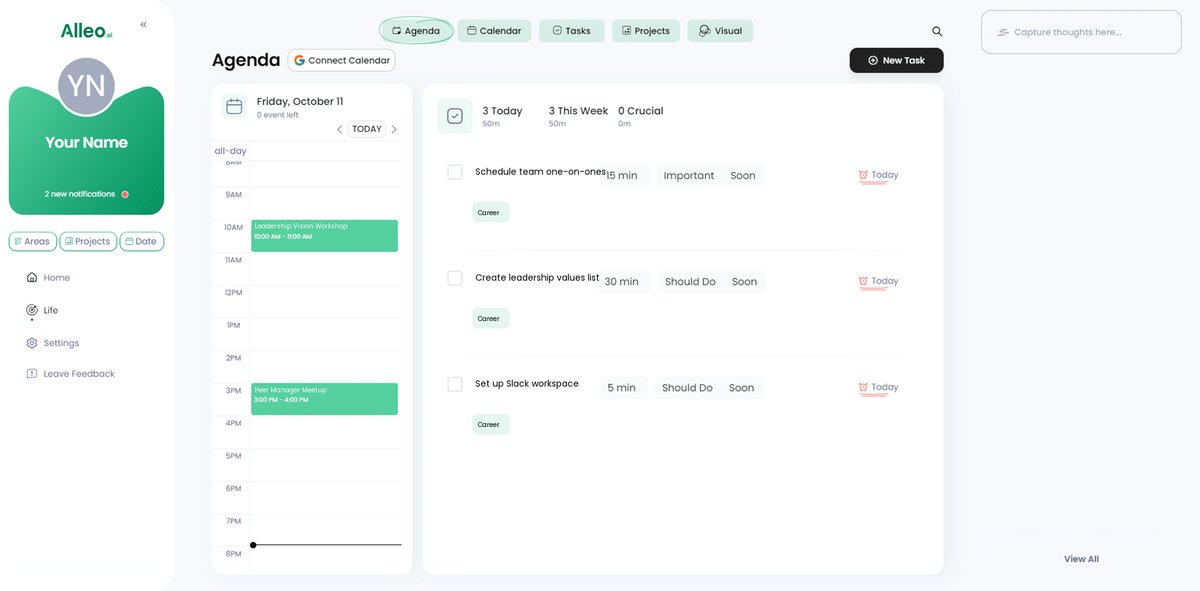
Step 6: Adding events to your calendar or app
Use Alleo’s calendar and task features to schedule and track your progress on management skills development, such as setting up one-on-one meetings or planning team-building activities, ensuring you stay accountable to your goals.
Embrace Your Journey as a New Manager
Transitioning from contributor to manager is a significant step. It can feel overwhelming at times, but you’re not alone in this journey of leadership skills development.
Remember, developing a clear leadership style and vision is the foundation of team management techniques. Establish regular one-on-one meetings to foster trust and alignment, essential for setting team goals and objectives.
Delegate tasks effectively to empower your team, implementing smart delegation strategies. Improve your communication in management to address diverse needs.
Focus on motivating team members and build a support network. Balance your technical expertise with people management skills, including time management for new leaders.
By following these strategies, you will lead effectively and confidently as you transition from contributor to manager. And don’t forget, Alleo is here to support you.
Try Alleo today and experience the benefits of a personalized management journey, including performance evaluation methods and conflict resolution in the workplace.