6 Essential Ways to Manage Stakeholder Expectations When Overloaded with Requests
Are you a tech manager overwhelmed by a mountain of stakeholder requests, each one marked “urgent”? Managing overwhelming stakeholder requests can be a daunting task, especially when it comes to workload management and balancing competing demands.
As a life coach, I’ve helped many professionals navigate these challenges. In my experience, communicating effectively with stakeholders is crucial. Developing strong stakeholder communication strategies is key to project prioritization and resource allocation.
In this article, you’ll discover specific strategies for managing overwhelming stakeholder requests and setting realistic deadlines. We’ll cover how to use a value vs effort matrix, establish clear communication protocols, and implement effective time management techniques. You’ll also learn about scope creep prevention and maintaining transparency in project management.
Let’s dive in and explore these negotiation techniques for managing overwhelming stakeholder requests.

Understanding the Overwhelm of Stakeholder Requests
Navigating the avalanche of stakeholder demands can be daunting. Many tech managers find themselves juggling numerous requests, each labeled as critical, making managing overwhelming stakeholder requests a significant challenge. This often requires effective project prioritization and resource allocation skills.
This can quickly lead to burnout and missed deadlines, highlighting the importance of setting realistic deadlines and workload management.
In my experience, people often struggle to balance these competing priorities. Poorly managed expectations can create frustration and erode team morale, emphasizing the need for robust stakeholder communication strategies.
Stakeholders might not always understand the team’s capacity, making it challenging to deliver results. This underscores the importance of transparency in project management and employing negotiation techniques.
Clear communication and structured processes are essential to tackle this issue, including strategies for scope creep prevention and effective time management when managing overwhelming stakeholder requests.

Roadmap to Managing Stakeholder Expectations
Overcoming the challenge of managing overwhelming stakeholder requests requires a few key steps. Here are the main areas to focus on to make progress in project prioritization and workload management.
- Prioritize Requests Using a Value vs Effort Matrix: Categorize and rank tasks based on their impact and effort required, aiding in effective resource allocation.
- Establish Clear Communication Channels and Protocols: Define and document processes for submitting and updating requests, improving stakeholder communication strategies.
- Set Realistic Timelines and Manage Expectations: Assess team capacity and set achievable deadlines, focusing on setting realistic deadlines and balancing competing demands.
- Implement a Structured Change Request Process: Develop a formal process for evaluating and approving changes, aiding in scope creep prevention.
- Schedule Regular Stakeholder Check-ins: Hold consistent meetings to review progress and gather feedback, promoting transparency in project management.
- Delegate Tasks and Empower Team Members: Assign tasks based on team strengths and provide necessary training, enhancing effective time management.
Let’s dive in to these strategies for managing overwhelming stakeholder requests!
1: Prioritize requests using a value vs effort matrix
Prioritizing requests using a value vs effort matrix helps manage overwhelming stakeholder requests effectively, improving project prioritization and workload management.
Actionable Steps:
- List all incoming requests: Create a list categorizing tasks based on their impact and effort required, aiding in resource allocation.
- Schedule a prioritization meeting: Meet with key stakeholders to agree on valuable tasks using the matrix, enhancing stakeholder communication strategies.
- Regularly review and update priorities: Hold bi-weekly review meetings to adjust the matrix as new requests come in, helping with balancing competing demands.
Explanation:
These steps are critical because they help ensure that the team focuses on high-impact tasks while managing workload efficiently when dealing with overwhelming stakeholder requests.
Regular reviews and stakeholder meetings foster transparency in project management and alignment.
According to Rapidr, using product management tools to organize backlog items and monitor progress is essential for effective prioritization.
Key benefits of using a value vs effort matrix for managing overwhelming stakeholder requests include:
- Improved resource allocation
- Better alignment with strategic goals
- Increased stakeholder satisfaction
By implementing these steps, you can manage stakeholder expectations more effectively, set realistic deadlines, and maintain team productivity while preventing scope creep.

2: Establish clear communication channels and protocols
Clear communication channels and protocols are essential for managing overwhelming stakeholder requests and expectations effectively.
Actionable Steps:
- Define and document communication protocols: Create a guidebook outlining the process for request submissions and updates, promoting effective stakeholder communication strategies.
- Implement a centralized communication platform: Use tools like Slack or Microsoft Teams to streamline project-related discussions and facilitate project prioritization.
- Train your team and stakeholders: Host workshops or create tutorial videos to ensure everyone understands the communication process, enhancing transparency in project management.
Explanation:
These steps are vital because they foster transparency and efficiency in communication. A centralized platform helps maintain clear and organized discussions, aiding in managing overwhelming stakeholder requests.
According to a LinkedIn article, structured communication reduces misunderstandings and improves project outcomes, supporting effective workload management.
By establishing clear communication channels, you can better manage stakeholder expectations, enhance team productivity, and balance competing demands in project management.
3: Set realistic timelines and manage expectations
Setting realistic timelines and managing expectations are crucial for managing overwhelming stakeholder requests and maintaining productivity and stakeholder satisfaction.
Actionable Steps:
- Assess team capacity: Evaluate your team’s workload and set achievable deadlines for each request, focusing on effective resource allocation and workload management.
- Communicate timelines transparently: Inform stakeholders about timelines and constraints through regular updates and briefings, utilizing stakeholder communication strategies.
- Include buffer time: Add a 10-20% buffer to project timelines to account for unexpected delays and prevent scope creep.
Explanation:
These steps matter because they help balance workload and prevent burnout when managing overwhelming stakeholder requests.
Transparent communication builds trust with stakeholders and keeps everyone aligned, which is essential for project prioritization.
Including buffer time ensures you can handle unforeseen issues without derailing the project, supporting effective time management.
According to Stevens Institute of Technology, setting clear timelines and managing expectations are crucial for project success.
This structured approach helps maintain team productivity and keeps stakeholders satisfied while balancing competing demands.

4: Implement a structured change request process
Implementing a structured change request process ensures that stakeholder requests are managed systematically and efficiently, helping in managing overwhelming stakeholder requests.
Actionable Steps:
- Develop a formal change request form: Create an online form to capture essential details for each change request, aiding in project prioritization.
- Assess and prioritize change requests: Form a review committee to evaluate the impact, urgency, and feasibility of each request, facilitating effective resource allocation.
- Communicate decisions transparently: Provide justifications for approvals or rejections through personalized emails or meetings, improving stakeholder communication strategies.
Explanation:
These steps are crucial because they help manage change requests without overwhelming the team. A structured process keeps everyone aligned and informed, preventing scope creep and confusion while balancing competing demands.
According to Float, a clear, documented change management process is essential for handling change requests effectively.
Key components of an effective change request process:
- Clear submission guidelines
- Defined evaluation criteria
- Transparent decision-making
This structured approach will help you maintain control over project changes and keep stakeholder expectations in check, promoting transparency in project management and effective time management.
5: Schedule regular stakeholder check-ins
Regular stakeholder check-ins are vital for managing overwhelming stakeholder requests, maintaining alignment, and addressing concerns promptly.
Actionable Steps:
- Set up recurring meetings: Establish a consistent schedule for check-ins, such as weekly or bi-weekly, to review progress, discuss issues, and prioritize stakeholder requests.
- Document and share meeting agendas: Prepare and distribute agendas beforehand to keep meetings focused and productive, addressing workload management and resource allocation.
- Gather feedback and adjust plans: Use these meetings to collect stakeholder input and make necessary adjustments to project plans, balancing competing demands and preventing scope creep.
Explanation:
These steps matter because regular check-ins ensure ongoing communication and collaboration. They help keep stakeholders informed and engaged, reducing the risk of misunderstandings and misaligned expectations while managing overwhelming stakeholder requests.
According to a report on team development, open communication and feedback are key to successful teamwork.
Regular check-ins foster a collaborative environment, enhancing overall project success through effective stakeholder communication strategies and transparency in project management.

6: Delegate tasks and empower team members
Delegating tasks and empowering team members is essential for managing overwhelming stakeholder requests and balancing competing demands when overloaded with requests.
Actionable Steps:
- Assess team strengths and delegate accordingly: Use tools like StrengthsFinder to identify each team member’s expertise and assign tasks that play to their strengths, enhancing workload management.
- Provide necessary training and resources: Offer workshops or online courses to equip team members with the skills needed to handle delegated tasks, improving resource allocation.
- Recognize and reward contributions: Implement a recognition program to celebrate achievements and provide regular feedback to boost morale, supporting effective time management.
Explanation:
These steps matter because they ensure tasks are handled efficiently and team members feel valued and motivated when managing overwhelming stakeholder requests.
Delegating tasks based on strengths leads to higher quality work, while ongoing training ensures readiness for new challenges and aids in project prioritization.
According to a report on team development, recognizing contributions fosters a collaborative and productive work environment, which is crucial for stakeholder communication strategies.
Benefits of effective delegation:
- Improved team efficiency
- Enhanced skill development
- Increased job satisfaction
Empowering your team through delegation can significantly enhance overall project success and help in managing overwhelming stakeholder requests.

Partner with Alleo to Manage Stakeholder Expectations
We’ve explored managing overwhelming stakeholder requests and how to prioritize work effectively. But did you know you can work directly with Alleo to make this process of project prioritization and resource allocation easier and faster?
Alleo provides tailored coaching support for tech managers focused on effective time management and workload management. Set up an account, create a personalized plan for managing overwhelming stakeholder requests, and start working with Alleo’s AI coach to improve your stakeholder communication strategies.
The coach follows up on your progress in setting realistic deadlines and implementing negotiation techniques. It handles changes and keeps you accountable via text and push notifications, ensuring transparency in project management.
Ready to get started for free and learn how to balance competing demands while preventing scope creep? Let me show you how!
Step 1: Log In or Create Your Account
Log in to your existing Alleo account or create a new one to start managing your stakeholder expectations more effectively with personalized AI coaching support.

Step 2: Choose Your Goal
Select “Setting and achieving personal or professional goals” to align your AI coaching experience with managing stakeholder expectations and prioritizing work effectively, helping you overcome the challenges discussed in the article.

Step 3: Select “Career” as Your Focus Area
Choose “Career” as your focus area in Alleo to address your challenges with managing stakeholder expectations and prioritizing work, enabling you to receive tailored strategies and support for improving your professional performance.

Step 4: Starting a Coaching Session
Begin your journey with Alleo by scheduling an intake session, where you’ll discuss your stakeholder management challenges and create a personalized action plan to streamline your workflow and improve communication with your team and stakeholders.

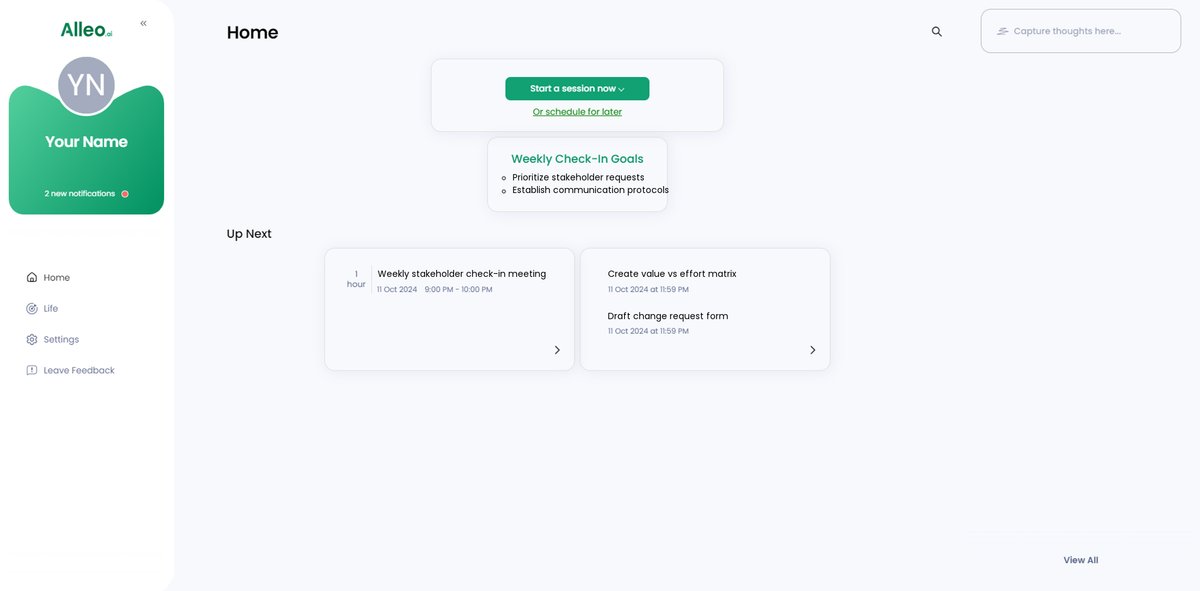
Step 5: Viewing and managing goals after the session
After your coaching session, check the app’s home page to view and manage the goals you discussed, allowing you to track your progress and stay accountable to your stakeholder management objectives.
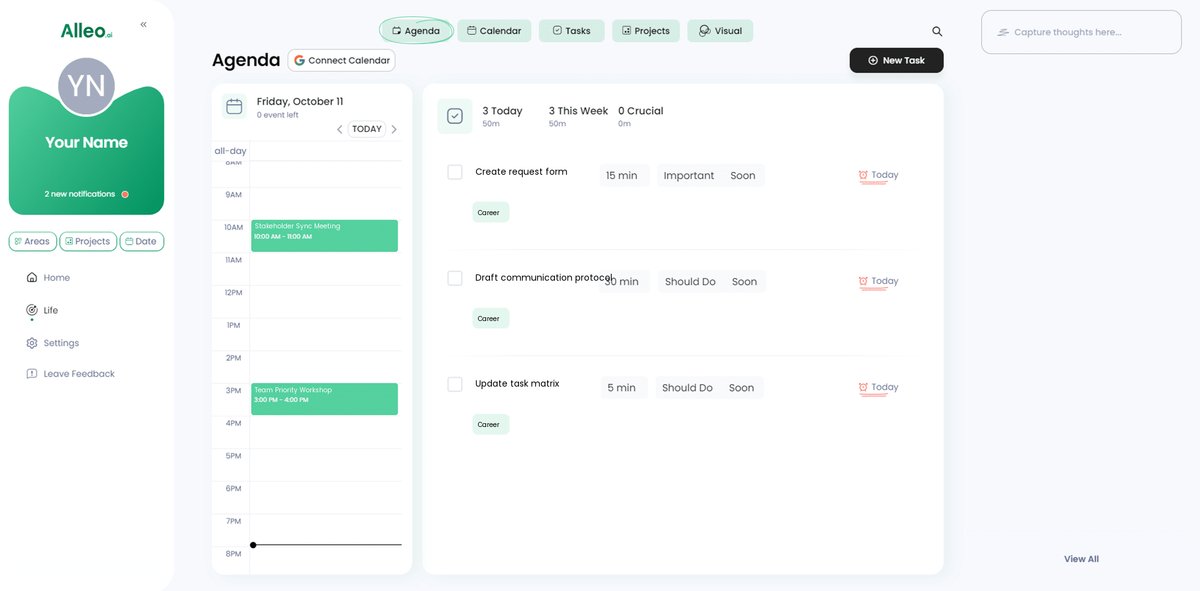
Step 6: Adding events to your calendar or app
Track your progress in managing stakeholder expectations by adding key meetings, deadlines, and review sessions to the Alleo app’s calendar and task features, allowing you to easily monitor your journey towards more effective stakeholder management.
Conclusion: Mastering Stakeholder Expectations with Confidence
By now, you have a clear path to managing overwhelming stakeholder requests. The strategies we’ve discussed will help you prioritize tasks, communicate effectively with stakeholders, and set realistic timelines for project completion.
Remember, it’s normal to feel overwhelmed when dealing with competing demands. But with a structured approach to workload management, you can regain control and keep your team productive.
Empower your team by delegating tasks and recognizing their contributions. This not only boosts morale but also ensures high-quality work while preventing scope creep.
Don’t forget to leverage Alleo’s AI coaching for personalized support in managing overwhelming stakeholder requests. It will guide you, keep you accountable, and help you stay on track with effective time management.
Take the first step today in improving your project prioritization and resource allocation. Try Alleo for free and transform how you manage stakeholder expectations and maintain transparency in project management.