The Ultimate Guide: How Teachers Can Cope with Student Messages During Extended Leave
Are you struggling with managing student messages during leave? Extended leave for educators can present unique challenges in maintaining communication.
Navigating the emotional impact of such communication can be overwhelming for teachers, potentially affecting their mental health and work-life balance.
As a life coach, I’ve guided many educators through similar challenges in managing student communication. I’ve seen firsthand how crucial it is to balance empathy and boundaries in teacher-student relationships.
In this article, you’ll discover practical strategies to handle student messages effectively during leave, ensuring both you and your students stay supported. We’ll explore digital communication policies for schools and best practices for school administration.
Let’s dive in to better understand managing student messages during leave and its impact on teacher absence management.
Understanding the Emotional Toll of Extended Absences
When you’re away for an extended period, managing student messages during leave can be incredibly challenging. Many teachers find it emotionally draining to receive messages from students expressing their longing for their return, impacting teacher mental health.
It’s not just about missing a face in the classroom; it’s about the deeper connection you share with your students, which can strain boundaries in teacher-student relationships.
The complexity of school work and increasing demands can exacerbate the situation. As an educator, you’re already navigating a landscape of burnout and high expectations, making work-life balance for teachers crucial.
This added pressure can make it hard to maintain a balance between your recovery and professional responsibilities, highlighting the importance of teacher absence management.
In my experience, educators often struggle to cope with this emotional burden. It’s important to recognize that you’re not alone in managing student communication during extended leave.
Many of my clients initially find it overwhelming but learn to navigate these challenges with the right strategies, including digital communication policies for schools.

Key Strategies for Managing Student Messages During Extended Leave
Overcoming this challenge of managing student messages during leave requires a few key steps. Here are the main areas to focus on to make progress in maintaining work-life balance for teachers:
- Set up an auto-reply message for students: Draft a reassuring auto-reply and set it up on the school’s digital communication platform.
- Delegate message handling to a trusted colleague: Select a colleague and provide them with response templates and guidelines for managing student communication.
- Create a shared document for FAQs and updates: Compile common questions and share the document with students to support them during teacher leave.
- Schedule periodic check-ins with class rep: Appoint a class rep and set up regular virtual meetings to maintain boundaries in teacher-student relationships.
- Use asynchronous tools for student communication: Implement discussion boards and encourage peer interaction as part of school administration best practices.
- Prepare pre-recorded video messages for students: Record and schedule video updates to maintain communication during extended leave for educators.
- Adjust course structure for extended absence: Revisit course goals and modify assessments accordingly, considering substitute teacher responsibilities.
Let’s dive in!
1: Set up an auto-reply message for students
Setting up an auto-reply message is crucial for managing student messages during leave and maintaining communication with students while you’re on extended leave for educators.
Actionable Steps:
- Draft a heartfelt and informative auto-reply message. Ensure it acknowledges students’ messages and provides reassurance, including a timeframe for when they can expect a response.
- Enable the auto-reply feature on the school’s digital communication platform. Provide step-by-step instructions on how to set up the auto-reply.
- Regularly update the auto-reply message as needed. Reflect any changes in your availability or status.
Key elements of an effective auto-reply for managing student communication:
- Clear explanation of your absence
- Expected return date
- Alternative contact information
- Links to resources for immediate student support during teacher leave
Explanation: Auto-reply messages help manage expectations and provide immediate reassurance to students. This approach ensures that students feel acknowledged and informed even in your absence, supporting work-life balance for teachers.
According to the Stanford Teaching Commons, preparing supplemental materials and proactive communication strategies are essential in managing disruptions effectively.
Remember, these steps will help maintain a connection with your students while alleviating some of the emotional burden, contributing to better teacher mental health.
Next, we’ll look into delegating message handling to a trusted colleague as part of teacher absence management.

2: Delegate message handling to a trusted colleague
Delegating message handling to a trusted colleague ensures continuous support for your students while managing student messages during leave. This approach supports teacher mental health and work-life balance for teachers.
Actionable Steps:
- Identify a reliable colleague: Choose a colleague who is comfortable and familiar with your class. Make sure they agree to handle student communication in your absence.
- Provide clear guidelines and templates: Equip your colleague with detailed response templates and guidelines for common queries. This will ensure consistency in communication and support digital communication policies for schools.
- Set up regular check-ins: Schedule periodic meetings with the colleague to discuss any urgent issues and ensure they feel supported, aligning with school administration best practices.
Explanation: Delegating tasks helps maintain a smooth communication flow with students and reduces your workload during extended leave for educators.
According to the Stanford Teaching Commons, clear planning and delegation are essential in managing disruptions effectively. This approach supports both your recovery and your students’ needs.
This method allows you to focus on your well-being while ensuring that students receive timely responses, maintaining boundaries in teacher-student relationships while managing student messages during leave.
3: Create a shared document for FAQs and updates
Creating a shared document for FAQs and updates is essential for managing student messages during leave and keeping students informed during your extended leave for educators.
Actionable Steps:
- Compile a list of FAQs: Identify common questions students may have and provide thorough answers. Address issues like assignment deadlines, class expectations, and student support during teacher leave.
- Use a cloud-based platform: Share the document on platforms like Google Drive to ensure easy access. Regularly update it with new information as needed, supporting effective teacher absence management.
- Highlight the document in communications: Mention the document in your auto-reply messages and encourage students to check it before reaching out, promoting work-life balance for teachers.
Explanation: Having a shared FAQ document ensures students can find answers quickly without needing to contact you, helping maintain boundaries in teacher-student relationships.
This approach reduces your communication load and helps maintain a consistent information flow when managing student messages during leave.
According to the Stanford Teaching Commons, proactive communication strategies are vital for managing disruptions effectively.
This method keeps students informed and supports a smoother transition during your absence, aligning with school administration best practices for managing student communication.
4: Schedule periodic check-ins with class rep
Regular check-ins with a class representative ensure ongoing communication and support for students during your extended leave for educators, helping in managing student messages during leave.
Actionable Steps:
- Appoint a responsible student: Choose a student who is reliable and understands the role. Ensure they agree to act as the class representative for managing student communication.
- Set up regular virtual meetings: Use platforms like Zoom to conduct periodic check-ins with the class rep. Provide updates and address any concerns they may have, maintaining work-life balance for teachers.
- Provide the class rep with necessary updates: Equip them with the latest information to share with classmates. This ensures everyone stays informed, supporting student support during teacher leave.
Explanation: Regular check-ins with a class representative help maintain a connection with your students and ensure their concerns are addressed promptly, which is crucial for managing student messages during leave.
According to the Stanford Teaching Commons, proactive communication strategies are essential in managing disruptions effectively. This approach fosters a sense of continuity and support for your students, aligning with school administration best practices.
This method ensures students feel supported and informed, even in your absence, while maintaining boundaries in teacher-student relationships.
5: Use asynchronous tools for student communication
Using asynchronous tools for student communication is vital for managing student messages during leave and maintaining a steady flow of information during extended leave for educators.
Actionable Steps:
- Implement discussion boards: Utilize platforms like Canvas or EdDiscussion to set up discussion boards. Encourage students to post their questions and interact with their peers, supporting work-life balance for teachers.
- Encourage peer interaction: Foster a collaborative learning environment by promoting student engagement on these boards. Make sure students know they can help each other, enhancing student support during teacher leave.
- Monitor discussions periodically: Check the discussion boards regularly to provide guidance and clarification when needed. This ensures students stay on track and helps with managing student communication.
Benefits of asynchronous communication tools:
- Flexible participation times for students
- Encourages deeper reflection on topics
- Creates a record of discussions for future reference
Explanation: Asynchronous tools allow students to communicate and collaborate at their own pace, ensuring continuity in learning and supporting teacher mental health.
According to the Stanford Teaching Commons, utilizing these tools is crucial for managing disruptions effectively. This method helps maintain a supportive and connected classroom environment.
This approach keeps students engaged and informed, even in your absence, and is an essential part of managing student messages during leave.
6: Prepare pre-recorded video messages for students
Preparing pre-recorded video messages helps maintain a personal connection with students during your extended leave for educators, effectively managing student messages during leave.
Actionable Steps:
- Record video messages addressing common topics: Use a friendly and reassuring tone. Cover essential updates and frequently asked questions to support student communication during teacher leave.
- Upload the videos to a shared platform: Choose a user-friendly platform where students can easily find the videos, like Google Drive or a school’s LMS, aligning with digital communication policies for schools.
- Schedule the release of these videos: Plan the timing of each video release to provide consistent communication and keep students engaged, aiding in teacher absence management.
Explanation: Pre-recorded video messages ensure students receive important information and feel connected to you, even when you’re away, supporting work-life balance for teachers.
According to the Stanford Teaching Commons, proactive communication strategies like these are crucial for managing disruptions effectively, including managing student messages during leave.
This method supports continuous learning and emotional well-being for your students, while maintaining boundaries in teacher-student relationships.
This approach ensures students stay informed and reassured during your absence, fostering a sense of continuity and aligning with school administration best practices for managing student communication.
7: Adjust course structure for extended absence
Adjusting the course structure is vital to ensure continuity and focus on essential learning outcomes during your extended leave for educators. This approach also helps in managing student messages during leave effectively.
Actionable Steps:
- Revisit and simplify course goals: Focus on the most critical learning objectives. Prioritize essential skills and knowledge for students to achieve, considering teacher absence management.
- Modify assessments to suit the new structure: Implement alternative methods like projects or open-book exams. Ensure they are aligned with the revised course goals and support student support during teacher leave.
- Prepare supplemental materials and resources: Provide students with the necessary tools for independent study. Use a cloud-based platform for easy access and regular updates, facilitating managing student communication.
Strategies for simplifying course goals:
- Identify core competencies
- Combine related objectives
- Eliminate non-essential content
Explanation: Simplifying course goals and modifying assessments help maintain a manageable workload for both you and your students, supporting work-life balance for teachers.
According to the Stanford Teaching Commons, preparing supplemental materials and proactive strategies are essential for managing disruptions effectively. This approach ensures that learning continues smoothly, even in your absence, while managing student messages during leave.
This method ensures students stay on track with their learning while you focus on your recovery, maintaining boundaries in teacher-student relationships.

Partner with Alleo on Your Teaching Journey
We’ve explored the challenges of managing student messages during leave and how to address them. But did you know you can work with Alleo to make this process even smoother for managing student communication and maintaining teacher mental health?
Alleo offers affordable, personalized coaching to help you manage student messages during leave effectively. Our AI coach provides full coaching sessions, just like a human coach, with a free 14-day trial—no credit card required. This can be especially helpful for extended leave for educators.
Start by setting up an account and creating a personalized plan to improve your work-life balance as a teacher. Alleo’s coach will follow up on your progress, handle changes, and keep you accountable via text and push notifications, helping you establish boundaries in teacher-student relationships.
Ready to get started for free and enhance your approach to managing student messages during leave?
Let me show you how!
Step 1: Logging in or Creating an Account
To start managing your student messages more effectively, log in to your Alleo account or create a new one if you haven’t already.

Step 2: Choose “Building better habits and routines”
Select “Building better habits and routines” as your focus area to develop strategies for managing student messages effectively while on leave, helping you create a sustainable balance between your recovery and professional responsibilities.

Step 3: Select ‘Career’ as Your Focus Area
Choose ‘Career’ as your focus area to address the challenges of managing student messages during extended leave, allowing Alleo’s AI coach to provide targeted strategies for maintaining professional boundaries and effective communication in your teaching role.

Step 4: Starting a Coaching Session
Begin your journey with Alleo by scheduling an intake session, where you’ll discuss your challenges in managing student messages during your leave and create a personalized plan to address them effectively.

Step 5: Viewing and managing goals after the session
After your coaching session, check the app’s home page to view and manage the goals you discussed, helping you stay on track with your plans for managing student messages during your extended leave.
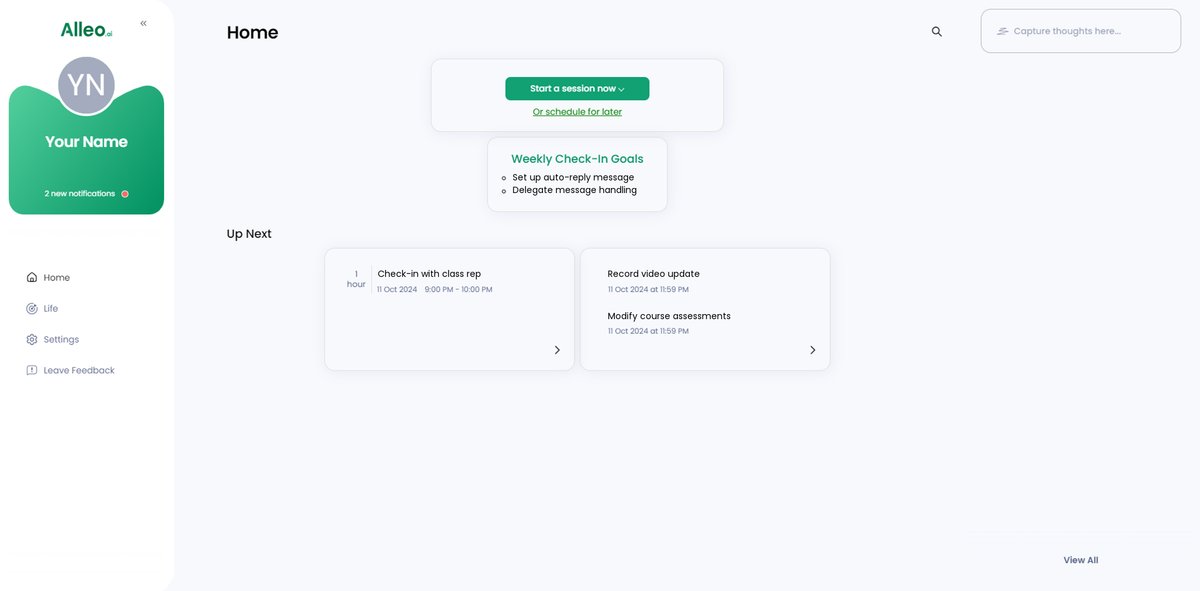
Step 6: Adding events to your calendar or app
To track your progress in managing student messages during your leave, use the Alleo app’s calendar and task features to add important events and deadlines, such as check-ins with your class representative or updates to your shared FAQ document.
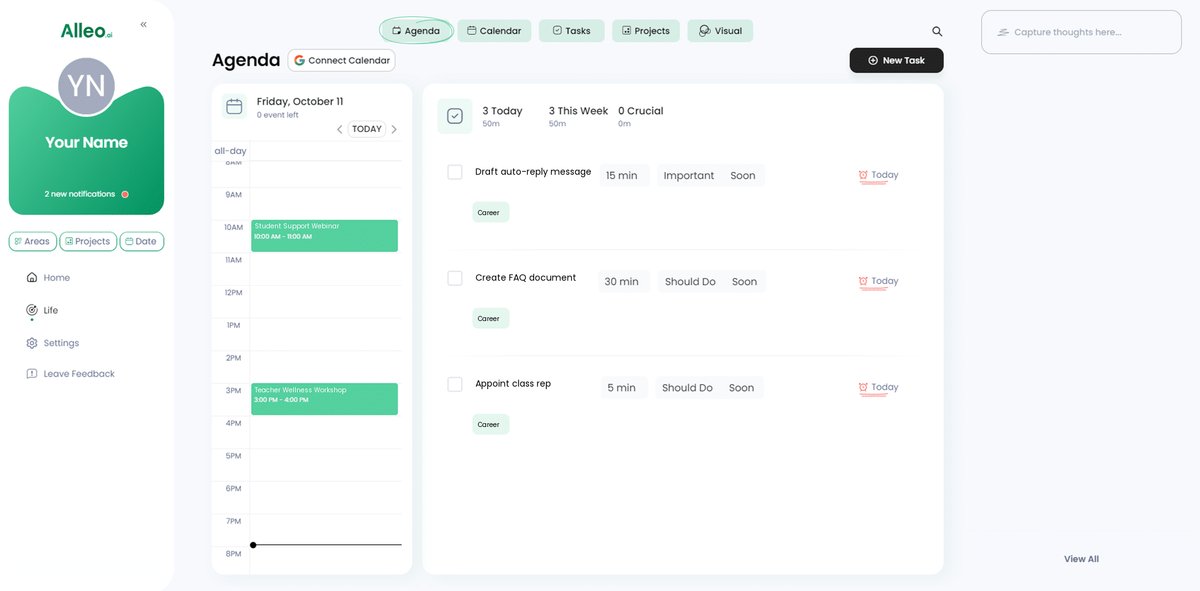
Bringing It All Together: Your Path Forward
Having explored these strategies, you now have the tools for managing student messages during leave effectively. Remember, it’s about balancing empathy with boundaries in teacher-student relationships.
By implementing these steps, you’ll reduce your emotional burden and maintain effective communication, supporting teacher mental health and work-life balance for teachers.
I understand how challenging managing student communication can be for you during extended leave for educators.
You don’t have to do it alone in your teacher absence management.
Alleo is here to support you every step of the way, helping with digital communication policies for schools.
Try it for free and see the difference it makes in managing student messages during leave.
You’ve got this!