The Ultimate Guide: How to Confidently Stick to Your Decisions When Others Pressure You
Are you constantly second-guessing your decisions because others persuade you to change your mind? Learning how to stick to decisions under pressure is a crucial skill for personal growth and success.
As a life coach, I’ve seen many single men struggle with this exact issue. The pressure to alter decisions can be overwhelming, especially when faced with emotional responses from others. Developing strong decision-making skills and managing peer pressure are essential for building self-confidence.
In this article, you’ll find strategies to confidently stick to your choices, set healthy boundaries, and maintain your integrity. We’ll explore techniques for standing up for yourself, dealing with criticism, and improving your assertiveness and confident communication.
Let’s dive in and discover how to enhance your resilience in decision-making and overcome self-doubt.

The Pressure to Conform: A Closer Look
Feeling pressured to change your decisions is not uncommon. Many men find this pressure overwhelming, often leading to second-guessing themselves and struggling to stick to decisions under pressure.
Imagine wanting to stick to your plans, only to face persistent emotional responses from others. This can erode your confidence and create a cycle of self-doubt, challenging your decision-making skills.
In my experience, societal expectations amplify these challenges. You’re expected to conform, causing emotional and psychological stress, making peer pressure management crucial.
This makes it even harder to stick to your choices and stand up for yourself.
Constantly caving to pressure can lead to burnout. It’s exhausting and demoralizing, emphasizing the importance of developing resilience in decision-making.
Understanding these dynamics is the first step to overcoming them and improving your self-confidence techniques.
A Roadmap to Confident Decision-Making
Overcoming this challenge requires a few key steps to help you stick to decisions under pressure. Here are the main areas to focus on to make progress in developing your decision-making skills:
- Develop a Clear Personal Values Framework: Define and align your core values with your decisions to strengthen your resilience in decision-making.
- Practice Assertive Communication Techniques: Learn and use assertive communication to express your decisions confidently and improve your assertiveness training.
- Implement a Decision-Making Checklist: Use a structured checklist to assess decisions thoroughly and enhance your ability to stand up for yourself.
- Cultivate Emotional Resilience Strategies: Build resilience to handle stress and pressure effectively, aiding in peer pressure management.
- Establish and Maintain Firm Boundaries: Communicate and uphold your personal boundaries firmly to boost your self-confidence techniques.
- Seek Support from Trusted Confidants: Reach out to a reliable support network for guidance in dealing with criticism and overcoming self-doubt.
Let’s dive in to explore these confident communication strategies that will help you stick to decisions under pressure!
1: Develop a clear personal values framework
Defining your core values is essential to confidently sticking to your decisions under pressure.
Actionable Steps:
- Reflect on past decisions and outcomes to identify your core values and enhance decision-making skills.
- Write down your values and keep them accessible for quick reference to improve self-confidence techniques.
- Regularly review and update your values to ensure they align with your current goals and beliefs, strengthening your resilience in decision-making.
Explanation: Developing a clear personal values framework helps you stay grounded and make decisions that are authentic to who you are, even when facing peer pressure.
Reflecting on past decisions allows you to understand what truly matters to you and improve your ability to stick to decisions under pressure. Keeping your values accessible ensures you can quickly refer to them when needed, aiding in confident communication.
Regularly updating your values ensures they stay relevant to your evolving goals and helps in overcoming self-doubt. For more on the importance of values in decision-making, check out this insightful article on decision-making difficulties.
This foundation will make it easier to practice assertive communication techniques and stand up for yourself in the next section.

2: Practice assertive communication techniques
Practicing assertive communication is crucial for confidently sticking to your decisions under pressure.
Actionable Steps:
- Enroll in an assertiveness training workshop to learn basic techniques for standing up for yourself.
- Role-play scenarios with a friend to practice assertive responses and improve your decision-making skills.
- Use “I” statements to express your decisions clearly and confidently, enhancing your personal boundaries.
Explanation: Practicing assertive communication can significantly improve your confidence in decision-making and help you stick to decisions under pressure.
Learning new techniques and practicing them helps you handle peer pressure more effectively. This approach aligns with current trends in emotional intelligence and interpersonal effectiveness, boosting your resilience in decision-making.
For further insights, visit this resource on dialectical behavior therapy to enhance your confident communication skills.
These steps will prepare you to implement a decision-making checklist next, further improving your ability to stick to decisions under pressure.

3: Implement a decision-making checklist
Creating a decision-making checklist is crucial for ensuring your choices align with your values and goals, helping you stick to decisions under pressure.
Actionable Steps:
- Create a checklist that includes pros and cons, potential outcomes, and alignment with your values to enhance decision-making skills.
- Use the checklist before finalizing any major decision to ensure it meets your criteria and aids in peer pressure management.
- Review the checklist with a trusted mentor or confidant for an additional perspective, supporting confident communication.
Key benefits of using a decision-making checklist:
- Reduces decision fatigue
- Enhances objectivity
- Improves decision consistency and resilience in decision-making
Explanation: Using a decision-making checklist helps you make well-informed choices that align with your values. This process can reduce stress and improve confidence, aiding in overcoming self-doubt.
For further insights, visit this resource on building confidence. Structured decision-making is a powerful tool, especially in high-pressure situations, supporting assertiveness training and standing up for yourself.
This foundation will help you cultivate emotional resilience strategies in the next section.
4: Cultivate emotional resilience strategies
Cultivating emotional resilience is crucial to handling stress and pressure effectively, helping you stick to decisions under pressure.
Actionable Steps:
- Practice mindfulness and meditation to stay grounded during stressful situations and improve decision-making skills. Spend 10 minutes each morning in meditation.
- Engage in regular physical activity to boost mental resilience and enhance your ability to stand up for yourself. Aim for at least 30 minutes of exercise, five days a week.
- Attend a resilience-building seminar or read books on emotional intelligence to enhance your coping skills and confident communication.
Explanation: Building emotional resilience helps you navigate pressure and stress more effectively. These steps are essential for maintaining your well-being and making confident decisions, even when facing peer pressure.
For more insights, check out this resource on overcoming decision-making paralysis.
This foundation will help you establish and maintain firm personal boundaries in the next section, crucial for resilience in decision-making.
5: Establish and maintain firm boundaries
Establishing and maintaining firm boundaries is essential to confidently sticking to your decisions under pressure. This practice enhances your decision-making skills and helps in managing peer pressure.
Actionable Steps:
- Clearly communicate your boundaries to friends, family, and colleagues. Let them know what is acceptable and what isn’t, demonstrating confident communication.
- Practice saying no in low-stakes situations to build confidence. Start with small requests and gradually move to more significant ones, improving your assertiveness training.
- Use techniques from Dialectical Behavior Therapy (DBT) to reinforce and maintain boundaries. Implement these techniques in daily interactions to enhance your resilience in decision-making.
Common boundary-setting challenges and solutions:
- Fear of conflict: Practice assertive communication
- Guilt: Remind yourself of your values and priorities
- Lack of consistency: Use visual reminders of your boundaries
Explanation: Clearly defined boundaries help protect your mental and emotional well-being. They ensure others respect your decisions and reduce the likelihood of caving under pressure, aiding in overcoming self-doubt.
For additional techniques, explore this resource on dialectical behavior therapy. Establishing firm boundaries helps you maintain integrity and confidence in your choices, enhancing your ability to stick to decisions under pressure.
This foundation will assist you in seeking support from trusted confidants in the next section, further strengthening your personal boundaries and self-confidence techniques.
6: Seek support from trusted confidants
Seeking support from trusted confidants can greatly enhance your ability to stick to your decisions under pressure.
Actionable Steps:
- Identify and reach out to friends or mentors who respect your decisions. Set up regular check-ins to discuss your challenges and progress in decision-making skills.
- Join a support group where you can share experiences and gain advice on peer pressure management. Look for groups that align with your values and goals.
- Schedule regular meetings with your support network to stay accountable and practice confident communication. Use these sessions to receive feedback and encouragement.
Qualities to look for in a trusted confidant to help you stick to decisions under pressure:
- Non-judgmental attitude
- Active listening skills
- Ability to provide constructive feedback and assist with assertiveness training
Explanation: These steps help you build a reliable support system that reinforces your decisions and enhances resilience in decision-making. Having trusted confidants provides you with valuable perspectives and emotional backing for standing up for yourself.
For more insights on the importance of support systems, visit this resource on building confidence. Establishing these connections ensures you have the necessary support to maintain your decisions confidently and develop self-confidence techniques.
With a solid support system in place, you’ll be better equipped to navigate decision-making challenges and overcome self-doubt.

Partner with Alleo on Your Decision-Making Journey
We’ve explored the challenges of learning to stick to decisions under pressure. Did you know you can work directly with Alleo to make this journey easier and faster, enhancing your decision-making skills and boosting your self-confidence?
Set up an account and create a personalized plan with Alleo, your AI life coach for assertiveness training and confident communication. Alleo provides tailored coaching support with full sessions and a free 14-day trial, requiring no credit card. This can help you develop resilience in decision-making and overcome self-doubt.
The coach will follow up on your progress, handle changes, and keep you accountable via text and push notifications, assisting you in standing up for yourself and managing peer pressure effectively.
Ready to get started for free? Let me show you how to improve your ability to stick to decisions under pressure!
Step 1: Log In or Create Your Account
To begin your journey towards confident decision-making, log in to your existing Alleo account or create a new one to access personalized AI coaching support.

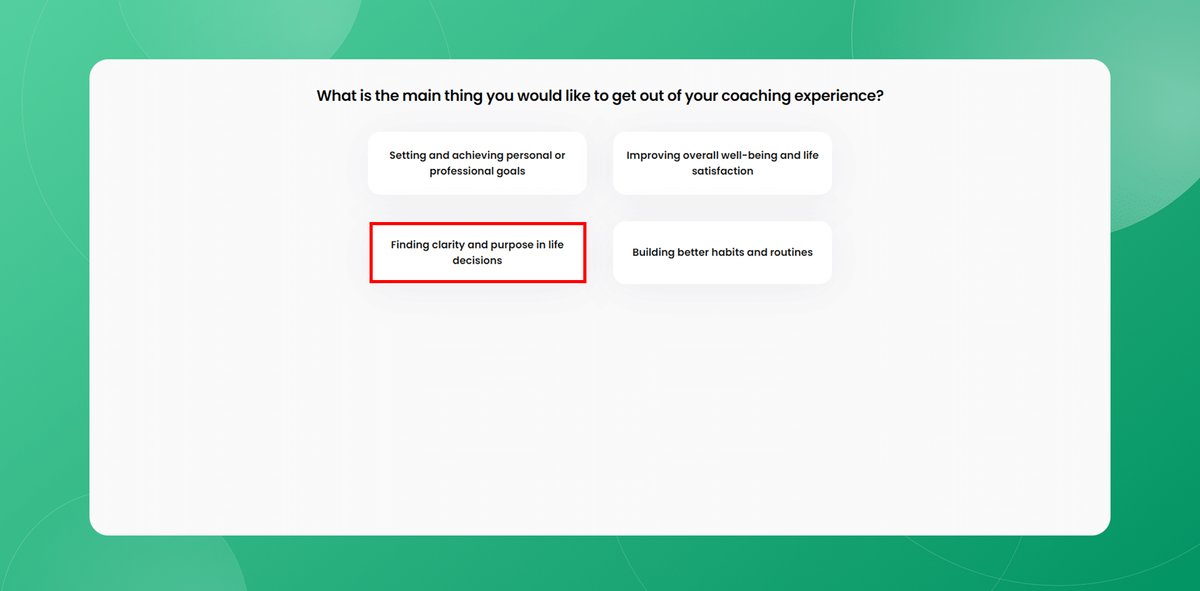
Step 2: Choose Your Focus – Finding Clarity in Life Decisions
Select “Finding clarity and purpose in life decisions” to align your coaching journey with the strategies outlined in the article, helping you confidently navigate pressures and stick to your choices.
Step 3: Select “Personal” as Your Focus Area
Choose the “Personal” life area to address your decision-making challenges and build confidence in sticking to your choices. This focus aligns perfectly with developing a clear values framework, practicing assertive communication, and establishing firm boundaries – key strategies discussed in the article for overcoming pressure to change your decisions.

Step 4: Starting a coaching session
Begin your coaching journey with an intake session, where you’ll collaborate with Alleo to create a personalized plan that addresses your decision-making challenges and sets you on the path to confident choices.

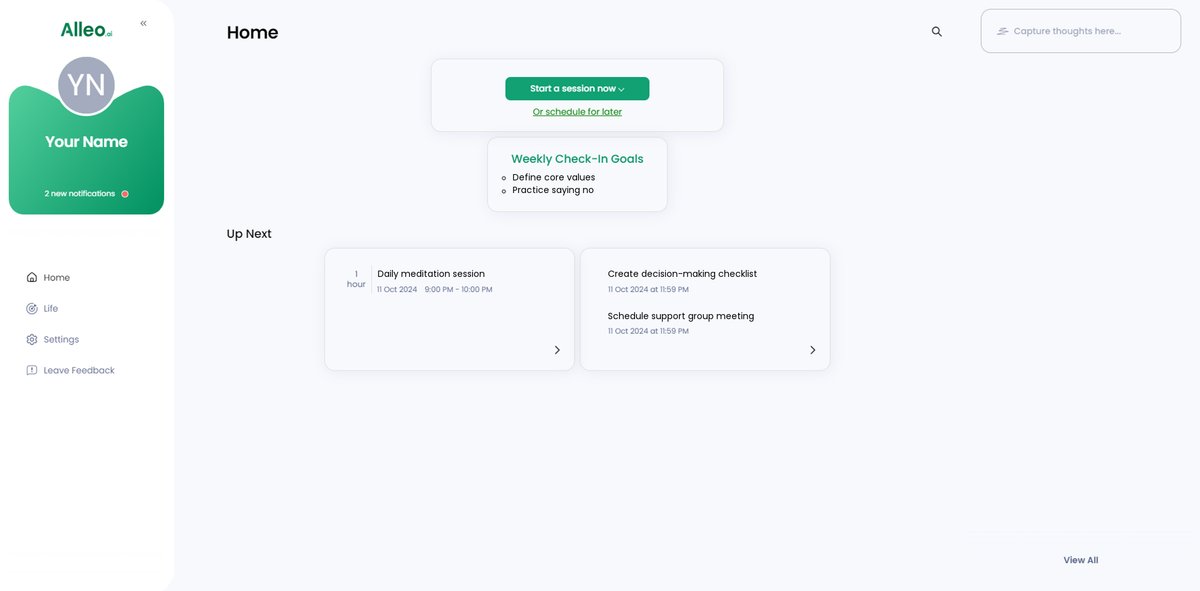
Step 5: Viewing and Managing Goals After the Session
After your coaching session, open the Alleo app and check your home page to view and manage the goals you discussed, allowing you to track your progress and stay accountable to your decision-making commitments.
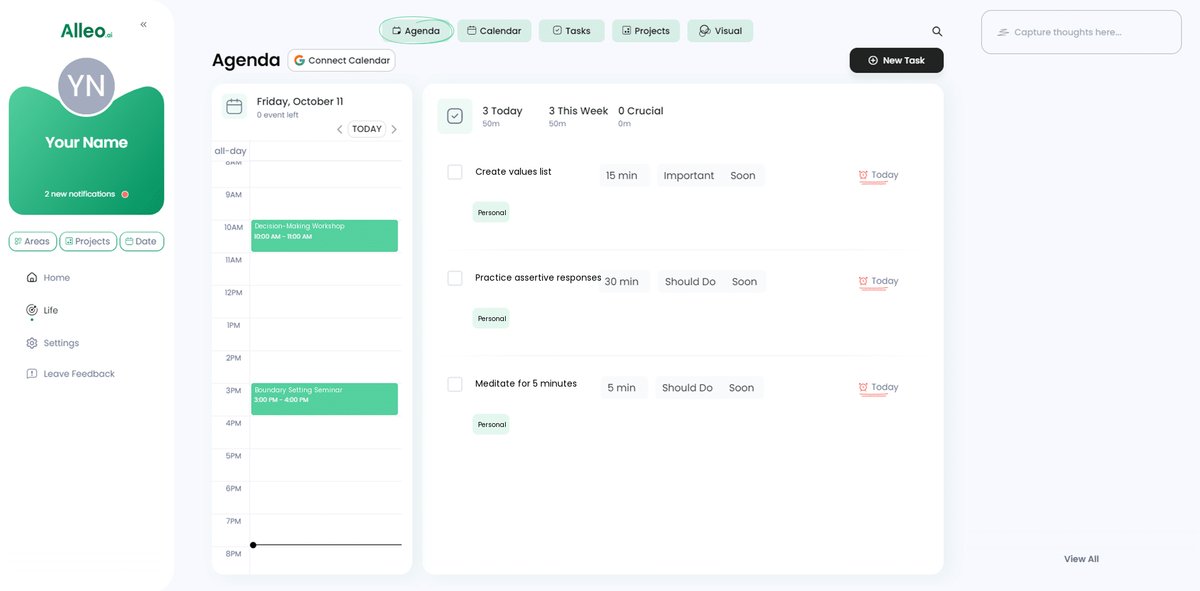
Step 6: Adding events to your calendar or app
Use the calendar and task features in the Alleo app to schedule and track your decision-making activities, helping you stay accountable and measure your progress in confidently sticking to your choices.
Wrapping Up Your Decision-Making Journey
You’ve taken significant steps to understand and address the pressure to change your decisions. Learning to stick to decisions under pressure is not easy, but it’s essential for your well-being and confidence.
Remember the roadmap we discussed to enhance your decision-making skills:
- Defining your values
- Practicing assertive communication
- Using a decision-making checklist
- Building emotional resilience
- Setting firm boundaries
- Seeking support
These strategies are designed to empower you and improve your peer pressure management.
You deserve to make decisions that align with your true self without feeling pressured. Stay committed to your values and personal boundaries, and focus on standing up for yourself.
For extra support in developing self-confidence techniques, consider using Alleo, your AI life coach. It can help reinforce these strategies and keep you on track with confident communication.
Start your journey with Alleo today and take the first step towards confident decision-making and learning to stick to decisions under pressure.