Transform Your Approach: Best Practices for Communicating with Deaf Patients Using Communication Boards
Are you struggling to effectively communicate with Deaf patients who rely on communication boards? Communicating with Deaf patients effectively is crucial in healthcare settings.
As a life coach, I’ve helped many healthcare professionals navigate these challenges. I frequently encounter issues related to patient communication barriers, including the need for ASL in medical settings and visual communication tools for Deaf patients.
In this blog, you’ll discover proven strategies to improve your communication skills with Deaf patients. We will cover best practices, actionable steps, and the tools you need to enhance patient outcomes. This includes cultural sensitivity in healthcare for Deaf individuals and non-verbal communication techniques for healthcare providers.
Let’s dive in and explore how to ensure patient-centered care for Deaf individuals.

Understanding the Challenges in Communicating with Deaf Patients Effectively
Many healthcare professionals face significant challenges when communicating with Deaf patients effectively. These barriers often stem from a lack of training and understanding of how to effectively use visual communication tools for Deaf patients and communication boards in medical settings.
In my experience, these issues can lead to misdiagnoses and patient dissatisfaction. Ineffective communication can create a frustrating experience for both you and your patient, highlighting the need for improved accessibility in medical facilities for Deaf patients.
Several clients report the struggle of not knowing how to address communication barriers. This often results in poor healthcare outcomes and misunderstandings, emphasizing the importance of patient-centered care for Deaf individuals.
It’s clear that improving communication skills is crucial. Addressing these challenges is the first step towards better patient care, which may include utilizing interpreter services in hospitals and non-verbal communication techniques for healthcare providers.

Key Steps to Improve Communication with Deaf Patients Using Communication Boards
Communicating with Deaf patients effectively requires overcoming several challenges. Here are the main areas to focus on to make progress.
- Provide clear, simple written instructions: Use plain language and avoid medical jargon to enhance healthcare literacy for Deaf communities.
- Use visual aids alongside communication boards: Incorporate pictograms and illustrations to support understanding, utilizing visual communication tools for Deaf patients.
- Ensure proper lighting and patient positioning: Optimize lighting and place communication boards within easy reach, improving accessibility in medical facilities for Deaf patients.
- Learn basic communication board navigation: Attend training programs for medical staff on Deaf communication and practice with peers.
- Practice active listening and patience: Give patients ample time to respond and confirm understanding by summarizing, demonstrating cultural sensitivity in healthcare for Deaf individuals.
Let’s dive in!
1: Provide clear, simple written instructions
Providing clear, simple written instructions is essential for communicating with Deaf patients effectively in healthcare settings.
Actionable Steps:
- Use plain language and avoid medical jargon.
- Ensure instructions are concise and easy to understand for Deaf individuals.
- Test instructions with colleagues to ensure clarity in patient-centered care for Deaf individuals.
- Create standardized templates for common instructions.
- Develop templates for routine procedures and instructions, considering accessibility in medical facilities for Deaf patients.
- Regularly update templates based on patient feedback to improve healthcare literacy for Deaf communities.
- Offer instructions in multiple languages.
- Provide translations in the most common languages spoken by patients, including ASL in medical settings.
- Use professional translation services to ensure accuracy, similar to interpreter services in hospitals.
Key benefits of clear instructions:
- Improved patient understanding
- Reduced anxiety and confusion
- Better adherence to treatment plans
Explanation: These steps matter because they help eliminate confusion and ensure that Deaf patients understand their care instructions.
Clear communication can lead to better patient outcomes and satisfaction when communicating with Deaf patients effectively.
According to Telehealth HHS, improving access to accurate information is crucial for healthcare equity.
Taking these steps will set a strong foundation for effective communication with Deaf patients in healthcare settings.
2: Use visual aids alongside communication boards
Using visual aids alongside communication boards enhances understanding for Deaf patients, a crucial aspect of communicating with Deaf patients effectively.
Actionable Steps:
- Incorporate pictograms and illustrations.
- Use universally recognized symbols to convey instructions, improving visual communication tools for Deaf patients.
- Customize visual aids to meet each patient’s specific needs, supporting patient-centered care for Deaf individuals.
- Utilize digital tools and apps.
- Implement apps that offer visual support on tablets, leveraging technology aids for Deaf patient communication.
- Train staff on effective use of these tools, enhancing healthcare literacy for Deaf communities.
- Display visual aids prominently in patient areas.
- Ensure visual aids are easily accessible and visible in patient rooms, improving accessibility in medical facilities for Deaf patients.
- Regularly update visual content to keep it relevant and clear, supporting non-verbal communication techniques for healthcare providers.
Explanation:
These steps help ensure that Deaf patients fully understand their care instructions. Visual aids can bridge the communication gap, leading to better patient outcomes and effectively communicating with Deaf patients.
According to Texas DSHS, using alternative communication methods is crucial in emergency situations.
Implementing these strategies can significantly improve communication with Deaf patients, enhancing cultural sensitivity in healthcare for Deaf individuals.
3: Ensure proper lighting and patient positioning
Ensuring proper lighting and patient positioning is crucial for effectively communicating with Deaf patients using communication boards.
Actionable Steps:
- Optimize lighting in patient rooms.
- Use adjustable lighting to reduce glare and improve visibility for visual communication tools for Deaf patients.
- Conduct regular checks to ensure lighting is adequate for non-verbal communication techniques.
- Position communication boards within easy reach.
- Ensure boards are placed at a comfortable height and angle to facilitate communicating with Deaf patients effectively.
- Provide adjustable stands or mounts for flexibility, enhancing accessibility in medical facilities for Deaf patients.
- Maintain eye contact and face the patient.
- Position yourself directly in front of the patient while communicating, which is essential for ASL in medical settings.
- Minimize distractions and maintain a calm environment to support patient-centered care for Deaf individuals.
Explanation: These steps are important because they create an environment conducive to clear communication. Proper lighting and positioning help patients see and use communication boards effectively, supporting healthcare literacy for Deaf communities.
According to Paubox, optimizing communication methods is essential for working with speech-impaired patients.
Implementing these strategies will significantly enhance your communication with Deaf patients, promoting cultural sensitivity in healthcare for Deaf individuals.
4: Learn basic communication board navigation
Learning basic communication board navigation is essential for effectively communicating with Deaf patients in healthcare settings.
Actionable Steps:
- Attend training sessions on communication board use.
- Participate in workshops and courses offered by experts on visual communication tools for Deaf patients.
- Complete certification programs if available for healthcare providers on Deaf communication.
- Practice with peers and mentors.
- Engage in role-playing exercises with colleagues to improve non-verbal communication techniques.
- Seek feedback and guidance from experienced professionals in ASL in medical settings.
- Stay updated on new tools and techniques.
- Join professional networks and forums focused on communicating with Deaf patients effectively.
- Subscribe to relevant publications and newsletters on accessibility in medical facilities for Deaf patients.
Essential skills for communication board navigation:
- Understanding symbol categories for patient-centered care for Deaf individuals
- Efficient page navigation to enhance healthcare literacy for Deaf communities
- Customizing layouts for patient needs using technology aids for Deaf patient communication
Explanation: These steps matter because they ensure you can effectively use communication boards, leading to better patient outcomes when communicating with Deaf patients effectively.
According to ASHA, ongoing training is crucial for maintaining competence in communication techniques.
Implementing these strategies will significantly enhance your proficiency in using communication boards and improve cultural sensitivity in healthcare for Deaf individuals.
Mastering these basics will prepare you for more advanced communication practices and improve interpreter services in hospitals.
5: Practice active listening and patience
Practicing active listening and patience is crucial for effectively communicating with Deaf patients in healthcare settings.
Actionable Steps:
- Give the patient ample time to respond.
- Avoid rushing the patient during communication.
- Show patience and understanding throughout the interaction, enhancing patient-centered care for Deaf individuals.
- Use non-verbal cues to show attentiveness.
- Maintain eye contact and nod to indicate understanding, employing non-verbal communication techniques for healthcare providers.
- Use gestures to reinforce communication, especially when communicating with Deaf patients effectively.
- Confirm understanding by summarizing.
- Repeat back what the patient has communicated, improving healthcare literacy for Deaf communities.
- Ask clarifying questions to ensure accuracy, which is essential when communicating with Deaf patients effectively.
Benefits of active listening in healthcare:
- Increased patient trust and comfort
- More accurate diagnosis and treatment
- Improved overall patient satisfaction
Explanation:
These steps matter because they foster a supportive environment where patients feel heard and respected. Active listening can significantly reduce misunderstandings and improve patient satisfaction when communicating with Deaf patients effectively.
According to OpenStax, effective communication relies on clear, honest, and confidential sharing of ideas. Implementing these strategies will enhance your interactions with Deaf patients.
Building these habits will make your communication more effective and compassionate, particularly in medical settings where ASL and visual communication tools for Deaf patients are crucial.
Partner with Alleo to Improve Communication with Deaf Patients
We’ve explored the challenges of communicating with Deaf patients effectively using communication boards and the steps to address them. But did you know you can work directly with Alleo to make this journey easier and faster?
Alleo offers personalized coaching to help you master these communication skills, including ASL in medical settings and non-verbal communication techniques for healthcare providers. With Alleo, you can set up an account and create a personalized plan tailored to your needs for improving accessibility in medical facilities for Deaf patients.
Our AI coach will guide you through each step, providing actionable advice and support on cultural sensitivity in healthcare for Deaf individuals. Alleo’s coach will follow up on your progress, handle changes, and keep you accountable via text and push notifications, ensuring patient-centered care for Deaf individuals.
Ready to get started for free and enhance your skills in communicating with Deaf patients effectively?
Let me show you how!
Step 1: Log In or Create Your Account
To start improving your communication with Deaf patients, log in to your existing Alleo account or create a new one if you’re a first-time user.

Step 2: Choose “Building better habits and routines”
Select “Building better habits and routines” to develop consistent practices for effective communication with Deaf patients, enhancing your ability to use communication boards and implement the strategies discussed in this article.

Step 3: Select “Career” as Your Focus Area
Choose “Career” as your focus area to improve your professional communication skills with Deaf patients, enhancing your healthcare practice and patient outcomes.

Step 4: Starting a coaching session
Begin your journey with Alleo by scheduling an initial intake session, where you’ll discuss your communication goals with Deaf patients and create a personalized plan to improve your skills using communication boards.

Step 5: Viewing and managing goals after the session
After your coaching session, open the Alleo app to find your discussed goals conveniently displayed on the home page, allowing you to easily track and manage your progress in improving communication with Deaf patients.
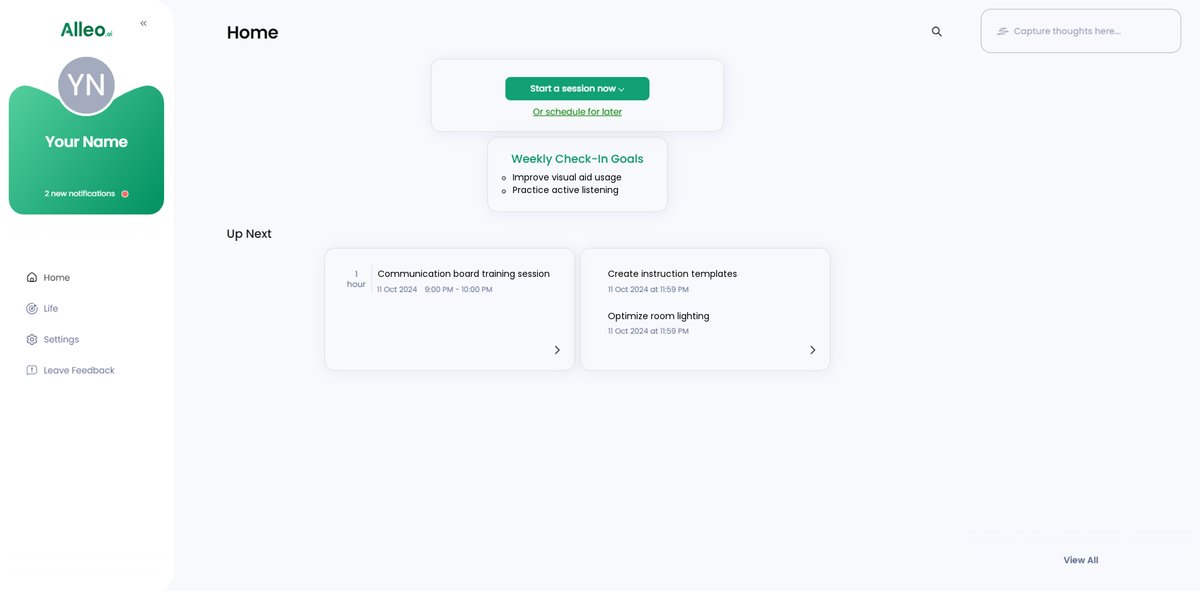
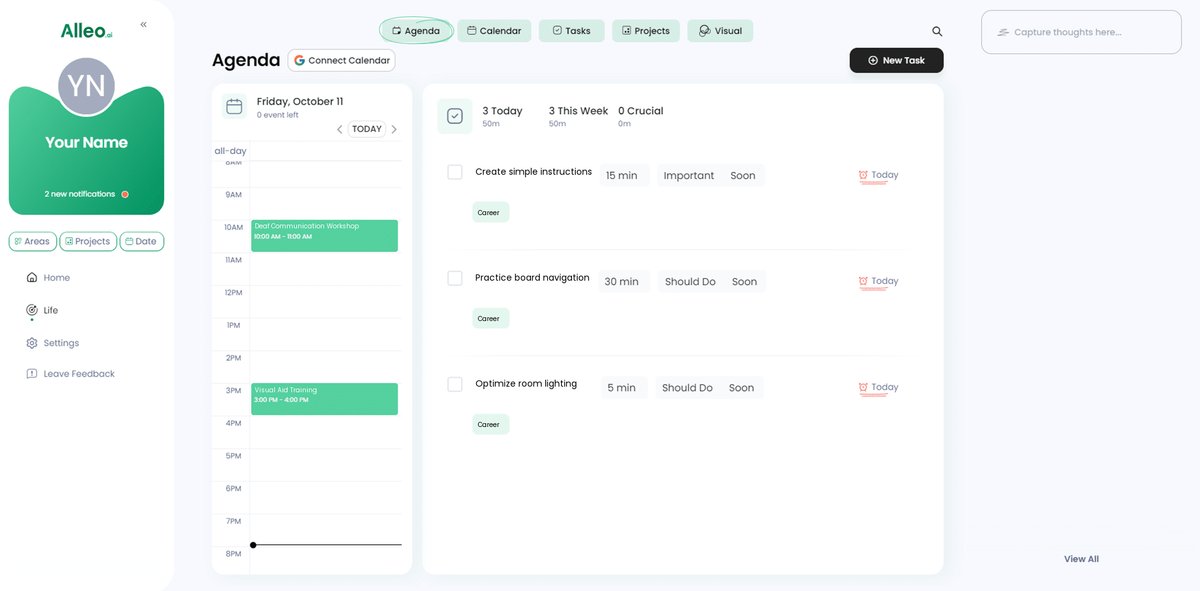
6: Adding events to your calendar or app
Utilize the Alleo app’s calendar and task features to track your progress in improving communication with Deaf patients, allowing you to schedule practice sessions, set reminders for training, and monitor your advancement in mastering communication board techniques.
Bringing It All Together: Enhancing Communication with Deaf Patients
We’ve explored actionable steps to improve communicating with Deaf patients effectively. By implementing these strategies, you can ensure better patient outcomes and satisfaction.
Remember, providing clear instructions, using visual communication tools for Deaf patients, ensuring proper lighting, and practicing patience are vital. These steps foster a supportive environment and promote accessibility in medical facilities for Deaf patients.
You don’t have to navigate this journey alone. Alleo can guide you every step of the way, including training programs for medical staff on Deaf communication.
Empathy and active listening are key. Start making a difference today in patient-centered care for Deaf individuals.
Set up your free account with Alleo. Let’s improve your skills in communicating with Deaf patients effectively together.