How to Manage Emotions for Couples: 6 Powerful Strategies for Stressful Situations
Have you ever had a long, stressful day at work only to find yourself in a heated argument with your partner over something trivial? This scenario is a common challenge when it comes to managing emotions in relationships.
As a life coach, I’ve helped many professionals navigate these emotional hurdles. I often see how stress can trigger unexpected outbursts and strain relationships, highlighting the importance of stress management for relationships and emotional regulation techniques for couples.
In this article, you’ll discover effective techniques to manage emotions together, such as deep breathing, emotion labeling, and more. These communication strategies during conflict and couples therapy exercises can greatly improve your ability to handle challenging situations.
Let’s dive in and explore these conflict resolution skills and strategies for creating emotional safety in relationships.

The Emotional Toll of Stress on Relationships
Stress is a common challenge for young professionals, often spilling over into personal relationships. Many couples find that intense workdays lead to unexpected emotional outbursts at home, highlighting the importance of managing emotions in relationships.
In my experience, people often struggle to control their emotions during these high-stress moments. This can result in frequent arguments and strained relationships, underscoring the need for effective emotional regulation techniques for couples.
Unmanaged emotions can have a severe impact on relationship dynamics. Stress can make minor disagreements escalate into major conflicts, leaving both partners feeling hurt and misunderstood. This emphasizes the importance of communication strategies during conflict.
Several clients report that stress negatively affects their emotional reactions, making it difficult to maintain harmony. This ongoing tension can erode the quality of the relationship, causing long-term dissatisfaction. Stress management for relationships becomes crucial in such scenarios.
Managing emotions in relationships effectively is crucial for maintaining a healthy relationship. Understanding the problem is the first step toward finding a solution, which may include exploring couples therapy exercises or mindfulness practices for partners.

Effective Steps to Manage Emotions in Stressful Situations for Couples
Overcoming this challenge requires a few key steps. Here are the main areas to focus on to make progress in managing emotions in relationships:
- Practice deep breathing exercises together: Set aside time daily for deep breathing sessions, a key mindfulness practice for partners.
- Use emotion labeling to identify feelings: Keep a shared emotion chart and discuss your feelings weekly, improving communication strategies during conflict.
- Implement a stress-relief ritual as a couple: Plan and alternate weekly stress management for relationships activities.
- Create a shared gratitude journal: Write and review gratitude entries together daily, enhancing emotional regulation techniques for couples.
- Learn and apply active listening techniques: Practice active listening during conversations to build empathy for couples.
- Develop a mutual “time-out” signal for conflicts: Use a signal to pause and cool off during heated discussions, aiding in anger management in relationships.
Let’s dive into these couples therapy exercises and conflict resolution skills!
1: Practice deep breathing exercises together
Deep breathing exercises can help couples manage stress and improve emotional regulation, which is crucial for managing emotions in relationships.
Actionable Steps:
- Designate a specific time each day for a 10-minute deep breathing session as a couples therapy exercise.
- Use guided breathing apps or videos to ensure you both practice correctly, enhancing mindfulness practices for partners.
- Share your experiences and feelings after each session to strengthen the habit and improve communication strategies during conflict.
Explanation:
These steps matter because they provide a structured way to manage stress and improve emotional bonding. Deep breathing can reduce stress by calming the nervous system, which is beneficial for emotional well-being and managing emotions in relationships.
According to Cleveland Clinic, deep breathing exercises are effective in managing emotional stress and promoting relaxation. Engaging in this practice together helps build a supportive environment for both partners and contributes to creating emotional safety in relationships.
Benefits of deep breathing for couples:
- Reduces stress and tension, supporting stress management for relationships
- Improves emotional connection and empathy building for couples
- Enhances overall well-being and serves as a self-care strategy for couples under stress
This routine can be a powerful tool for maintaining emotional balance and preventing stress from escalating into conflicts, ultimately aiding in managing emotions in relationships.

2: Use emotion labeling to identify feelings
Recognizing and naming your emotions can significantly enhance emotional clarity and connection in your relationship, which is crucial for managing emotions in relationships effectively.
Actionable Steps:
- Create a shared emotion chart: Place it in a visible spot at home to track daily feelings, aiding in emotional regulation techniques for couples.
- Schedule weekly emotion check-ins: Discuss the emotions you both experienced during the week, fostering communication strategies during conflict.
- Utilize “I feel” statements: Practice using these statements during conversations for better emotional understanding and empathy building for couples.
Explanation:
These steps are essential because they provide structure for emotional awareness and communication. Labeling emotions helps in recognizing and managing them effectively, contributing to stress management for relationships.
According to Healthline, acknowledging emotions is crucial for emotional health and relationship satisfaction. This practice can deepen your emotional connection and reduce misunderstandings, serving as one of the key couples therapy exercises.
Implementing these steps can lead to a more empathetic and supportive relationship, fostering long-term harmony and satisfaction while managing emotions in relationships.
3: Implement a stress-relief ritual as a couple
Establishing a stress-relief ritual together can significantly enhance emotional well-being and strengthen your relationship, playing a crucial role in managing emotions in relationships.
Actionable Steps:
- Designate a specific evening each week for a stress-relief activity: Choose activities like a walk or movie night, which can serve as stress management for relationships.
- Alternate planning these activities: Ensure both partners are engaged and invested by taking turns to plan, fostering communication strategies during conflict.
- Reflect on the effectiveness of these rituals: Adjust the activities as necessary to keep them enjoyable and effective, supporting emotional regulation techniques for couples.
Explanation:
These steps are crucial because they provide structured, quality time for relaxation and connection. Engaging in regular stress-relief activities can help reduce tension and improve emotional health, acting as couples therapy exercises.
According to the Office of Disease Prevention and Health Promotion, managing stress through planned activities promotes better emotional regulation and relationship satisfaction, contributing to creating emotional safety in relationships.
Popular stress-relief activities for couples:
- Couples yoga or meditation, which can serve as mindfulness practices for partners
- Cooking a meal together, promoting empathy building for couples
- Outdoor adventures or hikes, supporting self-care strategies for couples under stress
Creating a routine for stress-relief activities can transform how you handle stress, fostering a more harmonious relationship and improving conflict resolution skills.
4: Create a shared gratitude journal
Creating a shared gratitude journal can help couples focus on positive aspects of their relationship, enhancing emotional well-being and connection. This practice is an excellent tool for managing emotions in relationships and fostering emotional regulation techniques for couples.
Actionable Steps:
- Start a shared gratitude journal: Purchase or create a journal for daily gratitude entries, which can serve as a couples therapy exercise.
- Commit to daily entries: Write three things you are grateful for each day, incorporating mindfulness practices for partners.
- Review and discuss weekly: Share and discuss your gratitude entries together at the end of each week, enhancing communication strategies during conflict.
Explanation:
These steps matter because they promote a positive outlook and strengthen your bond. Expressing gratitude can improve relationship satisfaction and emotional health, contributing to stress management for relationships.
According to a study from the University of Illinois, perceived gratitude significantly impacts relationship well-being.
Regularly sharing gratitude helps couples appreciate each other more, fostering a supportive environment and creating emotional safety in relationships.
This practice can significantly enhance your relationship, bringing you closer together and improving conflict resolution skills.
5: Learn and apply active listening techniques
Mastering active listening can help you and your partner feel heard and understood, reducing stress and conflict in managing emotions in relationships.
Actionable Steps:
- Take an active listening course: Enroll in an online course or read a book together on active listening techniques and emotional regulation techniques for couples.
- Practice during daily conversations: Focus on maintaining eye contact and summarizing your partner’s words to show understanding, enhancing communication strategies during conflict.
- Set aside undistracted time: Dedicate specific times for conversations without interruptions to practice active listening effectively, promoting stress management for relationships.
Key components of active listening:
- Giving full attention to your partner
- Providing non-verbal cues of engagement
- Reflecting back what you’ve heard
Explanation:
These steps matter because they strengthen communication and emotional connection. Active listening ensures both partners feel valued and understood, aiding in creating emotional safety in relationships.
According to the Reflections from Across the Couch, improved communication can lead to healthier and more satisfying relationships. Engaging in these practices can significantly enhance your relationship’s emotional health.
This approach can lead to deeper mutual understanding and stronger emotional bonds, supporting couples therapy exercises and empathy building for couples.

6: Develop a mutual “time-out” signal for conflicts
Creating a mutual “time-out” signal can help couples manage emotions in relationships and handle heated discussions effectively.
Actionable Steps:
- Agree on a specific signal or phrase: Choose a neutral signal or phrase that either partner can use to pause a heated discussion, aiding in emotional regulation techniques for couples.
- Set clear rules for the “time-out”: Decide on actions like going to separate rooms or taking a cooling-off period, which are essential stress management for relationships strategies.
- Debrief after the conflict: Discuss what was learned and how to improve future interactions, enhancing communication strategies during conflict.
Explanation:
These steps matter because they provide a structured approach to managing emotions in relationships and conflicts. Using a “time-out” signal helps prevent arguments from escalating, allowing both partners to cool down and practice anger management in relationships.
According to the Iberia Schools, early intervention by recognizing signs of distress is crucial in managing emotions effectively. This practice can lead to healthier communication and stronger emotional bonds, contributing to creating emotional safety in relationships.
Implementing a “time-out” signal can transform how you navigate conflicts, fostering a more harmonious relationship and improving conflict resolution skills.
Partner with Alleo on Your Emotional Management Journey
We’ve explored how managing emotions in relationships can improve your connections. Did you know Alleo can make this process of emotional regulation techniques for couples easier and faster?
Alleo provides affordable, tailored coaching support just like a human coach, focusing on communication strategies during conflict. You can start with a free 14-day trial, no credit card required.
Setting up an account is quick and easy. Create a personalized plan to address your specific emotional management needs, including stress management for relationships and couples therapy exercises.
Alleo’s AI coach will follow up on your progress and handle changes. You’ll receive reminders and accountability through text and push notifications, supporting your journey in managing emotions in relationships.
Ready to get started for free?
Let me show you how!
Step 1: Log In or Create Your Account
To begin your emotional management journey, log in to your existing Alleo account or create a new one in just a few clicks.

Step 2: Choose “Improving overall well-being and life satisfaction”
Select “Improving overall well-being and life satisfaction” as your goal to address the emotional challenges in your relationship, helping you and your partner manage stress more effectively and create a harmonious home life.

Step 3: Selecting the life area you want to focus on
Choose “Personal” as your focus area to address emotional management in your relationships, allowing you to work on stress reduction techniques and communication skills that will positively impact your personal life and partnerships.

Step 4: Starting a coaching session
Begin your journey with Alleo by scheduling an intake session, where you’ll discuss your emotional management goals and create a personalized plan to improve your relationship dynamics.

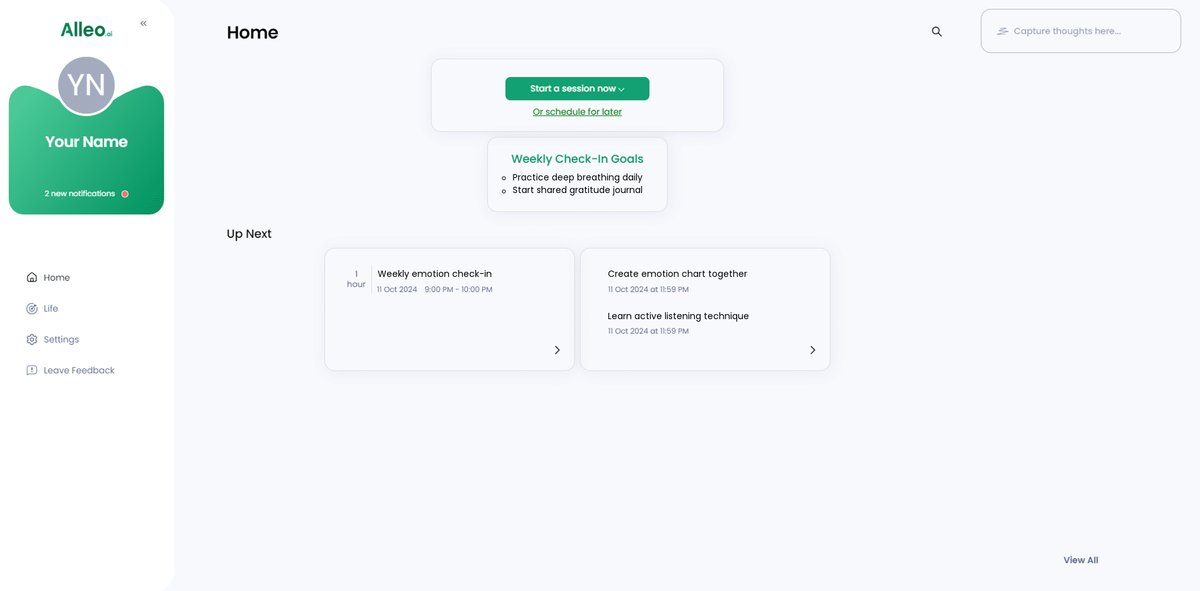
Step 5: Viewing and managing goals after the session
After your coaching session on emotional management, check the Alleo app’s home page to view and manage the goals you discussed, helping you stay on track with improving your relationship through better stress management and communication.
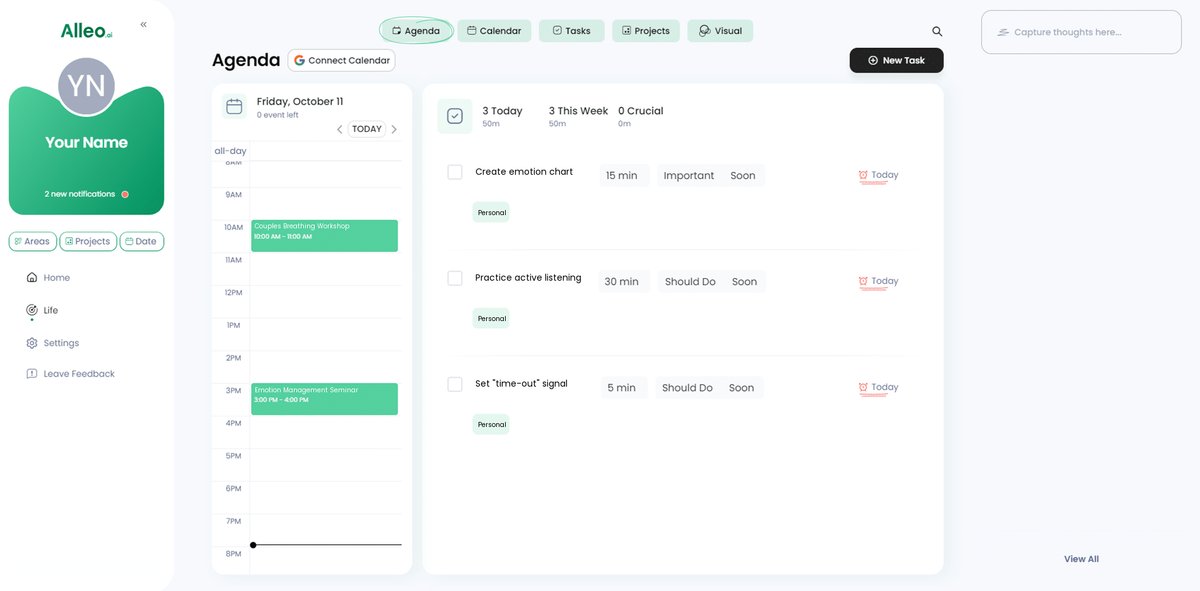
Step 6: Adding events to your calendar or app
Use Alleo’s calendar and task features to schedule and track your progress on emotional management activities, such as deep breathing sessions, gratitude journaling, and stress-relief rituals, helping you stay accountable and monitor your relationship improvement journey.
Strengthen Your Relationship Through Emotional Management
By now, you understand the importance of managing emotions in relationships. Taking these steps can transform how you and your partner handle stress and implement effective communication strategies during conflict.
Remember, deep breathing, emotion labeling, and stress management for relationships can make a significant difference in your emotional regulation techniques for couples.
Creating a shared gratitude journal and learning active listening techniques will strengthen your bond and help in building empathy for couples. Developing a mutual “time-out” signal can help manage conflicts effectively, enhancing your conflict resolution skills.
You have the power to improve your relationship through managing emotions in relationships. Start implementing these couples therapy exercises today.
Ready to take the next step? Try Alleo for free and get personalized support on your emotional management journey, including mindfulness practices for partners!